
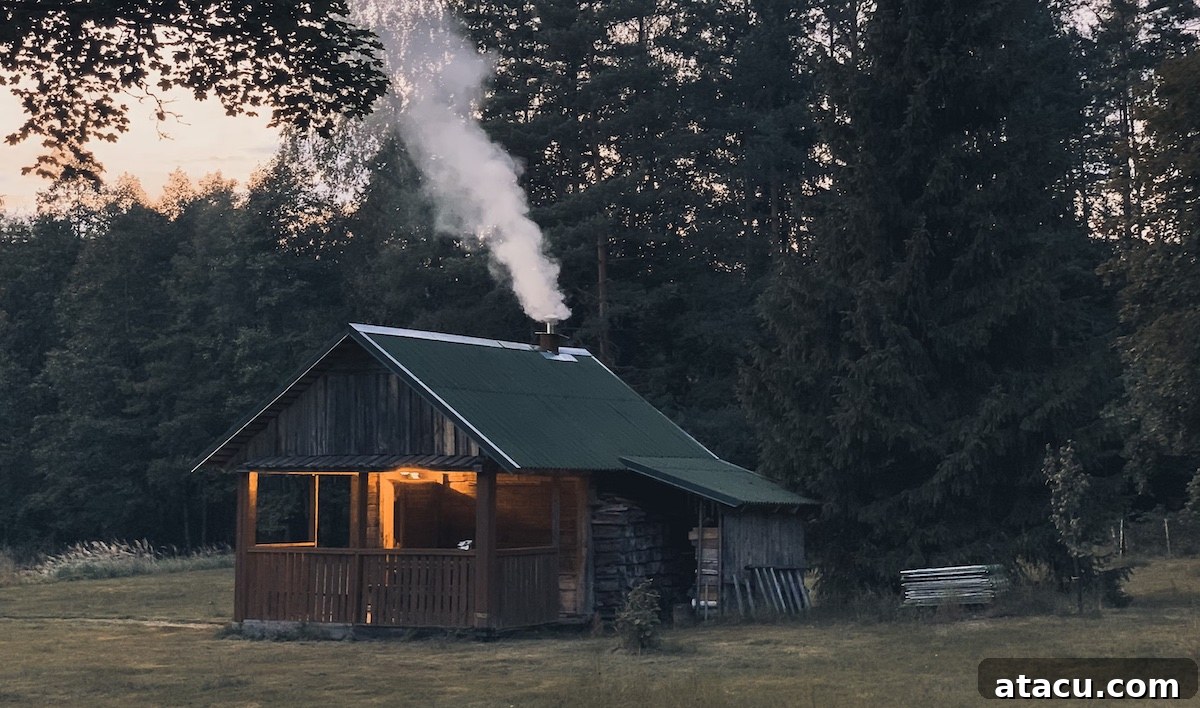
Garden rooms have evolved from simple sheds into sophisticated, versatile extensions of our homes, offering a unique blend of indoor comfort and outdoor connection. These dedicated spaces provide a tranquil retreat, a productive workspace, or a vibrant entertainment area, all while immersing you in the beauty of your garden. However, the true potential of a garden room is unlocked when it’s designed to be comfortable and functional throughout every season. Achieving this year-round usability requires careful planning and a deep understanding of key design principles. This comprehensive guide explores the essential considerations for creating a garden room that seamlessly adapts to changing weather, delivering both exceptional practicality and timeless aesthetic appeal.
Understanding the Imperative of Seasonal Adaptability for Your Garden Room
A garden room is far more than just an additional structure; it’s an investment in your lifestyle and property. Without thoughtful consideration for seasonal changes, even the most beautifully constructed garden room can become a source of frustration. Imagine a space that’s too chilly for comfort in winter or unbearably hot during the height of summer – such a room would see limited use, diminishing its value and purpose. An adaptable garden room, however, remains a welcoming sanctuary regardless of external temperatures, maximizing its usability and ensuring it consistently serves as a valuable asset to your home. It transforms from a sun-drenched summer lounge to a cozy winter haven, providing continuous utility and enjoyment throughout the entire year.
Essential Design Features for Achieving Year-Round Garden Room Comfort
To ensure your garden room remains a comfortable and functional space in every season, integrating specific design features that enhance thermal performance, weather resistance, and ambiance is crucial. These elements work in harmony to create an environment that’s always just right.
Superior Insulation: The Foundation of Thermal Efficiency
Effective insulation is arguably the single most critical factor in creating a garden room suitable for all seasons. It acts as a thermal barrier, preventing heat from escaping during colder months and blocking excessive heat gain when temperatures rise. Proper insulation ensures a stable internal climate, significantly reducing energy consumption for heating and cooling.
- Insulation Materials: Opt for high-performance insulation materials across all structural elements. Rigid foam boards (e.g., PIR insulation) offer excellent thermal efficiency with minimal thickness, making them ideal for walls, floors, and roofs. Mineral wool or natural alternatives like sheep’s wool or wood fiber can also provide effective thermal and acoustic benefits. Pay attention to the U-values (a measure of heat loss) of your chosen materials; lower U-values indicate better insulation.
- Comprehensive Coverage: Ensure insulation is meticulously installed in the walls, floor, and ceiling. Cold bridging – areas where insulation is discontinuous – must be avoided to prevent heat loss and condensation issues. A well-insulated floor prevents heat from seeping into the ground, while a robustly insulated roof is paramount for both winter warmth and summer coolness, as much heat is gained or lost through the roof structure.
- High-Performance Windows and Doors: Windows and doors are often the weakest points in a building’s thermal envelope. Prioritize double-glazed units as a minimum, but consider triple-glazing for superior insulation, especially in colder climates or for north-facing aspects. Look for frames made from thermally efficient materials like uPVC, timber, or thermally broken aluminum. Low-E (low-emissivity) coatings on glass help reflect heat, keeping interiors warmer in winter and cooler in summer, while argon or krypton gas-filled gaps between panes further enhance thermal performance.
Integrated Heating and Cooling Systems for Optimal Climate Control
Even with excellent insulation, a reliable heating and cooling system is essential to fine-tune the internal temperature of your garden room, ensuring maximum comfort regardless of external conditions.
- Efficient Heating Options: For winter warmth, consider a range of energy-efficient solutions. Electric underfloor heating provides even, radiant warmth and is discreetly installed beneath the flooring. Energy-efficient electric radiators or convection heaters offer quick heat-up times and are easy to control. For those seeking ambiance and a charming focal point, a small, DEFRA-approved wood-burning stove can provide significant warmth, though it requires proper ventilation and flue installation. Air source heat pumps are an increasingly popular and highly efficient option, capable of both heating and cooling your space.
- Effective Cooling Solutions: When summer temperatures soar, keeping your garden room cool is paramount. Ceiling fans are an energy-efficient way to circulate air and create a cooling breeze. Portable air conditioning units offer flexibility but can be less efficient for continuous use. For a more permanent and effective solution, a mini-split air conditioning system provides quiet, powerful cooling without the need for extensive ductwork. Strategic natural ventilation through opposing windows can also create beneficial cross-breezes.
- Smart Climate Controls: Elevate your comfort and energy efficiency with smart thermostats and climate control systems. These devices allow you to program heating and cooling schedules, monitor energy usage, and even control temperatures remotely via a smartphone app. Some smart systems can learn your preferences and adjust settings automatically, optimizing comfort while minimizing energy consumption and running costs.
Robust Weatherproofing and Structural Integrity
The longevity and functionality of your garden room depend heavily on its ability to withstand the elements. Durable weatherproofing and sound structural design are critical to protecting your investment from rain, wind, snow, and dampness.
- Weather-Resistant Roofing: The roof is your garden room’s primary shield against the weather. Choose a roofing material known for its durability and weather resistance. Options include EPDM (ethylene propylene diene monomer) rubber roofs, GRP (glass reinforced plastic) fiberglass, composite tiles, or even metal roofing. Each offers different aesthetic and performance characteristics, but all should provide a watertight seal and be capable of handling various weather conditions for many years with minimal maintenance.
- Meticulous Sealing and Flashing: All gaps, joints, and penetrations (such as around windows, doors, and utility entry points) must be meticulously sealed to prevent drafts and water ingress. High-quality sealants and mastic should be applied correctly. Flashing, typically made of metal or specific membranes, is crucial around roof junctions, chimneys, and window/door frames to divert water away from vulnerable areas, preventing leaks and dampness.
- Effective Drainage Solutions: Proper drainage around the garden room is vital to prevent water pooling, which can lead to dampness, foundation issues, and timber rot. Install gutters and downpipes to channel rainwater away from the structure. Consider incorporating a French drain or a permeable paving system around the base of the garden room to manage ground-level water effectively. Ensuring the garden room is built on a solid, well-drained foundation (such as a concrete slab, ground screws, or a raised timber frame) is also fundamental to its long-term stability and dryness.
Strategic Lighting for Enhanced Ambiance and Functionality Throughout the Year
Lighting plays a pivotal role in creating a welcoming atmosphere and ensuring your garden room remains functional from dawn till dusk, across all seasons. Thoughtful lighting design can transform the mood and usability of the space.
- Maximizing Natural Light: Harnessing natural daylight not only reduces energy consumption but also promotes well-being. Incorporate large windows, bi-fold doors, or even skylights and roof lanterns to flood the space with natural light. Consider the orientation of your garden room – south-facing aspects will receive the most direct sunlight, which can be beneficial in winter but might require more shading in summer. Thermal blinds or curtains can help manage solar gain and heat retention.
- Layered Artificial Lighting: A comprehensive artificial lighting scheme uses multiple layers to suit various needs and moods. Ambient lighting (e.g., ceiling spotlights or pendant lights) provides general illumination. Task lighting (e.g., desk lamps, reading lights) illuminates specific work or activity areas. Accent lighting (e.g., picture lights, LED strips, wall washers) highlights architectural features or artwork, adding depth and character. Dimmers and smart lighting systems allow for flexible control over brightness and color temperature, adapting the light to the time of day or desired atmosphere.
- Enhancing with Outdoor Lighting: Extend the usability and aesthetic appeal of your garden room into the evening by integrating exterior lighting. Pathway lights can safely illuminate the route to your garden room, while spotlights can highlight key features of your garden. Decorative string lights or wall-mounted fixtures can create a magical ambiance for evening gatherings or simply enhance the view from inside. Solar-powered options offer an eco-friendly and cost-effective solution for outdoor illumination.
Designing Your Garden Room for Seamless Seasonal Transitions
Beyond the core structural elements, thoughtful interior and exterior design choices can further enhance your garden room’s ability to adapt gracefully between warmer and cooler months, ensuring it always feels inviting and appropriate.
Embracing the Warmth: Design for Spring and Summer
As the weather warms, your garden room can become a vibrant extension of your outdoor living space, perfect for enjoying longer days, al fresco dining, and social gatherings. Designing for the warmer months focuses on openness, ventilation, and shade.
- Seamless Indoor-Outdoor Flow: Utilize bi-fold or large sliding doors to create an expansive, open connection between your garden room and the outdoor environment. When fully open, these doors blur the lines between inside and out, allowing for effortless movement and a continuous entertaining space. Consider incorporating a deck or patio directly outside the doors to further enhance this transition.
- Optimized Natural Ventilation: Beyond just opening doors, design for cross-ventilation with strategically placed adjustable windows or air vents on opposing walls to promote consistent airflow. This natural circulation helps to dissipate heat and keep the space fresh without relying solely on mechanical cooling. Louvre windows or tilt-and-turn windows can offer flexible ventilation options.
- Effective Shading Elements: To prevent overheating from direct sunlight, integrate shading solutions. Retractable awnings or sail shades provide flexible overhead cover for sun protection. Pergolas, perhaps adorned with climbing plants, offer both shade and a charming aesthetic. External blinds or shutters can also be highly effective at blocking solar gain before it enters the room. Landscaping with deciduous trees planted to the south or west can provide natural shade in summer and allow sun penetration in winter.
Creating a Cozy Retreat: Design for Autumn and Winter
When temperatures drop, your garden room transforms into a warm and cozy sanctuary, offering a comfortable space for relaxation, work, or quiet contemplation, all while remaining connected to the garden’s wintry beauty. Focus on warmth, texture, and inviting comfort.
- Soft Furnishings and Textures: Introduce an abundance of soft furnishings to create a warm and inviting ambiance. Plush rugs not only add warmth underfoot but also enhance insulation and absorb sound. Layers of cushions, throws, and blankets in rich textures like wool, faux fur, or velvet instantly make the space feel more cocooning and luxurious. These elements also contribute to the room’s acoustic comfort.
- Insulating Window Treatments: Beyond thermal blinds mentioned earlier, consider heavy-lined curtains or Roman blinds for your windows. These provide an additional layer of insulation against the cold and drafts, helping to retain warmth within the room. Choose fabrics in warm colors or with textured patterns to enhance the cozy aesthetic.
- The Charm of an Indoor Fireplace: For ultimate warmth and charm, consider installing a small indoor fireplace. While a wood-burning stove is a popular choice for its authentic warmth and visual appeal, an electric fireplace offers a convenient, clean, and safe alternative that provides instant heat and a realistic flame effect without the need for a flue. Bioethanol fireplaces are another ventless option that produces real flames.
Unlocking the Multifunctionality: Diverse Uses for Your Year-Round Garden Room
The beauty of a year-round garden room lies in its incredible versatility. With the right design, it can seamlessly transition between various functions, serving your evolving needs throughout the seasons and years. Here are just a few of its potential uses:
- The Ultimate Home Office: In an era of remote work, a garden room provides a dedicated, quiet, and inspiring space away from household distractions. With ample natural light and a connection to nature, it can boost productivity and well-being.
- A Personal Fitness Studio or Yoga Retreat: Eliminate gym memberships and create your own private workout haven. With robust flooring and good ventilation, a garden room is perfect for yoga, Pilates, weights, or cardio equipment, allowing you to exercise surrounded by greenery.
- An Inspiring Art Studio or Creative Workshop: Artists, writers, and crafters can benefit immensely from a secluded space filled with natural light. A garden room offers the perfect environment for focused creative pursuits, free from interruption.
- A Luxurious Guest Room: With proper insulation, heating, and perhaps a small en-suite bathroom, a garden room can easily function as a private and comfortable guest room, offering visitors a unique and memorable stay.
- An Entertainment Hub or Hobby Room: Whether it’s a home cinema, a games room, a music studio, or a dedicated space for hobbies like model making or gardening propagation, a garden room can be tailored to host any passion.
- A Tranquil Retreat or Reading Nook: Sometimes, you just need a quiet escape. A garden room can be designed as a serene sanctuary for reading, meditation, or simply enjoying a cup of tea while observing the garden.
The Enduring Benefits of Investing in a Year-Round Garden Room
Making the strategic decision to invest in a garden room designed for seasonal adaptability offers a multitude of advantages that extend far beyond simple extra space.
- Unparalleled Increased Functionality and Return on Investment: A garden room that remains comfortable and usable throughout all four seasons provides continuous value. It’s a space that truly works for you, whether for focused work, unwinding, entertaining guests, pursuing hobbies, or even serving as a comfortable guest room. This continuous utility ensures you get the maximum return on your initial investment, making it a highly practical and cost-effective addition to your property.
- Significant Enhancement of Property Value and Appeal: A well-designed, insulated, and beautifully finished year-round garden room is a highly desirable feature for potential homebuyers. It adds measurable square footage and versatile living space, significantly boosting your property’s market value and making it stand out in a competitive real estate market. It’s often seen as a premium amenity that enhances the lifestyle offered by the home.
- Profound Improvement in Comfort, Health, and Well-being: Thoughtful design features ensure that your garden room remains a consistently welcoming and enjoyable space, regardless of the weather outside. The ability to connect with nature year-round, bathed in natural light, has proven benefits for mental health, reducing stress and improving mood. Having a dedicated space away from the main house can also foster a better work-life balance and provide a much-needed personal sanctuary.
- Long-Term Energy Efficiency and Sustainability: By prioritizing superior insulation, high-performance windows, and efficient heating/cooling systems, a year-round garden room is inherently more energy-efficient. This translates to lower utility bills and a reduced carbon footprint, making it a more environmentally friendly addition to your home. Many modern garden rooms are built with sustainable materials and construction practices in mind, further enhancing their eco-credentials.
For more ideas on enhancing your outdoor space, explore our guide to the most popular colours for sheds, or delve into creative ways to make your garden a true extension of your home.