
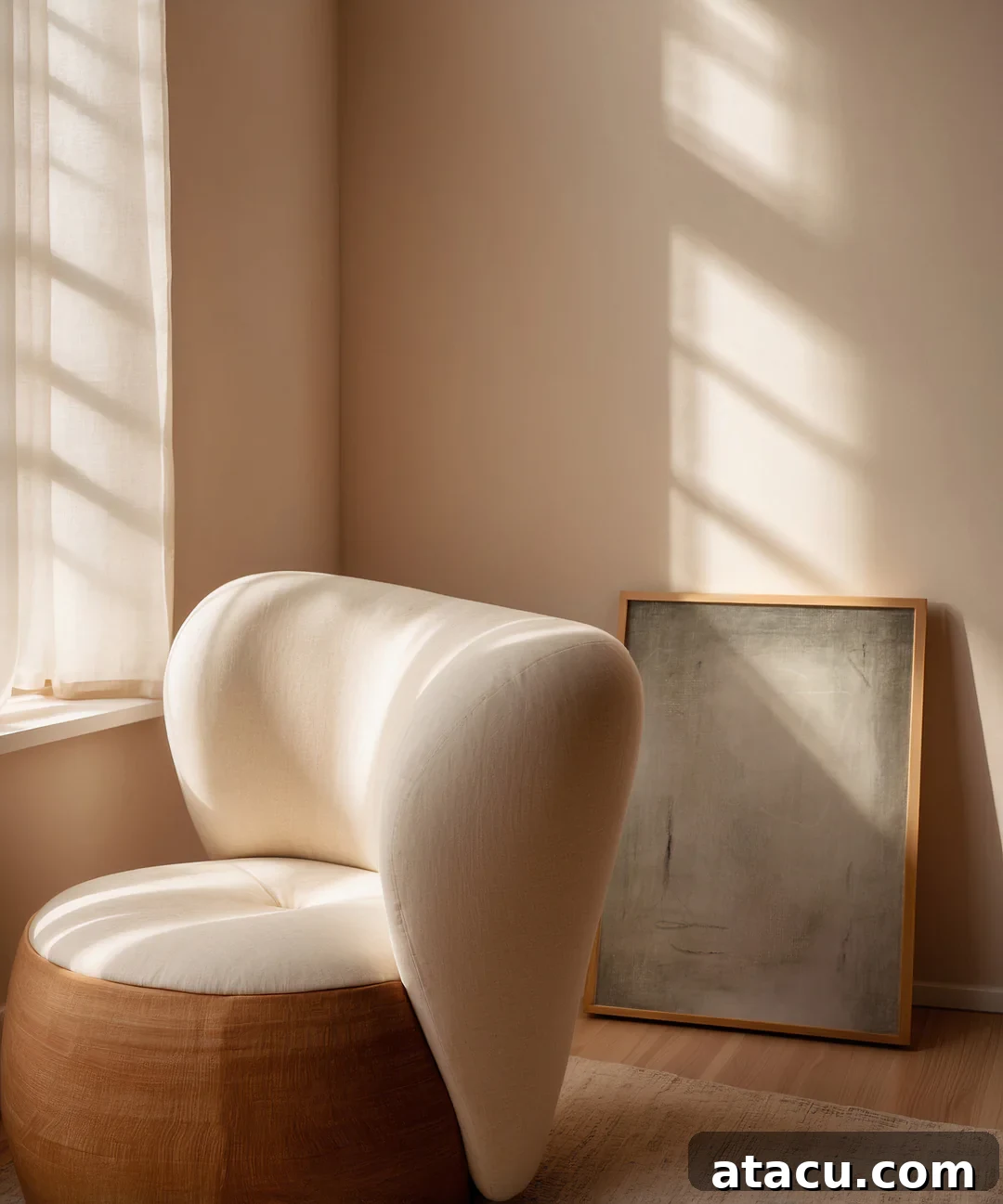
The landscape of interior design, once primarily curated within the glossy pages of high-end magazines, exclusive showrooms, and expert-led trend reports, has undergone a revolutionary transformation. Today, inspiration flows freely and instantly from the vibrant blue screens of Instagram, TikTok, Pinterest, and YouTube. A dynamic new generation of tastemakers is emerging, actively shaping home decoration, among countless other lifestyle aspects, one captivating post, reel, or pin at a time. This shift signifies a profound change in how we discover, interpret, and implement design aesthetics in our personal spaces, making interior styling more accessible and democratic than ever before.
Unlike traditional design gatekeepers such as seasoned editors and creative directors, many of these influential creators are not necessarily formally trained designers or long-standing industry insiders. Instead, they are digital natives who leverage their innate ability to connect directly with vast audiences. They openly share their authentic aesthetics and personal home styling journeys in real-time, effectively breaking the long-standing monopoly of elite design circles. This fundamental change has paved the way for a more fluid, consumer-driven design culture, where individual preferences and relatable experiences hold significant sway, transforming the very essence of home decor.
In this evolving era, where social media personalities drive much of the conversation, the topic of interior design inevitably converges with the rapid cycle of trends. So, what are the most compelling new design concepts and approaches to consider for your next redecoration project? And more importantly, how is the entire realm of interior design being profoundly reshaped under the omnipresent influence of these digital tastemakers? Let’s delve into the fascinating “what” and the transformative “how” of this contemporary design revolution.
The Rise of the Relatable Tastemaker in Home Design
For decades, seeking design inspiration was largely a passive and often aspirational experience. It involved purchasing expensive magazines, leisurely flipping through their pages, or browsing exclusive high-end catalogues, admiring exquisitely curated spreads by professionals—styles and pieces that, for many, remained financially out of reach. Today, your smartphone serves as your immediate, personalized portal to an endless stream of creative ideas. The individuals who meticulously curate your digital feed are not distant authorities but rather highly relatable figures, often sharing their journey from their own homes, fostering a deeper connection and sense of possibility.
These influential creators offer more than just aspirational imagery; they provide an intimate glimpse, a genuine window into their lives and living spaces. Whether it’s a meticulously restyled bedroom corner, a beautifully laid brunch table, an innovative DIY project, or a comprehensive home tour, their content invites you into their world. As an onlooker, you are no longer a passive admirer simply consuming visuals; you become an active participant. You’re screenshotting inspiring concepts, saving posts for future reference, following direct links to products, and actively emulating styles. This dynamic interaction offers a fun, practical, and highly engaging way to adapt what you already own or can acquire to match the accessible aesthetics you constantly see. It’s a continuous, self-perpetuating loop of inspiration leading to imitation, and ultimately, personal adaptation, making good design truly within everyone’s reach.
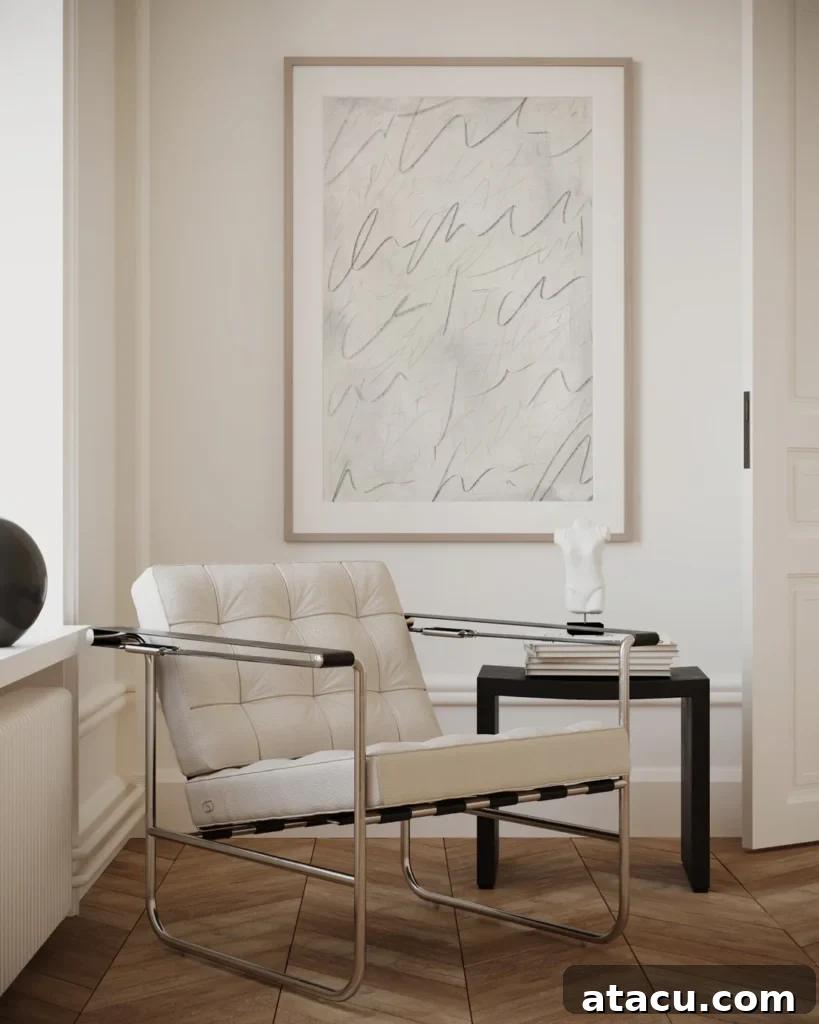
Design Democratized: Breaking Down Barriers and Fostering Creativity
Undoubtedly, one of the most profound and empowering shifts brought about by the influencer era is the genuine democratization of design. The long-held notion that exceptional style is inherently synonymous with exorbitant expense has been permanently dismantled. Influencers consistently demonstrate that remarkable creativity flourishes even within significant constraints, whether it’s navigating limited budgets, personalizing rented apartments where major alterations are prohibited, or maximizing tiny living spaces. They champion ingenious solutions that resonate with the everyday individual, proving that thoughtful design is a matter of ingenuity, not just affluence.
Today, you can readily observe step-by-step processes for transforming a humble secondhand cabinet using nothing more than peel-and-stick wallpaper, or converting a basic IKEA piece into a custom-look masterpiece. This culture emphatically asserts that beautiful design is something to be made, crafted, and curated, rather than simply bought off a showroom floor. This movement arrives at a perfectly opportune moment, coinciding with the peak of the global DIY culture. For countless followers, these digital tastemakers are not distant, unapproachable experts but rather trusted friends who offer practical advice, share personal triumphs and failures, and guide them on how to achieve stunning results on a realistic budget. This blend of accessibility, practicality, and personal connection is incredibly compelling, empowering individuals to take ownership of their living environments.
Aesthetic Meets Algorithm: Designing for the Digital Lens
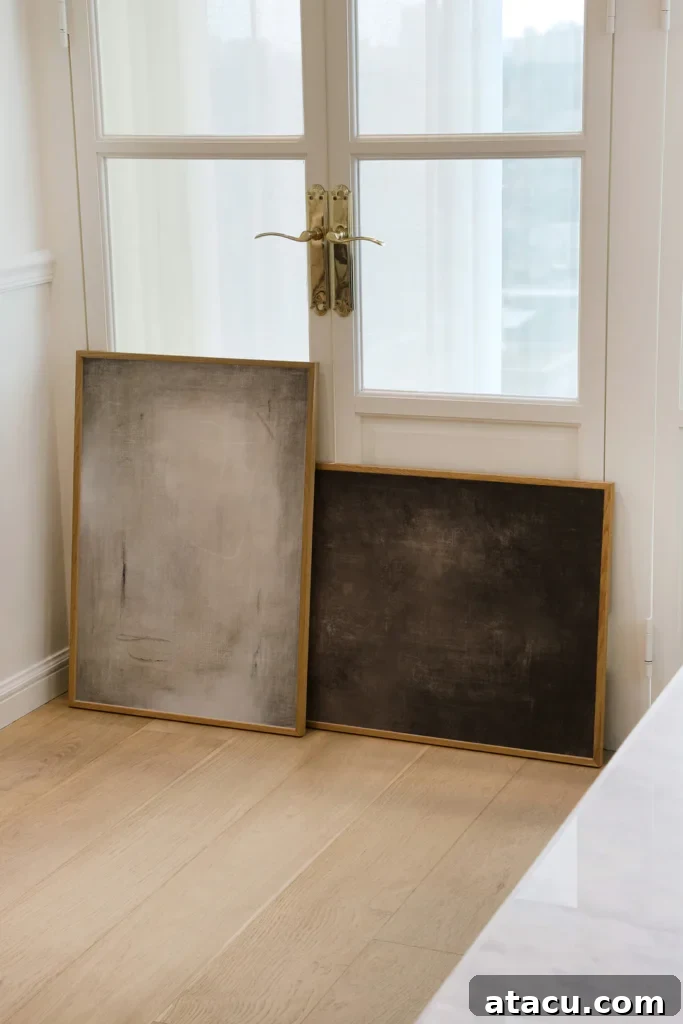
When today’s top design influencers style their spaces, a significant consideration is always the digital ‘grid.’ They inherently favor backdrops characterized by clean lines, optimal lighting, and visually arresting aesthetics designed to halt the endless scroll. The very act of designing and decorating spaces has become more public, more performative, and undeniably iterative. This mindset has given rise to a discernible uptick in ‘Instagrammable’ corners and vignettes across countless homes, often featuring signature elements like oversized mirrors reflecting abundant light, elegantly arched doorways, tactile terrazzo textures, and thoughtfully arranged mood lighting. Furthermore, specific statement pieces—such as sculptural lamps, striking checkerboard rugs, or a perfectly positioned framed canvas print—are frequently incorporated. These are no longer solely private design choices driven by personal preference; they have evolved into recognizable props that skillfully play into the visual language and engagement metrics of social media platforms.
TikTok, in particular, thrives on the rapid proliferation of hyper-specific micro-trends. These include phenomena like charming mushroom lamps, inviting boucle chairs, ubiquitous checkerboard patterns, and dramatic sunset LED lighting. These trends often bypass the traditional elite design circles entirely, instead emerging and gaining traction through viral videos, quick styling hacks shared in under 60 seconds, and user-generated content that emphasizes visual impact. It’s an incredibly dynamic ecosystem, largely created and sustained by influencers, driven by the principles of shareability and what translates most effectively through a camera lens. Nothing more, nothing less. As consumers and users, when we find ourselves inspired by such Instagrammable trends, we, even if subconsciously, begin to approach our own decorating endeavors with a digital audience and potential engagement in mind.
Ultimately, design in the influencer age has become intrinsically linked to engagement. It’s about crafting spaces and cultivating styles that, while still maintaining a personal touch, are also inherently shareable and visually compelling for an online audience. While this emphasis on public presentation might, at times, seem like a potential drawback or a superficial layer within the rich world of interior design, influencers have simultaneously expanded our collective possibilities and broadened our design horizons. The conversation around design is now significantly more open, inclusive, and multifaceted, transforming it into an active dialogue where everyone feels invited and empowered to take part, contributing their unique perspectives and creative expressions.
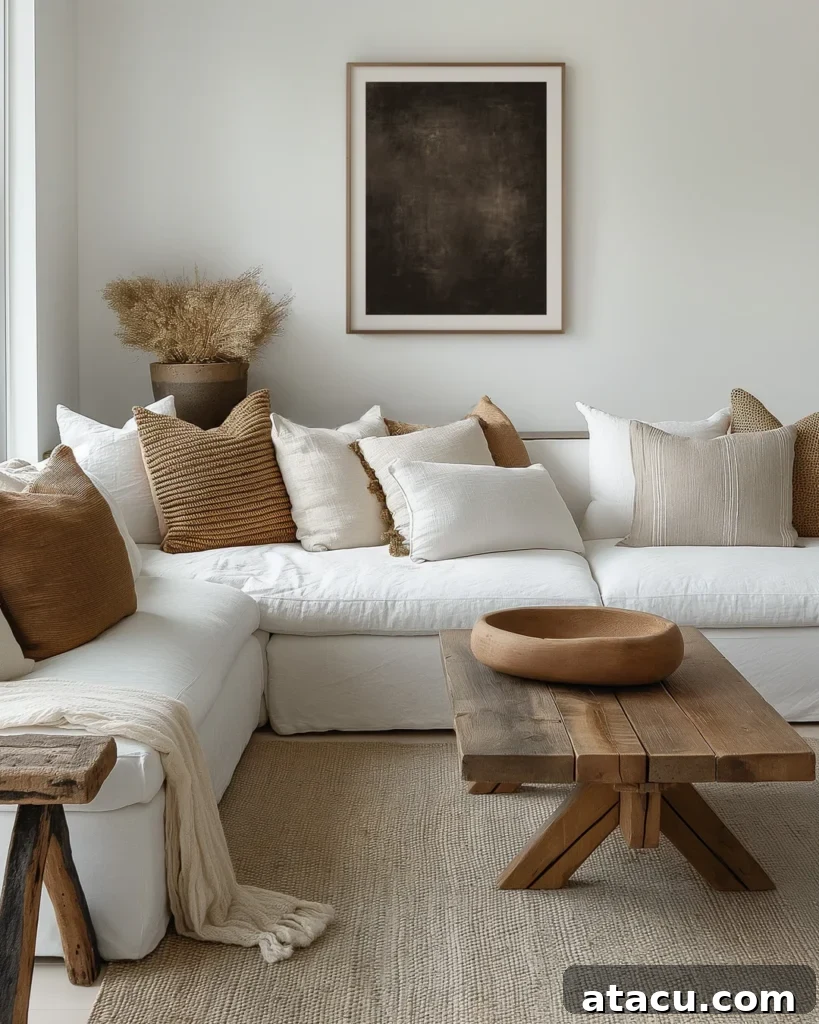
Niche But Mighty: The Power of Specialized Design Influencers
When discussing the profound impact of influencers on design, it’s crucial to recognize that we are not solely referring to the mega-influencers who command millions of followers and dominate mainstream attention. In fact, some of the most exciting and truly innovative design concepts, alongside genuine aesthetic breakthroughs, frequently originate from smaller, highly engaged creators. These micro- and nano-influencers often boast a following of under 100,000, but their true power lies in their ability to cultivate incredibly dedicated, passionate communities built around highly specific aesthetics, niche interests, or unique lifestyle approaches. Their smaller scale often translates to deeper authenticity and more meaningful connections with their audience.
The significant advantage of this burgeoning micro-influencer landscape is its capacity to create vital space for previously underrepresented voices and aesthetics within the design world. These creators are actively challenging and reshaping long-held, often monolithic, standards of beauty, lifestyle, and taste. We now see a flourishing diversity of content: creators showcasing vibrant Afrocentric interiors, passionate vintage enthusiasts unearthing sustainable and unique finds, and ingenious DIY magicians who breathe new life into secondhand furniture through creative upcycling. These niche communities foster a sense of belonging and provide tailored inspiration that larger, more generalized platforms simply cannot offer.
Furthermore, design inspiration is no longer confined by geographical boundaries or limited to purely Western-centric aesthetics. Thanks to the global reach of social platforms, we are witnessing the exciting rise of a truly global design movement. Japanese wabi-sabi influences, characterized by a love for imperfection and natural materials, seamlessly merge with the elegant restraint of London interiors, while Scandinavian minimalism beautifully intertwines with the free-spirited boho flair seen in Los Angeles apartments. This unprecedented cultural exchange has never been more immediate or visually compelling, offering a rich tapestry of styles for everyone to explore. These diverse and dedicated influencers are undeniably at the very heart of this vibrant, cross-cultural creative conversation, broadening horizons and inspiring countless individuals worldwide.
Beyond the Feed: Sustaining Style in a Digital Age
Undoubtedly, the landscape of design has undergone a fundamental transformation, largely thanks to the indelible influence of digital tastemakers. The conversation surrounding interior aesthetics is now wide open, making design more accessible, relatable, and infused with a dynamic new kind of energy. While the aesthetic influence is clearly significant, we must also acknowledge the profound behavioral, commercial, and cultural impacts these creators have on how we perceive and interact with our homes. The shift extends beyond mere visual appeal to how we consume, create, and connect through design.
Yet, amidst all this dynamism and accessibility, a crucial question lingers: Is the rapid pace of trend turnover, often fueled by algorithmic pressures and viral content, leading to a pervasive sense of design fatigue? Are we, as consumers and creators, truly designing with longevity and timelessness in mind, or are we simply caught in a relentless cycle of chasing one “like” after another, perpetually seeking the next fleeting viral aesthetic? This challenge calls for a more conscious approach to home styling, balancing immediate gratification with enduring appeal and personal meaning.
However, this era of pervasive influence isn’t solely confined to design; it profoundly challenges how we think about creativity, community, and commerce across the board. It encourages us to embrace collaboration, to actively listen to the diverse voices within online communities, and to merge intuitive personal expression with groundbreaking innovation. Rather than resisting this powerful wave of digital transformation, traditional designers, established brands, and even individual homeowners might find greater success and fulfillment by learning to ride it. By adapting to new communication channels, valuing authentic connection, and integrating sustainable practices, the future of design promises to be a collaborative journey, rich with endless possibilities for authentic expression and meaningful engagement.