
Rediscovering Home: Essential Lessons from a Changing World
The concept of ‘home’ has always held a special place in our hearts, but recent global events have undeniably reshaped its meaning for many. What was once perhaps taken for granted – a backdrop to our busy lives, a space for aesthetic expression – has profoundly evolved into a primary sanctuary, a hub of community, and a testament to our adaptability. This transformation has prompted a deep reflection on what truly matters within our living spaces. We’ve moved beyond superficial decor choices to embrace a more fundamental understanding: home is, first and foremost, a place where we feel safe, nurtured, and connected. The sheer magnitude of this realization, particularly during times of widespread uncertainty, underscores its profound importance, highlighting a universal human need that transcends design trends and fleeting preferences.
My own relationship with my home has undergone a significant re-evaluation. For years, I viewed it primarily as a project, a canvas for design details, often obsessing over elements like floor choices, paint swatches, or the perfect piece of furniture. While I always considered home a sanctuary, the practicalities of renovation often overshadowed this deeper sentiment. Then, as the world collectively paused, we were all abruptly brought back to basics, reminded of Maslow’s hierarchy of needs. Health, food, shelter, family, and community suddenly became paramount, shifting our focus from aspiration to fundamental well-being. This societal reset offered an invaluable opportunity to strip away the non-essentials and reconnect with the core purpose of our homes.
Spending extended periods within the confines of our homes has fundamentally altered perspectives, not just for me, but for many others as well. This shared experience has forged new connections with our living spaces and the communities around us. While it’s natural to wonder if we’ll revert to old habits once these challenging times pass, the depth of these lessons suggests a more lasting impact. The insights gained are not merely temporary adjustments but profound shifts in how we perceive, utilize, and appreciate the spaces we inhabit.
I am incredibly grateful for the security and comfort my home has provided over the past months. This sense of profound appreciation marks a significant personal transformation. It wasn’t always this way; we initially purchased this house as a “fixer-upper,” a property in basic condition but within our budget and in a desirable location. The early months of tackling extensive renovations were undoubtedly challenging and messy. However, the decision to invest in a smaller, manageable property, avoiding significant debt, proved prescient. It allowed us the financial freedom to undertake renovations that truly reflected our vision and needs, without the added burden of financial strain during unpredictable times. This little house, which once felt like a demanding project, has since revealed its true value, providing everything we genuinely need, even if it doesn’t align with every initial aesthetic desire. It’s a powerful reminder that utility, security, and personal comfort often far outweigh aspirational design in the grand scheme of things. Here are some of the invaluable lessons learned during this period of introspection and global change.
Community Connection: The Heartbeat of Our Neighbourhoods
One of the most heartwarming revelations has been the resurgence of community spirit. Our local area transformed into a hub of genuine connection, a stark contrast to the often-anonymous interactions of pre-pandemic life. Front gardens, once decorative, became extensions of living space, fostering impromptu conversations and strengthening neighbourly bonds. We exchanged homemade cakes, shared plant cuttings, and left books and toys for others to enjoy, creating a vibrant network of mutual support. The sight of young children learning to cycle on quieter streets, a rare occurrence just months prior, symbolized a newfound freedom and safety within our shared environment. This collective experience of living through challenging times together has undoubtedly left an indelible positive imprint, reminding us that strong local communities are not just desirable, but truly essential for our collective well-being and resilience. It’s a testament to the power of human connection, even (or especially) in isolation.
The Indispensable Value of Outdoor Space
While an outdoor space has always been a non-negotiable for me – a primary reason I’ve never considered living in a flat – its significance has multiplied immeasurably. During periods of restricted movement, the garden became an invaluable extension of our home, a vital link to the natural world. Beyond simply having a place to sit and breathe fresh air, the ability to cultivate flowers and vegetables offered profound psychological benefits. The ritual of watering plants each morning and evening provided a much-needed rhythm to otherwise unstructured days, while observing growth from seed to harvest instilled a deep sense of peace, enjoyment, and purpose. This connection to nature, even in a small garden or balcony, proved to be a powerful antidote to anxiety and confinement, fostering mental well-being and a grounding presence when much else felt chaotic. It underscores the importance of integrating green spaces into our daily lives, transforming them from mere amenities into essential elements of a healthy home.
A Well-Stocked Larder: More Than Just Food Security
In times of uncertainty, the simple act of opening a well-stocked larder can provide immense comfort and a tangible sense of security. Beyond the practical assurance of feeding your family, it connects us to a deeper, almost ancestral wisdom. My grandparents, who navigated the privations of wartime, instinctively understood this, always maintaining a pantry brimming with homemade jams, chutneys, and fresh produce from their allotment. This experience fostered a newfound empathy and appreciation for their generation’s resourcefulness. A thoughtfully organized pantry with staples, preserves, and emergency supplies isn’t just about avoiding last-minute grocery runs; it’s about preparedness, resilience, and the comforting knowledge that you have the means to sustain yourself and your loved ones through unforeseen circumstances. It encourages mindful consumption, reduces food waste, and can even inspire culinary creativity, transforming necessity into an enjoyable exploration of new recipes and flavours.
Embracing the Mighty Fridge Freezer: A Game Changer for Modern Living
The purchase of a large fridge freezer just months before lockdown proved to be an unexpected stroke of genius, rapidly transforming into an indispensable ally. This appliance has revolutionized our approach to meal planning, food preservation, and grocery shopping. The ability to store fresh ingredients for extended periods and batch-cook meals has significantly reduced stress, eliminating the daily scramble of deciding “what’s for dinner.” Beyond convenience, it has directly contributed to healthier eating habits; with more ingredients on hand, we’ve naturally gravitated towards making healthier choices and cooking more meals from scratch, moving away from processed foods. This experience has decisively ended my “just-in-time” shopping habits – those frequent, hurried trips for a handful of essentials. Instead, a weekly, well-planned grocery order now provides efficiency, reduces impulse buys, minimizes waste, and offers peace of mind, demonstrating how strategic appliance choices can profoundly impact our daily lives and well-being.
The Joys and Benefits of Growing Your Own Food
While the UK thankfully avoided major food shortages, the initial supermarket rushes highlighted the often-overlooked fragility of our global food supply chains. This served as a powerful jolt for many, myself included, prompting a surge in interest in cultivating our own food. Beyond the resilience it offers, growing your own produce is a remarkably rewarding endeavour, regardless of the scale. Even small steps, like nurturing a few tomatoes or salad leaves on a balcony or a tiny patio, can significantly reduce your environmental impact by cutting down on food miles and packaging. The act of gardening itself is therapeutic, offering a tangible connection to nature and a sense of accomplishment. There’s an unparalleled satisfaction in harvesting fresh herbs, crisp lettuce, or sun-ripened tomatoes directly from your own garden. This practice not only provides fresh, wholesome food but also fosters self-sufficiency, reduces reliance on external systems, and contributes positively to both personal well-being and planetary health. Coupled with a renewed enthusiasm for walking and cycling, it represents a conscious shift towards more sustainable and mindful living.
Creating a Dedicated Work-from-Home Sanctuary
The abrupt shift to widespread remote work underscored the critical need for a dedicated, ergonomic workspace within the home. While I was fortunate to already have a home office, we quickly realized the necessity of establishing a separate, functional area for my partner, Graham, to work from as well. This isn’t merely a matter of convenience; it’s fundamental for maintaining productivity, mental well-being, and physical health over prolonged periods. Working from a kitchen table or sofa might suffice for short bursts, but a properly set up ergonomic space is essential to prevent strain, injury, and burnout. It creates a clear boundary between professional and personal life, fostering focus during work hours and allowing for genuine disconnection afterwards. While not every home can accommodate an elaborate office, the principle remains: carving out a designated zone for work, even a small corner, with appropriate seating and lighting, is an investment in long-term health and efficiency for anyone embracing regular remote work. This lesson will undoubtedly influence future home design, with integrated workspaces becoming a standard rather than a luxury.
Resourcefulness and Repurposing: A New Mindset for Conscious Living
The limitations imposed by restricted shopping and supply chains inadvertently sparked a powerful resurgence of resourcefulness and creativity. We’ve become adept at “shopping our homes” and finding innovative new purposes for existing items, transforming leftover palettes and polycarbonate sheets into a functional cold frame, or repurposing an old kitchen worktop into an additional desk. This mindset extends beyond DIY projects; it has prompted a re-evaluation of consumption habits across the board. I’ve rediscovered forgotten garments at the back of my wardrobe and diligently used up skincare samples and half-empty bottles before contemplating new purchases. While I certainly miss the occasional indulgence, like a visit to the hairdresser or a browse at a beauty store, this period has reinforced the profound satisfaction that comes from making do, repurposing, and embracing what we already possess. It’s a sustainable approach to living that not only saves money but also fosters a deeper appreciation for our belongings and reduces our environmental footprint.
Cultivating New Skills and Embracing Self-Reliance
The past few months instigated a profound shift in focus, redirecting our energy from outward social and professional engagements to the intimate confines of our homes. This inward concentration has been a powerful catalyst for learning and skill development. Whether it was the newfound enthusiasm for baking sourdough bread, the practical satisfaction of cultivating our own vegetables, the necessity of mastering online communication tools for socialising, or tackling DIY projects that would typically be outsourced to tradespeople, we’ve all been challenged to expand our capabilities and become more self-reliant. This isn’t just about practical skills; it’s about fostering a sense of empowerment and resilience. The ability to fix, create, and sustain within our own four walls provides a deep sense of security and accomplishment, proving that adaptability and a willingness to learn are invaluable assets in an ever-changing world. These newly acquired proficiencies are likely to remain long after the immediate need has passed, enriching our lives and reducing dependence on external services.
Adapting Our Spaces for Evolving Routines and Lifestyles
With new routines firmly embedded – from my renewed commitment to regular yoga practice to Graham’s sustained work-from-home schedule – our existing home space required thoughtful reorganization. This period highlighted the dynamic nature of our living environments and their need to adapt to our evolving lifestyles. As we gradually transition into a ‘new normal’, many will undoubtedly reflect on how to permanently reconfigure or even expand their homes to accommodate activities that have now become central to daily life. This foresight suggests a growing trend in home modification, with an increased focus on maximizing every inch of available space. We can anticipate a rise in popular home improvement projects such as loft conversions, garden studios, or dedicated home offices, all aimed at creating more flexible, multi-functional homes that seamlessly support personal well-being, professional demands, and leisure pursuits on a more permanent basis. The home is no longer just a dwelling but a versatile canvas for our entire existence.
Designing for Calm: The Essence of Wellness at Home
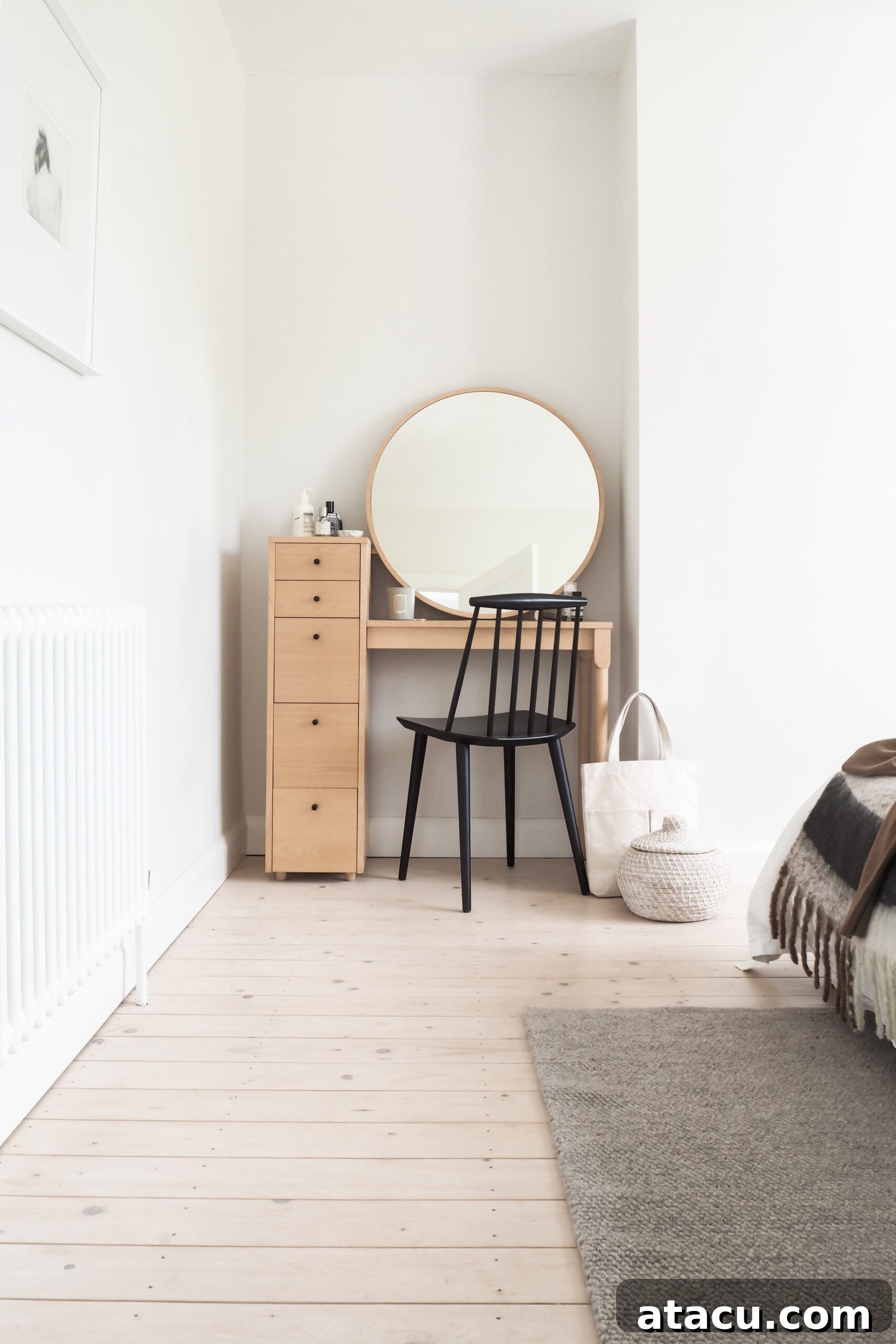
Interestingly, recent interactions on social media have revealed a shift in how people perceive home spaces. When sharing images of my home, comments frequently shifted from purely aesthetic observations to discussions about how the space feels. A recurring sentiment was ‘calm,’ indicating a growing collective desire for environments that soothe and support emotional well-being. While I’ve always strived to create tranquil spaces, the concept of wellness design has undoubtedly resonated with a much broader audience lately. It’s a holistic approach that prioritizes comfort, peace, and mental health, recognizing that our surroundings profoundly impact our inner state. This means considering elements like natural light, soothing colour palettes, decluttering, incorporating plants, and creating quiet zones, all contributing to a sanctuary that actively mitigates anxiety and promotes a sense of serenity in our daily lives. The home has truly become a vital tool for personal resilience and mental fortitude.
Beyond the physical reorganization of my home, I’ve also undertaken a thorough decluttering and restructuring of my digital spaces and social feeds. This conscious effort involved muting or unfollowing content that, for various reasons—be it relatability or differing viewpoints—felt discordant with my current emotional needs. This isn’t a judgment on anyone’s content, but rather a personal choice made in pursuit of emotional well-being, especially during times that have often felt undeniably challenging. Just as I desire my home to be a calm and safe haven, I also strive for my online environment to be a healthy and positive space. The content that truly resonates now is often less about aspirational perfection—lavish designs and grand renovations can feel detached from the reality of a global pandemic. Instead, I find inspiration in those who demonstrate sensitivity, genuine resourcefulness, and profound self-awareness. It’s the ordinary people, living in authentic homes, sharing honest content, and finding joy, positivity, and deep gratitude in the simple, everyday moments, who truly inspire me. Their grounded perspectives serve as a powerful reminder of what truly matters.
In these continuous journeys of adaptation and discovery, let’s prioritize safety, support one another, and continue to cultivate spaces, both physical and digital, that foster resilience, peace, and genuine connection.