
In the nuanced world of interior design, where every detail contributes to the overall ambiance, mastering the art of arrangement is paramount. One of the most understated yet profoundly effective techniques is the principle of styling in odd numbers. Far from being an arbitrary rule, this approach, particularly when utilizing groups of three or five, taps into a fundamental aspect of human perception, creating spaces that feel inherently balanced, dynamic, and visually engaging. By understanding and applying this principle, designers and homeowners alike can elevate their decor from merely functional to truly captivating.
The Undeniable Power of Odd Numbers in Interior Design
There’s a subtle, almost subconscious pull that draws our eyes to groupings of odd numbers. Unlike the predictability of even numbers, which often result in static, formal arrangements, odd groupings inject a sense of lively imbalance and visual intrigue. Our brains are naturally wired to seek patterns and narratives, and an odd number of objects provides just enough complexity to create a visual journey – a story with a distinct beginning, middle, and end, encouraging the eye to move and explore. This dynamic quality is precisely what prevents a space from feeling rigid or overly symmetrical, fostering an atmosphere that is both sophisticated and inviting.
The magic of odd numbers lies in their ability to evoke a feeling of “natural imperfection,” mirroring the organic world around us. Think about how many natural phenomena, from the petals of a flower to the leaves on a stem, defy perfect symmetry. This slight asymmetry in odd groupings creates a sense of movement and visual tension, which paradoxically leads to greater harmony and balance. It challenges the eye just enough to keep it engaged, transforming a simple collection of items into a cohesive and compelling display.
Embracing the Rule of Three: The Foundation of Balanced Styling
The number three is the cornerstone of odd-number styling, often hailed as the “golden number” in design composition. It is the smallest odd number that creates a sense of completeness and visual stability without being overwhelming. A grouping of three objects inherently forms a triangle, a shape that our eyes perceive as naturally balanced and aesthetically pleasing. This triangular composition adds depth and dimension, guiding the viewer’s gaze effortlessly across the arrangement.
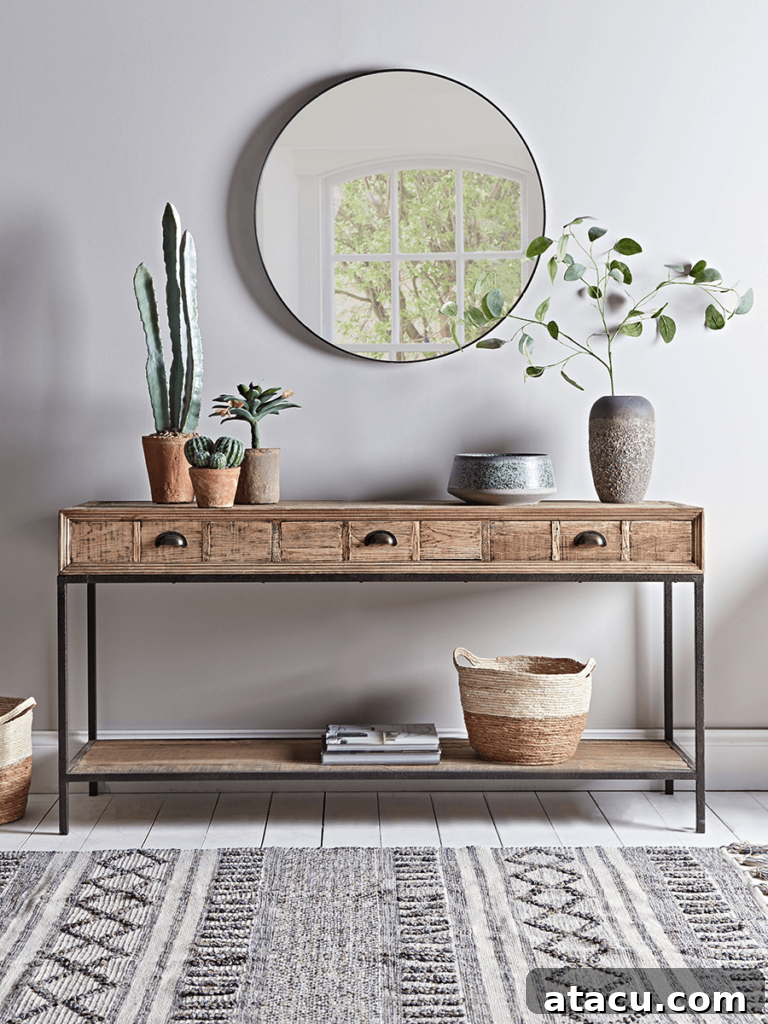
The versatility of the rule of three makes it an indispensable tool for interior designers and home decorators. It provides enough variety to prevent monotony while maintaining a clear sense of purpose and cohesion. Whether you’re decorating a small bedside table or a sprawling console, three thoughtfully chosen items can transform a flat surface into a focal point. The key is to select objects that, while distinct, share a common thread—be it color, texture, material, or style—to ensure the grouping feels intentional rather than haphazard.
For example, the rule of three can be applied in countless scenarios:
- A trio of vases or plant pots, varying in height and shape, arranged on a console table or mantelpiece.
- Three carefully selected books, perhaps with a decorative object or a small plant perched on top, creating an inviting stack.
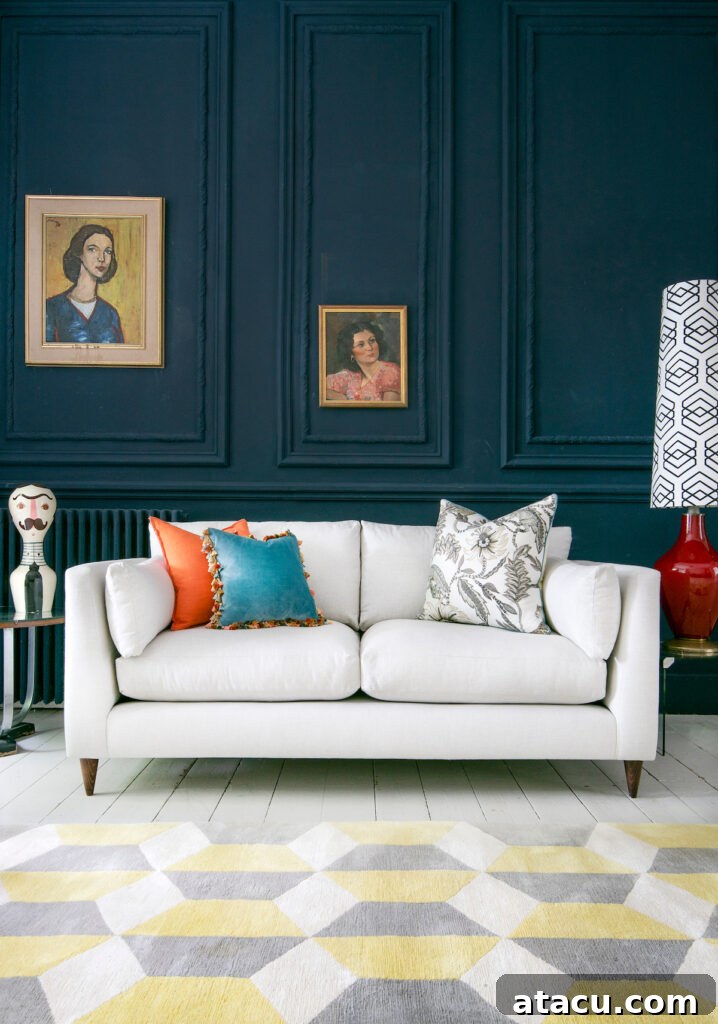
- A sofa adorned with three throw cushions of diverse patterns, textures, and sizes, adding comfort and visual interest.
- On a kitchen counter, a grouping of a utensil holder, a small plant, and a decorative jar can create a functional yet stylish vignette.
- A bedside table can be artfully arranged with a lamp, a small stack of books, and a delicate catch-all dish.
Elevating the Dynamic: The Rule of Five
While the rule of three provides a solid foundation, for larger surfaces or spaces that demand more impact, groups of five take this dynamic energy even further. The number five maintains the inherent visual intrigue of odd numbers but offers a greater scope for complexity and layering. It’s often observed in nature’s most captivating patterns, from the five points of a starfish to the five petals of many flowers, reinforcing its organic appeal.
Styling in groups of five is particularly effective when you want to create a rich, curated look without making the space feel cluttered. It allows for a broader range of textures, heights, and forms to be incorporated, resulting in a more elaborate and sophisticated display. This principle shines on expansive coffee tables, spacious bookshelves, or grand dining tables where a grouping of three might feel sparse. The increased number of elements fosters a deeper visual exploration, inviting the eye to linger and discover each component.
Consider these compelling examples for applying the rule of five:
- Five candlesticks of varying heights and perhaps different materials (metal, glass, wood) arranged as a dramatic centrepiece on a dining table.
- A meticulously styled bookshelf shelf, featuring five diverse objects: a stack of books, a small piece of abstract art, a sculptural item, a decorative box, and a unique plant.
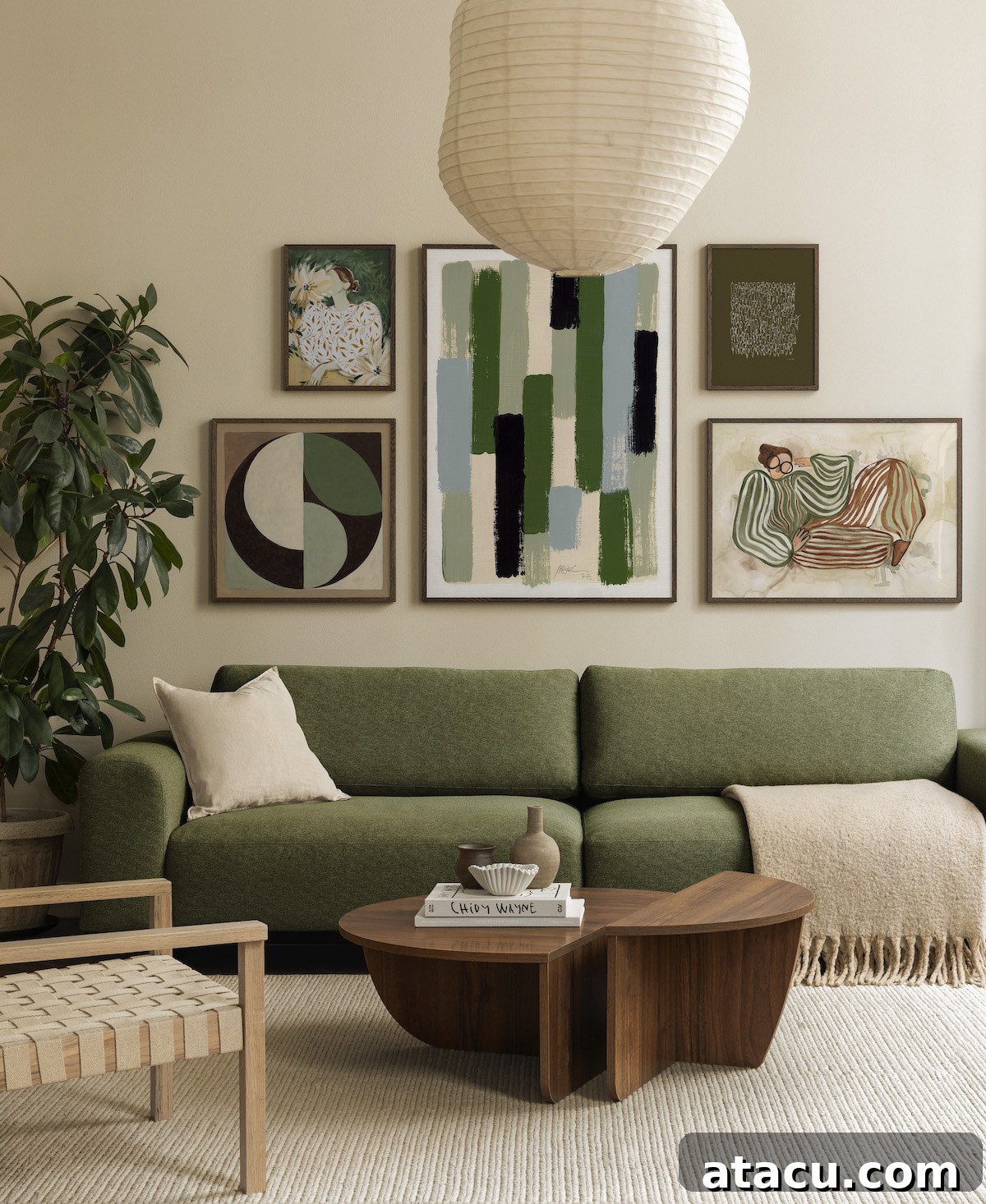
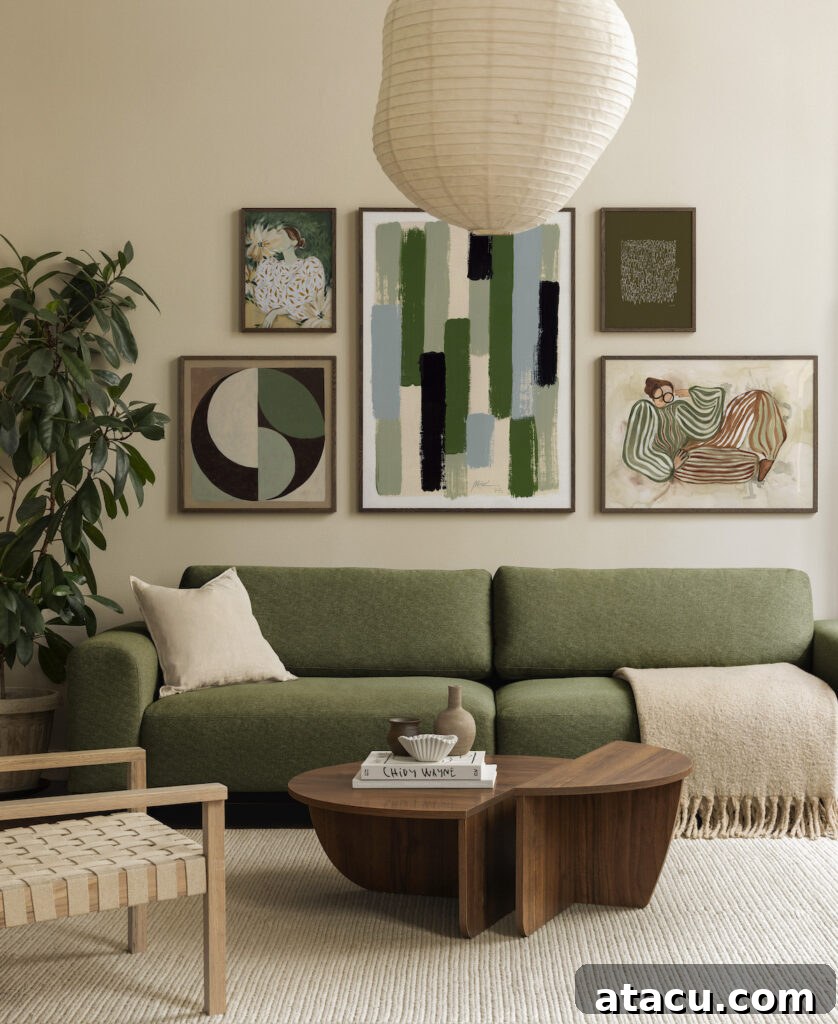
- A cluster of five carefully chosen picture frames, creating an engaging gallery wall that feels personal and artistic.
- On a large ottoman or coffee table, combine a tray with three items, then add two more larger objects around it to complete a dynamic group of five.
- An entryway console can host a lamp, a mirror (counted as one large element), and a grouping of three smaller decorative items like vases, bowls, or plants.
The inherent “slight imbalance” of odd numbers, especially five, feels more authentic and alive. It mimics the natural randomness of life while still adhering to an underlying principle of aesthetic order, making a space feel lived-in and thoughtfully designed rather than starkly arranged.
Mastering the Art: Essential Tips for Styling in Odd Numbers
While the rule of odd numbers is straightforward, its successful application requires attention to detail and a keen eye for balance. These tips will help you create compelling and visually pleasing arrangements throughout your home:
- Vary Heights and Sizes for Depth
- This is perhaps the most critical element for creating dynamic groupings. Objects of varying heights, shapes, and sizes inherently add depth, dimension, and movement to any arrangement. For example, when styling a trio, combine a tall candle holder, a medium-sized decorative bowl, and a small, intriguing sculpture. This creates an inviting landscape for the eye, preventing the arrangement from looking flat or monotonous. Think about creating a “skyline” with your objects, where different heights lead the eye up and down.
- Stick to a Cohesive Theme for Harmony
- While variety is essential, your chosen objects should always share a unifying element. This could be a consistent color palette, similar materials (e.g., all ceramic or all brass), a shared style (e.g., vintage, modern, minimalist), or even a common texture. For instance, style a group of ceramic items in complementary shades of blue and white, or combine objects of different forms that all feature a rustic, distressed finish. This underlying theme ensures that despite their individual differences, the pieces collectively tell a coherent story.
- Utilize Layers to Add Visual Intrigue
- Layering involves placing items at different depths, with some objects slightly in front of or overlapping others. This technique instantly adds sophistication and a curated feel. For example, on a console table, place a smaller decorative object slightly in front of a taller vase or a framed picture. On a bookshelf, allow some items to partially obscure others, creating an illusion of depth and encouraging the viewer to look closer. Layering prevents arrangements from appearing flat and one-dimensional, adding a sense of richness and complexity.
- Embrace Negative Space for Balance
- It’s tempting to fill every available space, but allowing for negative space (the empty areas around and between objects) is crucial for a balanced and visually appealing arrangement. Don’t overcrowd your groupings. Giving each piece room to “breathe” allows it to stand out and contributes to an overall sense of calm and intention. Too many items, even if grouped in odd numbers, can quickly feel cluttered and overwhelming. The negative space acts as a visual pause, allowing the eye to appreciate each element.
- Test Different Combinations Through Experimentation
- Design is often an iterative process. Don’t be afraid to experiment with multiple arrangements. Shift objects slightly, swap items in and out, or even rearrange the entire grouping until it feels naturally cohesive and engaging to your eye. Take a step back and view the arrangement from different angles. What feels balanced to one person might not to another, so trust your intuition and personal aesthetic. The goal is to create a sense of effortless beauty, which often comes from careful trial and error.
- Consider the Context: Scale and Proportion
- Always consider the size of the surface you are decorating and the overall scale of the room. A group of five small objects might be perfect for a wide console, but a large dining table might need a trio of substantial pieces to make an impact. Similarly, ensure the objects within your grouping are proportionate to each other and to the surface they inhabit.
Practical Applications: Styling in Odd Numbers Across Your Home
Let’s explore how to integrate the principle of odd numbers into various spaces within your home:
- Coffee Tables
- A classic approach involves placing a stack of three books, a decorative bowl (perhaps containing a single interesting object or a small plant), and a stylish candle in a triangular arrangement. For a larger coffee table, expand to five elements by adding a small sculpture and a tray to ground the grouping. This creates a functional yet artistic focal point in your living room.
- Shelving and Bookcases
- Instead of uniform rows, vary your arrangements. On one shelf, arrange three decorative objects, while on another, create a more elaborate display with five items that include books, art, and small sculptural pieces. This provides visual variety and prevents your shelving from looking monotonous. Remember to leave some negative space on each shelf.
- Dining Tables
- For a sophisticated centrepiece, style five candlesticks of varying heights down the length of the table, or opt for a trio of vases, each holding a different type of bloom or greenery. During special occasions, you might combine a main floral arrangement with two smaller satellite arrangements or candle groupings.
- Bedside Tables and Dressers
- A bedside table typically benefits from a trio: a lamp, a small stack of books, and a personal item like a framed photo or a jewelry dish. On a longer dresser, you can create two distinct odd-numbered groupings or one larger grouping of five, incorporating a mirror (counting as one large item), a plant, and several decorative accessories.
- Mantelpieces
- A mantelpiece is an ideal canvas for odd-numbered arrangements. You might start with a large piece of artwork or a mirror as your central anchor (often considered one major element), then flank it with a pair of smaller items and a single, unique piece to create an implied group of three or five (e.g., 1 large central + 2 identical + 2 varied = 5). Alternatively, arrange three distinct decorative objects, ensuring varied heights and textures.
Knowing When to Break the Rules: The Power of Intentional Symmetry
While odd numbers offer a powerful guideline for creating dynamic and engaging spaces, design principles are not rigid laws. There are indeed moments when even numbers not only work but are highly effective, particularly when aiming for a classic, formal, or symmetrical aesthetic. The key is to understand the “rule” so you can break it with intention and purpose.
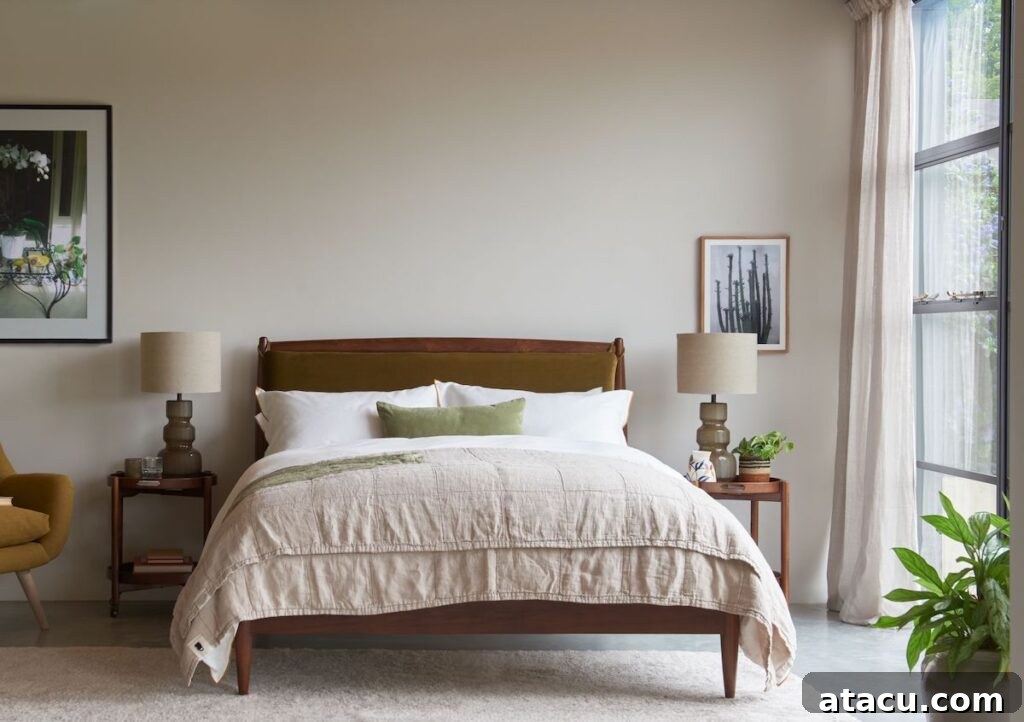
For instance, two matching lamps placed on either side of a bed, a sofa, or a console table create a timeless sense of balance and grandeur. Pairs of identical sconces flanking a mirror or an artwork establish a traditional and stately feel. In these instances, perfect symmetry communicates order, formality, and a sense of enduring elegance. It brings a sense of calm and predictability that can be very desirable in certain contexts, such as a formal dining room or a symmetrical bedroom layout.
The beauty of design lies in its flexibility. By understanding the underlying psychological impact of both odd and even groupings, you gain the freedom to choose the effect you want to create. If you desire energy, movement, and a more organic, collected feel, lean into odd numbers. If your goal is a serene, formal, and perfectly ordered space, symmetrical even groupings will serve you well. Often, the most compelling designs blend both approaches, using odd numbers for decorative vignettes and even numbers for foundational elements like lighting or furniture arrangements.
The Art of Effortless Design: Beyond the Numbers
Ultimately, styling with odd numbers is not about adhering to a strict mathematical formula but about understanding why certain arrangements feel naturally pleasing to the human eye. It’s a tool to help you achieve visual harmony, create focal points, and inject personality into your interiors. This principle helps to create a “curated” rather than a “staged” look, suggesting that items have been collected and arranged over time with thought and care.
Next time you’re faced with an empty surface or a wall needing attention, pause and consider the power of three or five. Notice how simply adjusting the number of objects can dramatically alter the perception of a space, imbuing it with a subtle energy and a sense of movement that draws people in. It’s not about achieving perfection but about crafting environments that feel both intentional and alive, reflecting your personal style and creating an inviting atmosphere.
Many of the most powerful design principles aren’t found in rigid textbooks but are discovered through observation, intuition, and experimentation. By embracing the philosophy behind odd numbers, you are not just following a design trend; you are tapping into a fundamental rhythm of aesthetic balance that makes our living spaces more dynamic, welcoming, and truly resonate with the human experience. Experiment, trust your eye, and watch your interiors transform into beautifully composed works of art.