
Are you tired of skyrocketing energy bills while your home still struggles to stay warm? You’re certainly not alone. Many homeowners face the challenge of inefficient heating systems, leading to discomfort and financial strain. The good news is that achieving a warm, comfortable home doesn’t have to come at the expense of your budget. By implementing a few clever home heating hacks, you can significantly enhance your heating system’s efficiency, reduce energy consumption, and enjoy a cozier living space all winter long.
In this comprehensive guide, Rob Nezard, Managing Director of UKRadiators.com, a leading expert in home heating solutions, shares his top strategies. These expert-approved tips are designed to help you maximize your heating system’s performance, ensuring your home stays warm while keeping your energy costs in check.
“A truly warm home shouldn’t be a luxury that comes with sky-high energy bills,” emphasizes Nezard. “Even small, strategic adjustments to your heating system and daily habits can lead to remarkable improvements in efficiency, ultimately saving homeowners a substantial amount of cash over time.”
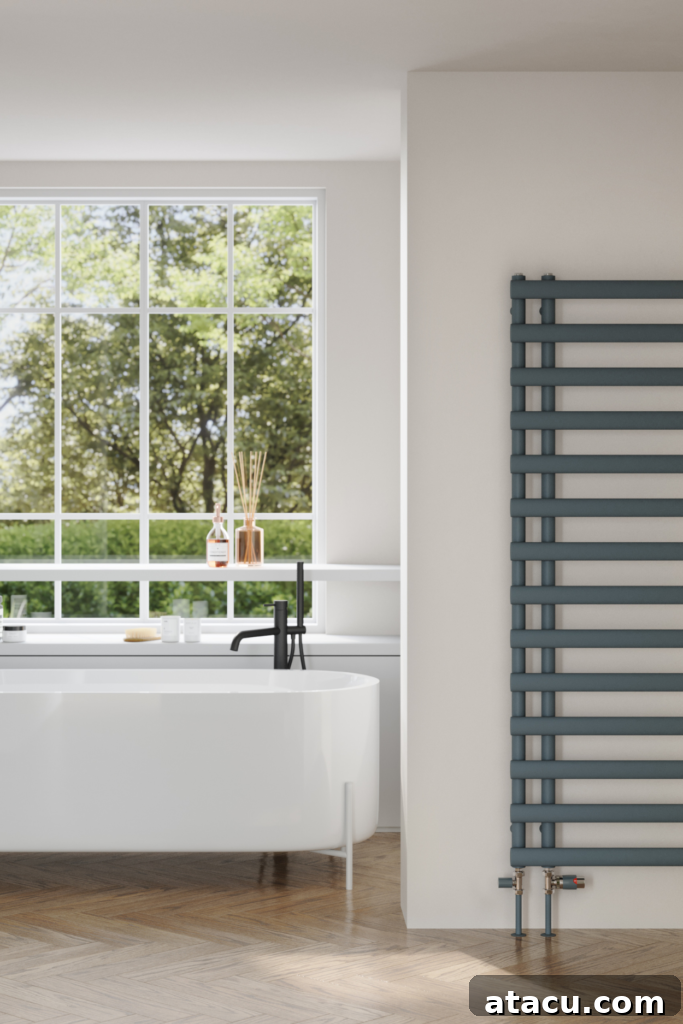
1. Regular Radiator Bleeding: The Unsung Hero of Home Heating Efficiency
One of the most frequently overlooked yet impactful home heating hacks is the routine maintenance of your radiators: bleeding them regularly. Many homeowners are unaware of the hidden inefficiencies caused by trapped air within their heating system. When air pockets form inside your radiators, they prevent hot water from circulating freely and filling the entire unit. This results in cold spots on your radiator, meaning it’s not operating at its full capacity to heat your room.
Nezard explains, “Air in the radiators effectively creates a barrier, stopping the hot water from distributing heat effectively. This means your radiator isn’t utilizing its full potential. Consequently, the room will struggle to reach your desired temperature, causing your thermostat to continuously signal the boiler to work harder, never quite reaching the set point to switch off.” This constant cycling and underperformance lead to wasted energy and higher bills.
To ensure optimal heat distribution and energy efficiency, make it a habit to inspect your radiators monthly. Feel for any cold spots, especially at the top of the radiator. If you detect cold areas, it’s a clear indication that bleeding is necessary. The process is simple: using a radiator key, carefully open the valve at the top of the radiator until you hear a hissing sound (this is the trapped air escaping). Once water starts to come out steadily, close the valve. Remember to place a cloth and a small bowl underneath to catch any drips. This quick, simple task can dramatically improve your heating system’s performance, ensuring your rooms warm up faster and your boiler works less, leading to noticeable savings on your energy bills.
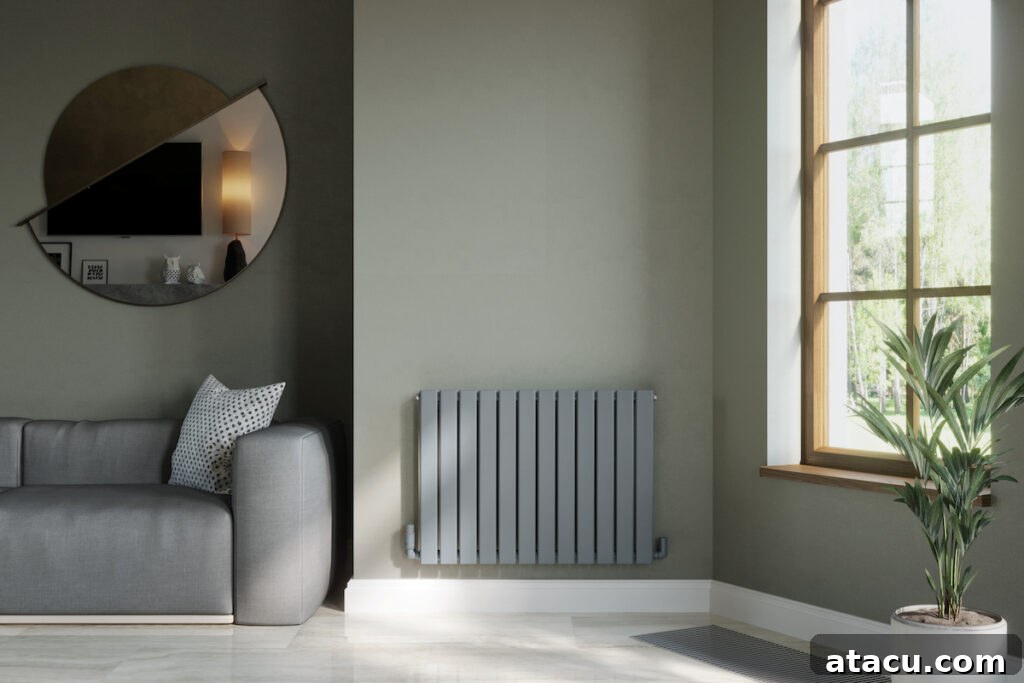
2. Optimise Your Furniture Arrangement for Better Heat Distribution
The way you arrange your furniture might be inadvertently sabotaging your home’s heating efficiency. While a beautifully decorated room is desirable, placing large items of furniture directly in front of radiators can significantly impede heat distribution and airflow. Radiators primarily heat a room through convection, where warm air rises, circulates, and then cools as it travels around the space. When a radiator is blocked, this natural convection current is disrupted.
“You end up paying to heat the back of your sofa or the underside of your curtains, not the entire room,” warns Nezard. “An unobstructed radiator will always be far more effective at heating a room than one with furniture or heavy drapes in front of it.” The furniture absorbs the radiant heat and blocks the warm air from circulating freely into the room, trapping it instead in the small space between the radiator and the obstruction. This not only makes your heating system less effective but also means your boiler has to work harder and for longer periods to reach the desired temperature, consuming more energy.
To maximize heating efficiency and ensure optimal winter warmth, consider rearranging your room layout. Aim to keep a clear space of at least 6-12 inches (15-30 cm) around your radiators. If space is tight, explore options like radiator shelves, which can gently deflect heat outwards into the room rather than letting it rise directly up the wall. Ensure curtains are not draped over radiators, as this creates a ‘heat trap’ that prevents warmth from entering the room. By allowing proper airflow and heat circulation, you can significantly improve your home’s thermal comfort and reduce your energy consumption, making this a simple yet highly effective home heating hack.
3. Heat Your Home Only When and Where It’s Needed
In the era of modern heating technology, constant 24/7 operation is a relic of the past and a major drain on your energy budget. One of the smartest home heating hacks is to align your heating schedule precisely with your daily routine. Why pay to heat an empty house? Implementing a smart and efficient heating schedule can dramatically reduce your energy consumption without sacrificing comfort.
“If you’re out for most of the day, there’s simply no logical reason for your home to be heated until you’re back,” advises Nezard. Heating an unoccupied space is pure waste. Instead, invest in a smart thermostat, which represents a significant leap forward in energy management. These intelligent devices can learn your schedule, adapt to your preferences, and even be controlled remotely via your smartphone. Many smart thermostats offer features like geofencing, which turns off the heating when you leave the house and reactivates it as you approach, or zoning capabilities, allowing you to heat only the rooms you’re using. This level of control ensures that warmth is delivered precisely when and where it’s needed, eliminating unnecessary heating of empty rooms or during periods when everyone is away.
Even without a full smart thermostat system, a modern programmable thermostat can still offer substantial savings. Set it to turn the heating on shortly before you wake up and arrive home, and to lower the temperature or switch off when you’re asleep or out. Gradual adjustments, even by just a degree or two, can collectively lead to significant energy bill reductions over the colder months. This strategic approach to heating ensures maximum comfort with minimal energy waste, making it a cornerstone of efficient home heating.
4. Address Leaky Radiators and System Malfunctions Promptly
Ignoring minor issues within your heating system, such as a leaky radiator or a strange noise from your boiler, is a costly mistake. Don’t wait for a complete breakdown to address these problems. Even small inefficiencies can have a surprisingly significant impact on your energy consumption and, consequently, your heating bills. A seemingly minor drip from a radiator, for instance, can lead to a gradual loss of pressure in your central heating system. This forces your boiler to work harder to maintain pressure and circulate hot water, using more fuel than necessary.
According to Nezard, “If something in your heating system is leaking, making unusual noises, or simply not working properly, it’s almost certainly going to be wasting your money on your energy bills.” Beyond direct energy waste, unresolved leaks can lead to water damage, rust, and further deterioration of your system, potentially resulting in more expensive repairs down the line. A consistently underperforming component can also place additional strain on other parts of your heating system, shortening its overall lifespan.
To avoid these pitfalls and ensure your heating system runs at peak efficiency, preventative maintenance is crucial. Schedule annual professional maintenance checks for your boiler and heating system, ideally before the winter season truly begins. A qualified engineer can identify and fix minor issues before they escalate, check for leaks, bleed your system, and ensure all components are working harmoniously. This proactive approach is one of the most effective home heating hacks, protecting your investment, ensuring reliable warmth, and significantly contributing to lower energy bills throughout the colder months.
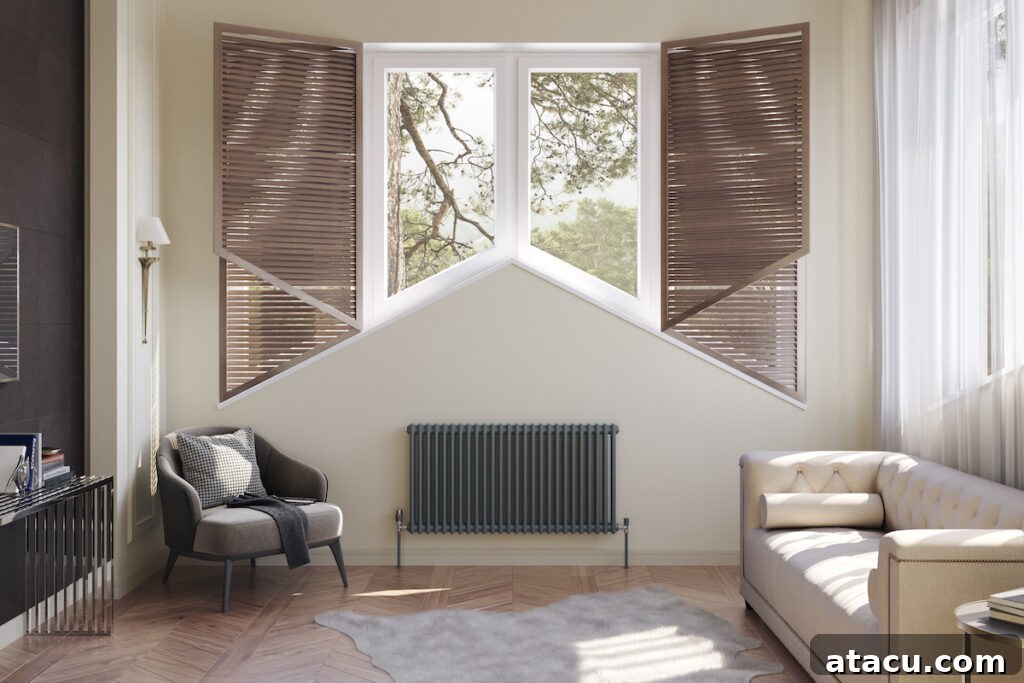
5. Harness the Power of Natural Sunlight: Your Free Heating Source
Here’s a fantastic zero-cost home heating hack that leverages nature’s own energy: passive solar heating. During daylight hours, especially on sunny winter days, your windows can become powerful conduits for warmth. By simply opening your curtains, blinds, or shutters, you allow the sun’s radiant energy to stream directly into your home, naturally warming your floors, walls, and furniture. These surfaces then absorb and slowly release this heat, acting like natural storage heaters.
This passive solar gain can significantly reduce your reliance on your artificial heating system during peak daylight hours, saving you money without any effort. It’s particularly effective for south-facing windows, which receive the most direct sunlight throughout the day. However, even east and west-facing windows can contribute valuable warmth in the mornings and afternoons, respectively. The key is to maximize this natural heat input when it’s available.
The trick, however, is to reverse this strategy as soon as the sun sets. As evening approaches and temperatures drop, promptly close your curtains and shutters. Thick, thermal-lined curtains are especially effective at providing an extra layer of insulation against cold windows, trapping the accumulated warmth inside your home and preventing heat loss. Think of your curtains as blankets for your windows – open them for warmth during the day, and close them tightly to keep that warmth in at night. This simple, mindful adjustment to your daily routine can make a noticeable difference in maintaining a comfortable indoor temperature and reducing your energy bills.
6. Optimise Your Energy Tariff for Smarter Savings
While many home heating hacks focus on the physical aspects of your system, a crucial, often overlooked area for significant savings lies in understanding and strategically managing your energy tariff. Your choice of energy provider and tariff can have a profound impact on your annual energy expenditure. Many homeowners stick with the same tariff for years without realizing they could be on a more cost-effective plan tailored to their usage patterns.
Take, for instance, “time-of-use” tariffs like Economy 7 or Economy 10, common in many regions. These tariffs offer different rates for electricity consumed at various times of the day, with significantly lower prices during off-peak hours (typically overnight). If you’re on such a tariff, optimizing your energy usage by scheduling energy-intensive activities – such as running your washing machine, dishwasher, or even charging electric vehicles – during these cheaper off-peak windows can lead to substantial savings. This strategic approach effectively lowers the unit cost of your energy consumption without requiring you to reduce usage overall.
Beyond specific tariffs, it’s always wise to regularly compare energy providers and their current offerings. The energy market is dynamic, and new, more competitive deals often emerge. Utilize online comparison websites to review different suppliers, tariff types (fixed vs. variable, green tariffs), and the projected costs based on your household’s energy consumption. Don’t hesitate to switch providers if a better deal is available, as switching is often much simpler than many people imagine. Regularly reviewing your energy bills and understanding your consumption habits in relation to your tariff can empower you to make informed decisions that result in continuous, substantial savings on your energy bills.

7. Combat Heat Loss: The Foundation of a Truly Warm Home
One of the fundamental principles of efficient home heating is understanding and actively combating heat loss. Warm air naturally rises and will always seek to escape your home through the path of least resistance – be it poorly insulated walls, an uninsulated loft, drafty windows, or gaps around doors. This continuous cycle of heat escaping and your heating system replacing it is the primary reason for high energy bills and a perpetually chilly interior.
“Good insulation acts as a crucial barrier, significantly slowing down the rate at which warm air escapes your home,” points out Nezard. “While we can’t completely stop heat from leaving, our goal is to retain it inside for as long as humanly possible, especially since we’ve already paid to heat it up.” Effective insulation in your loft, cavity walls, and even under your floors creates a thermal envelope that keeps the precious warmth indoors. If your home lacks adequate insulation, this should be a top priority among your home heating hacks, as it offers one of the best returns on investment for long-term energy savings.
Beyond structural insulation, consider everyday habits and smaller upgrades. Minimize the time doors are left open, especially between heated and unheated zones. Installing simple door closers on frequently used doors can prevent unnecessary heat loss. Thermal curtains or blinds can add an extra layer of insulation to your windows, which are notorious for heat leakage. For external doors, ensure they are well-sealed and consider adding heavy draft excluders at the base. By fortifying your home against heat loss, you ensure that the warmth you generate stays where it belongs – inside, keeping you cozy and reducing your heating system’s workload.
8. Effectively Draft-Proof Your Space for Instant Warmth and Savings
While insulation addresses large-scale heat loss through walls and roofs, draft-proofing tackles the subtle yet significant heat escape through small cracks and gaps. These seemingly insignificant drafts can lead to surprisingly large heat losses, creating cold spots and making your home feel much colder than the thermostat reading suggests. The good news is that draft-proofing is often one of the cheapest and most impactful home heating hacks you can implement, requiring minimal investment for maximum return.
“Insulation doesn’t have to break the bank,” emphasizes Nezard. “Even repurposing old quilts and blankets in your loft or over drafty windows can act as temporary insulation, helping to keep some heat in.” However, permanent draft-proofing solutions are even better. Focus on common draft entry points:
- Windows and Doors: Use self-adhesive foam strips, rubber seals, or brush strips around frames. For windows, consider applying clear plastic film kits, especially for older, single-glazed units.
- Letterboxes and Keyholes: Install brush or flap seals on letterboxes and use keyhole covers.
- Floorboards and Skirting Boards: Fill gaps with caulk or specialist gap fillers.
- Unused Chimneys: Install a chimney balloon or cap to prevent warm air from escaping and cold air from entering.
- Pipework and Electrical Outlets: Seal any gaps around pipes entering or exiting walls, and consider using foam gaskets behind electrical outlet and light switch plates on external walls.
These DIY solutions are typically inexpensive, easy to install, and can make an immediate difference in the comfort level of your home. By sealing up these sneaky entry points for cold air, you’ll prevent drafts, ensure your heated air stays put, and significantly reduce the strain on your heating system, translating directly into lower energy bills and a noticeably warmer living environment.

By thoughtfully implementing these smart home heating hacks, you can transform your living space into a haven of comfort and warmth, all while significantly reducing your energy consumption and shrinking those daunting energy bills. The true secret to achieving superior heating efficiency and maintaining a cozy home throughout the colder months lies not in relying on a single solution, but in combining multiple strategies and maintaining them consistently.
Regular maintenance, smart usage, proactive fixes, and leveraging natural resources all play a vital role. Remember, even small changes can lead to substantial long-term savings and a much more comfortable home environment. Embrace these tips to create a more sustainable and cost-effective approach to keeping your home warm.
Have you tried any of these home heating hacks, or perhaps discovered some unique strategies of your own? Share your experiences and additional valuable tips in the comments section below! Your insights could help other homeowners achieve greater comfort and savings.
Images courtesy of UK Radiators
Save to Pinterest