
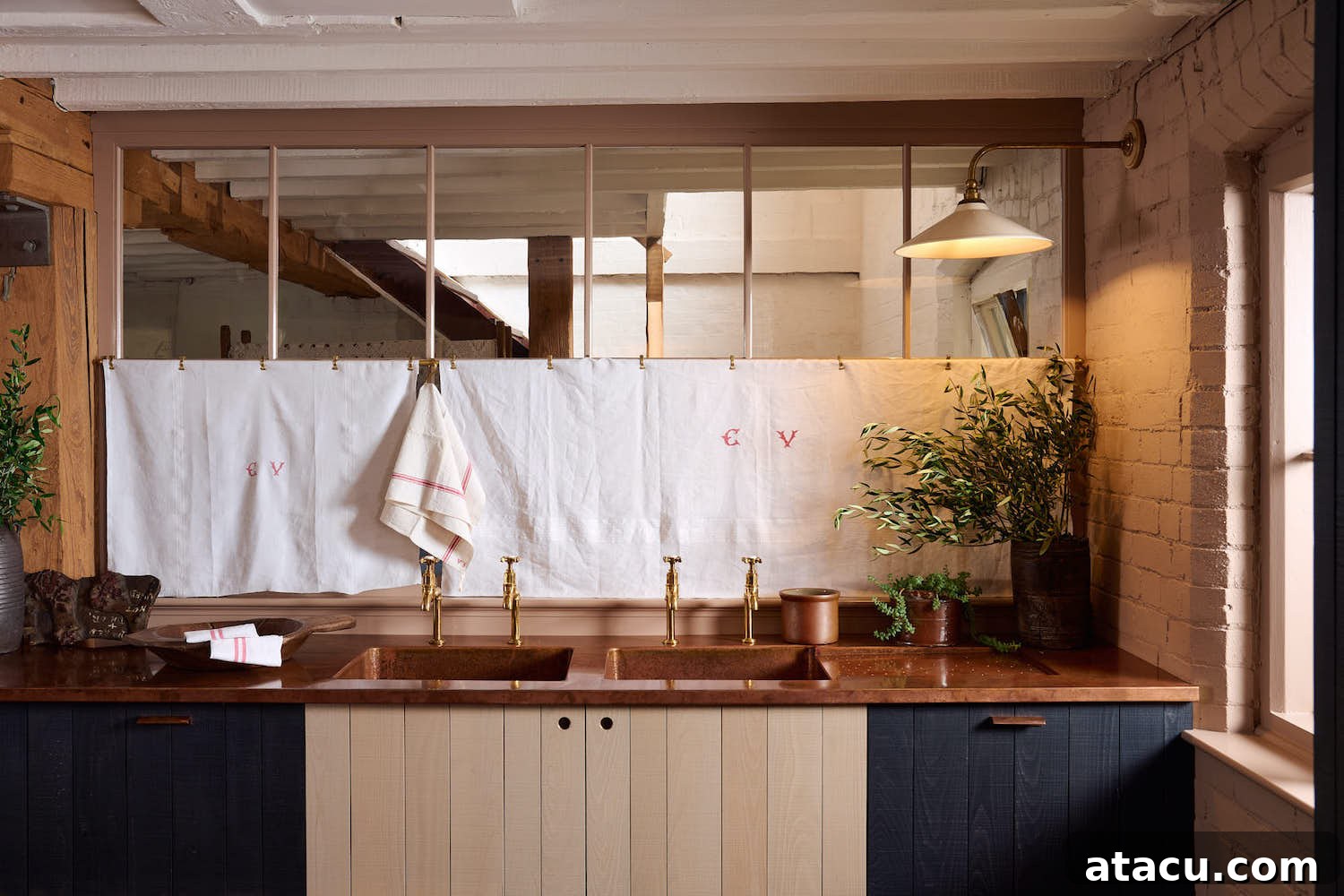
Copper worktops are experiencing a surge in popularity, captivating homeowners who seek to infuse their kitchens with a unique blend of luxury, warmth, and distinctive character. It’s easy to understand the immense appeal; imagine starting your day greeted by the rich, warm glow of a meticulously crafted copper countertop, radiating an inviting ambiance that transforms the heart of your home.
However, before you fully commit to the enchanting vision of copper counters that might be gracing your kitchen inspiration board, it’s essential to embark on an honest exploration of what truly comes with integrating copper worktops into your daily life. This isn’t merely about aesthetics; it’s about understanding the practicalities, the commitment, and the long-term relationship you’ll develop with this extraordinary material.
The crucial question remains: do the undeniable beauty and functional performance of copper genuinely justify its premium price tag? Or would more conventional yet highly effective alternatives such as quartz, granite, Corian, or stainless steel present a more pragmatic and economically sensible choice, better aligned with your actual cooking habits and lifestyle demands?
This comprehensive guide aims to empower you with the insights needed to determine if copper truly is the optimal material choice for your unique kitchen and your personal lifestyle. We will meticulously delve into both the advantages and potential drawbacks, covering critical aspects like initial costs, long-term durability, and essential maintenance routines. Our goal is to equip you with the knowledge to confidently decide whether those coveted, Pinterest-worthy copper worktop dreams should transition from aspiration to reality.
Prepare to take notes as we explore every facet of copper worktops!
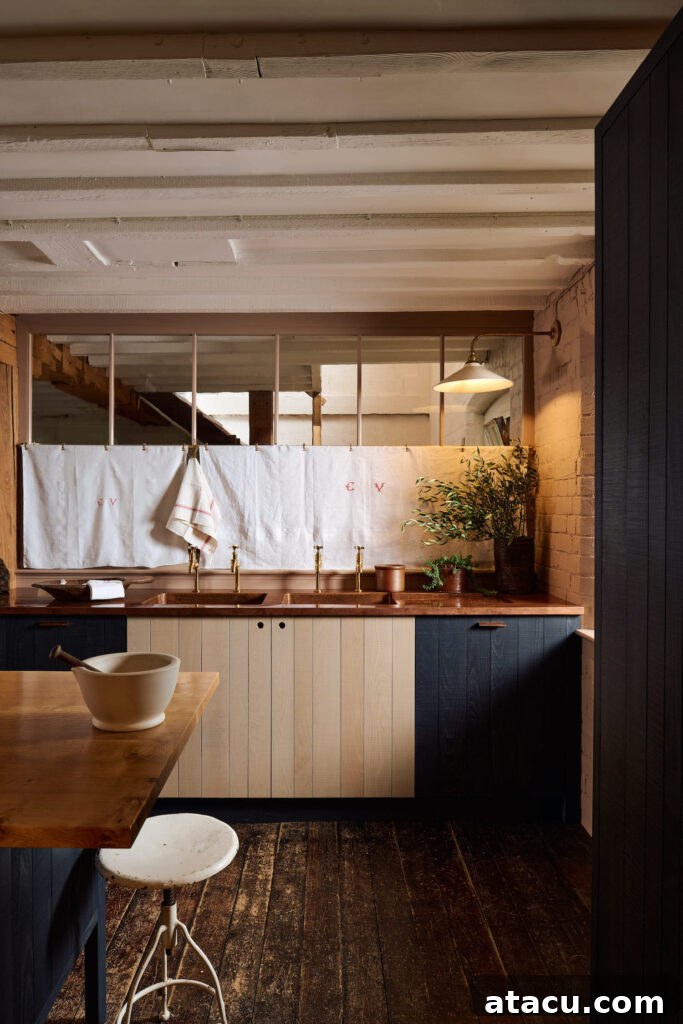
Are Copper Worktops Practical for Everyday Kitchen Use?
Beyond its undeniable aesthetic appeal, the true test for any kitchen worktop lies in its day-to-day practicality. Kitchen surfaces are not merely decorative elements; they are highly functional zones that must endure years of rigorous activity, including slicing, dicing, kneading, chopping, and the inevitable spills and splashes. So, the pivotal question is: can copper truly stand up to the demands of a busy kitchen, proving itself a functional, durable, and reliable option for spaces that experience serious culinary action?
Let’s begin by examining durability. Copper generally earns a commendable rating when it comes to longevity. It is an inherently strong metal, boasting impressive resistance to cracking or breaking under typical kitchen pressures. However, it’s crucial to acknowledge that copper is softer than some other commonly used metals, such as stainless steel. This inherent softness makes it more susceptible to superficial scratches and minor dents from sharp utensils or heavy pots dropped carelessly. While these marks contribute to its “living finish,” they are an important consideration for those seeking a perpetually pristine surface.
A significant and often understated advantage of copper is its natural antimicrobial quality. Extensive scientific studies have consistently demonstrated that copper surfaces possess the remarkable ability to actively inhibit the growth and spread of various bacteria, yeasts, and viruses. This inherent property can play a vital role in enhancing kitchen hygiene and significantly reducing the risk of food-borne illnesses, making it a compelling choice for health-conscious homeowners.
When it comes to handling heat, copper kitchen countertops perform exceptionally well. They can comfortably withstand high temperatures, making them perfectly suitable for placing hot pots, pans, or baking sheets directly from the oven. Copper is an excellent thermal conductor, meaning it dissipates heat efficiently. However, it’s always advisable to exercise caution and use trivets or heat pads for extremely hot items to prevent potential thermal shock or localized discoloration over time, ensuring the long-term beauty of your surface.
Finally, another practical aspect to consider is noise. While not a functional drawback in terms of performance, copper surfaces can amplify sounds. Dropped utensils, the clatter of pots, or even running water may create a more resonant sound compared to quieter materials like laminate or solid surface worktops. This characteristic might be a factor for those with open-plan kitchen and living areas, where sound absorption is a key design consideration.
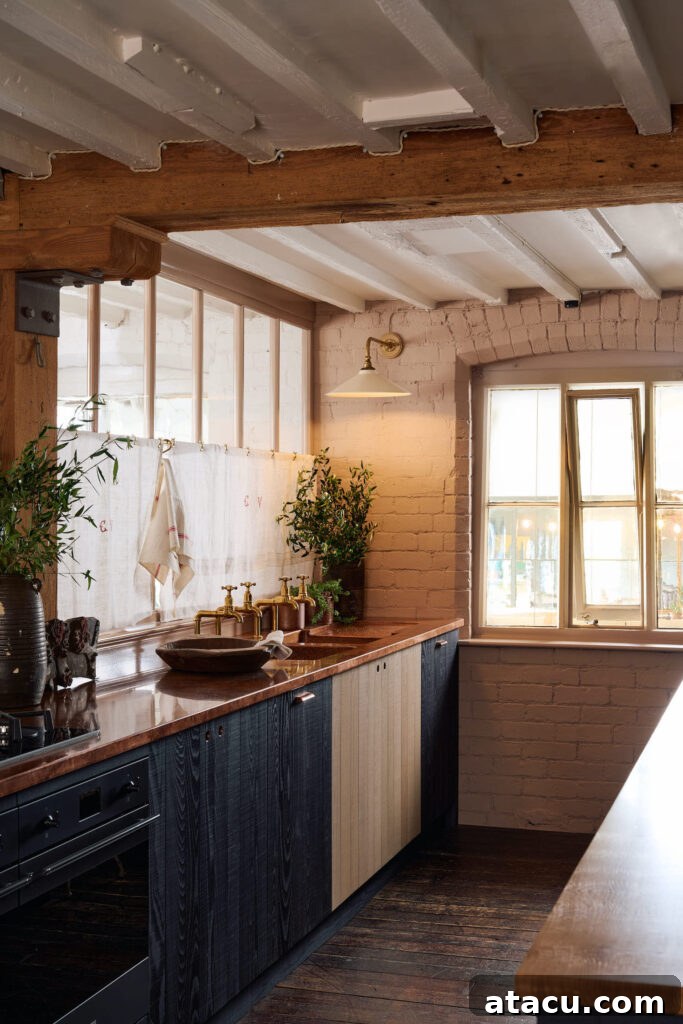
What are the Disadvantages of Copper Worktops?
Having explored copper’s inherent strength, its invaluable antimicrobial properties, and its head-turning beauty, it’s equally important to present a balanced perspective by addressing the common downsides. These potential drawbacks should be carefully factored into your decision-making process to ensure a truly informed choice.
The primary downside, as touched upon, is that copper can scratch and dent fairly easily. If heavy pans are dragged across the surface, or if sharp utensils are used without a cutting board, visible marks can appear. While diligent everyday use, such as lifting rather than sliding items, will help prevent excessive scuffs and scratches, maintaining that initial pristine, glossy lustre requires consistent care. Occasional polishing can help restore lost shine, but deeper scratches often require more specialized attention.
Another significant consideration is copper’s reactivity to acids. If spills such as citrus juices, vinegar, wine, or tomato-based sauces are left on the surface for too long, they will chemically react with the copper, leaving behind distinct discolourations or “etch marks.” These marks are a form of accelerated patina and can be challenging to remove entirely, often requiring specialized cleaners or gentle abrasion to blend them back into the surrounding surface. This necessitates immediate and thorough wiping of spills, adding an extra layer of maintenance compared to non-reactive surfaces.
Repairing significant damage, such as deep dents or extensive scratches, often proves more challenging and costly compared to materials like stainless steel or quartz. Due to copper’s delicate nature and its unique “living finish,” smoothing out imperfections typically requires the finesse and expertise of a professional artisan or a specialized copper repair technician. DIY repairs can sometimes worsen the problem, making professional intervention advisable for preserving the worktop’s integrity and appearance.
As previously mentioned, while beautiful to behold, copper does possess sound-amplifying properties. This means that noises such as dropped utensils, the clanking of dishes, or even the flow of running water can resonate more loudly. For homeowners with open-plan kitchen and living areas, where noise transmission is a concern, this characteristic might make copper a less ideal choice, potentially impacting the overall acoustic comfort of the space.
Ultimately, like most significant home improvement choices, opting for copper worktops involves a trade-off. Determining if copper is “worth it,” given its higher initial costs, ongoing maintenance requirements, and specific characteristics, fundamentally comes down to your individual priorities, aesthetic preferences, and willingness to embrace a material that truly evolves with time and use.
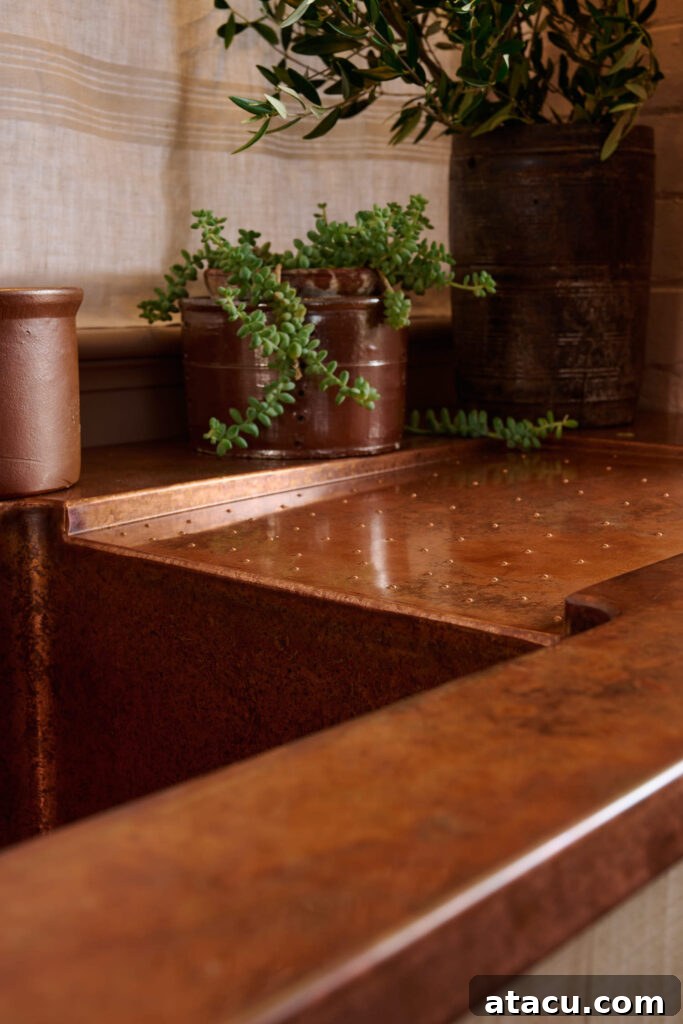
Are Copper Worktops an Expensive Investment?
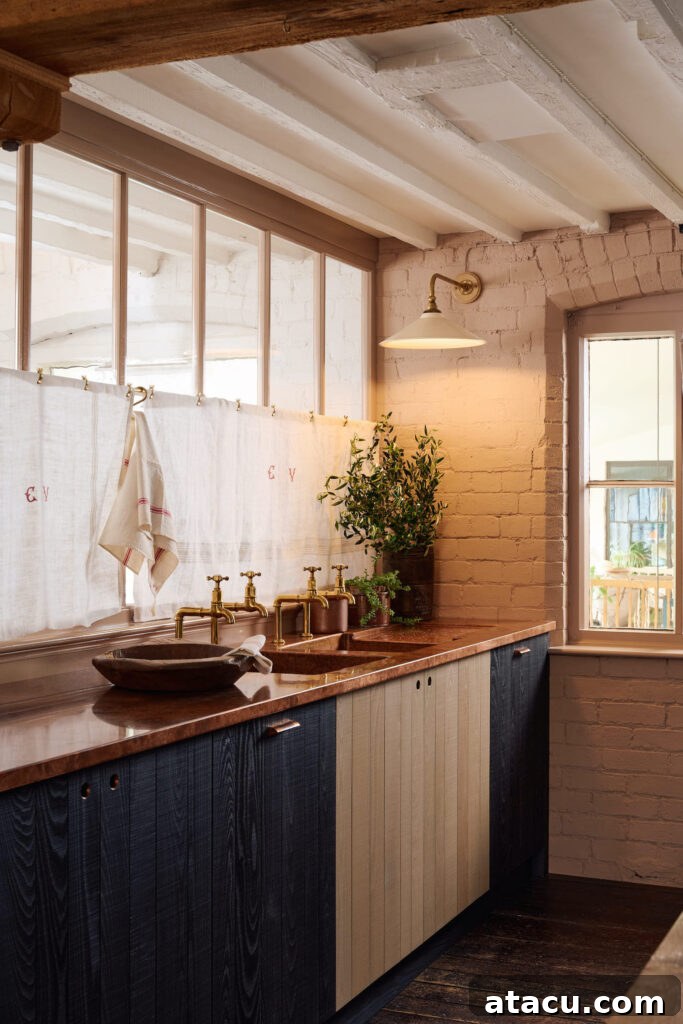
There’s no circumventing the fact that copper worktops firmly reside on the higher end of the pricing spectrum when compared to most other kitchen surface materials. Between the cost of the raw material itself, the specialized fabrication process, and expert installation, homeowners are looking at a substantial upfront investment. This significant financial outlay alone is often the primary factor that steers many towards more budget-friendly alternatives.
Indeed, a copper worktop is an undeniable splurge. However, proponents passionately argue that natural copper offers an unparalleled distinction that factory-fabricated or engineered materials simply cannot replicate. It delivers a striking, one-of-a-kind beauty that not only holds its value but inherently enhances and deepens its character over time. This evolution, known as patination, transforms the surface into a truly bespoke element unique to your home and lifestyle.
When evaluating such a significant home improvement investment, personal value and emotional connection are paramount. If copper worktops uniquely fulfill an aesthetic vision or evoke a desired ambiance for your home that other materials simply cannot achieve, then the long-term enjoyment, the sense of luxury, and the undeniable prestige may indeed warrant going all-in on your dream. Consider it an artisanal centerpiece, a functional work of art that contributes significantly to the overall architectural and design integrity of your kitchen.
Beyond the initial purchase, it’s also wise to factor in potential ongoing costs. While daily care is straightforward, specialized polishes, neutralising solutions for accidental spills, and the potential need for professional repair or restoration down the line can add to the overall cost of ownership. However, for those who cherish its evolving beauty and are committed to its care, copper represents an investment not just in a surface, but in a lasting legacy of design and craftsmanship.
How Do You Care for Copper Worktops?
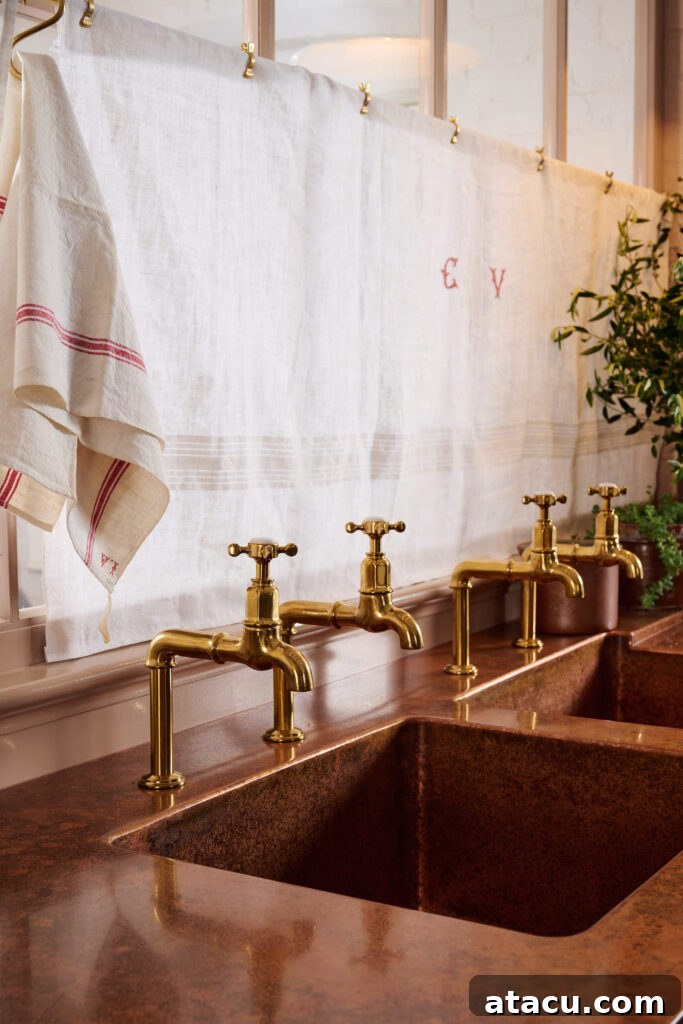
Proper care and maintenance are crucial for preserving the exquisite beauty and unique “living finish” of your copper worktops, ensuring they age gracefully rather than showing premature wear. Adopting a consistent cleaning routine from day one will make a significant difference in their long-term appearance.
Daily cleaning is highly recommended to prevent the buildup of residue and the formation of stubborn stains. After each cooking session or food preparation, make it a habit to quickly clear away any spillages or debris. Then, give the worktop a gentle wipe-down using a soft sponge or a non-abrasive cloth moistened with warm, soapy water. Always ensure to rinse the surface thoroughly with clean water and immediately dry it completely with a soft, clean towel. This prevents water spots and minimizes prolonged moisture contact, which can accelerate patination in unwanted areas.
Vigilance is key when dealing with spills, especially those involving acidic substances. Citrus juices, wine, vinegar, tomato products, and even some strong oven cleaners can chemically react with copper almost instantly. It is absolutely imperative to wipe these spills immediately. For particularly acidic spills, follow up with a neutralising solution, such as a paste made from baking soda and water, applied gently before rinsing and drying. This rapid response can often prevent or significantly reduce the appearance of discolouration marks.
To prevent scratches and scuffs, always remember to lift pots, pans, and appliances when you need to move them, rather than sliding them across the copper surface. Invest in high-quality cutting boards for all chopping tasks, and use trivets or heat pads for hot items to protect against localized heat marks and potential thermal shock, even though copper is generally heat resistant.
Applying a high-quality wax polish every month or two will create a valuable protective buffer layer on your copper worktops. This protective layer not only helps to enhance the shine but also provides a barrier against moisture and some corrosive elements, slowing down the patination process if you prefer a brighter look. When choosing a polish, opt for a non-abrasive copper-specific product. Apply it gently with a soft cloth, following the manufacturer’s instructions, and then buff it out to a desired sheen.
By diligently caring for your investment from the moment it’s installed, your copper countertops can maintain their captivating living finish and develop a beautiful, antique-like patina for decades. This meticulous attention ensures that their unique character and depth of colour evolve and improve over time, making them a truly timeless and cherished element within your home, rather than appearing merely worn.
The Distinctive Patina of Copper Kitchen Worktops
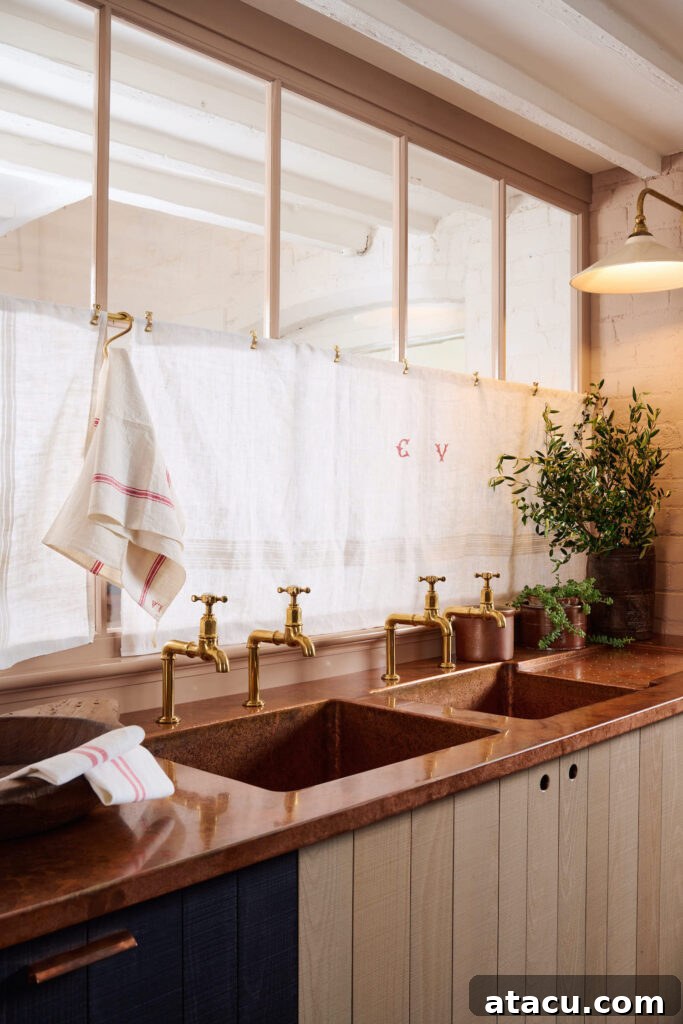
One of the most captivating and highly prized characteristics of copper kitchen worktops is the way their surface naturally evolves in appearance over time following installation. This intrinsic maturation process leads to the formation of a distinctive patina, a rich visual layer that dramatically builds character, depth, and a unique story into the material.
Unlike factory-finished or engineered materials that maintain a static appearance, natural copper develops its rich patina as it continuously interacts with its surrounding environment. Factors inherent to a busy kitchen, such as ambient air, varying light exposure, fluctuations in temperature, and daily usage, all contribute to this gradual transformation over months and years. This oxidation process is what gives copper its “living finish,” a dynamic quality that sets it apart.
Through subtle oxidation and exposure to the mild acids and oils from routine handling and cooking, copper gracefully transitions from its initial vivid, polished brilliance. It embarks on a journey through a more nuanced spectrum of warm sunset copper tones, deepening into rich chocolate browns, and eventually, for some, developing hints of verdant greens (verdigris) in untouched or less frequently cleaned areas. The result is a surface that increasingly resembles an antique artifact, with each mark and tone contributing to a complex visual tapestry. This living finish becomes truly unique to your specific space, reflecting the culinary history and daily life of your home.
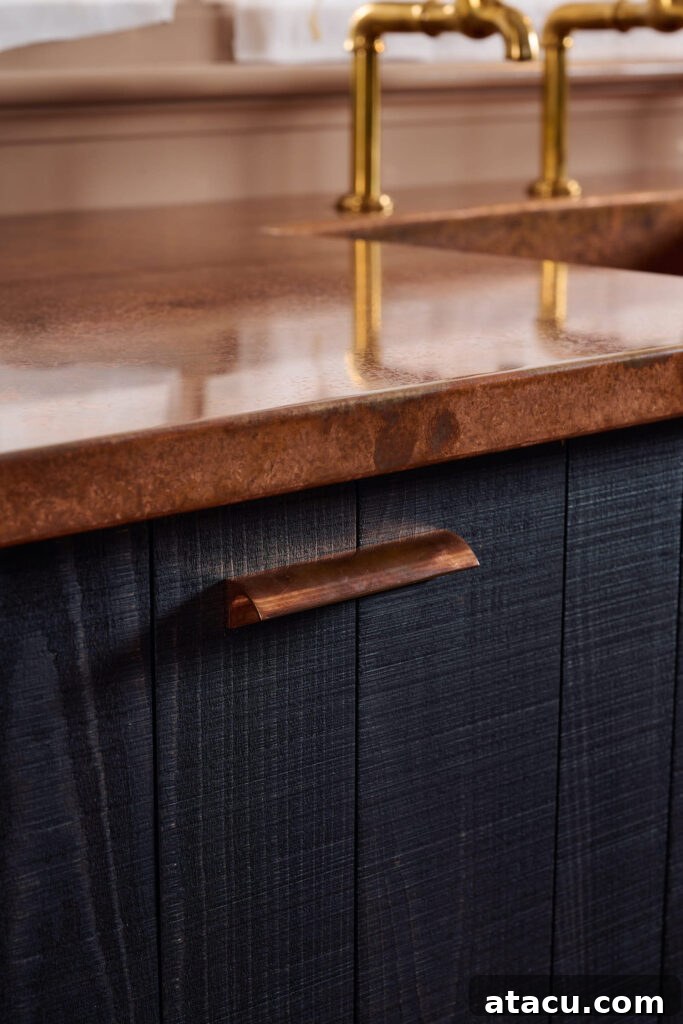
While some homeowners may prefer to diligently maintain the original gleaming shine, constantly polishing their copper to its bright, new state, many others wholeheartedly welcome and embrace the profound warmth, depth, and unique aesthetic that aged, patinated copper worktops offer. With proper care, this evolution of beauty ensures the surface improves over time, gaining a coveted antique quality rather than simply looking worn. In the long run, the added character and bespoke charm often far outshine the initial glitz, cementing copper worktops as a truly timeless and meaningful investment for your home, cherished for its evolving narrative and unparalleled visual appeal.
Design Versatility and Aesthetic Appeal of Copper Worktops
Beyond their unique patina and functional attributes, copper worktops offer remarkable design versatility that allows them to seamlessly integrate into a wide array of kitchen styles, elevating the overall aesthetic appeal of the space. Their inherent warmth and rich metallic sheen make them a captivating focal point in any design scheme.
In a rustic or farmhouse kitchen, copper surfaces lend an authentic, artisanal touch, pairing beautifully with natural wood cabinetry, exposed brick, and vintage fixtures. The evolving patina only enhances this charm, contributing to a sense of history and timelessness. For a modern or industrial kitchen, the sleek lines of copper can introduce a striking contrast to cooler materials like stainless steel and concrete, adding a much-needed layer of warmth and sophistication. When highly polished, copper reflects light beautifully, creating a vibrant and contemporary feel.
Traditional kitchens benefit immensely from copper’s classic elegance. It complements richly detailed cabinetry, ornate hardware, and deep color palettes, echoing the grandeur of historical design. Even in minimalist or Scandinavian-inspired kitchens, a copper worktop can serve as a luxurious, unexpected element, providing a focal point that is both understated and impactful.
The beauty of copper also lies in its ability to harmoniously pair with other materials. It creates a stunning visual dialogue with a variety of textures and colors: the earthy tones of wood, the cool sleekness of stone, the crispness of white or cream cabinets, and the bold statements of dark, moody hues. This versatility ensures that a copper worktop isn’t just a surface, but a key design component that influences the entire ambiance of the kitchen, imbuing it with a distinct personality and an undeniable sense of luxury and bespoke craftsmanship.
Is a Copper Worktop Right for Your Kitchen? Making the Final Decision
Deciding on kitchen worktops is a significant investment, both financially and aesthetically, with a long-term impact on your home’s functionality and style. When it comes to copper, the choice is deeply personal, influenced by a blend of practical considerations, budget constraints, and, crucially, your appreciation for its unique characteristics.
Before making your final decision, take a moment to weigh the key factors. Consider your lifestyle: how busy is your kitchen? Are you prepared for the immediate wiping of spills and the consistent care required to manage its “living finish”? If you prefer a completely low-maintenance, unchanging surface that hides imperfections easily, copper might not be your ideal match. However, if you embrace the idea of a surface that tells a story, deepening in character with every scratch and stain, then copper’s evolving beauty will be a constant source of delight.
Evaluate your budget: copper worktops represent a premium investment. While the upfront cost is higher, consider the long-term value – the durability, the antimicrobial properties, and the unique, artisanal appeal that can enhance your home’s overall value and luxurious feel. Compare this to other materials you are considering, not just on price, but on the emotional and aesthetic return on investment.
Most importantly, reflect on your aesthetic preference. Are you drawn to the warm, inviting glow of copper? Do you find beauty in the natural process of patination, appreciating a surface that gains character and uniqueness over time? Or do you prefer a consistent, uniform look? Copper worktops are more than just a surface; they are a statement piece, a commitment to a particular style and an appreciation for materials that mature with age.
Ultimately, choosing copper for your kitchen worktops means embracing a material that is truly alive. It offers unparalleled beauty, significant antimicrobial benefits, and a unique aesthetic journey that no other material can replicate. If you’re someone who values bespoke craftsmanship, a rich visual narrative, and a kitchen that radiates warmth and individuality, then the captivating allure of copper worktops might just be the perfect, timeless investment for your home.
For more visual inspiration, you can find a wealth of images featuring copper worktops over on my Pinterest board.
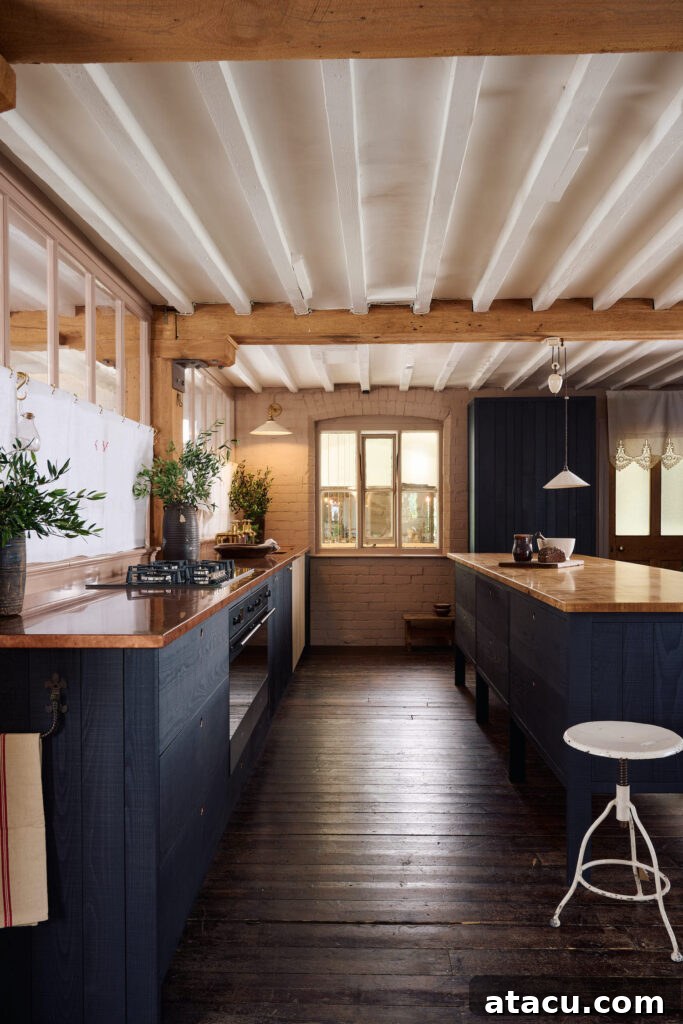
All beautiful images featured in this article are courtesy of deVOL Kitchens.