
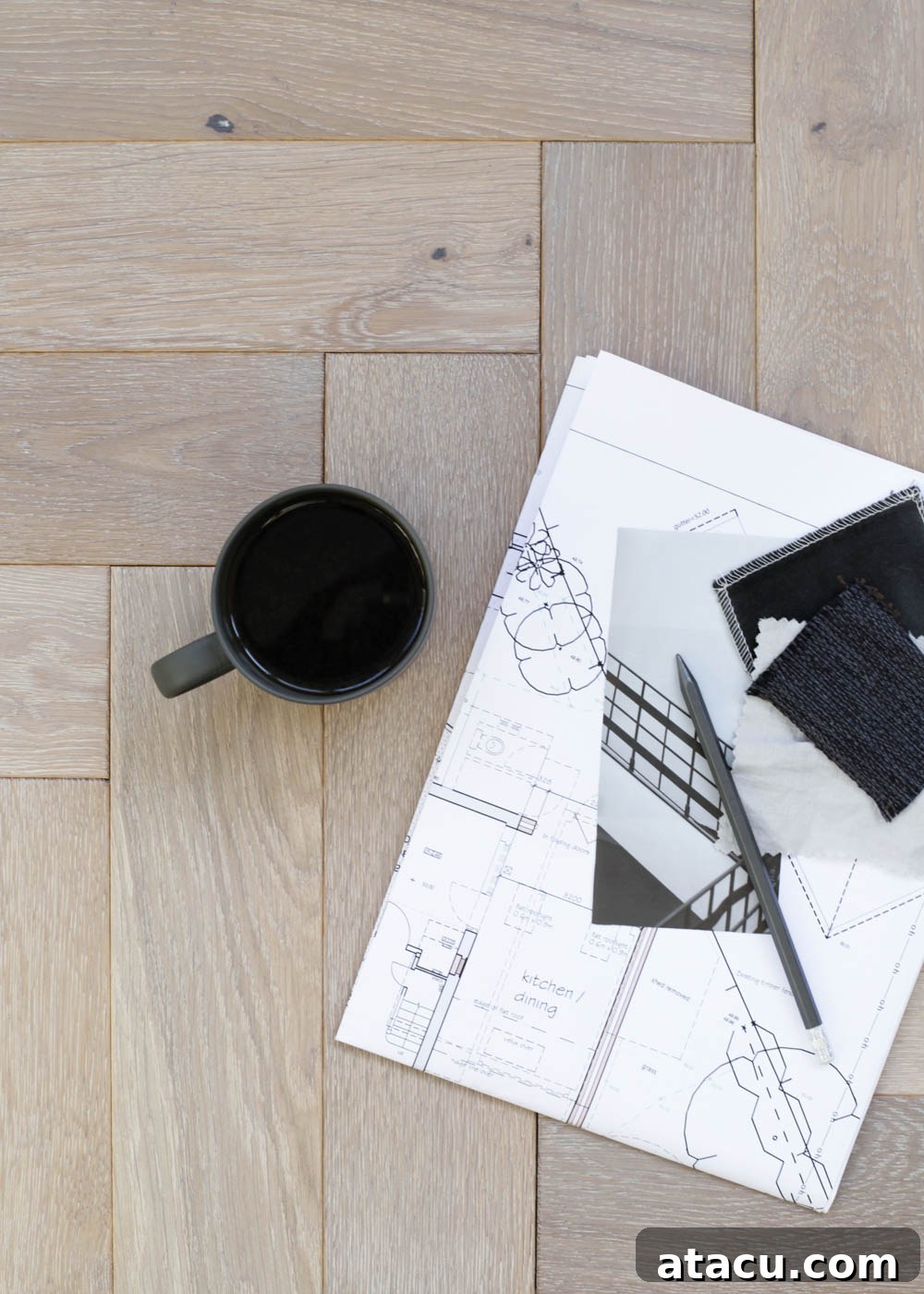
Unlocking the Charm: A Comprehensive Guide to 1930s House Renovation
A 1930s house renovation offers a captivating journey into architectural history, blending the enduring charm of a bygone era with the seamless comforts of contemporary living. These properties, often characterized by their sturdy red brick construction, distinctive bay windows, and semi-detached configuration, stand as testaments to solid craftsmanship and thoughtful design. They provide an exceptional canvas for transformation, whether you’re envisioning a complete 1930s home makeover, a sensitive Art Deco inspired refurbishment, or a practical, stylish kitchen extension.
For those currently navigating the property market, the enduring appeal and significant renovation potential of a 1930s house make it an increasingly sought-after option. Far from being outdated, these homes offer a robust foundation and generous spaces that are remarkably adaptable to modern family life. This guide will delve into the multifaceted reasons behind their lasting popularity, exploring the practical advantages they present and their immense potential for thoughtful renovation and expansion.
Additionally, we’ll equip prospective buyers with essential pre-purchase tips, ensuring you approach your potential 1930s home with confidence and clarity. The decision to invest in and renovate a property from this period is more than just a purchase; it’s an opportunity to create a truly unique home, rich in character and perfectly tailored to your lifestyle.
1930s House Style: An Architectural Guide to Enduring Charm
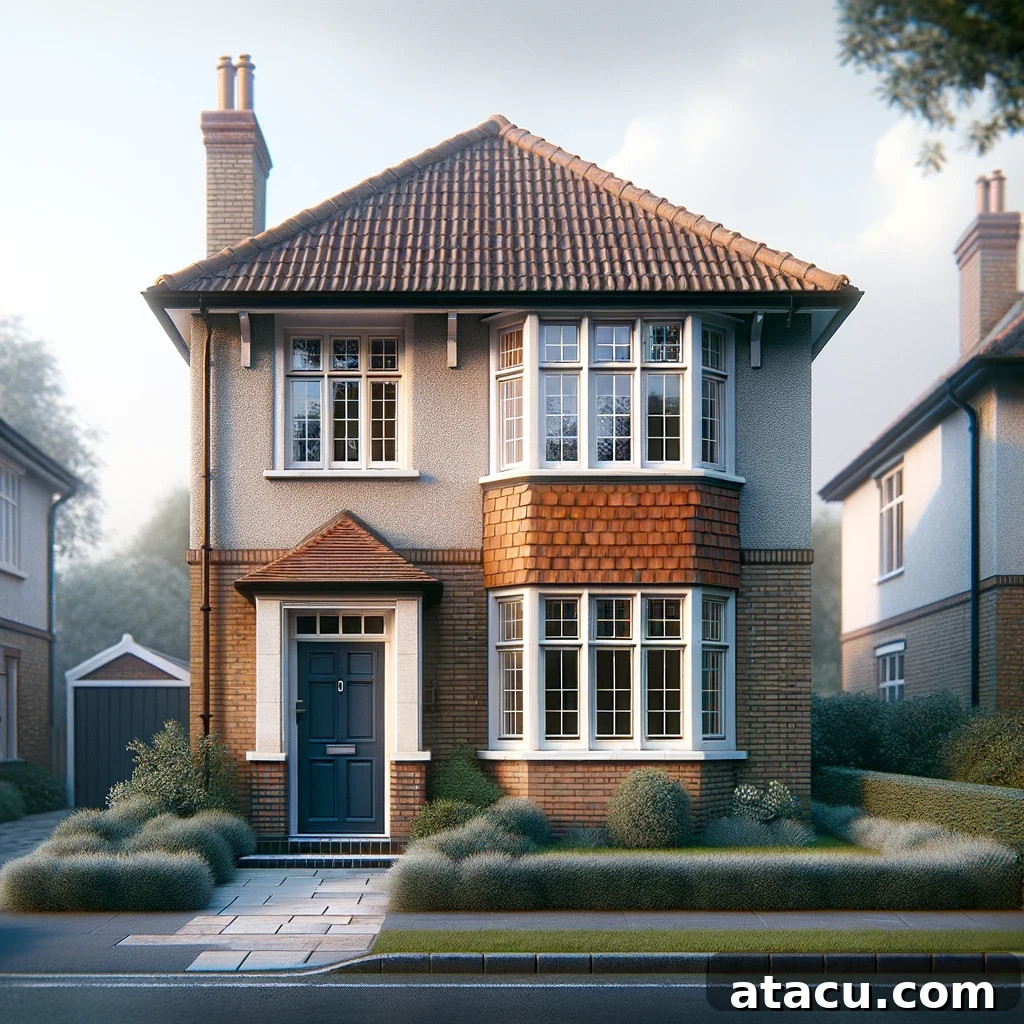
The 1930s marked a pivotal period in British housing, driven by a national imperative for mass housing following World War I. This era witnessed a significant shift in architectural design, moving away from the more ornate Victorian and Edwardian styles towards something more streamlined, practical, and accessible. While grander, detached properties sometimes showcased elaborate Art Deco influences, the ubiquitous UK semi-detached homes of the 1930s adopted a more restrained yet distinctively stylish approach, perfectly balancing traditional aesthetics with emerging modernist principles.
These homes are immediately identifiable by their solid, often red brick construction, which speaks volumes about their inherent durability. Key architectural features include prominent bay windows, which not only enhance the exterior façade but also flood interiors with natural light. Rooflines were typically hipped or gabled, contributing to their classic silhouette. Many properties of this period also incorporated subtle decorative elements, such as patterned brickwork details, charming stained glass panels in doorways and leaded light windows, or ornate porch designs. These details serve as a gentle nod to the craftsmanship of the era, adding layers of character without overwhelming the clean lines that defined the decade.
Step inside a typical 1930s house, and you’re often greeted by a spacious and welcoming hallway, a hallmark of their family-centric design. Original features like robust wood floors, elegant picture rails, and impressive fireplaces are common, many of which have gracefully withstood the test of time. The internal layouts were conceived with practical living in mind, offering a functional separation of spaces that can be easily adapted to suit contemporary open-plan desires, all while maintaining the property’s innate sense of balance and proportion.
The Enduring Popularity of 1930s Houses: A Timeless Investment
The consistent demand for 1930s style houses in today’s property market is no accident. Their enduring appeal stems from a harmonious blend of balanced proportions, practical layouts, and a comforting sense of familiarity that resonates deeply with homeowners. These homes masterfully combine sought-after period features with inherently practical living spaces, making them exceptionally desirable for a diverse range of buyers.
From the classic bay windows that invite an abundance of natural light, creating bright and airy interiors, to the generous gardens that accompany a significant number of these properties, every element contributes to their lasting charm. What truly fascinates property enthusiasts and homeowners alike is the inherent versatility of these residences. They have proven remarkably adaptable to evolving contemporary living needs, effortlessly transitioning into modern family homes while conscientiously retaining their original character.
This adaptability, coupled with their robust construction and often convenient locations within established communities, cements their status as a wise and popular choice for those seeking a home that offers both historical charm and future potential. They represent not just a dwelling, but a sound investment in quality, space, and a distinctive lifestyle.
Why Buy a 1930s House? Unpacking Their Unique Advantages
When considering a property purchase, 1930s houses consistently emerge as a top contender, offering a suite of advantages that cater to diverse needs and preferences. Their appeal lies in a combination of structural integrity, thoughtful design, and significant potential for modernization and personalization.
Built to Last: The Epitome of Robust Construction
Perhaps the most compelling reason to consider a 1930s home is its exceptional build quality. Constructed during an era where durability and craftsmanship were paramount, these houses were meticulously engineered to withstand the test of time. Their signature red brick construction, often featuring cavity walls (a significant improvement over earlier solid wall properties), provides a formidable, enduring structure. The high standards of craftsmanship from the 1930s are evident in every detail, from the substantial exterior walls and foundations to the quality hardwood floors and sturdy internal joinery found throughout. This inherent robustness offers an invaluable advantage: a rock-solid foundation upon which any renovation project can confidently begin, minimizing unforeseen structural issues and providing peace of mind for homeowners.
Spacious and Practical Layouts: Designed for Family Life
The internal configuration of 1930s semi-detached homes is another significant draw. These properties were thoughtfully designed with practicality and family living at their core. They typically boast well-proportioned rooms, offering ample space for both relaxation and daily activities. The layouts are intuitive and functional, lending themselves effortlessly to modern lifestyles. The signature bay windows not only serve as a charming architectural focal point but also invite an abundance of natural light, creating bright, airy, and welcoming interiors. Many homes feature distinct living and dining areas, providing versatile spaces for entertaining or quiet family time. Furthermore, original features such as elegant picture rails, decorative cornicing, and original fireplaces frequently add layers of character and charm, enhancing the aesthetic appeal and historical integrity of the spaces.
Generous Gardens: A Verdant Oasis for Modern Living
A significant advantage of 1930s properties, particularly when compared to smaller Victorian terraced houses or many contemporary new builds, is the typically more generous size of their gardens. These substantial outdoor spaces offer ample room for a variety of uses, from vibrant landscaping and productive vegetable patches to safe play areas for children and pets, or tranquil zones for outdoor entertaining and relaxation. For families with young children, avid gardeners, or dog owners, this expansive outdoor living area is a huge plus, providing a valuable extension of the home and a vital connection to nature.
Adaptable for Modern Living: Unleashing Renovation Potential
One of the true joys of owning a 1930s home is the inherent flexibility these properties offer for renovation. Their original design often facilitates relatively straightforward modernization and extension projects without compromising the building’s structural integrity or period charm. Many homeowners successfully undertake loft conversions to create additional bedrooms or home office spaces, or add stylish kitchen extensions to the rear, often creating large, open-plan living and dining areas. This adaptability allows for the creation of bespoke spaces tailored to individual needs, making them an ideal long-term investment. For prospective buyers seeking a family home that can evolve with their changing needs over different life stages, a 1930s property provides an unparalleled foundation.
Large Windows and Natural Light: Brightening Every Corner
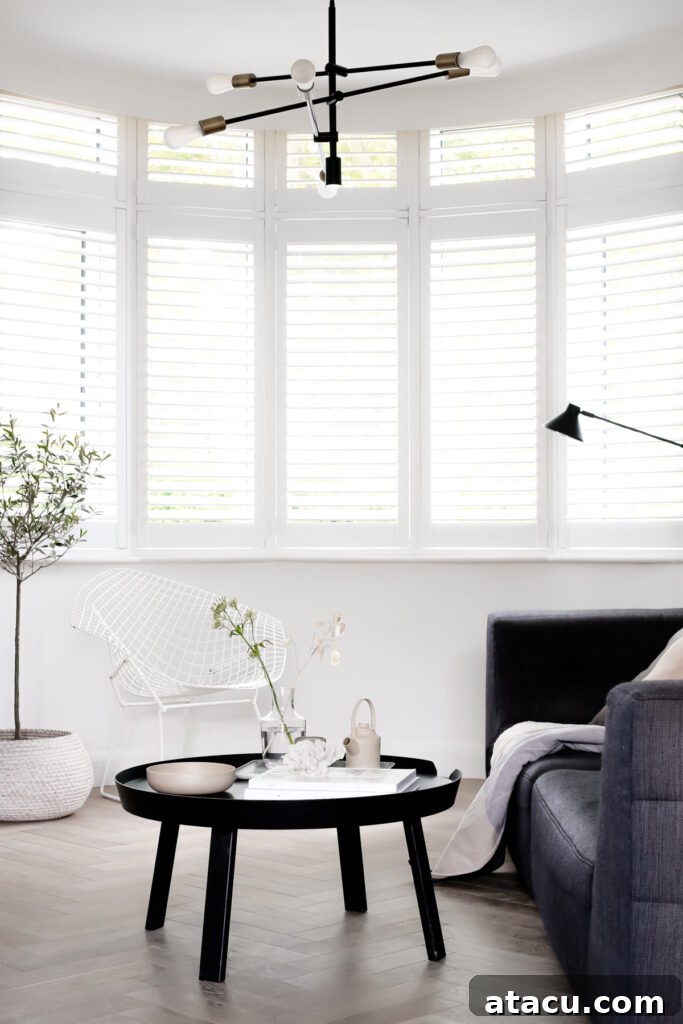
The distinctive large windows, especially the elegant bay windows, that are a hallmark of 1930s houses, are designed to draw in an exceptional amount of natural light. This architectural feature is not merely aesthetic; it profoundly impacts the living experience, making interiors feel significantly brighter, more spacious, and more inviting. Abundant natural light is known to enhance mood, reduce the need for artificial lighting during the day, and contribute to a healthier, more vibrant home environment. This design choice speaks to a thoughtful approach to interior comfort, a quality often sought after in modern homes.
Chimney Breasts and Alcoves: Characterful Design Opportunities
A quintessential feature of many 1930s homes is the presence of chimney breasts and their accompanying alcoves. These architectural elements add a significant dose of character and visual interest to living spaces. Beyond serving as focal points for cosy fireplaces, the alcoves present fantastic opportunities for creative interior design. They are ideal for incorporating built-in shelving, custom storage solutions, integrated media units, or simply showcasing decorative displays, adding both functionality and bespoke style to any room.
Spacious Hallways and Elegant Staircases: A Grand Welcome
In stark contrast to the often cramped entryways of some modern dwellings, 1930s houses typically boast wide, welcoming hallways. These generous spaces create an immediate sense of grandeur and openness upon entry, setting a sophisticated tone for the rest of the home. Furthermore, these hallways offer practical potential for additional storage, display furniture, or even a small seating area. Many 1930s properties also feature beautifully crafted staircases, often adorned with detailed banisters, wooden railings, and elegant newel posts, serving as stunning architectural statements that enhance the home’s period charm.
Energy Efficiency Potential: Modernizing for Sustainability
While 1930s homes were not originally constructed with today’s stringent energy efficiency standards in mind, their solid construction provides an exceptional starting point for significant improvements. With strategic renovations, these properties can be transformed into remarkably energy-efficient spaces. Upgrades such as installing modern, high-performance double glazing, enhancing loft and wall insulation (including external or internal solid wall insulation), and integrating modern heating systems like efficient boilers or even renewable technologies such as air source heat pumps, can dramatically improve thermal performance. This not only significantly enhances the comfort of the home but also leads to substantial reductions in running costs and a minimized environmental impact, addressing crucial considerations for environmentally conscious homeowners today.
Off-Road Parking: Convenience and Security
A practical, yet often understated, advantage of many 1930s houses is the common inclusion of dedicated driveways, offering invaluable off-road parking. This feature is particularly desirable and adds significant value in urban and suburban environments where street parking can be fiercely competitive or severely limited. The presence of a private driveway not only offers unparalleled convenience for homeowners and their guests but also significantly enhances the safety and security of vehicles, providing welcome peace of mind in an increasingly busy world.
Mature Landscaping: Established Beauty and Privacy
Given their age, many 1930s properties come with the significant bonus of mature gardens boasting established trees, shrubs, and planting schemes. This mature landscaping provides an instant sense of privacy, creating secluded outdoor spaces for relaxation and enjoyment. Furthermore, established gardens contribute immensely to the overall aesthetic appeal and character of the property, offering natural beauty, shade, and a developed green environment that new builds often lack for many years.
Community Feel: Living in Established Neighbourhoods
Many 1930s houses are situated within well-established neighbourhoods that have cultivated a strong sense of community over decades. These areas often embody the ideal suburban living envisioned in the early 20th century, characterized by tree-lined streets, local parks, and a welcoming atmosphere. For those seeking a traditional family home within a vibrant, friendly, and amenities-rich community, these locations offer an appealing lifestyle, often within easy reach of schools, shops, and transport links.
Value for Money: Character, Space, and Potential
Compared to new builds of a similar size, 1930s houses frequently offer superior value for money. Buyers often acquire more square footage, larger gardens, and a wealth of inherent character for their investment. While renovations incur costs, the potential to add significant value through thoughtful modernization means that these properties can represent a shrewd financial decision, providing a spacious, charming home with strong long-term appreciation potential.
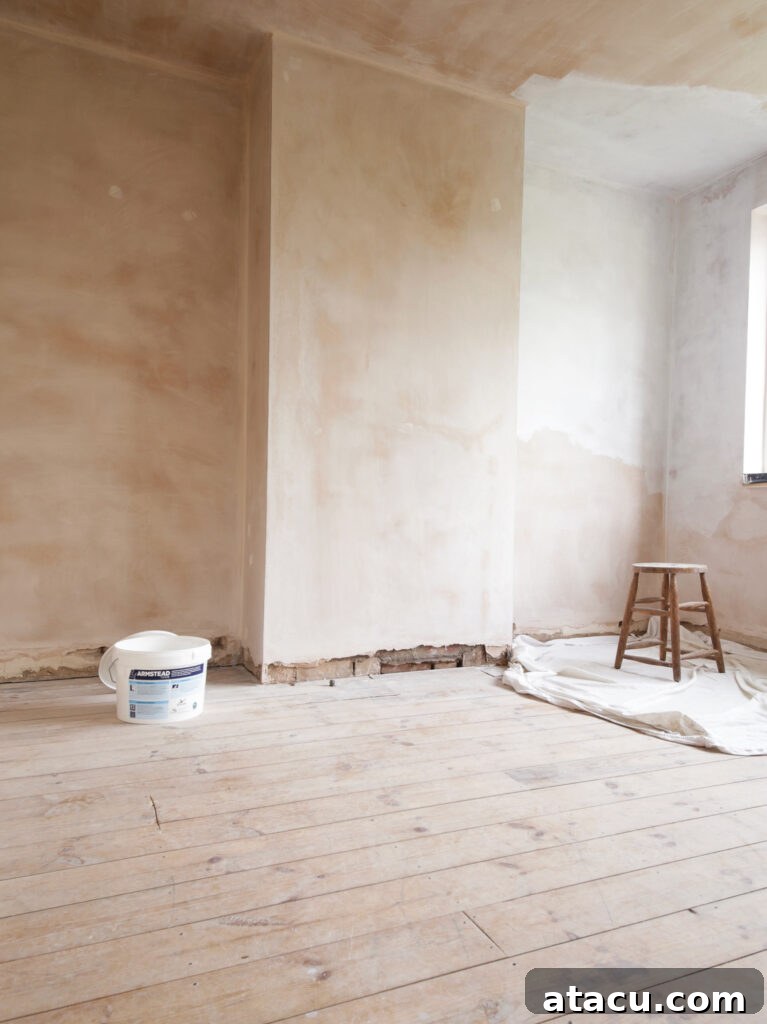
Embarking on a 1930s House Renovation: A Blueprint for Transformation
Renovating a 1930s house is an exhilarating journey that marries the architectural integrity of the past with the functional demands of the present. It requires a thoughtful approach, balancing preservation with innovation to create a home that is both historically resonant and perfectly suited to modern life.
Respecting the Old, Embracing the New: A Harmonious Blend
The essence of a successful 1930s renovation lies in finding the ideal equilibrium between preserving its inherent character and introducing contemporary design elements. These homes are often treasure troves of original features: elegant bay windows, period fireplaces, internal doors with unique handles, and sometimes even beautiful parquet or original floorboards. Where possible, retaining and restoring these elements is crucial for maintaining the home’s distinctive period charm. The true artistry unfolds when you seamlessly integrate these historical details with sleek, modern design. Imagine a state-of-the-art kitchen, perhaps with minimalist cabinetry and integrated appliances, opening onto a dining area that proudly displays original panelling or a restored bay window. Or a luxurious, contemporary bathroom that cleverly incorporates a nod to the original tiling or sanitaryware style. It’s about creating a cohesive, harmonious balance where old and new elevate each other, resulting in a home that feels both authentic and undeniably fresh.
Extension Possibilities: Expanding Your Living Space
1930s houses are frequently excellent candidates for thoughtful extensions, offering myriad opportunities to expand valuable living space. Popular choices include kitchen extensions, often transforming the rear of the property into expansive, open-plan kitchen-dining-living areas that connect seamlessly with the garden. Loft conversions are also highly effective, utilizing the often generous roof space to create additional bedrooms, a master suite, or a dedicated home office. The key to successful extension design is ensuring it complements the original structure. This might involve carefully matching brickwork, roofing materials, and window styles to create a seamless addition. Alternatively, a striking modern extension, perhaps featuring large glass panels or a contrasting material, can provide a beautiful juxtaposition to the traditional brickwork, establishing a distinct architectural statement while forging a strong visual connection between indoors and outdoors.
Modernising for Comfort and Efficiency: Beyond Aesthetics
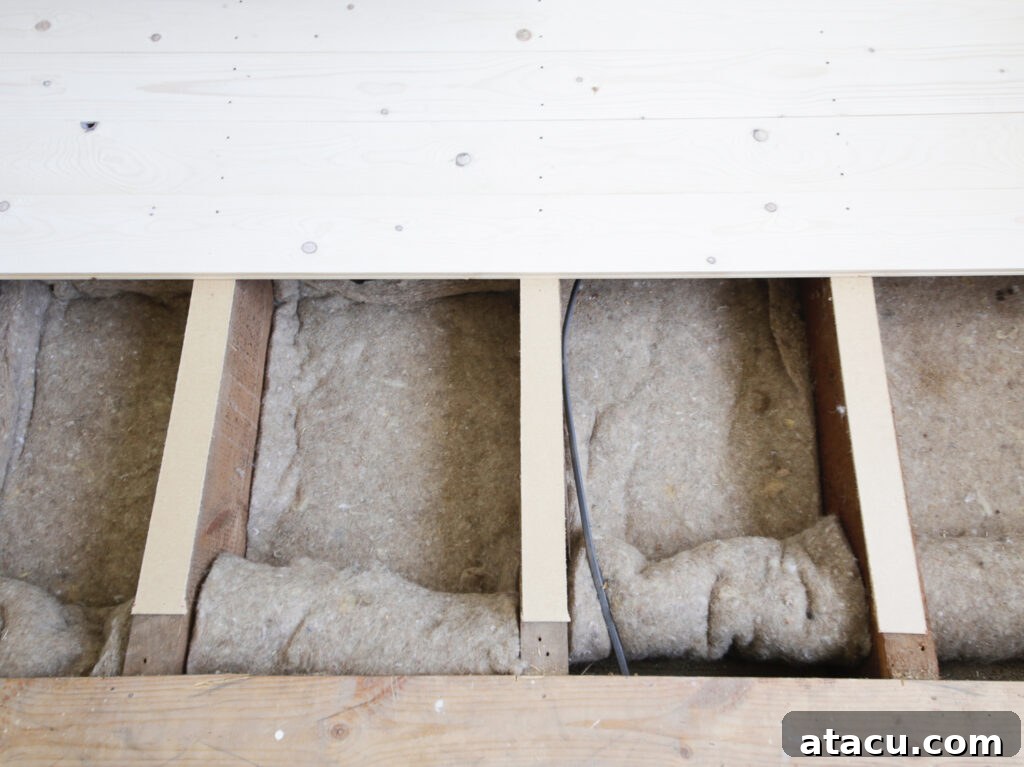
While retaining the house’s character is paramount, modern comforts and enhanced energy efficiency are equally essential. Renovation projects often involve significant upgrades to vital systems. This includes updating outdated heating systems to more efficient models, adding comprehensive insulation to walls, floors, and lofts, and installing high-performance double-glazed windows that can be designed to echo the style of the originals. Beyond efficiency, modernization can also involve rethinking internal layouts – perhaps opening up smaller, compartmentalized rooms to create more expansive, flexible living spaces, or adding en-suite bathrooms to bedrooms for increased luxury and convenience. Each decision should be guided by how it enhances your daily life and comfort, always respecting the foundational character of your cherished 1930s home.
Navigating Planning and Regulations: Essential Preparations
Before embarking on any significant structural alterations or extensions, it is absolutely crucial to understand the relevant planning permissions and building regulations specific to your local area. This is particularly important if your property is located within a conservation area, where stricter guidelines may apply to exterior alterations and material choices. Consulting with your local planning department or engaging an experienced architect or planning consultant early in the process is highly recommended. Their expertise can help navigate the complexities, ensure compliance, and streamline the approval process, preventing costly delays and potential complications down the line.
The Garden’s Potential: An Outdoor Extension of Your Home
Never underestimate the immense potential of the garden, often a defining feature of many 1930s homes. These typically generous outdoor spaces offer a fantastic opportunity for extensive landscaping, creating vibrant outdoor living areas, and even accommodating a dedicated garden office or studio. View the garden as a natural extension of your indoor living space, applying the same meticulous care and stylistic considerations to its design. Whether you envision a lush, formal garden, a contemporary minimalist design, or a productive family space, a well-designed garden significantly enhances the overall appeal and value of your property.
Budgeting and Project Management: Foundations for Success
A successful 1930s renovation hinges on meticulous budgeting and effective project management. It’s vital to establish a realistic budget, including a healthy contingency fund (typically 10-20% of the total project cost) for unforeseen issues that can arise in older properties. Securing detailed quotes from reputable contractors and specialists (plumbers, electricians, builders, architects, structural engineers) is a critical step. Consider a phased renovation approach if budget constraints require it, tackling essential structural or systemic upgrades first. Effective communication with your team, regular site visits, and clear decision-making will ensure the project stays on track, on budget, and meets your vision.
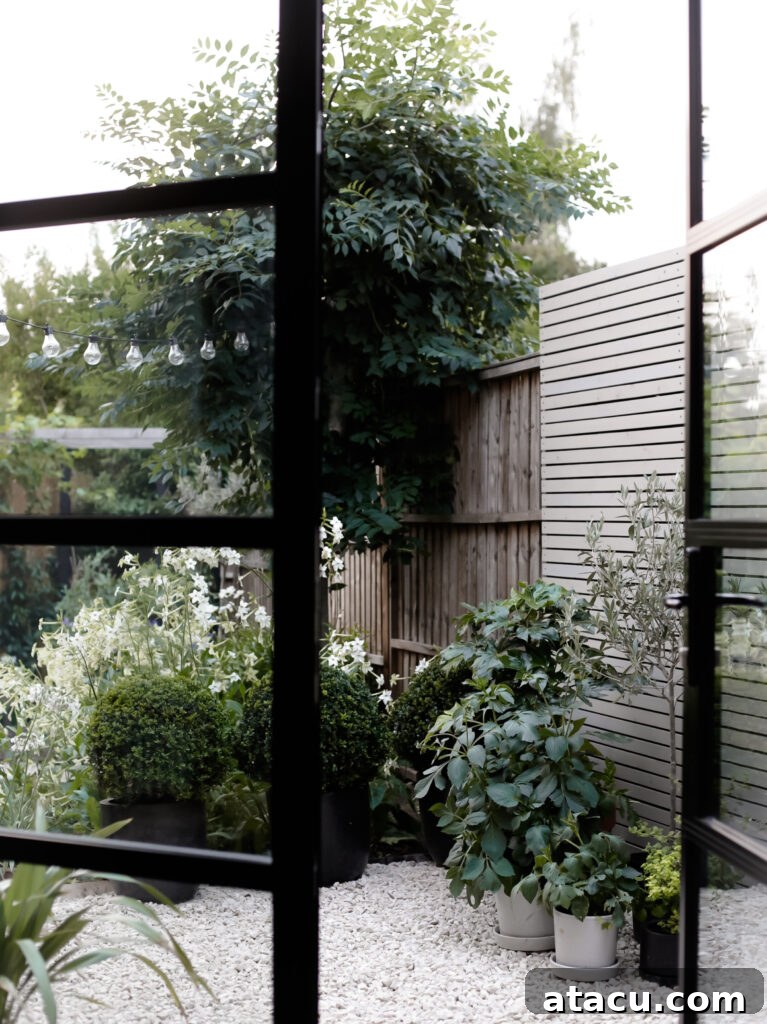
As someone who has personally undertaken a comprehensive renovation of a 1930s fixer-upper, I can attest to the rewarding nature of these projects. These homes are replete with delightful (and occasionally challenging) surprises, but their inherent qualities make them an exceptional choice for today’s discerning homebuyers. Before committing to a purchase, consider these crucial factors:
Pre-Purchase Tips for Prospective Buyers: Due Diligence is Key
Buying an older property, especially a 1930s home with renovation potential, requires careful consideration and thorough due diligence. Here are essential tips to guide prospective buyers:
- Structural Soundness: Prioritize assessing the structural integrity of the house. Look for any visible signs of subsidence, persistent dampness (especially rising damp or penetrating damp), or significant cracks in the walls, both internally and externally. While many of these issues are rectifiable, they can incur substantial and time-consuming repair costs. Always commission a comprehensive Level 3 RICS survey for a detailed assessment of the property’s condition.
- Original Features: Actively seek out and appreciate original features such as decorative fireplaces, intricate stained glass in doors and windows, elegant picture rails, and existing parquet or wooden flooring. These elements not only contribute immensely to the property’s character and period charm but can also be significant selling points. However, be mindful that restoring these features to their former glory can add to your overall renovation budget.
- Electrical and Plumbing Systems: Given their age, many 1930s homes will likely have outdated electrical wiring and plumbing systems. It is imperative to check their condition. An outdated electrical system poses safety risks and may not meet modern demands, necessitating a full rewire. Similarly, old plumbing can lead to leaks and poor water pressure. Factor in the potential essential costs of replacing these crucial systems.
- Energy Efficiency: Critically evaluate the current energy efficiency of the home. Original single-glazed windows and a lack of modern insulation can translate into significantly higher heating costs. Assess the EPC (Energy Performance Certificate) and factor in the potential investment required for upgrades like double glazing, loft insulation, and wall insulation to improve thermal performance and reduce long-term running expenses.
- Asbestos Check: Properties built in the 1930s may contain asbestos-containing materials (ACMs), particularly in areas like boiler flues, old floor tiles, and textured ceilings (Artex). While encapsulated asbestos is usually safe, disturbing it can be hazardous. Consider an asbestos survey before commencing any demolition or intrusive work.
- Drainage and Roofing: Inspect the condition of the roof, looking for missing tiles, sagging, or signs of wear. Similarly, check the drainage system, as old cast iron pipes can corrode and lead to blockages or leaks. These are often significant but essential repairs.
- Location and Local Amenities: Beyond the house itself, consider its location within the neighbourhood. 1930s homes are often situated in well-established areas with good access to local schools, shops, public transport, and green spaces. Assess how these amenities align with your lifestyle needs.
Do not be deterred by minor issues or the prospect of extensive work. Instead, thoroughly evaluate the scope of work required, obtain multiple professional quotes for potential renovations, and carefully weigh these factors against your budget and long-term vision. This informed approach will help you determine if a 1930s house is truly the right long-term investment and dream home for you.
Renovating a 1930s house presents an unparalleled opportunity to fuse the rich heritage of the past with the functional elegance of the present. The result is a home that is not only steeped in history and character but also meticulously tailored for contemporary living. It represents a significant and potentially highly rewarding long-term investment, offering the chance to imbue your property with substantial added value and create a truly unique, beloved family residence.