
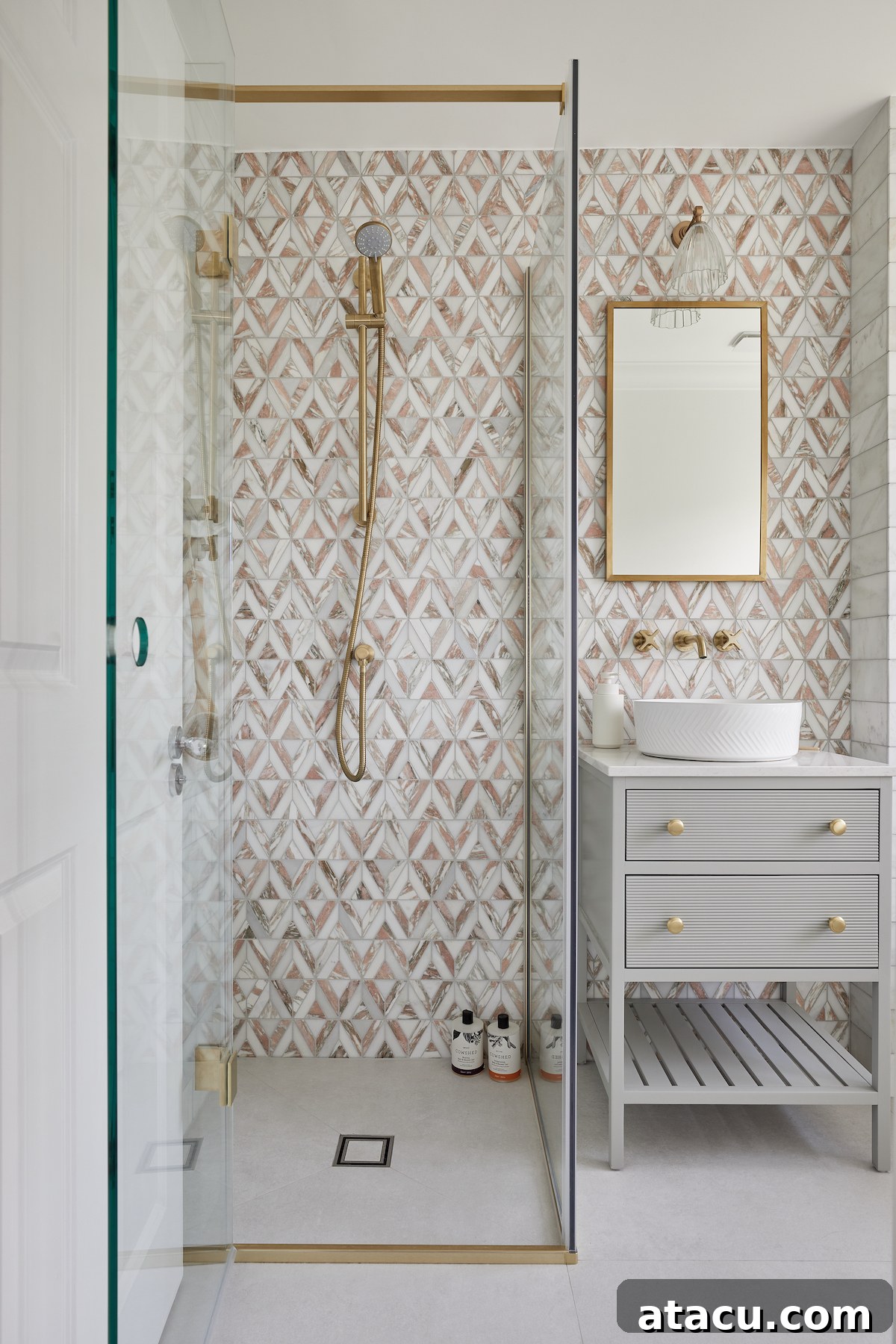
Living with a small bathroom is a common reality for many, especially in urban environments where space often comes at a premium. However, a compact bathroom doesn’t equate to sacrificing style, comfort, or functionality. In fact, these intimate spaces present unique opportunities for creative design. The secret often lies in making smart choices, and one of the most transformative decisions you’ll make revolves around your tile selection. The right tiles can dramatically alter the perception of space, light, and luxury in even the most modest of bathrooms.
Having navigated the challenges of numerous “cozy” bathrooms myself, both in personal residences and client projects, I understand the initial overwhelm. Limitations can feel daunting, but through thoughtful design exploration, I’ve discovered that small bathrooms are rich with untapped potential. They don’t have to feel cramped, dark, or uninspiring. With strategic planning and the right aesthetic choices, you can create a bathroom that is not only highly functional but also a beautiful, serene retreat.
This comprehensive guide is dedicated to sharing practical, proven strategies for selecting and installing tiles in small bathrooms. These aren’t just aesthetic recommendations; they are tried-and-tested approaches designed to make your compact bathroom feel significantly more expansive, brighter, and inherently more inviting. We’ll delve into various aspects, from tile size and colour to texture and layout, equipping you with the knowledge to transform your small space into a design marvel.
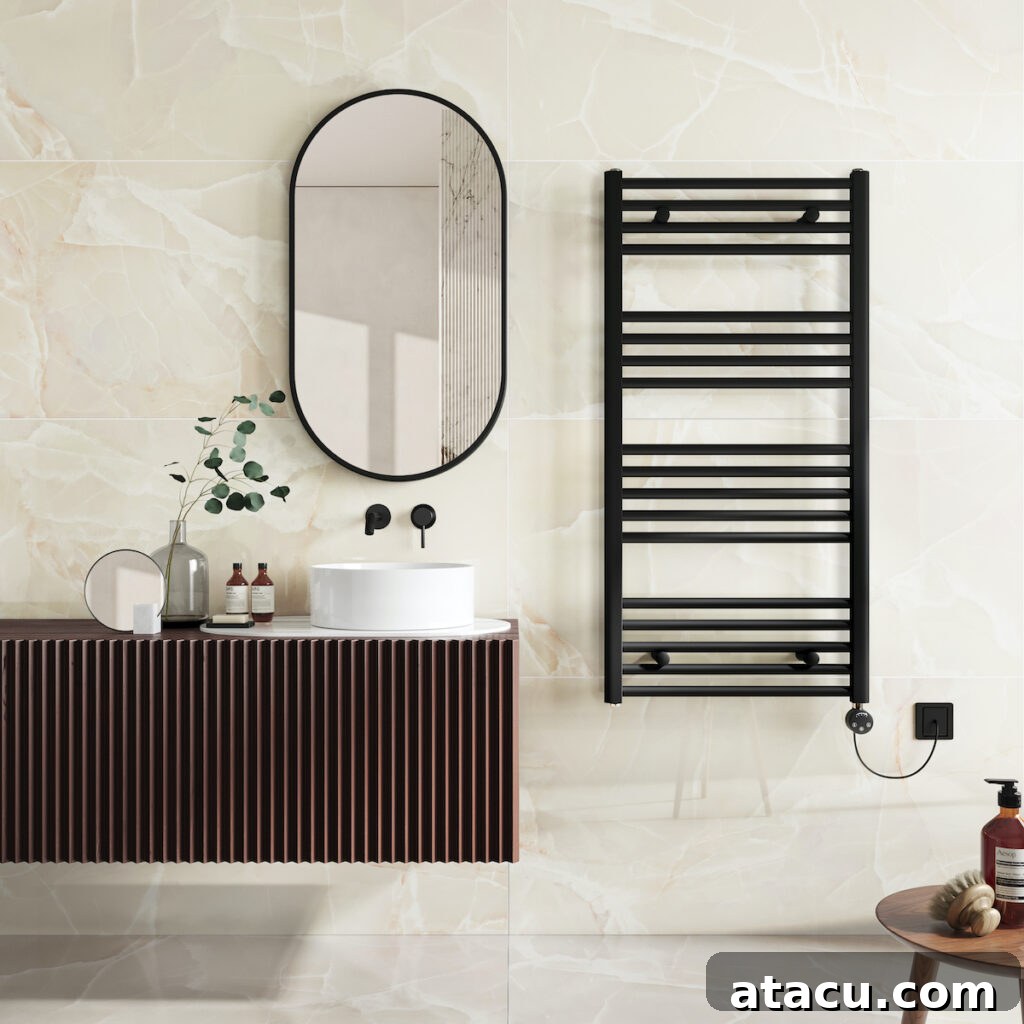
1. Maximize Space with Large-Format Tiles
It might seem counterintuitive to use large tiles in a small space, but this is a powerful design secret for creating an illusion of grandeur and openness. The fewer grout lines you have, the less visual interruption there is, leading to a much cleaner, more seamless surface. This continuity helps the eye travel smoothly across walls and floors, tricking it into perceiving a larger area. Large-format porcelain or ceramic tiles, often measuring 12×24 inches or even larger, minimize the grid effect that can make a small bathroom feel chopped up and confined. When these expansive tiles are applied from floor to ceiling, as seen in many contemporary designs, the walls appear to stretch endlessly, contributing to an overall sense of calm cohesion and spaciousness. Opt for rectified edges to ensure minimal grout lines, further enhancing this seamless aesthetic.
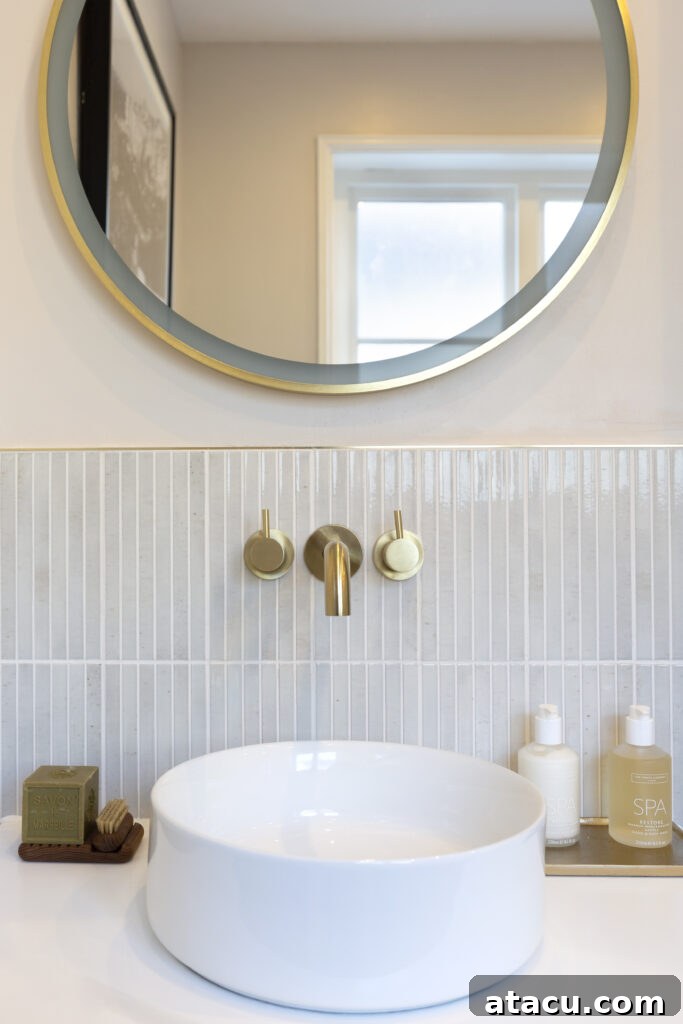
2. Elevate the Room with Vertical Lines
When ceiling height is a concern in a small bathroom, vertical tile layouts are your best friend. This simple yet effective trick directs the eye upwards, drawing attention to the full height of the room and creating an optical illusion of greater vertical space. Whether you choose classic subway tiles arranged in a vertical stack, long, narrow plank tiles, or even distinct stick tiles, the upward orientation helps to “lift” the ceiling. These pearl gloss stick tiles, for instance, not only introduce a touch of refined sophistication but also contribute significantly to making the room feel taller and more open, dispelling any sense of confinement. This technique works particularly well on shower walls or a single accent wall.
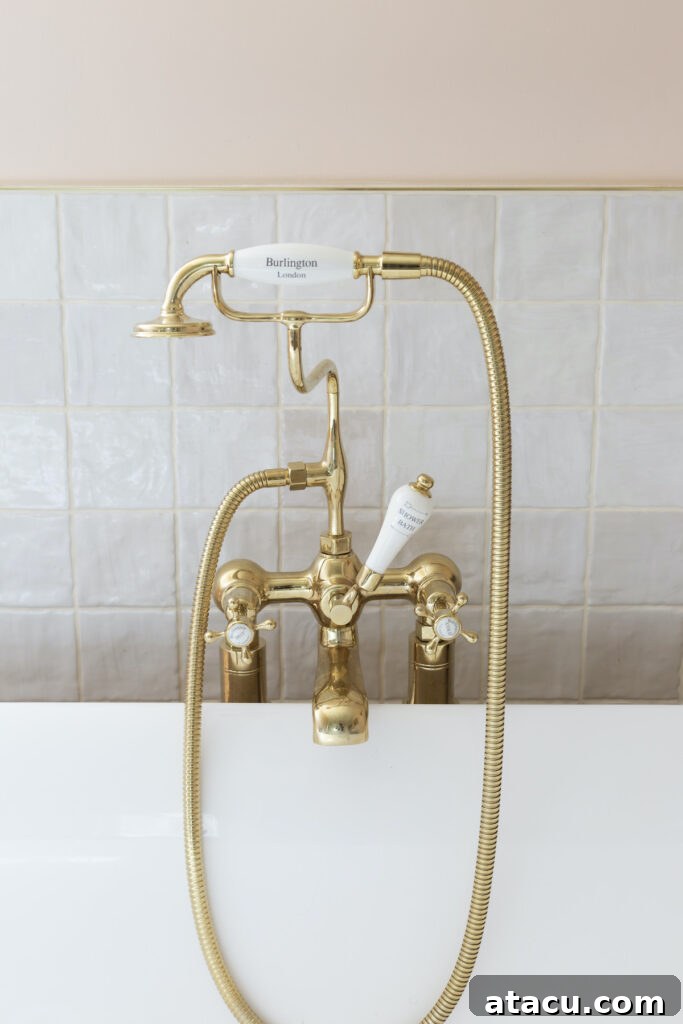
3. Brighten and Expand with Light, Neutral Tones
The strategic use of light and neutral colours is a timeless design principle, especially potent in small bathrooms. Shades like crisp whites, soft greys, delicate creams, and pale pastels excel at reflecting available light, whether natural or artificial. This amplified light circulation makes the space feel airier, more open, and significantly larger than it actually is. However, “neutral” doesn’t have to mean “boring.” You can infuse immense character and depth by playing with subtle textures and finishes. Consider a glossy white subway tile for its reflective qualities, or a handcrafted zellige tile with its perfectly imperfect surface to add an organic, tactile dimension. These choices provide visual interest and sophistication without overwhelming the compact dimensions of the room, creating a serene and inviting atmosphere.
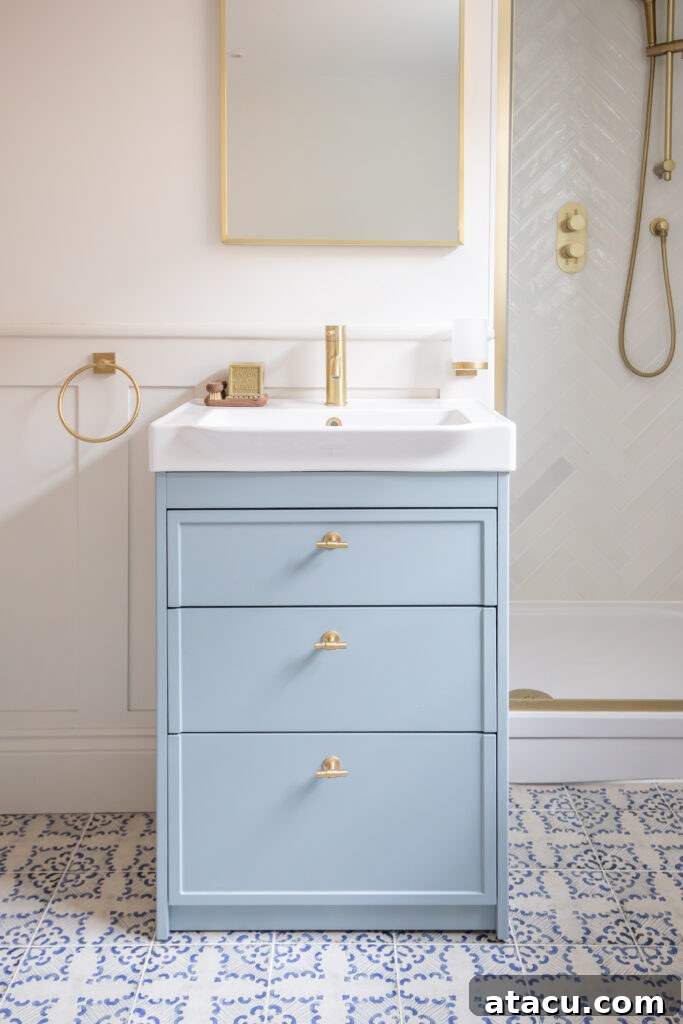
4. Create Impact with Statement Floors
If your design preference leans towards a touch more drama and personality, the floor of a small bathroom offers the perfect canvas. Opting for eye-catching patterned bathroom floor tiles can inject a vibrant sense of energy and style without making the space feel closed in. Intricate Moroccan-inspired designs, classic black-and-white geometric patterns, or even a bold encaustic tile can become the focal point of the room. By drawing the eye downwards, a statement floor allows the walls to remain simple and light, maintaining the illusion of spaciousness while delivering an unexpected burst of character. This approach prevents the room from feeling monotonous and adds a layer of sophisticated charm.
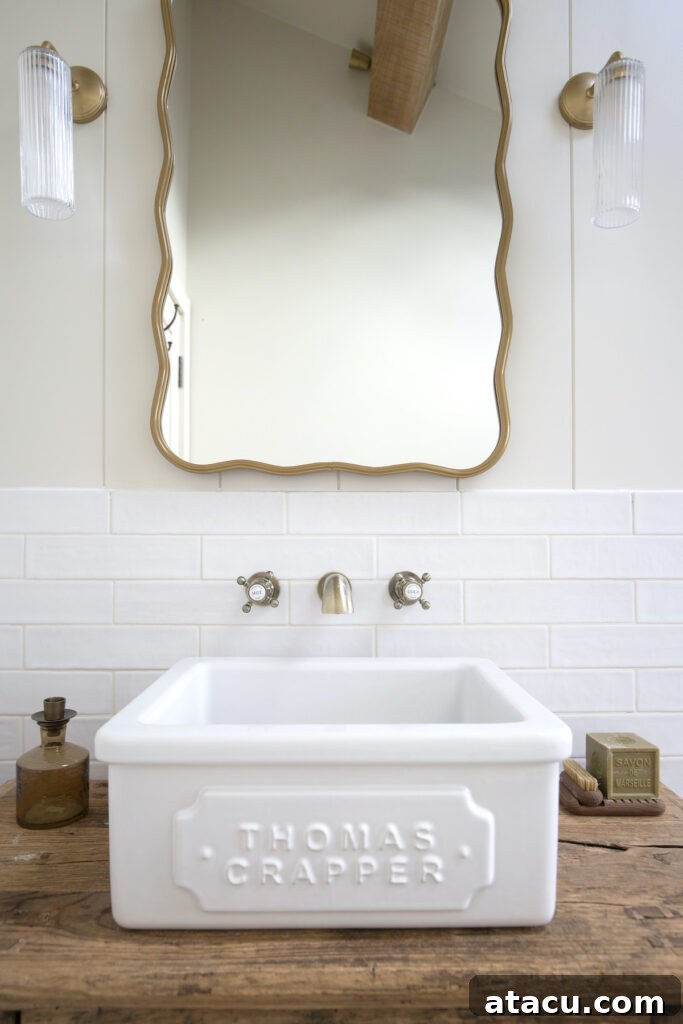
5. Amplify Design with Mirrors
Mirrors are a celebrated tool for expanding small spaces, and their effect is exponentially enhanced when strategically paired with thoughtful tile choices in a bathroom. A large mirror positioned directly opposite a feature tiled wall or a window can reflect the entire design, effectively doubling its visual impact and flooding the room with light. Imagine a stunning textured tile wall, vibrant in colour or unique in pattern, mirrored across the room – it feels like having two feature walls for the price of one! This clever trick not only makes the bathroom appear larger but also brighter and more dynamic, creating an immersive experience that belies its actual dimensions. Consider frameless mirrors or mirrored cabinets for maximum seamlessness.
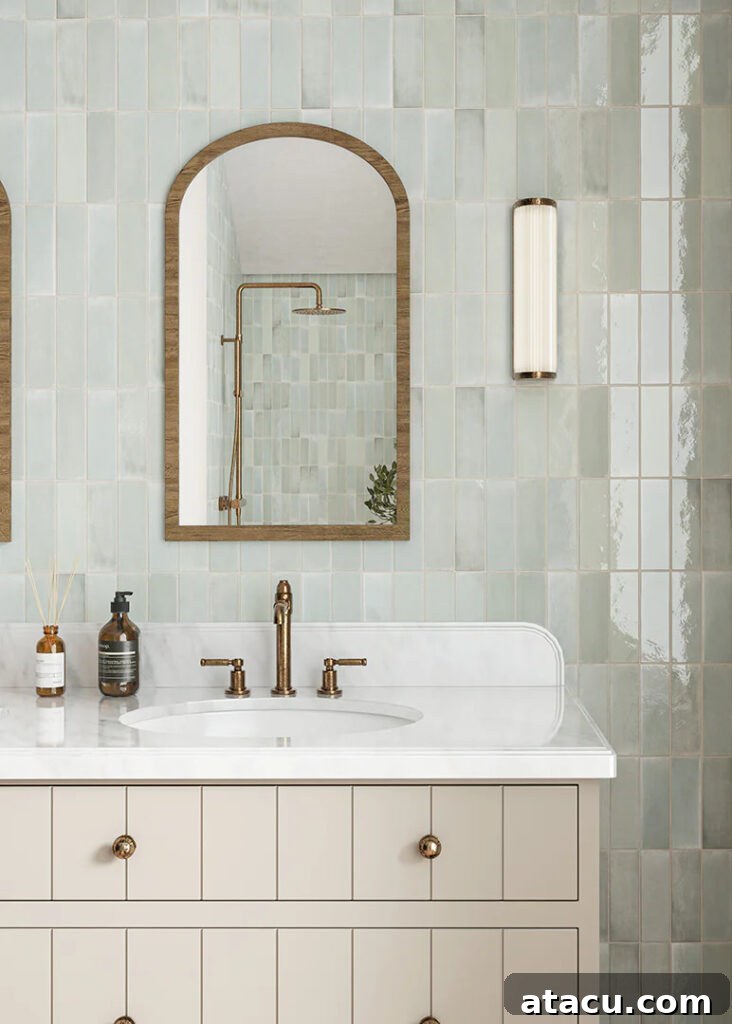
6. Glossy vs. Matte: A Strategic Choice
The finish of your tiles plays a pivotal role in shaping the atmosphere of a small bathroom. Glossy tiles, with their reflective surfaces, are excellent for bouncing light around the room, making it feel notably brighter and more expansive – an absolute game-changer for windowless bathrooms. They also tend to be easier to clean. Conversely, matte finishes exude a contemporary, sophisticated, and luxurious appeal. They absorb light, creating a softer, more grounded feel, and are often preferred for their superior slip resistance on floors. The optimal strategy often involves a balanced approach: perhaps matte tiles on the floor for a sleek, secure foundation, combined with glossy tiles on the walls to ensure the space remains airy and luminous. This interplay of finishes adds depth without visual clutter.
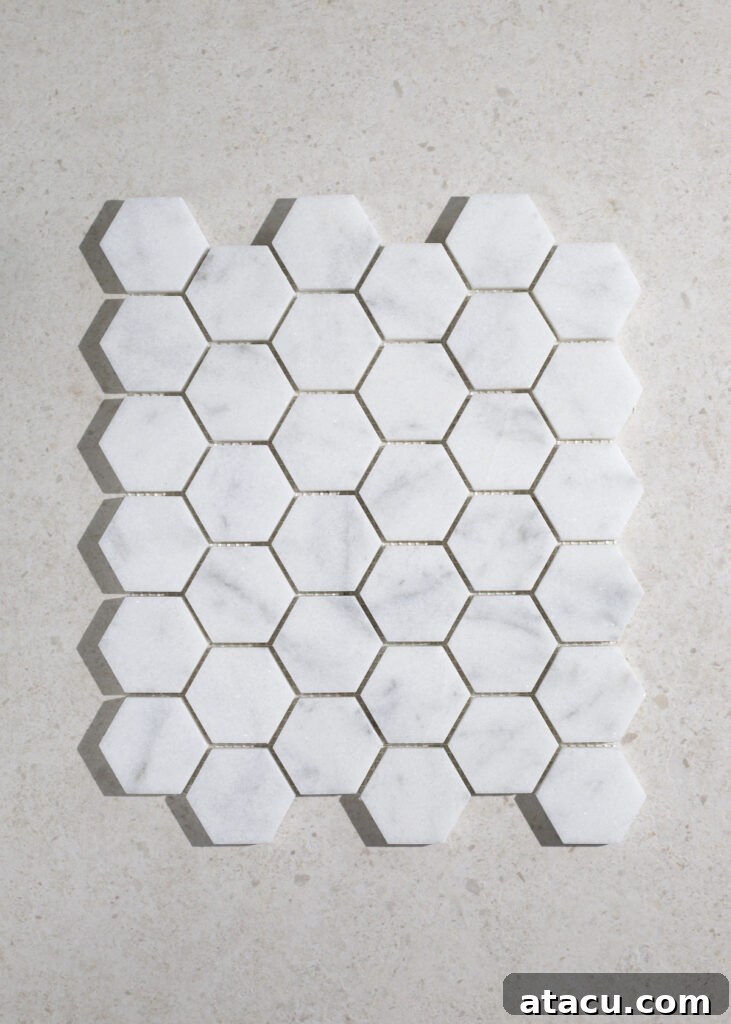
7. Embrace Unique Tile Shapes
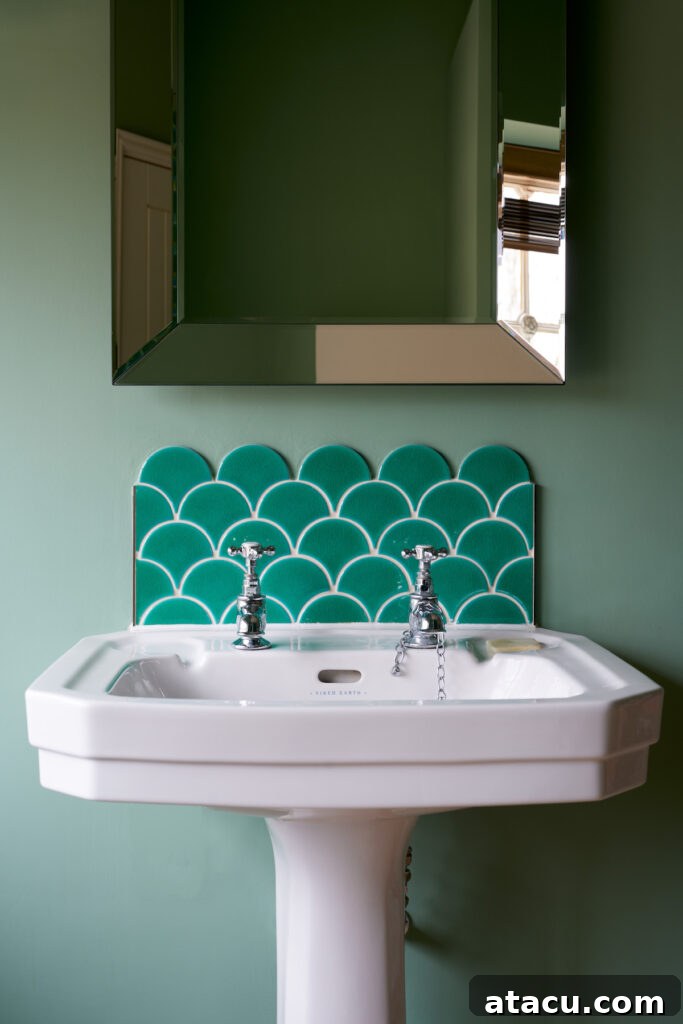
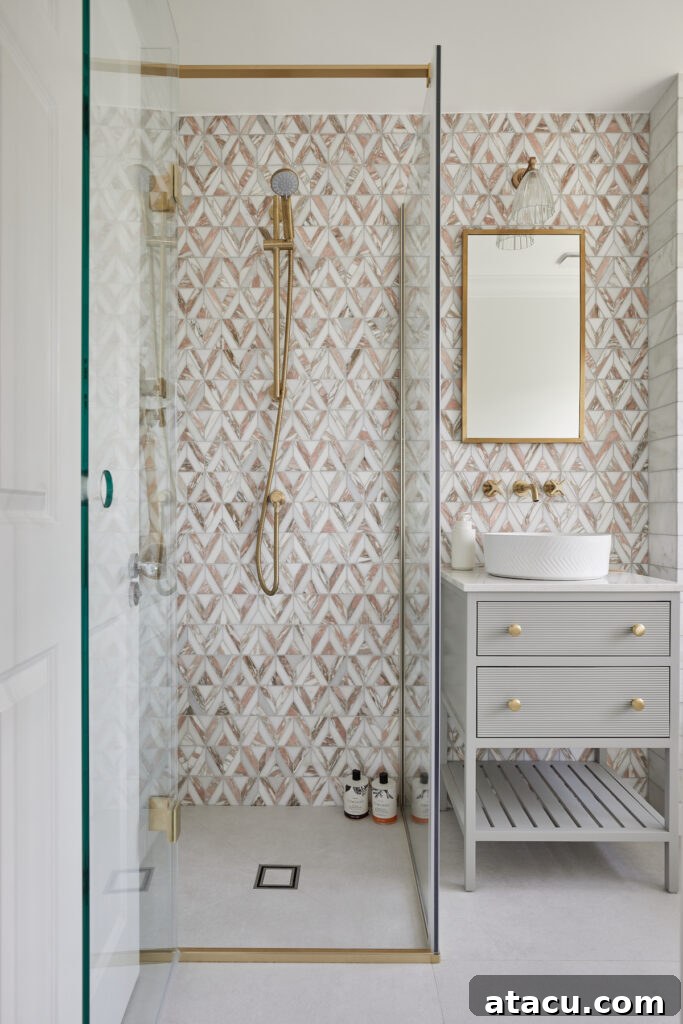
While classic square and rectangular tiles offer enduring appeal, venturing into unconventional tile shapes can inject unique interest and personality into your small bathroom without overwhelming it. Hexagons, delicate penny rounds, elegant arabesque patterns, or even whimsical fish scale tiles can provide a playful yet sophisticated touch. These distinct shapes work particularly well in smaller doses – think a striking shower niche, an eye-catching backsplash behind the vanity, or a creative border. They serve as exquisite focal points, adding artistic flair and a sense of bespoke design without consuming too much visual real estate, proving that even small spaces can accommodate bold design statements.
Mastering Tile Dimensions for Small Bathrooms
The size of your tiles can significantly impact the perceived scale of your bathroom. Counter-intuitively, smaller tiles aren’t always the best choice for small spaces. Large format tiles, typically 12×24 inches or even larger, can make a compact bathroom feel dramatically more expansive. This is due to the reduction in grout lines, which minimizes visual breaks and creates a continuous, unbroken surface. The eye flows effortlessly across these larger expanses, giving the illusion of greater area. If you’re drawn to smaller tiles or mosaics, consider using them strategically as a decorative border, inside a shower niche, or to create a focal point, rather than covering entire walls. For floor tiles, a versatile range between 6×6 inches to 12×12 inches often strikes the ideal balance between practical installation and aesthetic harmony in smaller rooms, providing a sense of scale without becoming too busy.
The Psychology of Colour: Hues That Amplify Space
Colour is one of the most powerful tools in a designer’s arsenal, and its impact is magnified in a small bathroom. Light colours, such as pristine whites, soothing creams, and ethereal pale greys, are masters of reflection. They bounce light around the room, instantly making it feel larger, brighter, and more airy. However, embracing dark colours isn’t entirely off-limits; they can work wonders when used strategically. A dark feature wall or a richly coloured floor can add depth and sophistication, especially when contrasted with lighter surrounding elements. A monochromatic colour scheme, utilizing varying shades and textures of a single hue, is another excellent technique for creating a cohesive, expansive, and incredibly chic look, preventing the space from feeling disjointed and cramped.
Pattern Play: Visual Tricks to Expand Your Space
Clever use of patterns can skillfully deceive the eye, making a small bathroom appear larger and more interesting. Diagonal or chevron patterns, particularly on the floor, can create a sense of movement and width, drawing the eye across the room and suggesting a broader area. Vertical stripe patterns, whether subtle or bold, are invaluable for adding perceived height, elongating walls and lifting the ceiling. Surprisingly, large-scale patterns can also work in a small space; rather than overwhelming it, they can paradoxically make the room feel larger by providing a singular, impactful design element that encourages the eye to sweep across the entire surface. When considering patterns, ensure they complement the room’s overall aesthetic and don’t introduce too much visual clutter.
Texture and Finish: Adding Depth Without Clutter
Beyond colour and pattern, the texture and finish of your tiles are crucial for adding depth and interest to a small bathroom without introducing unnecessary clutter. As discussed, glossy tiles are excellent light reflectors, enhancing brightness and the perceived openness of a space. Matte tiles, conversely, offer a modern, sophisticated aesthetic and provide better slip resistance, making them ideal for floors. Textured tiles, such as those with a subtle 3D effect, handcrafted finishes like zellige, or natural stone with its inherent variations, can add a rich tactile dimension. The key is moderation: use textured tiles sparingly, perhaps on a single wall or within a shower recess, to create a focal point without visually crowding the room. This balance ensures the space remains serene and inviting.
Layout Techniques: Maximising Visual Impact
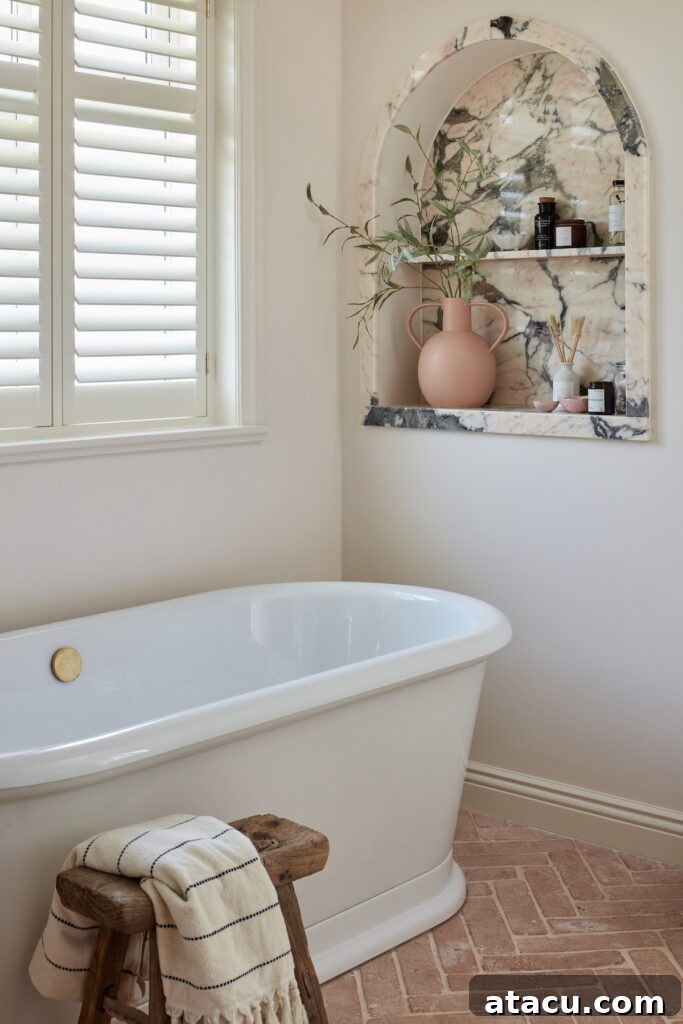
The way you arrange your tiles is just as important as the tiles themselves. Various layout techniques can dramatically influence the perception of space in a small bathroom. A running bond (or brick) pattern can make narrow spaces appear wider and more dynamic. Herringbone patterns, with their distinctive V-shape, add significant visual interest and effectively direct the eye, making a room feel more expansive or drawing focus to a specific area. As previously highlighted, vertical layouts are superb for making ceilings appear higher, elongating the walls. Consider extending floor tiles up onto the lower portion of the walls to create a cohesive ‘bath rug’ effect, further blending surfaces and expanding the visual footprint of the room. Consistent, precise grout lines are paramount for any layout to achieve a polished, professional finish that enhances the overall effect.
Material Matters: Choosing the Right Type of Tile
The material of your chosen tiles brings its own set of benefits and aesthetic qualities to a small bathroom. Ceramic tiles are a popular and budget-friendly choice, offering an immense variety of colours, patterns, and finishes. Porcelain tiles, a denser and more durable option, are exceptionally water-resistant, making them ideal for wet areas like shower enclosures. They also excel at mimicking more expensive materials such as marble or wood, offering luxury at a lower cost. Glass tiles can introduce a luminous, reflective quality that enhances light and adds a touch of modern elegance. Natural stone tiles like marble, travertine, or slate bring an organic texture and unique beauty but typically require more maintenance and sealing. Each material has distinct characteristics to weigh against your aesthetic preferences, budget, and practical needs.
Grout Considerations for a Seamless Look
Often overlooked, grout plays a crucial role in the final appearance of your tiled surfaces, especially in a small bathroom. For an uninterrupted, expansive aesthetic, choose a grout colour that closely matches your tiles. This minimizes the grid lines, allowing the eye to sweep across the surface without interruption, making the space appear larger and more cohesive. Conversely, contrasting grout can highlight the tile pattern, adding a graphic element, but it can also make the space feel busier, which might not be ideal for compact rooms. The thickness of your grout lines also matters; thinner lines enhance the seamless look, particularly with rectified tiles. For small bathrooms that see frequent use, opting for epoxy grout is a smart choice due to its superior durability, stain resistance, and impermeability compared to traditional cementitious grout, simplifying cleaning and maintenance.
Practical Considerations for Long-Lasting Beauty
Beyond aesthetics, practical considerations are paramount when selecting tiles for a small bathroom. Durability is key; choose tiles that can withstand moisture, humidity, and daily wear and tear. Slip-resistance, especially for floor tiles in wet areas like showers, is non-negotiable for safety. Look for tiles with a suitable R-rating. Ease of cleaning and maintenance is another vital factor in a busy bathroom. Smooth, glazed tiles are generally easier to wipe down than highly textured or unsealed natural stone. Considering these practical aspects upfront ensures your beautiful tile choices remain functional and stunning for years to come, contributing to a stress-free and enjoyable bathroom experience.
Budget-Friendly Tiling Tips
Tiling a bathroom, even a small one, can be a significant investment. However, there are smart ways to achieve a luxurious look without breaking the bank. Consider mixing high-end, premium tiles with more affordable options. For example, use a lavish mosaic or natural stone tile for a small accent area like a shower niche or backsplash, and pair it with more budget-friendly ceramic or porcelain tiles for the larger wall and floor surfaces. Porcelain tiles are excellent for mimicking the appearance of pricier materials like marble or wood, offering a sophisticated aesthetic at a fraction of the cost. Always look out for sales, clearance items, or end-of-batch deals. If you’re handy, consider DIY installation to save on labour costs, but ensure you have the necessary skills and tools for a professional finish.
Bringing It All Together: Achieving Cohesive Design
The ultimate goal is to create a cohesive, harmonious design where your tile choices work seamlessly with all other elements of your small bathroom. Before finalizing your selections, envision how your tiles will complement the fixtures, lighting, vanity, cabinetry, and even the paint colour on any untiled walls. Creating a mood board is an invaluable step; it allows you to visualize how different tile options, finishes, and colours interact with each other and with other materials. Don’t hesitate to request tile samples to see how they look in your actual space under different lighting conditions. Taking a holistic approach ensures that every decision contributes to a unified, functional, and aesthetically pleasing small bathroom that perfectly reflects your personal style and maximizes every inch of its potential.
In conclusion, designing a small bathroom is not about uncovering a magical, one-size-fits-all solution, but rather about making intelligent, thoughtful choices that unlock the full potential of your limited space. Whether you opt for expansive large-format tiles to create visual continuity, employ vertical layouts to enhance perceived height, or introduce a bold floor pattern for a dash of personality, every decision you make regarding your tiles holds significant weight in a compact bathroom. By carefully considering factors such as tile size, colour, texture, material, and layout, you possess the power to craft a bathroom that not only efficiently meets your practical needs but also beautifully embodies your individual style and provides a genuine sense of spaciousness and serenity. Small spaces, more often than not, inspire the most inventive and satisfying design solutions.
Find more tile ideas over on my Pinterest.
More design advice for bathrooms
10 of the best sinks for small bathrooms
Why coloured bathroom suites are back in fashion
10 of the best bathroom wall lights
Bathroom design trends
10 of the best modern freestanding baths
10 of the best wall mounted bathroom taps