
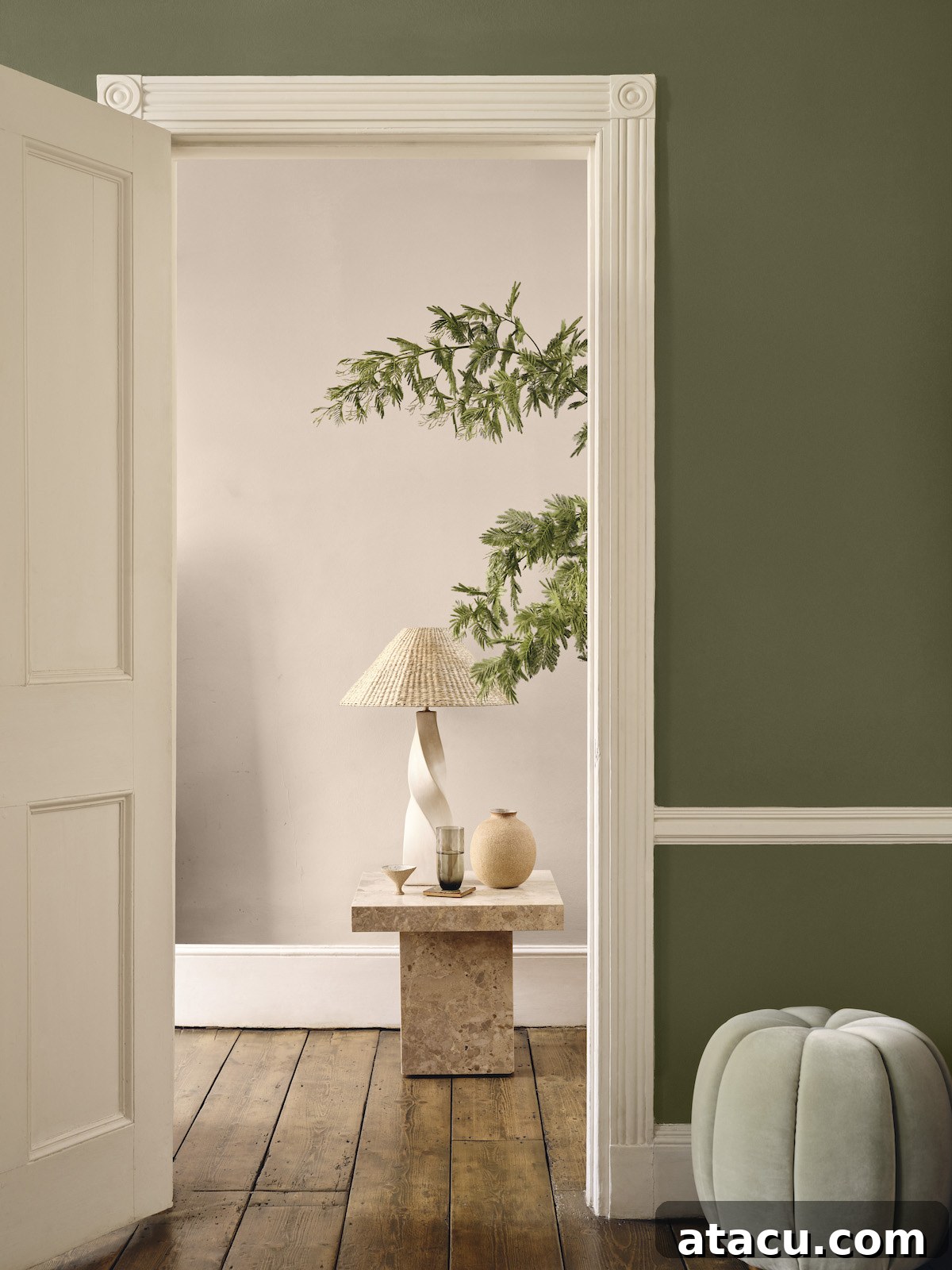
As we gaze toward 2025, a profound transformation is unfolding in the realm of home design. The conversation has evolved far beyond fleeting trends and superficial aesthetics; it now centres on crafting environments that deeply resonate with our lifestyles, aspirations, and core values. The emerging concepts for the year ahead signal a more deliberate and conscious approach to shaping our living spaces, driven by a growing universal desire for balance, genuine connection, and inherent sustainability within our homes. This isn’t just about what looks good; it’s about what feels right, what supports our well-being, and what contributes positively to the world around us. In an increasingly fast-paced world, our homes are becoming sanctuaries that reflect a slower, more intentional way of living.
Here are eight pivotal principles that will be redefining interior design in 2025, along with practical, accessible ways to integrate them into your dwelling, often without the need for extensive renovations or a complete overhaul.
1. Biophilic Design: Reconnecting with Nature Indoors
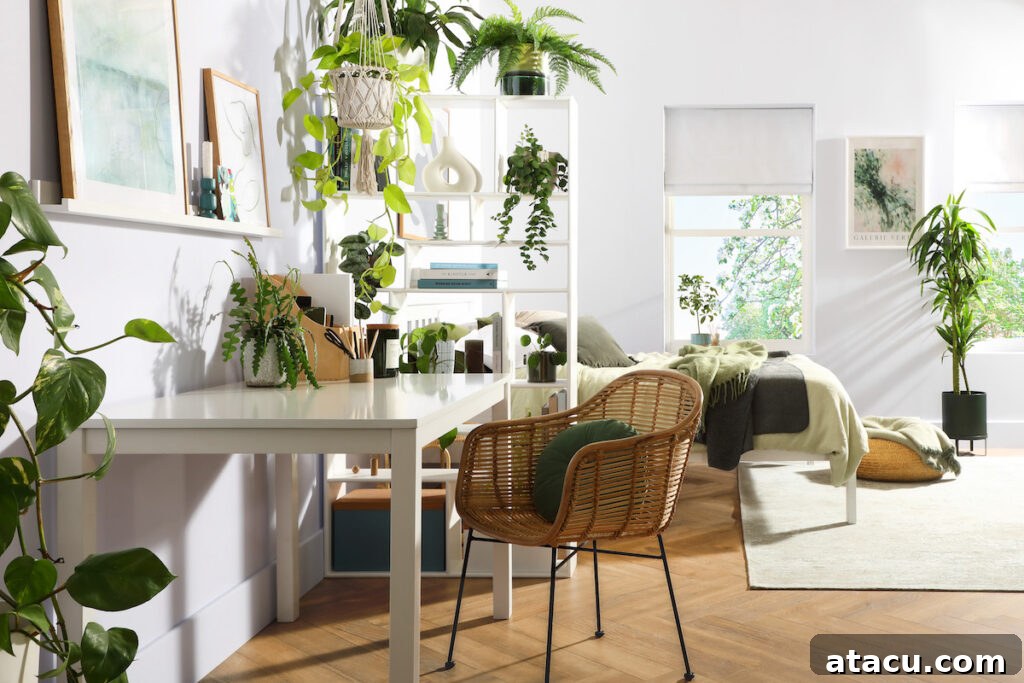
Biophilic design, a philosophy that has steadily gained traction over recent years, is set to become an even more dominant force in 2025. This concept is fundamentally about integrating natural elements and processes into built environments to foster a powerful, innate connection with nature. Research consistently demonstrates that a strong biophilic connection can significantly enhance human well-being, reducing stress, improving cognitive function, and boosting mood. It’s an acknowledgment of our primal need to be surrounded by the natural world, even within urban settings.
At its core, biophilic design transcends merely adding a few potted plants. It encompasses maximizing natural light, introducing diverse indoor flora, incorporating subtle water features, and utilizing organic materials like unfinished wood, natural stone, bamboo, and cork. It also involves mimicking natural patterns and forms, creating spaces that feel inherently harmonious and calming.
How to incorporate it: Begin by optimizing your home’s exposure to natural light. Position desks and seating near windows, and consider sheer curtains that diffuse light without blocking it entirely. Introduce a variety of indoor plants; think beyond small desk plants to include larger statement pieces, hanging plants, and even living walls if space allows. Beyond foliage, bring in natural textures and materials through your decor. Opt for wooden furniture with visible grain, stone coasters or vases, woven baskets made from rattan or seagrass, and natural fibre rugs. Even subtle elements like artwork depicting natural landscapes or patterns can contribute. Consider a small tabletop water feature for its soothing sounds, or choose paint colours inspired by nature – greens, blues, and earthy tones – to create a serene backdrop.
2. Sustainable Luxury: Elegance with Conscience
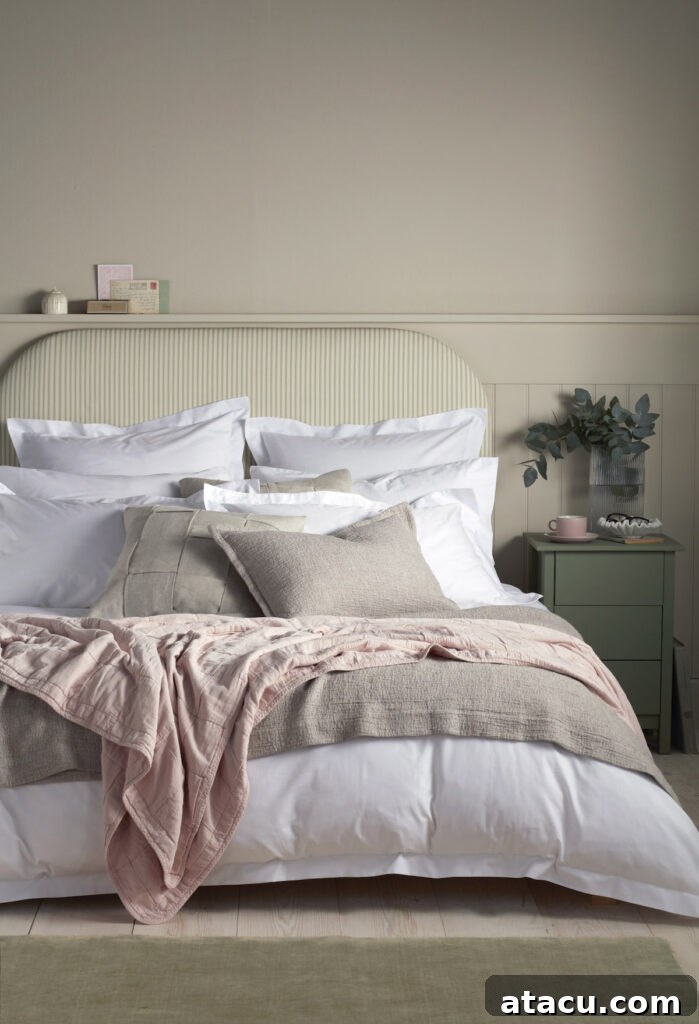
Sustainable luxury represents a sophisticated evolution in design, seamlessly merging high-end aesthetics and unparalleled comfort with deeply ingrained environmentally conscious practices. This growing movement champions the creation of opulent and elegant spaces without ever compromising on ethical sourcing, ecological impact, or social responsibility. It offers the discerning homeowner the ultimate harmony: exquisite style paired with unwavering sustainability. This isn’t just about expense; it’s about investing in enduring quality, ethical production, and a reduced environmental footprint, ensuring that your beautiful home also contributes positively to the planet.
The essence of sustainable luxury lies in mindful consumption and an appreciation for craftsmanship that truly lasts. It involves choosing responsibly sourced materials, often organic, recycled, or upcycled, and embracing energy-efficient technologies that enhance both comfort and eco-friendliness. Furthermore, it emphasizes high-quality craftsmanship, meaning pieces are built to stand the test of time, reducing the need for frequent replacements and minimizing waste. Think heirloom quality items made with respect for both people and planet.
How to incorporate it: Elevate your home by selecting furniture and decor crafted from sustainable materials. Look for pieces made from reclaimed wood, certified organic fabrics (like cotton, linen, hemp), recycled metals, or innovative materials derived from waste. Prioritize brands that provide transparent information about their supply chains, ethical labour practices, and environmental certifications (e.g., FSC for wood, GOTS for textiles). Invest in timeless designs rather than trendy items, opting for classic silhouettes and durable construction that will remain stylish for decades. Integrate smart home systems for energy efficiency, such as programmable thermostats, LED lighting, and smart blinds that optimize natural light and temperature. Even small changes, like choosing high-thread-count organic cotton bedding or a rug made from recycled PET plastic, can infuse your space with this conscientious elegance.
3. Low-VOC Materials: Breathing Easier at Home
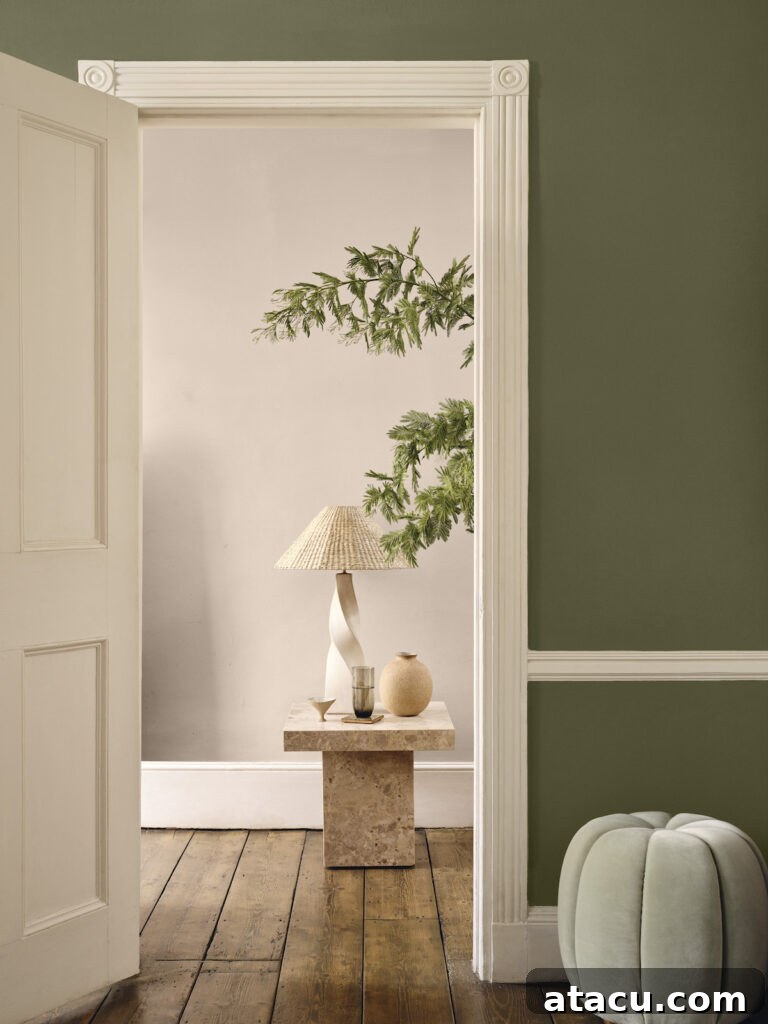
As collective awareness around health, wellness, and indoor air quality continues to surge, low-VOC (volatile organic compounds) materials are poised to become an essential standard in home design by 2025. VOCs are harmful chemicals released as gases from certain solids or liquids, and they can be found in a vast array of common household products, from paints and adhesives to flooring and furniture finishes. Prolonged exposure to high levels of VOCs can lead to a host of health issues, including respiratory problems, headaches, nausea, and even more serious long-term effects. The shift towards low-VOC alternatives is a direct response to the demand for healthier, safer indoor environments where we spend the majority of our time.
These healthier materials are specifically engineered to emit significantly fewer harmful chemicals into the air, drastically improving the overall air quality within your home. This trend extends beyond just paint; it encompasses a wide range of building and decorative products, ensuring that every element contributes to a purer living space.
How to incorporate it: When undertaking any home refresh or renovation, make low-VOC options your default choice. Start with paints: numerous brands now offer high-quality, low-VOC or even zero-VOC paints in a wide spectrum of colours. For flooring, explore sustainable and low-VOC options such as cork, bamboo, natural linoleum, or recycled rubber, all of which are excellent alternatives to traditional materials that might off-gas chemicals. When purchasing new furniture, especially upholstered items, inquire about the materials used in their construction, including glues and finishes, and look for certifications that guarantee low emissions. Even smaller items like sealants, caulks, and cleaning products have low-VOC alternatives. This seemingly small adjustment in material selection can profoundly impact the air you breathe daily, fostering a healthier habitat for you and your family.
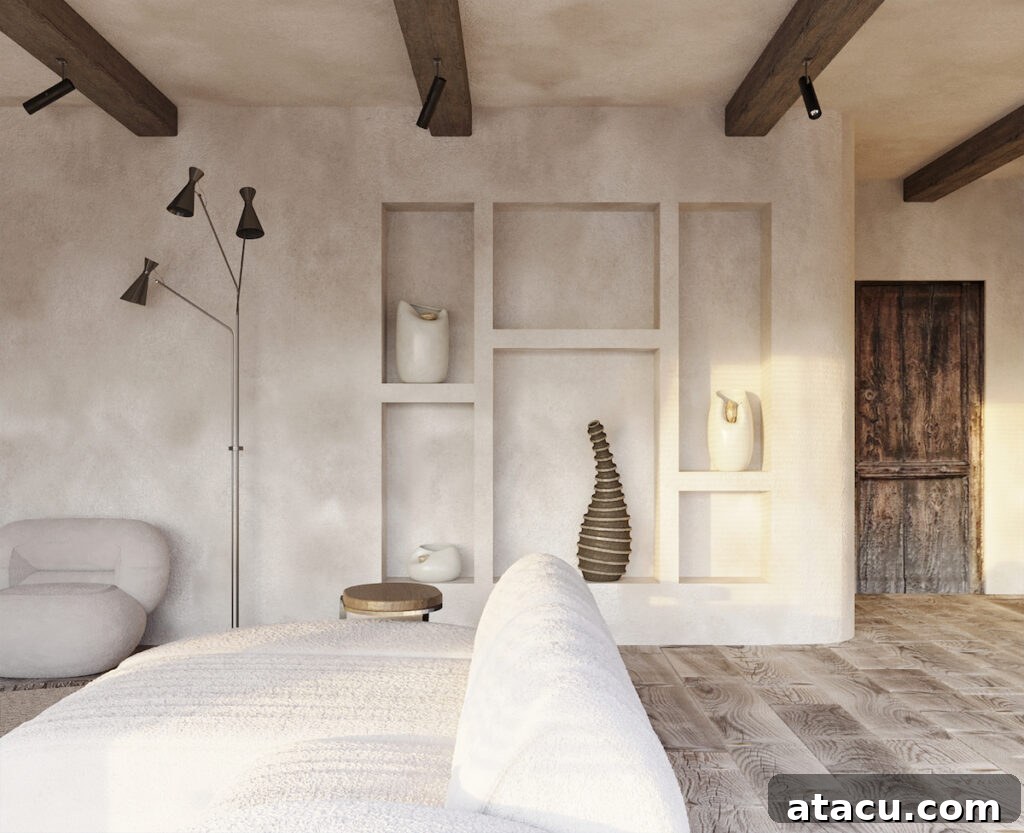
4. Wabi-Sabi: Embracing the Beauty of Imperfection
Wabi-sabi, an ancient Japanese aesthetic and philosophy, continues its quiet but powerful influence on interior design in 2025. At its heart, wabi-sabi celebrates imperfection, transience, and simplicity, advocating for an appreciation of the authentic beauty found in natural processes and humble objects. This concept offers a refreshing counter-narrative to the prevailing desire for pristine, overly polished, or mass-produced perfection. Instead, it invites us to find grace in the worn, the asymmetrical, and the unfinished, creating spaces that feel lived-in, soulful, and deeply personal.
In a wabi-sabi inspired home, objects tell a story through their age and character. It’s about honouring the cracks in a ceramic bowl, the natural grain of weathered wood, or the subtle fading of a textile over time. The emphasis is on natural materials, muted colour palettes, and an uncluttered yet warm aesthetic that promotes peace and contemplation. It encourages a shift from striving for an unattainable ideal to embracing the unique charm of the imperfect, valuing authenticity over artificiality.
How to incorporate it: To bring the spirit of wabi-sabi into your home, shift your focus from rigid symmetry and flawless finishes to celebrating character and history. Introduce handmade ceramic pieces with slight irregularities, or select a solid wooden table that naturally develops a unique patina over time. Seek out vintage or antique furniture that bears the marks of its past, adding depth and narrative to your space. Embrace natural textures like linen, wool, and unpolished stone. Arrange items in a way that feels organic and unforced, allowing for subtle asymmetry. Rather than striving to conceal every scratch or imperfection, allow them to become part of the object’s unique story, fostering a sense of warmth, authenticity, and enduring beauty in your environment. Decluttering also plays a key role, allowing essential, cherished items to truly shine.
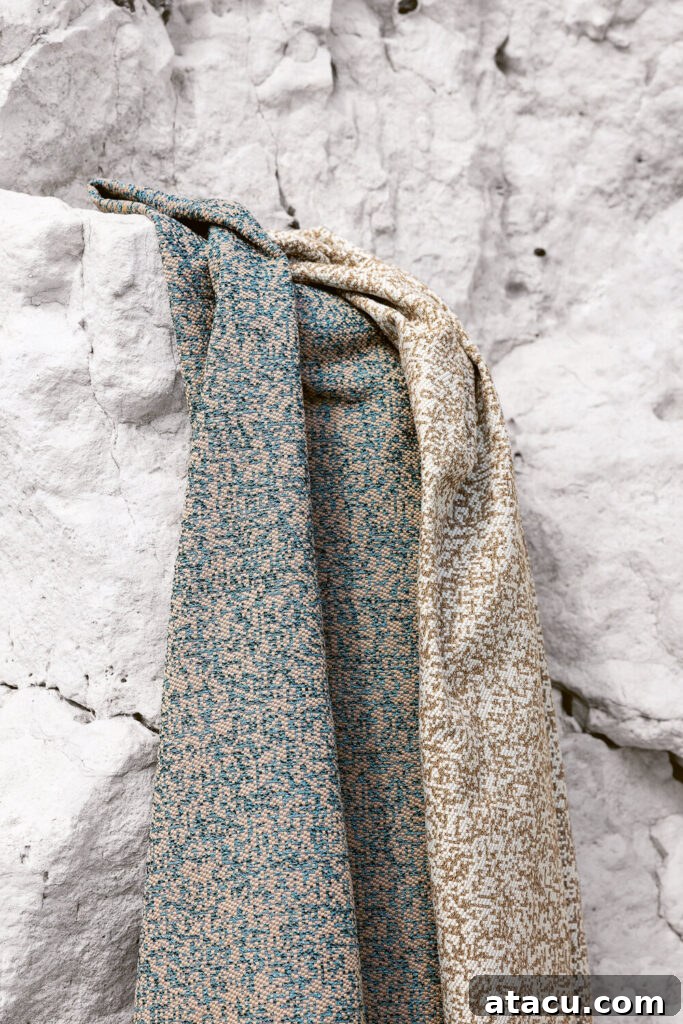
5. Circular Design: Building a Future Without Waste
Circular design is rapidly emerging as a foundational principle across industries, and its influence on interior design will be particularly significant in 2025. This innovative approach fundamentally aims to minimize waste and maximize resource efficiency by designing products and interiors that can be continuously reused, easily repaired, refurbished, or fully recycled at every stage of their life cycle. It stands in stark contrast to the traditional linear “take-make-dispose” model, reflecting a critical shift towards a more regenerative economy and conscious consumption within our homes. This design philosophy seeks to keep materials in use for as long as possible, extracting maximum value from them while in use, and then recovering and regenerating products and materials at the end of their service life.
The core tenets of circular design emphasize durability, modularity, adaptability, and the use of sustainable, non-toxic materials. It encourages manufacturers and consumers alike to consider the entire journey of a product – from its raw material extraction to its eventual end-of-life, striving to close the loop and eliminate waste.
How to incorporate it: Make conscious choices by investing in furniture and decor pieces specifically designed for longevity and recyclability. Look for modular furniture that can be reconfigured or updated as needs change, extending its functional life. Seek out brands that clearly articulate their commitment to circular principles, perhaps offering take-back programs or repair services. Prioritize materials that are either recycled content or readily recyclable, such as recycled plastic, glass, or metals, and sustainably harvested wood. Before making a purchase, consider the product’s entire life cycle: Can it be repaired if broken? Can its components be upgraded? What happens to it when you no longer need it? Embracing circular design means thinking beyond the immediate purchase and considering the long-term environmental impact of every item in your home. This also includes upcycling old items, giving them a new purpose, and reducing your contribution to landfill waste.
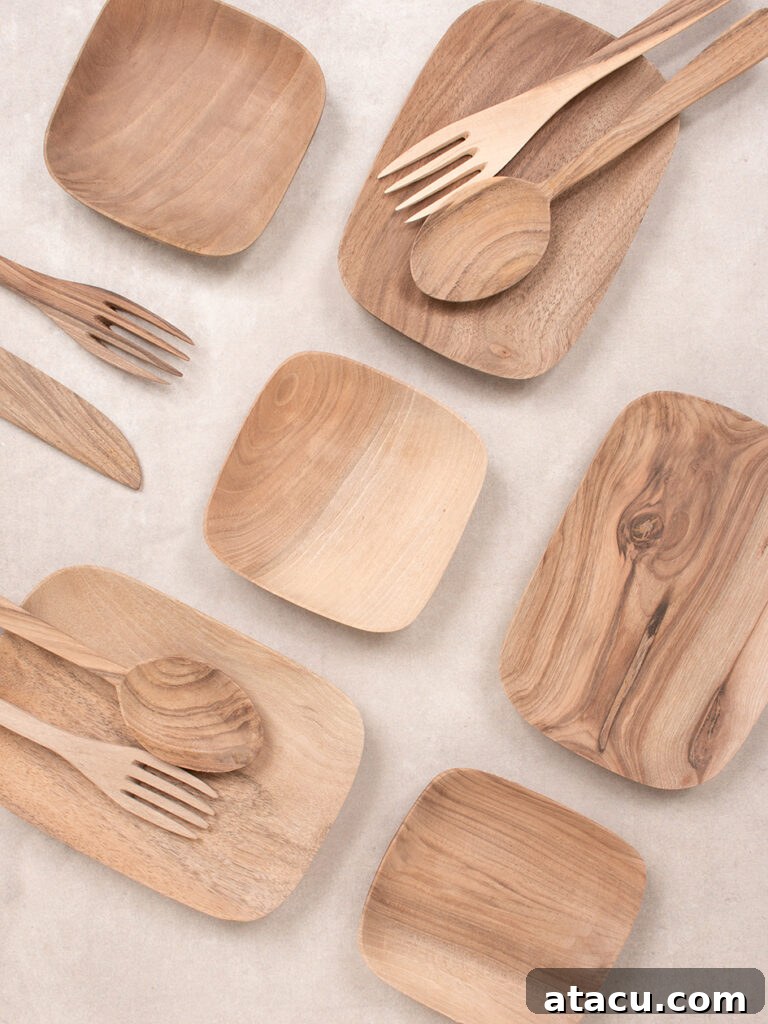
6. Slow Decor: Cultivating a Mindful Home
Inspired by the broader slow living movement, slow decor champions a philosophy of thoughtful, deliberate, and intentional decorating. It’s an antidote to the fast-paced consumer culture that often pushes us towards fleeting trends and impulse purchases. Instead, slow decor encourages us to curate our spaces over time, investing in meaningful, high-quality, and sustainable pieces that resonate deeply with our personal story and values, rather than chasing the latest, ever-changing fads. It’s about creating a home that evolves organically, reflecting a personal journey rather than a Pinterest board.
This approach emphasizes enduring design, craftsmanship, and a deep appreciation for the origins and materials of each item. It invites a slower pace of decision-making, encouraging homeowners to live with their spaces, understand their needs, and then thoughtfully select items that truly contribute to a sense of calm, comfort, and authenticity. Slow decor is not about instant gratification; it’s about building a home with soul, piece by treasured piece.
How to incorporate it: Embrace patience and resist the urge to fill your space overnight. Take your time curating each room, allowing it to develop its own personality. Choose items that hold sentimental value, whether they are family heirlooms, souvenirs from travels, or pieces gifted by loved ones. Prioritize supporting independent artisans, local makers, and fair-trade brands, understanding the story behind each item and its creator. Invest in timeless, durable materials like handcrafted wood, natural stone, vintage textiles, and high-quality ceramics, which will age gracefully and contribute to the character of your home. Rather than buying an entire furniture set, mix and match pieces that you genuinely love. Let your decor evolve naturally as you discover items that truly resonate with you, creating a home that feels authentic, layered, and deeply personal, reflecting your unique journey and aesthetic preferences.
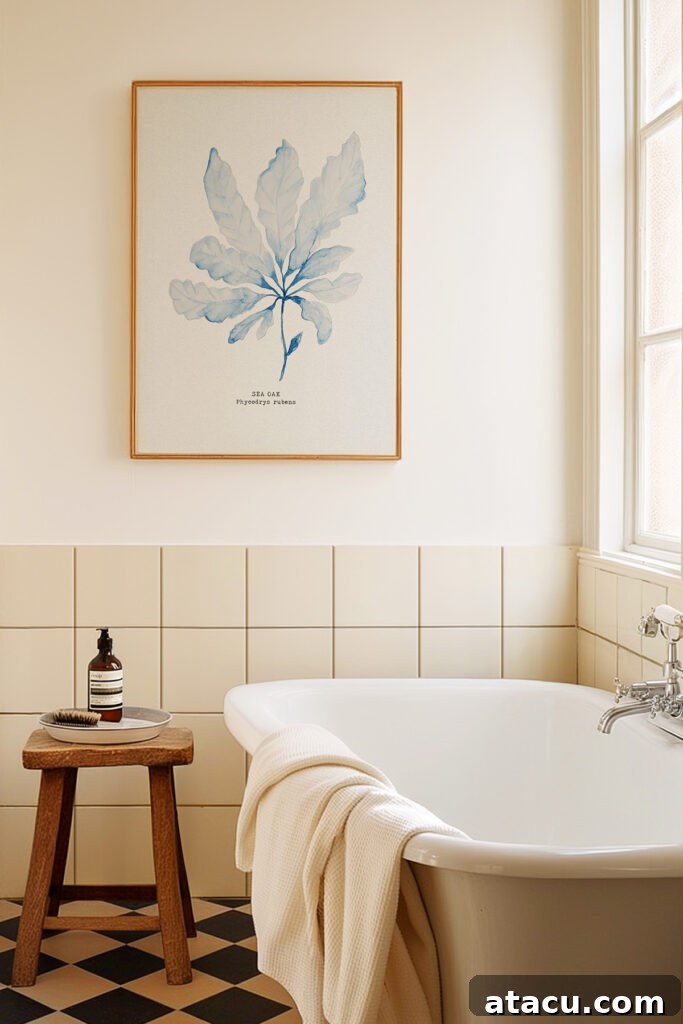
7. Neuroaesthetic Design: Crafting Spaces for Well-being
Rooted deeply in the scientific principles of psychology and neuroscience, neuroaesthetic design represents a cutting-edge approach to crafting environments that actively cater to mental and emotional well-being. This fascinating field explores how the deliberate design of a space can profoundly influence our brain and emotions, moving beyond mere visual appeal to create truly restorative and uplifting interiors. By meticulously selecting and combining specific elements such as colours, shapes, lighting, textures, and even spatial arrangements, neuroaesthetic design aims to create environments that demonstrably enhance mood, alleviate stress, boost cognitive function, and foster an overall sense of peace and belonging. It’s all about creating sensory harmony and crafting spaces that feel intuitively nurturing and calming, directly influencing our mental state in a positive way.
This approach understands that our brains constantly process visual and sensory information, and that certain patterns, proportions, and material choices can elicit specific emotional responses. For instance, natural patterns and gentle curves are often perceived as less threatening and more comforting than sharp angles or repetitive, artificial forms.
How to incorporate it: To harness the power of neuroaesthetic design, begin by choosing calming colour palettes. Soft blues, muted greens, warm neutrals, and earthy tones are known to reduce anxiety and promote relaxation. Optimize lighting to mimic natural circadian rhythms, maximizing natural light during the day and incorporating warm, dimmable artificial light in the evenings. Introduce natural materials such as unpolished wood, natural stone, and wool, which offer rich tactile experiences and visual warmth. Opt for furniture and artwork featuring gentle curves and organic shapes, as these can evoke a sense of safety and fluidity, reducing visual tension. Incorporate soothing sensory elements like soft, plush fabrics for throws and cushions, subtly scented diffusers with natural aromas (like lavender or cedarwood), and even quiet soundscapes if appropriate. Thoughtful spatial planning that creates clear pathways and designated zones for different activities can also reduce mental clutter and enhance a sense of order and tranquility.
8. Adaptive Reuse: Reinventing Spaces with Purpose
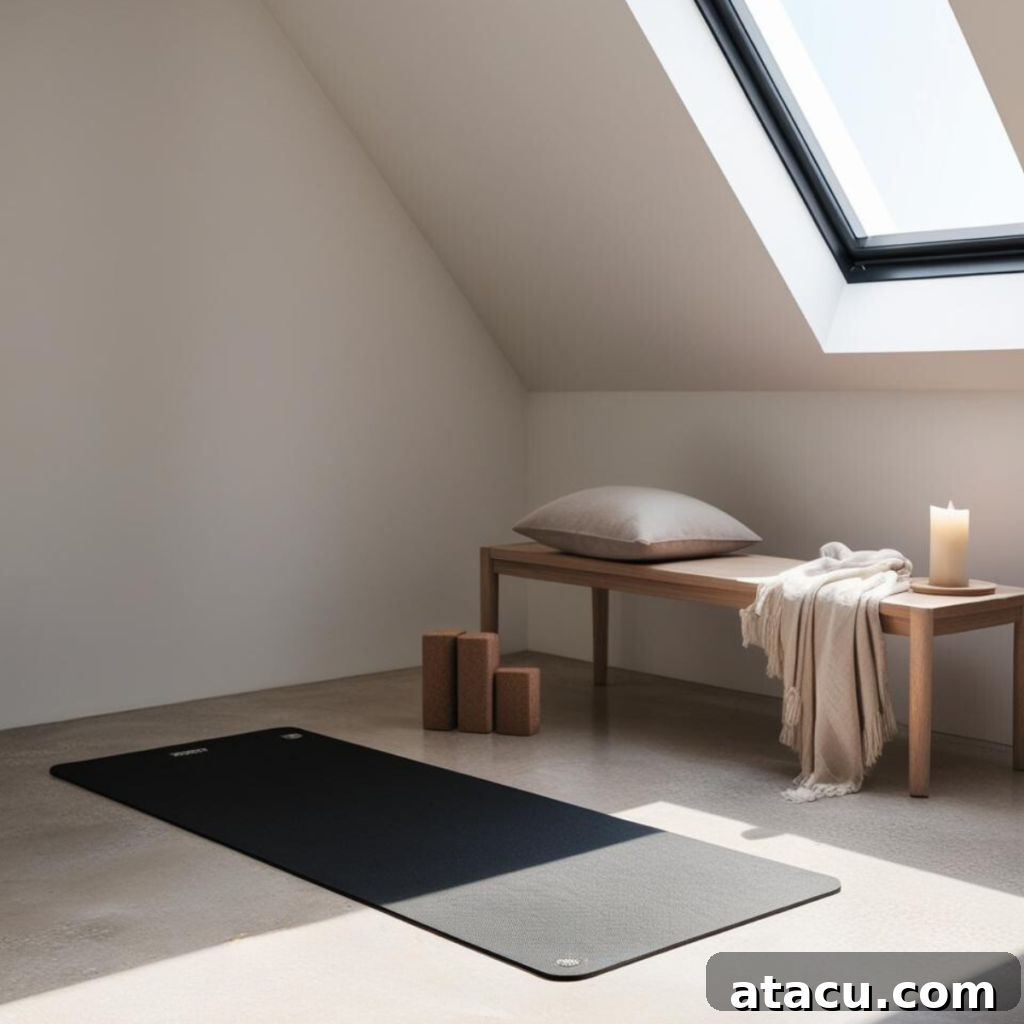
Originating as a fundamental principle in architecture, adaptive reuse is powerfully making its way into the lexicon of interior design, reflecting a growing imperative for sustainability and resourceful creativity. This concept involves taking an existing space, structure, or even an object, and ingeniously repurposing it for a new and often entirely different function. It’s an approach that celebrates the inherent character and history of a place while simultaneously extending its practical life and reducing the demand for new construction or materials. For example, converting an underutilized loft into a serene home yoga studio, transforming a dusty garage into a vibrant home office, or even reimagining an old dresser into a bathroom vanity are all manifestations of adaptive reuse.
Beyond its environmental benefits, adaptive reuse often results in spaces with unique character and a rich narrative, distinct from newly built environments. It encourages designers and homeowners to think creatively about existing resources and challenges the notion that everything must be brand new to be functional or beautiful.
How to incorporate it: Begin by critically assessing your home for underutilized areas or objects. Do you have a spare room that has become a dumping ground, collecting dust and forgotten items? Consider how this space could be reimagined to serve a new, valuable purpose in your daily life – perhaps a quiet reading nook, a dedicated hobby zone, or even a compact home gym. You don’t necessarily need major structural renovations; often, it requires a creative rethinking of the space’s potential, new furniture arrangements, and strategic decor. Look for opportunities to repurpose existing items: an old ladder could become a towel rack or bookshelf, vintage suitcases could transform into unique side tables, or an antique door could become a rustic headboard. Embrace the challenge of working within existing constraints, allowing them to spark innovative solutions that bring new life and purpose to overlooked corners of your home, contributing to both its functionality and its sustainable footprint.
As I reflect on these transformative concepts for 2025, it becomes profoundly clear how much interior design is shifting its focus. It’s moving beyond a mere preoccupation with superficial aesthetics and is deeply embracing the core principles of wellness, mindful living, and how we genuinely desire to feel within our homes. I find myself particularly drawn to ideas like ‘slow decor’ and ‘adaptive reuse’ because they fundamentally challenge the relentless pace of consumer culture, encouraging a more thoughtful, intentional, and sustainable approach to shaping our most intimate environments. Instead of chasing transient trends or striving for an elusive perfect image, I’ve started to prioritize how my living space impacts my emotional state – seeking out elements that evoke calmness, ground me, and connect me to cherished past experiences. By consciously letting go of the pressure for everything to be ‘just so’ or to adhere to a rigid aesthetic, I’m discovering that my home feels significantly more personal, inviting, and truly reflective of who I am.
But enough about my personal journey – what about yours? Which of these forward-thinking interior design principles resonate most deeply with you, and why do you feel they are important for the future of our homes?