
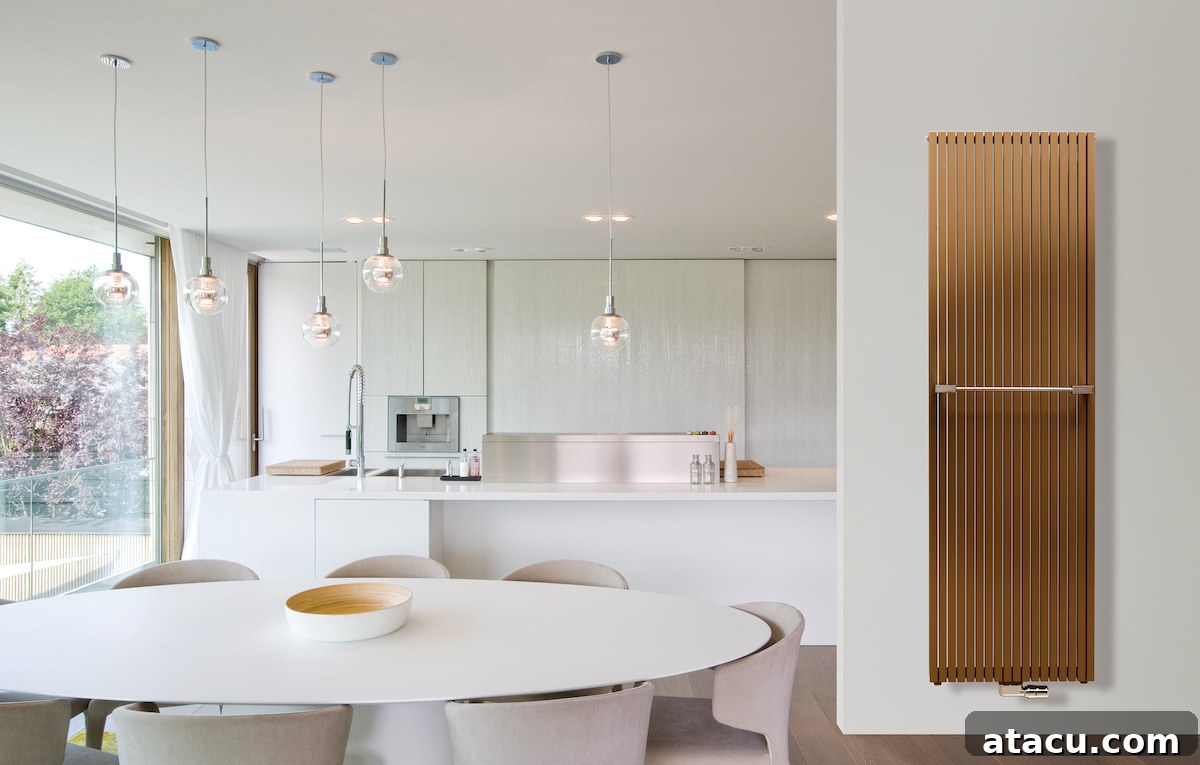
In the quiet heart of our homes, radiators often toil away unnoticed, providing essential warmth until a subtle shift—a cold spot, a peculiar gurgle, or a room stubbornly refusing to warm up—forces them into our attention. Yet, proactive maintenance of these unsung heroes of home heating can prevent these minor annoyances from escalating into significant issues, not only enhancing comfort but also delivering tangible savings on your energy bills.
As winter approaches or whenever you seek to optimize your home heating efficiency, a few straightforward radiator maintenance practices can make all the difference. Drawing on expert insights from Nick Duggan, Managing Director at The Radiator Centre, this comprehensive guide delves into the essential steps of bleeding, flushing, and cleaning your radiators. By integrating these tips into your routine, you can ensure your heating system operates at its peak, consistently and quietly delivering warmth throughout your living space.
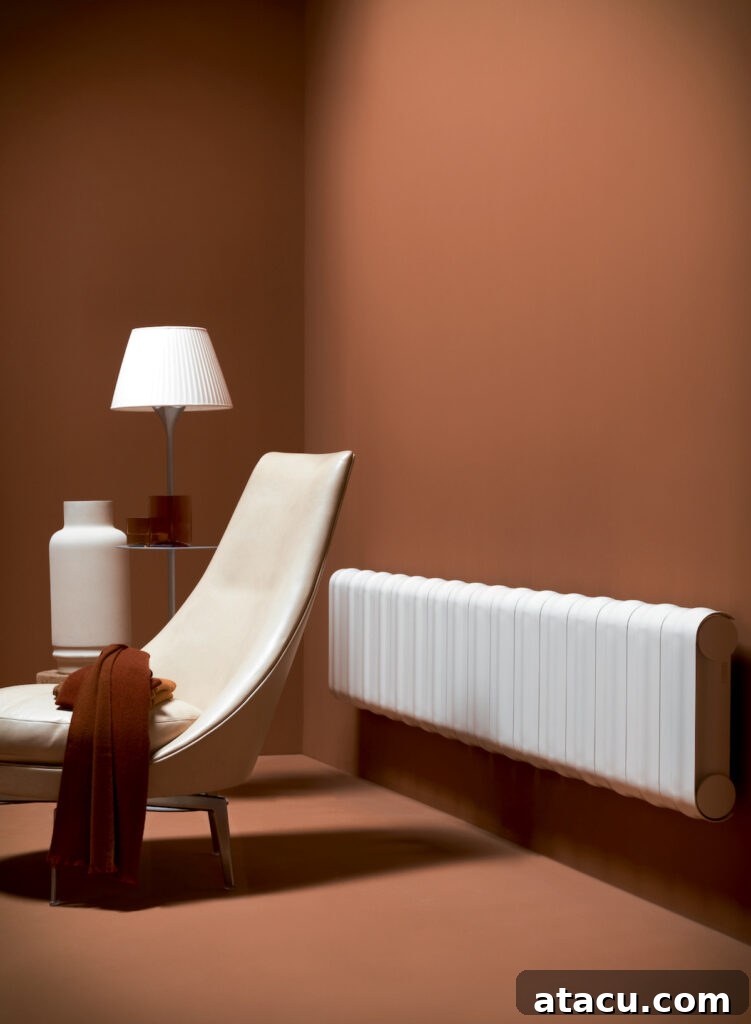
1. Bleed Your Radiators to Release Trapped Air for Peak Performance
One of the most common and easily rectifiable radiator issues is the presence of trapped air. If you notice your radiator is warm at the bottom but distinctly cold at the top, it’s a clear indicator that air has become an unwelcome guest within your heating system. This trapped air prevents hot water from circulating effectively, leading to inefficient heating and higher energy consumption.
Nick Duggan perfectly encapsulates this common problem:
“If you notice that some of your radiators are not heating up evenly, or there is a gurgling sound coming from the direction of your radiator, it often means that air has become trapped in the system.”
Bleeding your radiators is a simple yet profoundly effective DIY task that restores full circulation. You’ll typically need just three items: a radiator key (or, for some older models, a flathead screwdriver), an old towel or cloth to catch any drips, and a little patience. Before you begin, always ensure your heating system is switched off and has had time to cool down. Attempting to bleed a hot radiator can lead to scalding water expulsion. Locate the bleed valve, usually found at the top corner of the radiator. Place your towel underneath the valve. Slowly turn the radiator key (or screwdriver) counter-clockwise until you hear a distinct hissing sound, indicating air is escaping. Keep the towel ready, as a few drops of water will eventually emerge, signaling that all the trapped air has been released. At this point, tighten the valve clockwise until it’s snug, but avoid overtightening. After bleeding all affected radiators, it’s crucial to check your boiler’s pressure gauge. It should ideally sit between 1.5 and 2 bar when the system is cold. If the pressure has dropped significantly, you may need to repressurize your boiler according to its manufacturer’s instructions, often using the filling loop. This five-minute task, performed annually or as needed, can dramatically improve your home’s warmth and reduce your heating costs.
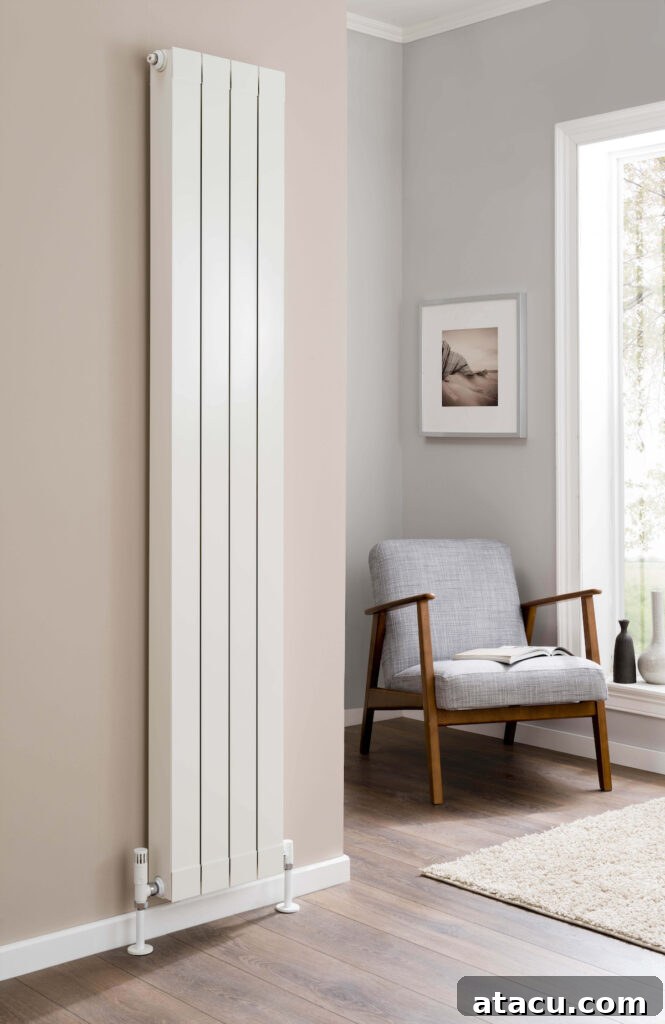
2. Professional Flushing: When and Why Your Heating System Needs a Deep Clean
While bleeding tackles trapped air, an internal buildup of sludge and debris can silently cripple your heating system’s efficiency. This sludge, a murky mixture of rust, dirt, and limescale, accumulates over time as water circulates through metal pipes and radiators. It can clog pipes, reduce water flow, and prevent radiators from heating up properly, even after bleeding. If you’ve recently installed a new radiator, replaced a boiler, or noticed persistent cold spots, unusually noisy pipes, or an inefficient system despite regular bleeding, it might be time for a system flush.
Nick Duggan emphasizes the critical role of flushing, especially after system modifications:
“Whenever you do anything with your heating system—change a radiator, etc.—you need to flush in order to remove any potential debris which could prove harmful to the boiler.”
Most modern heating systems are ‘closed-loop,’ meaning the water within them is recirculated rather than regularly refreshed. This design means they typically only require a comprehensive flush when significant changes, repairs, or persistent issues arise. However, when it is needed, flushing is far from a DIY undertaking. It involves specialist equipment and technical know-how to effectively remove the stubborn sludge without damaging the system components.
“This is something that really needs to be carried out by a qualified plumber… better to have someone who knows what they are doing and has the correct equipment.”
A professional power flush uses powerful chemicals and high-velocity water to dislodge and remove accumulated debris, restoring optimal flow and heat transfer. The benefits are numerous: improved heating efficiency, reduced energy bills, quieter system operation, and an extended lifespan for your boiler and radiators. Investing in a professional flush when necessary is a strategic decision that safeguards your entire heating infrastructure and ensures long-term performance.
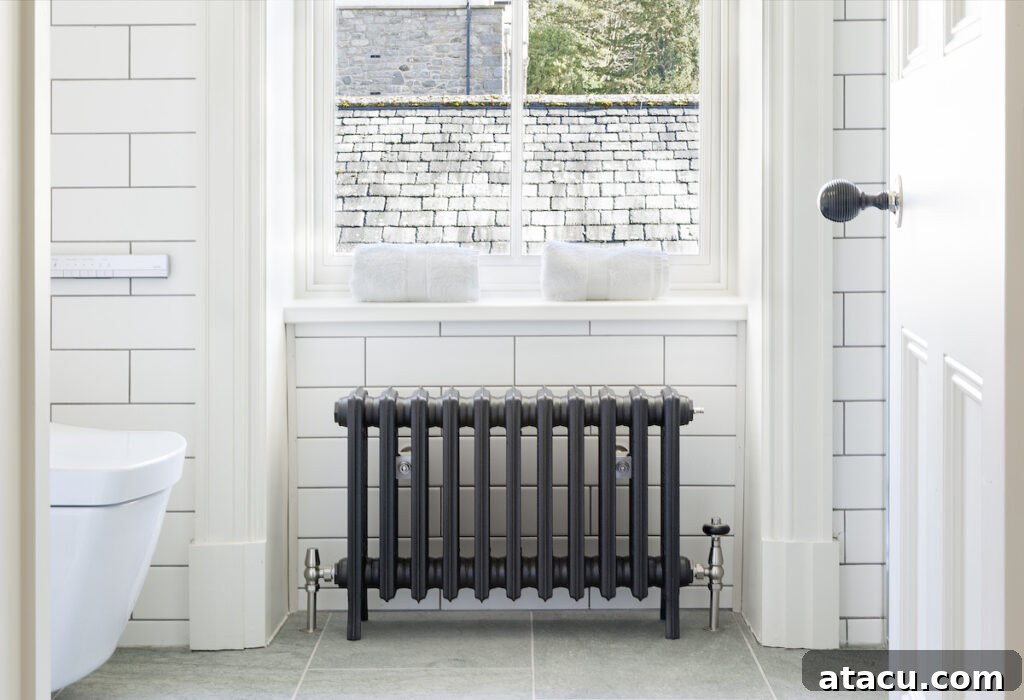
3. Keep Radiators Spotlessly Clean for Optimal Heat Transfer
While internal issues often require professional intervention, the external cleanliness of your radiators is something you can easily manage, and its impact on heating efficiency is often underestimated. A visible layer of dust on the surface or nestled between the fins of your radiator isn’t just unsightly; it acts as an insulating barrier, preventing heat from radiating effectively into your room. This means your boiler has to work harder and longer to achieve the desired temperature, directly increasing your energy consumption and costs.
As Nick advises, a simple approach is often the most effective:
“The first step is to give your radiators a quick vacuum to remove any surface dust and then wash them with a damp cloth.”
Incorporating radiator cleaning into your seasonal deep-clean routine can yield significant benefits. Start by using a soft brush vacuum attachment to thoroughly remove dust from the top, front, and sides of the radiator. For panel radiators, a specialized long, thin radiator brush or even a hairdryer on a cool setting can help dislodge dust trapped deep within the fins. Following the vacuuming, wipe down the exterior surfaces with a damp cloth, perhaps lightly moistened with a mild all-purpose cleaner. Most modern radiators feature durable powder-coated finishes that are remarkably easy to clean, allowing most marks to come off with minimal effort. For any stubborn spots or grime, a non-abrasive cream cleaner and a soft cloth should do the trick without scratching the finish. Beyond efficiency, a clean radiator also contributes to better indoor air quality by reducing the circulation of dust particles throughout your home. It’s a simple, non-glamorous task, but one that significantly contributes to both the aesthetics and the functional efficiency of your heating system.
Radiator Maintenance FAQs
How often should I bleed my radiators?
It’s recommended to bleed your radiators at least once a year, ideally just before the heating season begins in autumn, to ensure they are ready for optimal performance. However, if you notice any tell-tale signs like gurgling noises from your radiators or cold spots at the top of a radiator while the bottom remains warm, it’s a clear indication that trapped air needs to be released, and you should bleed them immediately regardless of the season.
Why is my radiator cold at the top but hot at the bottom?
This is the most common symptom of air trapped inside your radiator. Air, being lighter than water, rises and collects at the top, preventing the hot water from filling the entire unit and circulating properly. Bleeding the radiator will release this trapped air, allowing hot water to circulate fully and heat the entire surface evenly.
What is radiator flushing and do I need to do it?
Radiator flushing, often called power flushing, is a process that removes accumulated sludge, rust, and debris from inside your entire central heating system. This buildup can impede water flow and significantly reduce efficiency. You typically only need a system flush if you’ve recently made major changes to your heating system (like replacing a boiler or adding new radiators), or if you experience persistent cold spots, a noisy boiler, or discolored water when bleeding, even after regular maintenance. This complex task is best carried out by a qualified plumber.
Can I flush my radiator myself?
While simple radiator bleeding is a straightforward DIY task, flushing your entire heating system or even individual radiators is not recommended for homeowners. It involves specialist equipment, knowledge of system types, chemical handling, and proper waste disposal. Attempting a DIY flush without the right expertise can potentially damage your system or boiler. It’s always best to entrust this job to a professional plumber.
How do I clean a radiator properly?
Start by ensuring the radiator is cool. First, use a vacuum cleaner with a brush attachment to remove loose dust from the surface, sides, and between the fins. For dust trapped deeper within panel radiators, a specialized radiator brush or even a hairdryer on a cool setting can be effective. After vacuuming, wipe down all accessible exterior surfaces with a damp cloth, possibly with a little mild detergent. Most marks should come off easily. For stubborn stains, a non-abrasive cream cleaner and a soft cloth usually work well. Avoid harsh chemicals or abrasive scrubbing pads.
Do dirty radiators affect heating efficiency?
Absolutely, yes. Dust and grime on the surface and within the fins of your radiator act as an insulating layer, trapping heat and preventing it from radiating effectively into the room. This means your heating system has to work harder and for longer periods to achieve the desired temperature, leading to increased energy consumption and higher heating bills. Regular cleaning ensures maximum heat transfer and efficiency.
What’s the ideal boiler pressure after bleeding radiators?
After you’ve bled your radiators, it’s essential to check your boiler’s pressure gauge once the system has cooled down. The ideal cold pressure for most domestic boilers typically sits between 1.5 and 2 bar. If the pressure has fallen below this range, you will likely need to repressurize your boiler using its filling loop, following the manufacturer’s specific instructions. Maintaining correct pressure is vital for your system’s efficient and safe operation.
Have You Checked Your Radiators Lately? Small Efforts, Big Rewards
Radiator maintenance isn’t about grand, infrequent overhauls; it’s about cultivating small, consistent habits that collectively yield the most significant difference. A quick bleed to release trapped air, a thorough clean to remove dust barriers, or a timely professional flush when sludge accumulates—each action contributes to a heating system that operates at its peak efficiency. In an era of escalating energy costs, every degree of efficiency gained from your radiators translates directly into tangible savings on your utility bills and a more comfortable, evenly heated home.
We often take our heating for granted, but a few minutes of attentive care can transform your living environment. Take a moment this week to give your radiators a once-over. You might be pleasantly surprised at how much warmer and more inviting your home feels, and how much less strain your boiler endures. Proactive care ensures your radiators keep doing what they do best: quietly and effectively warming your world.
For more insightful tips on optimizing your home’s warmth and saving energy, don’t miss our comprehensive post on 8 Easy Home Heating Hacks From Energy Experts, offering further strategies to make your home a sanctuary of warmth and efficiency.
Image credits: The Radiator Centre