
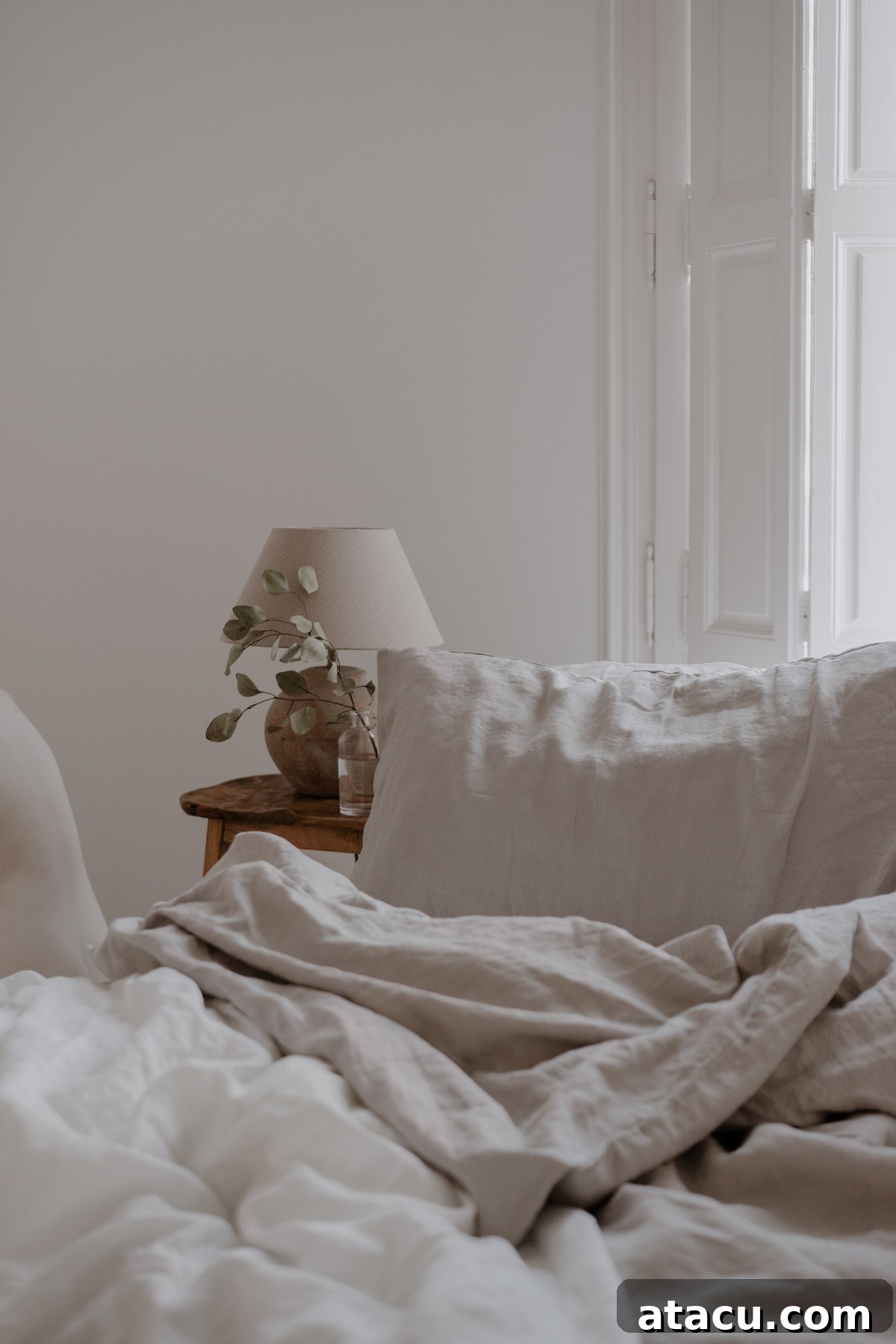
Are you searching for the perfect bed linen set but feel overwhelmed by the endless options? You’re not alone. Choosing the right sheets can transform your sleep experience and elevate your bedroom’’s aesthetic. As someone who has spent over a decade working with luxury bed linen brands and writing extensively about home interiors, I’ve had the privilege of testing and reviewing an extensive array of bedding options. This hands-on experience has equipped me with invaluable insights into what truly makes a great set of sheets.
I’ve distilled all my knowledge into this ultimate guide to help you choose the best bed sheets for your needs, comfort, and budget. In this comprehensive post, we’ll delve into the diverse types of fabrics available, demystify the often-misunderstood concept of thread count, and navigate the various sizing options. Beyond selection, I’ll also share essential tips on how to care for your new bed linen, ensuring its longevity and continued softness. So, if you’re ready to refresh your bedroom and invest in a truly restful night’s sleep, read on for everything you need to know about selecting the ideal bed linen.
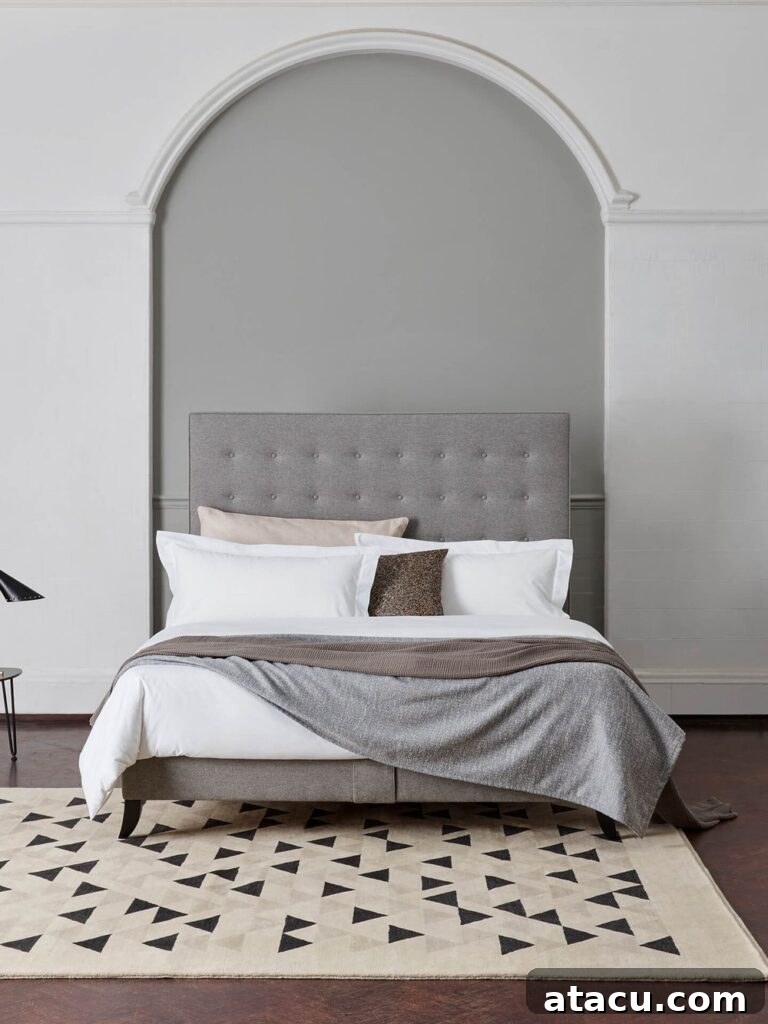
Exploring the Diverse World of Bedding Fabrics
The fabric of your bed sheets is arguably the most crucial factor influencing comfort, durability, and overall feel. Each material offers a unique set of characteristics, catering to different preferences and needs. Let’s explore the most popular options in detail.
Cotton: The Ever-Popular Choice
Cotton remains the undisputed champion of bed linen fabrics, and for good reason. Its natural softness, robust durability, and exceptional breathability make it a favourite worldwide. However, not all cotton is created equal. Understanding the different types and weaves can significantly impact your choice:
- Upland Cotton: This is the most common type, offering a good balance of quality and affordability.
- Pima Cotton: Known for its longer fibres, Pima cotton (e.g., Supima®) produces a softer, more lustrous, and more durable fabric than Upland cotton.
- Egyptian Cotton: Often considered the gold standard, Egyptian cotton boasts extra-long staple fibres that create incredibly soft, strong, and highly breathable sheets. It’s ideal for a luxurious feel but often comes with a higher price tag.
Beyond the cotton type, the weave also plays a vital role:
- Percale: A crisp, matte weave that feels cool and breathable, reminiscent of a classic hotel sheet. It tends to wrinkle easily but offers excellent ventilation.
- Sateen: Featuring a tighter, more elaborate weave, sateen has a smooth, silky feel and a subtle sheen. It drapes beautifully and is less prone to wrinkling than percale, but can feel warmer.
- Flannel: Ideal for colder climates, flannel cotton is brushed to create a soft, fuzzy texture that traps warmth, offering cosy comfort.
While cotton is generally easy to care for, achieving that pristine, crisp, hotel-style look often requires ironing.
Linen: Effortless Elegance and Breathability
For those who appreciate a more relaxed, lived-in aesthetic, linen is an exceptional choice. Crafted from the fibres of the flax plant, linen is celebrated for its incredible strength, natural absorbency, and unique textured surface. Unlike cotton, linen sheets are designed to embrace their natural wrinkles, offering an understated elegance that improves with age. Linen is also highly thermoregulating, meaning it keeps you cool in summer and warm in winter, making it a versatile option year-round. It’s known for its durability, often lasting much longer than cotton, and gets softer with every wash.
Silk: The Epitome of Luxury and Gentle Care
Silk bed sheets embody pure luxury. Exceptionally soft and smooth to the touch, silk offers a high-end, opulent feel that is unmatched. Beyond its lavish appeal, silk provides several benefits for skin and hair, reducing friction that can lead to wrinkles and bedhead. It’s also naturally temperature-regulating, ensuring comfort throughout the night. However, silk is a delicate fabric that requires specific care, often involving dry cleaning or gentle hand washing, and it is typically one of the more expensive options.
Polyester: Affordable and Practical
Polyester is a synthetic fabric renowned for its affordability, wrinkle resistance, and durability. It’s a practical choice for budget-conscious shoppers and high-traffic environments due to its resilience. However, polyester typically doesn’t offer the same level of comfort, breathability, or natural feel as cotton, linen, or silk. It can sometimes feel less soft and may not wick away moisture as effectively, which might lead to a warmer sleep experience for some.
Bamboo: Sustainable Softness and Moisture-Wicking
Increasingly popular, bamboo fabric is celebrated for its incredible softness, often compared to silk or cashmere. Derived from bamboo pulp, it’s highly breathable, naturally hypoallergenic, and excels at moisture-wicking, making it an excellent choice for hot sleepers or those with sensitive skin. Bamboo is also considered a sustainable option due to the rapid growth and minimal water requirements of bamboo plants.
Tencel™/Lyocell: Silky Smooth and Eco-Conscious
Tencel™ (a brand name for lyocell) is a sustainable fibre made from eucalyptus wood pulp. It boasts a remarkably smooth, soft, and luxurious feel, often described as having a subtle sheen similar to sateen. Like bamboo, Tencel™ is highly breathable, excellent at moisture management, and naturally resistant to bacteria, making it ideal for those with allergies or night sweats. Its closed-loop production process is also highly eco-friendly.
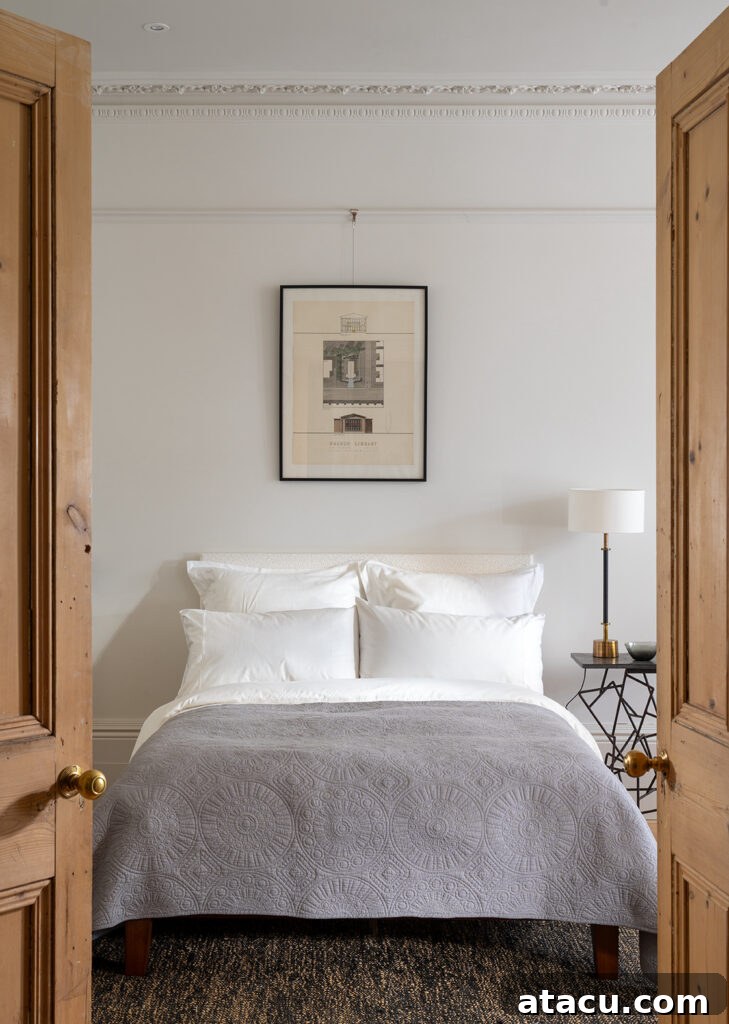
Understanding Thread Count: Quality Over Quantity
Thread count, often a major selling point for bed sheets, refers to the number of horizontal and vertical threads woven into one square inch of fabric. It can range from as low as 180 to upwards of 1000. The common belief is that a higher thread count automatically translates to softer, more luxurious, and more durable sheets. While generally true to a certain extent, it’s not the sole indicator of quality.
A good quality cotton percale often feels best between 200 and 400 thread count, while a sateen weave might feel exceptionally soft at 300-600. Beyond these ranges, manufacturers sometimes use multi-ply threads (twisting thinner threads together to artificially inflate the count) or looser weaves, which can make the fabric less breathable and not necessarily softer or more durable. Ultimately, the quality of the fibre itself—whether it’s long-staple Egyptian cotton or a premium linen—is often more significant than just the number of threads. Focus on a comfortable range and the feel of the fabric rather than chasing the highest number.
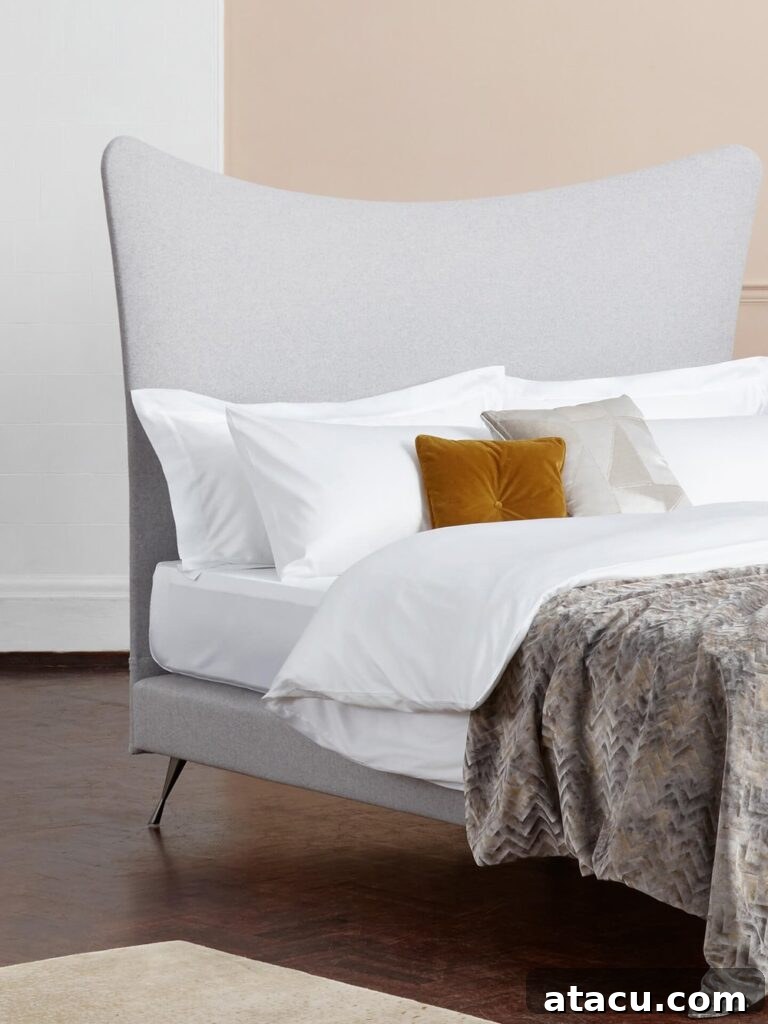
Navigating Bed Linen Sizes: A Crucial Measurement
Selecting the correct size for your bed linen is paramount for a proper fit and comfortable sleep. Before you embark on your shopping journey, always measure your mattress and duvet to ensure you purchase sheets and covers that fit perfectly. Standard UK duvet cover and sheet sizes are as follows:
- Single: 140 x 200cm
- Double: 200 x 200cm
- King: 230 x 220cm
- Super King: 260 x 220cm
It’s worth noting that mattress depths can vary significantly. If you have a deeper mattress, a pillow-top, or use a mattress topper, you’ll need to pay close attention to the pocket depth of fitted sheets to ensure a snug and secure fit. For a useful guide on UK duvet and mattress sizes, you can refer to resources like this guide.
Flat or Fitted Sheets? Understanding Your Preference
When it comes to bed sheets, most bedding companies offer both flat and fitted options. The choice between them largely comes down to personal preference and how you like your bed to feel and look. Both have distinct advantages:
- Fitted Sheets: These sheets feature elasticated corners designed to hug your mattress snugly. Their primary benefit is that they stay securely in place, minimizing the need for constant readjustment, which is especially appreciated by restless sleepers.
- Flat Sheets: Also known as top sheets, flat sheets are rectangular pieces of fabric without elastic. They offer greater versatility. Many people use them as a layer between themselves and a duvet or blanket, providing an extra layer of warmth or coolness. They can also be used on their own as a lightweight cover in warmer climates. Flat sheets are adaptable to any bed type, including futons and daybeds, and can be folded and styled in various ways for a more layered look. In some cultures, particularly in North America, a flat sheet is an integral part of a standard bedding set.
Specialty Bed Sheets for Enhanced Comfort
Beyond the basic fabric types, many sheets are designed with specific needs in mind, offering targeted solutions for a truly personalised sleep experience.
Temperature Balancing and Cooling Bed Sheets for Hot Sleepers
If you’re prone to night sweats, experience hot flushes due to menopause, or are simply a naturally hot sleeper, cooling bed sheets can be a game-changer. Look for sheets made from natural fibres known for their breathability and moisture-wicking properties. Excellent choices include crisp cotton percale, breathable linen, luxurious silk, and advanced plant-based fibres like bamboo and Tencel™/Lyocell. These materials facilitate airflow and draw moisture away from your body, helping regulate your temperature throughout the night. Avoid polyester and other synthetic fabrics, as they tend to trap heat and aren’t as breathable.
Silk Bed Sheets: Beyond Luxury to Beauty and Health
While an investment, silk bed sheets offer unparalleled luxury and unique benefits. Their incredibly smooth surface minimizes friction, which can help reduce hair breakage, frizz, and sleep creases on the skin, making them a favourite for beauty sleep. Silk is also naturally hypoallergenic and dust mite resistant, ideal for those with allergies. Its excellent temperature-regulating properties ensure you stay comfortable all night long, making it a luxurious yet practical choice for cosy aesthetic bedrooms.
Linen Bed Sheets: Durable Charm and Comfort
Linen bed sheets, crafted from the resilient flax plant, possess a distinctive textured, slightly nubby surface that provides a wonderfully tactile experience. Renowned for their exceptional absorbency and breathability, they are a superb choice for warm summer nights or for those who appreciate a relaxed, casual elegance. Linen is also remarkably durable, often outlasting cotton, and its inherent strength means your sheets will become even softer and more inviting with each wash, developing a beautiful drape over time.
Natural Hemp Bed Linen: Robust and Environmentally Friendly
Hemp fabric is gaining recognition for its impressive durability and outstanding breathability, making it an excellent material for bed linen. It’s particularly ideal for individuals who suffer from allergies or have sensitive skin due to its natural properties. Furthermore, hemp is an incredibly eco-friendly choice; it’s a sustainable crop that requires minimal water and no pesticides to grow, making it a responsible option for the environmentally conscious consumer.
Affordable Cotton Fitted Sheets: Practical Comfort on a Budget
For those mindful of their budget, affordable cotton fitted sheets are a fantastic option that doesn’t compromise too heavily on comfort. Cotton, as a natural material, is inherently durable and breathable, offering a good baseline for a comfortable night’s sleep without a significant outlay. Look for good quality Upland cotton with a percale weave for a cost-effective yet pleasant sleeping experience.
Extra Deep Fitted Sheets: Perfect for Plush Mattresses
If your mattress is thicker than average, perhaps a pillow-top design, or if you use a substantial mattress topper, you absolutely need an extra deep fitted sheet. Standard fitted sheets often have a pocket depth of 10-12 inches, but extra deep options can accommodate depths of 16-22 inches or more. Ensuring the correct depth prevents the sheet from slipping off the corners and provides a smooth, secure fit that enhances comfort.
Luxury Bed Sheets and Bed Linen Sets: An Investment in Sleep
The pinnacle of bed linen, luxury bed sheets and sets are crafted from the highest quality materials, such as premium Egyptian cotton with exceptionally long fibres (e.g., 600+ thread count), high-grade Pima cotton, or pure Mulberry silk. While these options are undeniably more expensive than standard bedding, they represent a worthwhile investment for those who prioritize the ultimate night’s sleep. They offer unparalleled softness, breathability, durability, and a superior aesthetic that elevates the entire bedroom.
Sustainable Options for Bed Sheets: Conscientious Choices
For the eco-conscious consumer, numerous sustainable bedding options are available. Look for sheets made from organic cotton (certified by GOTS – Global Organic Textile Standard), bamboo, hemp, Tencel™/Lyocell (eucalyptus-derived), and even recycled materials. Beyond the raw material, certifications like OEKO-TEX Standard 100 ensure that the textiles are free from harmful substances. Exploring suppliers who are members of initiatives like the Better Cotton initiative also supports more sustainable farming practices. Always check the eco-credentials of each supplier for specific details on their environmental commitment.
Anti-bacterial and Hypoallergenic Bed Sheets: Health and Hygiene
Anti-bacterial and hypoallergenic bed sheets are an excellent choice for individuals who suffer from allergies, asthma, or those with sensitive skin. These sheets are often made from materials that naturally resist dust mites, bacteria, and allergens, such as bamboo, Tencel™, or specially treated cotton and microfiber. They help create a cleaner, healthier sleep environment, reducing triggers for allergic reactions and promoting better skin health.
Egyptian Cotton Bed Sheets: The Gold Standard
Egyptian cotton bed sheets are revered globally for their superior quality. They are made from a unique type of cotton grown in the fertile Nile River Valley, distinguished by its exceptionally long, fine, and strong fibres (extra-long staple). This characteristic allows for the creation of an incredibly soft, smooth, yet remarkably durable fabric that resists pilling. Egyptian cotton sheets are also highly breathable and naturally hypoallergenic, making them an ideal choice for people with sensitive skin and for achieving that coveted hotel-quality feel.
Easy Care, No Iron & Easy Iron Bed Sheets: Convenience Meets Style
While crisp Egyptian cotton offers an undeniable visual appeal, it typically requires ironing to maintain its pristine look. If you’re not a fan of ironing and prefer a more low-maintenance approach, several alternatives offer convenience without sacrificing style. Linen, with its beautiful natural wrinkles and relaxed, lived-in aesthetic, is a fantastic choice that looks great without any ironing. Alternatively, many “easy-care” cotton blends or sateen weaves are designed to resist wrinkles, minimizing the need for pressing. Some brands also offer specifically marketed “easy iron” cotton sheets that smooth out with minimal effort.
How to Care for Your New Bed Set: Ensuring Longevity and Freshness
Once you’ve invested in your ideal bed linen set, proper care is essential to maintain its beauty, softness, and durability for years to come. Always refer to the specific care instructions on the label, as recommendations can vary between manufacturers and fabric blends. However, here are some general guidelines for common fabrics:
- Cotton and Linen: These natural fibres are generally robust. Machine wash in warm water (typically 40°C) with a mild, gentle detergent. Avoid overloading the washing machine to ensure thorough cleaning and rinsing. Tumble dry on a low heat setting, or preferably line dry, to minimize wrinkles and preserve fabric integrity. Remove promptly to avoid deep creases.
- Silk: Due to its delicate nature, silk often requires special care. Dry cleaning is a safe option, or hand wash in cool water (max 30°C) using a silk-specific, mild detergent. Avoid harsh chemicals and bleach. Do not wring or twist. Lay flat to air dry away from direct sunlight, or tumble dry on the lowest, coolest setting for a very short cycle.
- Polyester and Microfiber: These synthetic fabrics are typically very easy to care for. Machine wash on a gentle cycle in warm or cool water. They are generally quick-drying and can be tumble dried on a low heat setting. Avoid high heat as it can damage the fibres.
- Bamboo and Tencel™/Lyocell: These plant-based fibres are best washed on a gentle cycle in cool water (max 30°C) with a mild detergent. Avoid fabric softeners as they can coat the fibres and reduce their natural breathability. Tumble dry on a low setting or line dry.
General tips for all bed linen:
- Wash whites and colours separately to prevent discolouration.
- Avoid using harsh bleaches, which can damage fibres and affect colours.
- Ironing, if desired, should be done at the appropriate temperature setting for the fabric type.
- Rotate your sheets regularly to ensure even wear and extend their lifespan.
Best Buys & Our Verdict: Top Recommendations for Every Budget
Having thoroughly explored the world of bed linen, here are my top recommendations to help you make an informed choice:
For the ultimate indulgence, Savoir’s bed linen range represents the pinnacle of luxury, though it certainly comes with a premium price tag. If you’re seeking high-quality sheets that deliver exceptional comfort and durability without the very top-end price, I wholeheartedly recommend exploring options from Rise & Fall or Scooms for their excellent balance of quality and value.
If you adore the relaxed, slightly crinkled look of stonewashed linen, my absolute favourites include Piglet in Bed, the premium selection from H&M Home, and the stylish offerings from La Redoute. And, for consistently beautiful and well-crafted bedding, you simply cannot go wrong with The White Company, especially if you time your purchases during their sales to snag the best discounts.
Choosing the right bed linen is a significant step towards achieving a truly restorative sleep. By considering fabric, thread count, size, and your personal needs, you can create a sanctuary of comfort. Finally, remember that the perfect bed sheets deserve the perfect pillow—here’s how to choose the right one to complete your sleep haven.
Design Hunter uses affiliate links. All of the products featured have been independently selected based on expert review and personal experience, but we may earn a small commission if you click on one of the links and subsequently purchase a product. This does not affect the price you pay.