
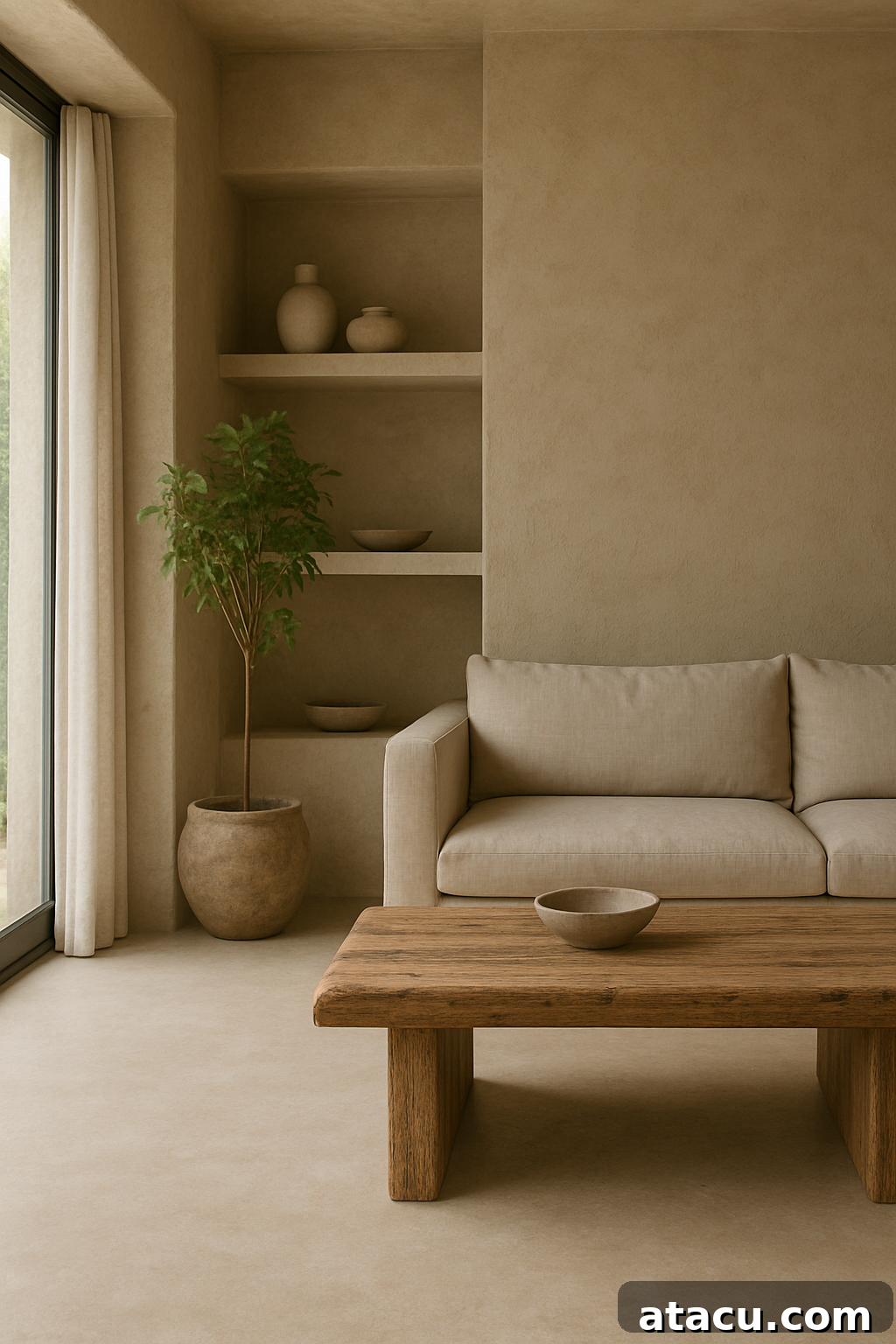
Protecting our planet is no longer a responsibility we can delegate to others or defer to the distant future. It has evolved into a universal imperative, shared by governments, industries, and individuals across the globe. This profound shift has seamlessly integrated into the fabric of our daily lives, influencing everything from fashion trends and lifestyle choices to the very design of our homes. The escalating demand for healthier living environments, a drastic reduction in carbon footprints, and the ethical sourcing of materials are now the defining forces that are fundamentally reshaping how homes and interior spaces are conceived and constructed in 2025 and beyond.
There’s a palpable and growing consensus among both discerning consumers and seasoned industry professionals: eco-conscious decisions must take precedence. This collective movement marks a significant departure from the ephemeral, wasteful, and short-lived trends of the past. Instead, the focus is squarely on enduring, responsibly designed products and furniture built to stand the test of time. Concurrently, rapid innovation is acting as a powerful catalyst, accelerating our transition towards a truly sustainable future. Breakthroughs in recycled materials, energy-efficient technologies, and the embracing of circular design principles are radically transforming the entire paradigm of interior conception.
The cumulative result of these shifts is clear: sustainability is no longer an optional add-on or a mere afterthought—it has become an indispensable and foundational cornerstone of modern interior design. Let’s delve into the pivotal aspects of how we can leverage sustainability to create homes that are not only beautiful but also profoundly contribute to a healthier planet and a better quality of life.
Revolutionizing Spaces with Sustainable Materials
The realm of interior design has undergone a radical transformation with the ascendance of recycled, reclaimed, and biodegradable materials. Forward-thinking designers now find an inexhaustible wellspring of inspiration in a diverse array of sustainable options. Materials like rapidly renewable bamboo, resilient cork, sleek recycled metal, and luxurious eco-friendly textiles are being ingeniously employed to craft spaces that are undeniably stylish, highly functional, and impeccably environmentally responsible. The beauty of these materials extends beyond their significant contribution to waste reduction; they are also instrumental in creating spaces, furnishings, and décor pieces that are inherently more energy-efficient throughout their lifecycle.
The pace of material innovation is breathtaking. We are witnessing the emergence of truly groundbreaking substances such as mycelium-based furniture, ingeniously grown from fungal roots, and bio-glass, an eco-conscious alternative to traditional glass with superior properties. These cutting-edge advancements are not just novelties; they are fundamentally reshaping the interior design industry, pushing the boundaries of what is possible. This progressive evolution offers designers an entirely new horizon of possibilities for crafting stunningly beautiful, exceptionally durable furniture and decor while simultaneously minimizing ecological harm. It serves as irrefutable proof that sustainability and design innovation are not mutually exclusive but rather powerful synergistic forces.
Further examples of impactful sustainable materials include reclaimed wood, which breathes new life into timber from old buildings, reducing the need for virgin forest harvesting. Recycled plastics, often transformed into innovative textiles or furniture components, divert vast amounts of waste from landfills and oceans. Low-VOC (Volatile Organic Compound) paints and finishes dramatically improve indoor air quality, protecting both inhabitants and the environment. Natural fibers like organic cotton, hemp, and jute offer renewable alternatives to synthetic fabrics, often produced with significantly less water and fewer pesticides. Embracing these materials means making choices that resonate with long-term ecological health, supporting ethical supply chains, and fostering a healthier indoor environment for all.
Embracing the Principles of Circular Design
The paradigm shift towards circular design represents a conscious and transformative approach to interior design, one that prioritizes longevity, inherent repairability, and the remarkable adaptability of modular furniture. Unlike the traditional linear “take-make-dispose” model, circular design aims to keep materials and products in use for as long as possible, extracting maximum value from them before safely returning them to the biosphere or technosphere. Designers who champion this philosophy meticulously focus their creative energy on crafting pieces that are not only aesthetically pleasing but also inherently easy to maintain, effortlessly updateable, or readily repurposed, rather than destined for rapid disposal.
Modular furniture exemplifies this philosophy perfectly. Its inherent design allows individual components or entire pieces to be easily reconfigured, expanded, or adapted as the homeowner’s needs and preferences evolve. This remarkable flexibility can extend the functional lifespan of furniture for decades, drastically reducing the demand for new production and minimizing landfill waste. Imagine a sofa system that can be expanded with additional seating, reconfigured into different layouts, or have individual fabric covers replaced to refresh its look without replacing the entire unit. This versatility embodies the core tenets of circularity.
Another increasingly popular and profoundly impactful way to make more circular choices is to actively seek out second-hand furniture. Vintage pieces, for example, offer a treasure trove of unique, high-quality items, each with its own story and character. By choosing pre-loved items, we not only reduce the environmental footprint associated with manufacturing new products but also help to curb the relentless pressures of mass production. Beyond vintage, there is a vibrant and rapidly expanding culture of upcycling and DIY projects. These creative endeavors play a pivotal role in minimizing waste and combating overconsumption. Transforming an old dresser into a stylish console table, repurposing wooden pallets into outdoor seating, or reupholstering an antique chair are all powerful acts of circularity. Such a comprehensive circular approach is particularly potent because it not only conserves resources but also actively fosters boundless creativity, promotes mindful consumption, and imbues interior design with a deeper sense of purpose and connection.
Designing Smart and Energy-Efficient Modern Homes
Within the interior design industry, there is a resounding consensus that the future of sustainable living spaces is inextricably linked to the intelligent integration of innovative lighting systems, highly energy-efficient appliances, and sophisticated home automation technologies. These advancements are not merely conveniences; they are indispensable tools that empower homeowners to dramatically reduce their overall energy consumption without ever compromising on comfort, convenience, or aesthetic appeal. For instance, advanced smart thermostats learn occupancy patterns and adjust indoor temperatures accordingly, ensuring that energy is expended only when and where it is truly needed. This intelligent management prevents wasteful heating or cooling of unoccupied spaces.
Similarly, a new generation of energy-efficient appliances—ranging from refrigerators and washing machines to dishwashers and ovens—are meticulously engineered to consume significantly less power. These appliances often come with Energy Star ratings, signifying their superior efficiency. Investing in them translates directly into substantial savings on monthly energy bills, thereby not only saving money but also making a tangible reduction in a home’s carbon footprint. Beyond individual appliances, smart lighting systems, often utilizing LED technology, offer unparalleled control over illumination, allowing for precise dimming, color temperature adjustments, and integration with motion sensors to ensure lights are off when a room is vacant.
Extending beyond interior technology, pioneering architectural solutions like solar panels and green roofs are rapidly gaining traction as transformative trends, converting millions of homes into innovative, energy-producing, and ecologically beneficial spaces. With the installation of photovoltaic (PV) solar panels, homeowners can harness the abundant energy of the sun to power their entire household, significantly reducing their reliance on fossil fuels and often feeding surplus electricity back into the grid. Green roofs, on the other hand, offer a multifaceted array of benefits: they provide natural insulation, reducing heating and cooling demands; they improve air quality by filtering pollutants; they manage stormwater runoff, alleviating pressure on urban drainage systems; and they even foster urban biodiversity by creating habitats for plants and insects. Together, these technologies and design strategies empower homeowners to create truly sustainable, future-ready residences.
Biophilic Design: Homes Inspired by Nature’s Embrace
If the concept of Biophilic design is new to you, prepare to encounter it frequently, as it is rapidly gaining significant traction and becoming a cornerstone of sustainable interior practices in 202 dynamic year. At its core, biophilic design is a profound philosophy that centers on integrating and thoughtfully weaving natural elements and processes into interior spaces. This deliberate inclusion is designed to enhance not only the aesthetic appeal but, more crucially, the overall well-being of the occupants, fostering a deeper, more inherent connection with the natural world.
The strategic incorporation of lush indoor plants, vibrant living walls, and the maximization of abundant natural light are fundamental tenets of biophilic design. These elements work in harmony to cultivate visually calming and deeply restorative environments. Such spaces are inherently adept at lowering our stress levels, offering a natural sanctuary and sense of tranquility after the relentless pace of a busy day. Beyond the immediate psychological benefits, these natural integrations also play a vital role in improving indoor air quality by filtering toxins and increasing humidity, thereby creating a healthier internal ecosystem. For many of us in increasingly urbanized environments, this direct, tangible connection with nature is a precious commodity, often elusive in our daily routines.
The psychological and physiological benefits of biophilic design are both extensive and scientifically profound. A growing body of research consistently demonstrates that increased exposure to natural elements and views can significantly reduce cortisol levels (the primary stress hormone), dramatically enhance mood, boost cognitive function, and even accelerate rates of recovery in healthcare settings. Furthermore, creating environments that thoughtfully incorporate natural patterns, textures, and colors—such as the subtle grain of wood, the ruggedness of stone, or the soothing hues found in foliage—can foster a deeper sense of comfort and belonging. Ultimately, making the conscious choice to surround ourselves with these natural elements is not merely an aesthetic preference; it is a strategic investment in creating truly sustainable, profoundly healthy environments that actively support and nurture both our mental and physical well-being in the long term.
Modern Design Ignites Conscious Consumerism
In the contemporary landscape of interior design, minimalism and conscious consumerism have risen to the forefront, spearheading a significant shift away from the disposable culture of ‘fast furniture’ and anonymous mass-produced items. The prevailing trend today is a deliberate and mindful investment in high-quality, timeless pieces that are meticulously crafted to endure for generations, rather than the impulsive accumulation of trend-driven items that quickly lose their appeal and end up in landfills. This powerful ‘buy less, choose well’ mindset has proven remarkably effective in recent years, profoundly encouraging individuals to be more thoughtful, discerning, and intentional about every purchase they make for their homes.
Increasingly, people are opting for carefully curated furniture and decor that not only possess inherent beauty but also add lasting value and character to their living spaces. This approach emphasizes enduring style over fleeting fads. For example, premium canvas wall art stands out as a supremely versatile and impactful option, capable of injecting personality, depth, and sophistication into any space for years to come. Rather than frequently replacing framed prints or trendy posters that invariably fade, wear, or become outdated over time, homeowners are now encouraged to carefully select a single, high-quality canvas piece. Observe how a thoughtfully chosen artwork can effortlessly bring a timeless sense of style, a unique narrative, and enduring personality to your space, becoming a focal point rather than a temporary embellishment.
Embracing minimalism, in essence, means championing simplicity, celebrating functionality, and deliberately choosing to promote sustainability by drastically reducing waste and curbing overconsumption. It involves decluttering, focusing on essential items that serve multiple purposes, and appreciating the beauty in understated design. Fundamentally, when we collectively prioritize quality craftsmanship, ethical production, and inherent durability in our purchasing decisions, we are actively supporting not only a cleaner, healthier environment but also fostering a more mindful, respectful, and ultimately more rewarding approach to decorating and inhabiting our personal spaces. This conscious shift benefits both our immediate surroundings and the wider global ecosystem.
Embracing a Sustainable Future Through Interior Design
The trajectory of sustainability is clear: it will continue to gather unparalleled momentum, solidifying its position as a non-negotiable principle. Eco-friendly practices are unequivocally no longer a fleeting trend or a niche interest; they represent a fundamental, irreversible shift that is profoundly reshaping every facet of how we approach design. Functionality, durability, and unwavering environmental responsibility have now officially ascended to become the paramount priorities for modern designers. We will continue to witness these principles not just as guiding lights, but as overarching, integral goals that will define and drive future design trends across the board. It is no longer sufficient for our homes to merely captivate with their beauty; they must also actively contribute to the well-being of our planet and its inhabitants.
The future of sustainable interiors gleams with promise, offering an boundless array of opportunities for creating living spaces that are both exquisitely aesthetically pleasing and deeply environmentally conscious. This evolution encourages innovation in materials, technology, and design methodologies, pushing the boundaries of what is possible within a responsible framework. Ultimately, sustainability in design transcends being a mere choice or a preferred style—it is a critical, long-term investment in fostering a better, more resilient, and more sustainable future. This investment benefits not only the generations of people who will inhabit these spaces but also the delicate ecosystems and precious resources of our entire planet. It calls for a holistic vision where every design decision is weighed against its impact on people, profit, and the planet, ushering in an era where design truly serves a higher purpose.
Take your interiors further—discover how thoughtful design choices can nurture both your home and your wellbeing in our comprehensive Wellness Design guide. This guide offers deeper insights into creating spaces that support physical, mental, and emotional health, perfectly complementing your journey toward a sustainable and harmonious home.