
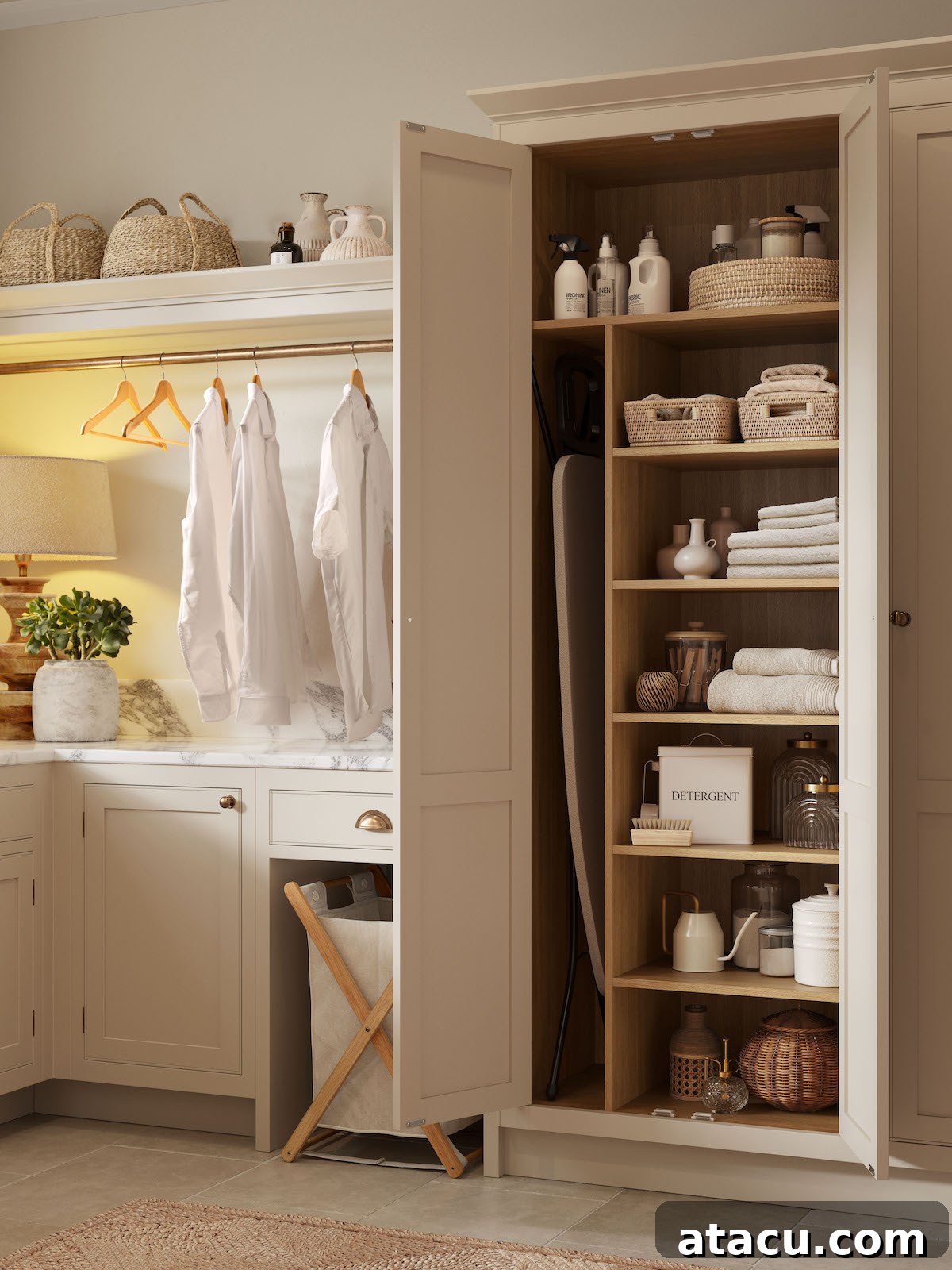
Imagine a life where laundry day doesn’t involve wrestling heavy baskets up and down treacherous staircases. For many homeowners, this dream is becoming a reality as the trend of installing an upstairs laundry room gains significant traction. It’s a design choice that profoundly impacts daily convenience, transforming a chore often seen as a burden into a seamless part of the home routine. The days of the relegated basement or tucked-away utility room are slowly giving way to a more logical placement for your washing machine and dryer – right where most of the dirty clothes accumulate and clean clothes are stored, near the bedrooms and bathrooms.
The shift towards second-floor laundry facilities isn’t just about avoiding stairs; it’s a reflection of modern living’s demand for efficiency, practicality, and smarter use of available space. This article delves into why this innovative home feature is rapidly becoming a must-have, exploring its myriad benefits, crucial considerations for installation, design inspirations, and ultimately, helping you decide if an upstairs laundry room is the perfect upgrade for your home.
What Exactly is an Upstairs Laundry Room?
Traditionally, utility rooms or laundry areas have been confined to the ground floor, often situated in the basement, garage, or a small, cramped space near the kitchen or back door. An upstairs laundry room, by contrast, repositions the washing machine, dryer, and associated laundry essentials on the upper floor of a multi-story home. This intelligent placement brings the laundry process closer to its source and destination – the bedrooms where clothes are worn and removed, and the closets where clean items are stored. It’s a direct response to a simple observation: most laundry originates from the upper levels of a house.
This design evolution is transforming how homeowners approach their chores. Sinead Trainor, Kitchen Category Manager at LochAnna Kitchens, articulates this perfectly:
“Relocating the laundry space upstairs can alleviate the inconvenience of unnecessary trips with laundry baskets up and down stairs, saving both time and effort. It also eliminates the need for unsightly bedroom hampers, freeing up additional floor space and creating a more serene living environment.”
This strategic placement not only streamlines laundry day but also contributes to a cleaner, more organized aesthetic throughout the private spaces of your home, effectively making the laundry room a dedicated, functional hub rather than an afterthought.
Why Are Upstairs Laundry Rooms Gaining Such Popularity?
The growing interest in upstairs utility rooms is driven by a confluence of practical advantages and lifestyle enhancements:
- Unmatched Convenience: This is arguably the primary driver. Having laundry facilities situated near bedrooms and bathrooms drastically reduces the physical effort and time commitment associated with laundry day. No more arduous trips carrying heavy, often overflowing, laundry baskets up and down multiple flights of stairs. Clothes can be easily transferred from hamper to machine, and then directly to closets, making the entire process far more efficient and less taxing.
- Smart Space Optimisation: Modern homes, especially in urban areas, often require creative solutions for space utilization. Homeowners are repurposing underused areas such as spare closets, generously sized bathrooms, unused en-suites, or even small box rooms into highly functional upstairs laundry zones. This strategy maximizes existing square footage, turning previously neglected corners into valuable, integrated utility spaces. It’s about making every inch of your home work harder for you.
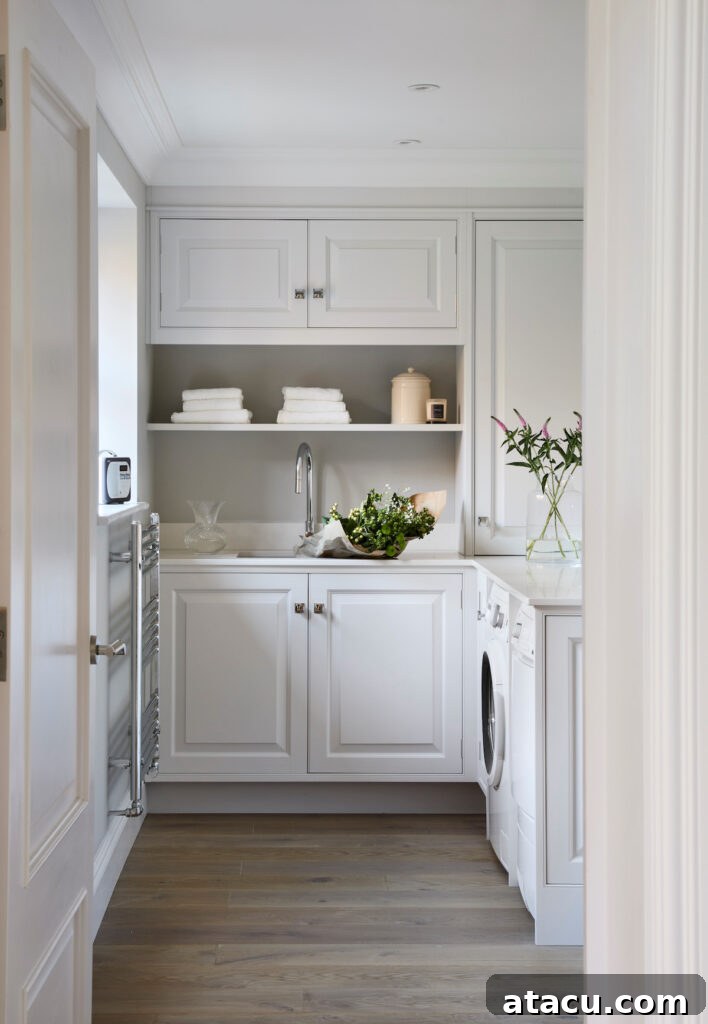
- Seamless Design Integration: Contemporary home design increasingly prioritizes both form and function. With careful planning, an upstairs laundry room can be beautifully integrated into a home’s aesthetic. By sharing plumbing lines with nearby bathrooms or en-suites, installation can be simplified and more cost-effective. Furthermore, thoughtful cabinetry and design can conceal appliances, allowing the laundry area to blend seamlessly with the surrounding décor, maintaining a clean and sophisticated look.
- Enhanced Lifestyle and Efficiency: For busy families and professionals, time is a precious commodity. An upstairs laundry room contributes to a smoother daily routine, freeing up valuable minutes that would otherwise be spent on tedious tasks. It allows for multi-tasking, as you can easily throw in a load while getting ready for the day or putting children to bed, without the need to constantly travel to another floor. This integration into the main living areas reflects a desire for a more organized, less stressful domestic life.
Key Considerations for Installing a Washing Machine Upstairs
While the allure of an upstairs laundry room is strong, successful implementation requires careful planning and attention to several critical factors:
- Plumbing and Water Management: This is perhaps the most crucial consideration. Positioning the laundry room near existing bathroom or en-suite plumbing lines can significantly simplify installation and reduce costs. However, it’s vital to ensure adequate water supply lines (hot and cold) and proper drainage. Installing a drip pan with a floor drain or a water leak detection system that automatically shuts off the water supply is highly recommended to prevent potential water damage, which can be far more destructive on an upper floor. Professional plumbing advice is indispensable here to ensure compliance with local building codes and reliable operation.
- Soundproofing and Vibration Control: Washing machines and dryers, especially during spin cycles, can generate considerable noise and vibration. To minimize disturbance to nearby bedrooms and living areas, invest in robust soundproofing solutions. This can include specialized insulation in walls and floors, using resilient channels or sound-dampening drywall, and choosing quieter, energy-efficient appliances. An anti-vibration mat placed under the washing machine is a simple yet effective way to reduce noise transmission through the floor.
- Ventilation Requirements: Proper ventilation is absolutely essential to prevent moisture buildup, which can lead to mold, mildew, and damage to walls and structural elements. For vented dryers, a dedicated exhaust duct leading directly outside is a must. If external venting isn’t feasible, consider a ventless condenser or heat pump dryer. Additionally, installing an exhaust fan in the laundry room, similar to a bathroom fan, will help manage ambient humidity.
- Structural Integrity: The combined weight of washing machines, dryers, and their contents (especially when a washing machine is full of water) can be substantial. Before installation, it’s imperative to consult with a structural engineer or a qualified contractor to assess whether your existing floor joists can adequately support the load. Reinforcing the floor may be necessary, particularly in older homes, to prevent sagging or structural issues.
- Safety and Leak Prevention: Beyond basic plumbing, consider advanced safety measures. Water leak detectors with alarms or automatic shut-off valves provide an extra layer of protection against unforeseen leaks. Ensure the space has sturdy, waterproof flooring materials, and if possible, elevate appliances slightly to aid in leak detection and minimize direct water exposure to the floor.
- Accessibility and Ergonomics: Design the space for maximum user comfort and accessibility. Ensure adequate clearance for loading and unloading machines, with sufficient shelving and storage for detergents, cleaning supplies, an ironing board, and other laundry essentials. Countertop space for folding clothes is also highly desirable. Consider appliance heights and placement to reduce bending and straining.
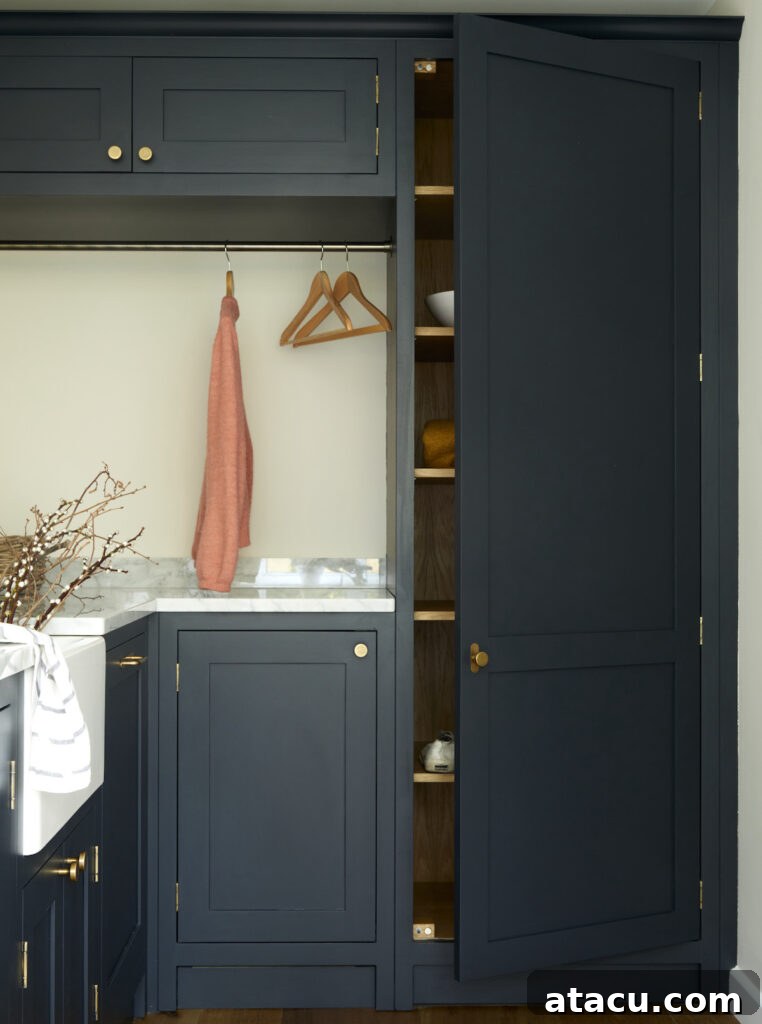
The Pros and Cons of an Upstairs Laundry Room
Like any significant home renovation, an upstairs laundry room comes with its own set of advantages and disadvantages. Weighing these carefully is crucial for making an informed decision.
Pros
- Unmatched Time-Saving and Efficiency: The most immediate benefit is the elimination of trips up and down stairs with heavy baskets. This significantly cuts down on the time and physical exertion associated with laundry, freeing up more time for other activities and making the chore feel less daunting.
- Superior Space Efficiency and Decluttering: By locating the laundry upstairs, you can repurpose previously underused areas like large closets, extra bathrooms, or small ancillary rooms. This also means no more unsightly laundry hampers cluttering bedrooms or hallways, contributing to a cleaner, more organized living space throughout your home.
- Enhanced Convenience and Streamlined Routines: Having laundry facilities near the bedrooms, where clothes are generated and stored, streamlines the entire process. Sorting, washing, drying, folding, and putting away clothes become far more efficient and integrated into your daily routine, reducing the chances of laundry piling up.
- Potential for Increased Home Value: A well-designed and functional upstairs laundry room is increasingly viewed as a desirable feature by prospective homebuyers. It’s a modern amenity that can set your home apart and potentially increase its market value, reflecting thoughtful design and practical living.
- Aesthetic Appeal and Modern Living: Modern cabinetry and integrated designs can make an upstairs laundry room a stylish addition rather than a hidden utility area. This elevates the overall aesthetic of your home, aligning with contemporary trends that prioritize both beauty and functionality.
Cons
- Noise Concerns and Disturbance: Washing machines, especially during high-speed spin cycles, and dryers can generate significant noise and vibrations. If not properly soundproofed, this can cause disturbance to occupants in nearby bedrooms, particularly during late-night or early-morning operation.
- Higher Renovation and Installation Costs: Moving laundry appliances upstairs often requires extensive plumbing work (new water lines, drainage, and vent pipes), electrical modifications, and potential structural reinforcement of the floor. These factors can significantly increase renovation costs compared to a traditional downstairs setup.
- Increased Risk of Water Damage: While modern appliances are reliable, the risk of a leak, however small, is amplified on an upper floor. A burst hose or an overflowing machine upstairs can cause significant damage to ceilings, walls, and flooring on the lower levels, leading to costly repairs and potential insurance claims.
- Limited Space and Design Challenges: Upstairs areas, especially repurposed closets or small rooms, often have smaller footprints than traditional utility rooms. This can pose design challenges, requiring creative solutions for appliance placement, storage, and folding space, potentially limiting the size and type of machines you can install.
- Accessibility for Heavy/Bulky Items: While daily laundry is easier, washing very large or bulky items like comforters, pet beds, or rugs might still present a challenge if the upstairs laundry room is compact and lacks a utility sink or ample maneuvering space.
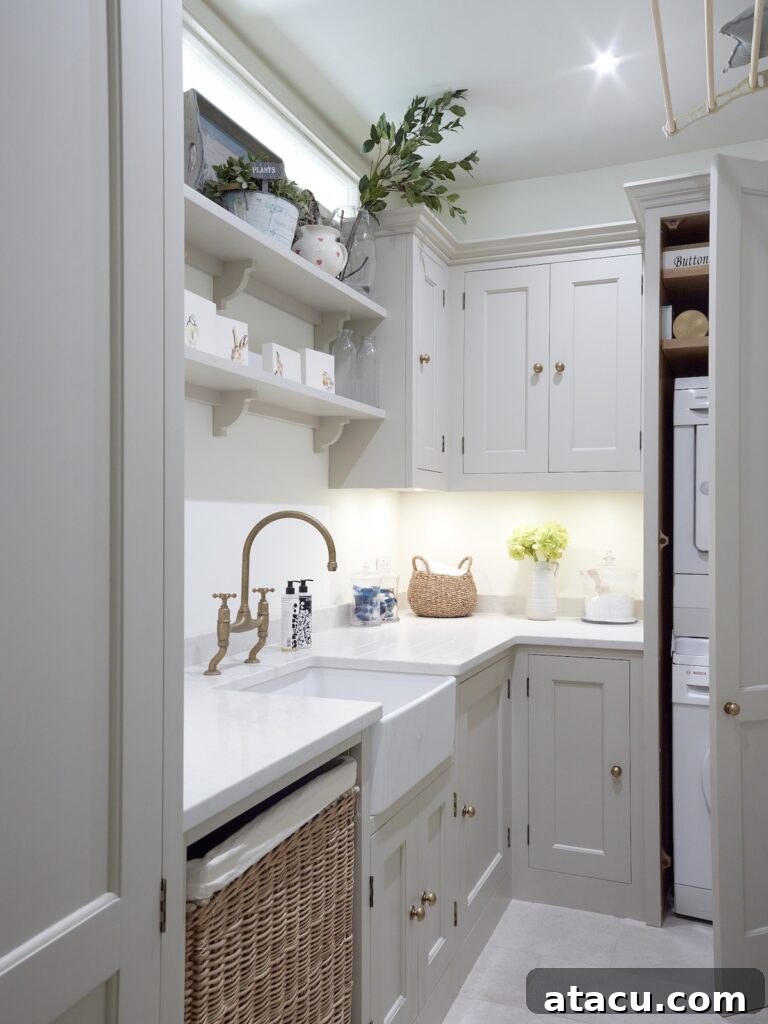
How to Design an Upstairs Laundry Room for Maximum Efficiency and Style
Creating a functional, aesthetically pleasing, and highly efficient upstairs laundry room is all about smart planning and clever design. Consider these expert tips to make the most of your space:
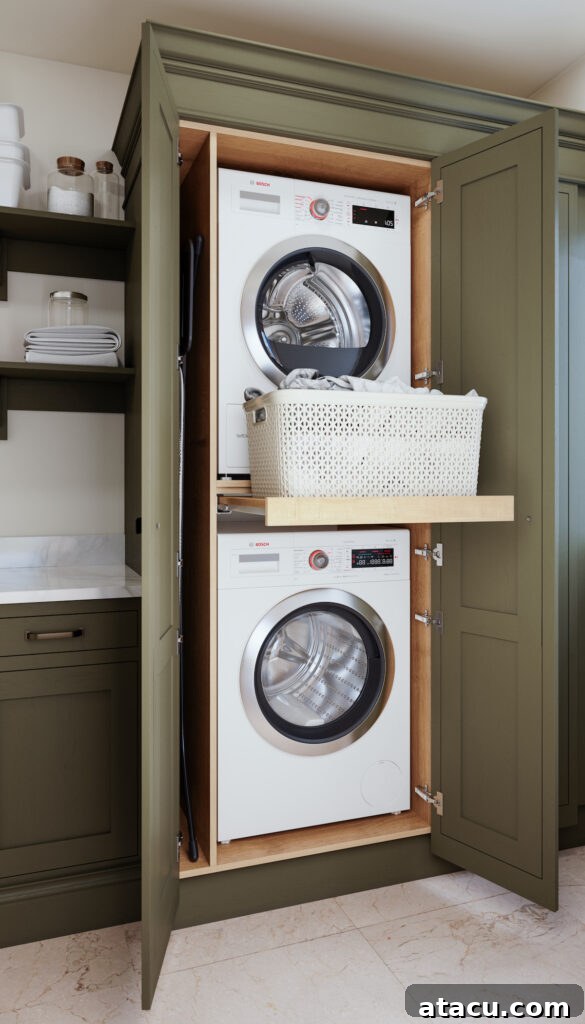
- Opt for Stackable Appliances: In smaller spaces, stackable washer-dryer units are a game-changer. They maximize vertical space, freeing up valuable floor area for other functions or simply for easier movement. Front-loading machines are typically required for stacking, and many models offer sleek, modern designs that integrate beautifully into cabinetry.
- Incorporate Ample and Smart Storage: Storage is key to keeping any laundry room organized. Include a mix of closed cabinets for detergents, cleaning supplies, and less attractive items, and open shelving for neatly folded towels or decorative elements. Consider pull-out hampers for sorting dirty clothes and built-in drying racks or hanging rails for delicates that can’t go in the dryer.
- Choose Durable and Water-Resistant Flooring: Given the potential for spills or leaks, selecting the right flooring is critical. Water-resistant options like ceramic or porcelain tile, luxury vinyl plank (LVP), or even waterproof laminate are excellent choices. Ensure the subfloor is properly prepared and waterproofed, especially if using materials like tile, to provide an extra layer of protection.
- Utilize an Anti-Vibration Mat: As mentioned earlier, washing machines can produce significant noise and vibrations, particularly on upper floors. Placing a high-quality anti-vibration mat directly under your washing machine is an inexpensive yet highly effective solution to dampen noise, reduce vibrations transmitted through the floor, and protect your flooring from minor scuffs.
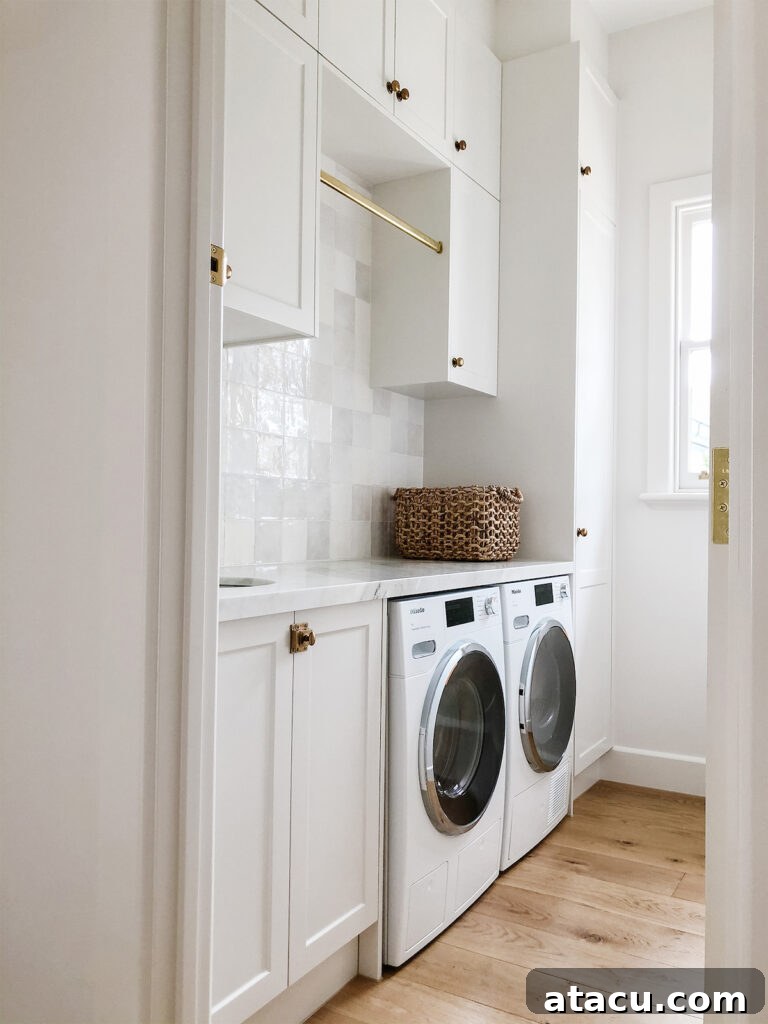
- Add a Functional Folding Station: A dedicated surface for folding clothes can dramatically improve efficiency. This could be a built-in countertop above side-by-side machines, a pull-out shelf from a cabinet, or even a wall-mounted fold-down table. Ensuring this surface is at an ergonomic height will make folding less strenuous and more comfortable.
- Prioritize Bright and Task-Focused Lighting: Good lighting is essential for any workspace. Combine ambient lighting (overhead fixtures) with focused task lighting (under-cabinet lights or adjustable spotlights) over the folding station or sink. Bright, clear lighting can make a small laundry room feel more spacious and functional, and helps in stain detection and garment inspection.
- Consider a Utility Sink: Even in a compact upstairs laundry room, a small utility sink can be incredibly useful. It’s perfect for handwashing delicates, pre-soaking stained garments, rinsing muddy shoes, or even quick clean-ups. Choose a compact sink and faucet combination to save space.
- Integrate Aesthetic Elements: Don’t treat your upstairs laundry room merely as a utility space. Choose cabinetry, paint colors, and hardware that complement the rest of your home’s interior design. Adding personal touches like artwork, plants, or attractive storage bins can make the room feel more inviting and less like a chore-zone.
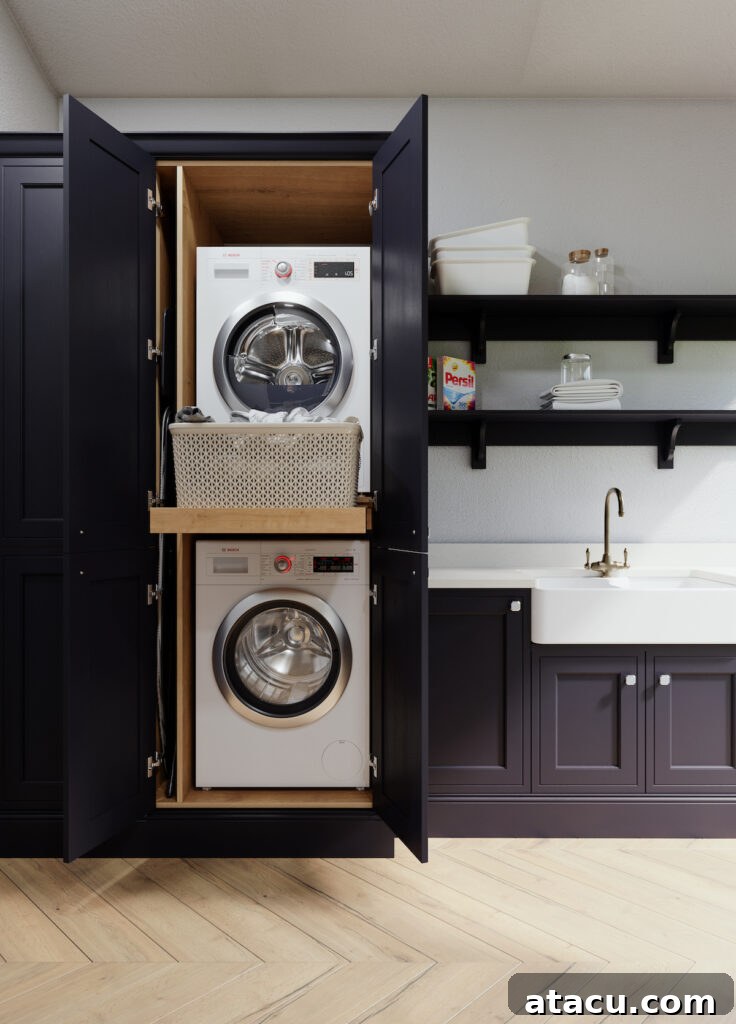
Is an Upstairs Laundry Room the Perfect Fit for Your Home?
The decision to install an upstairs laundry room is a significant one that hinges on various factors unique to your home and lifestyle. If you’re constantly battling heavy laundry baskets on the stairs, have an underused room or large closet ripe for repurposing, and prioritize daily convenience and efficiency, then this modern trend could be the ideal solution for transforming your domestic routine.
However, it’s crucial to realistically assess the potential challenges, such as the initial renovation costs, the need for professional plumbing and structural assessments, and the importance of effective soundproofing and ventilation. For some, the traditional downstairs utility room might remain a more practical choice due to budget constraints, structural limitations, or a preference to keep noisy appliances away from sleeping areas.
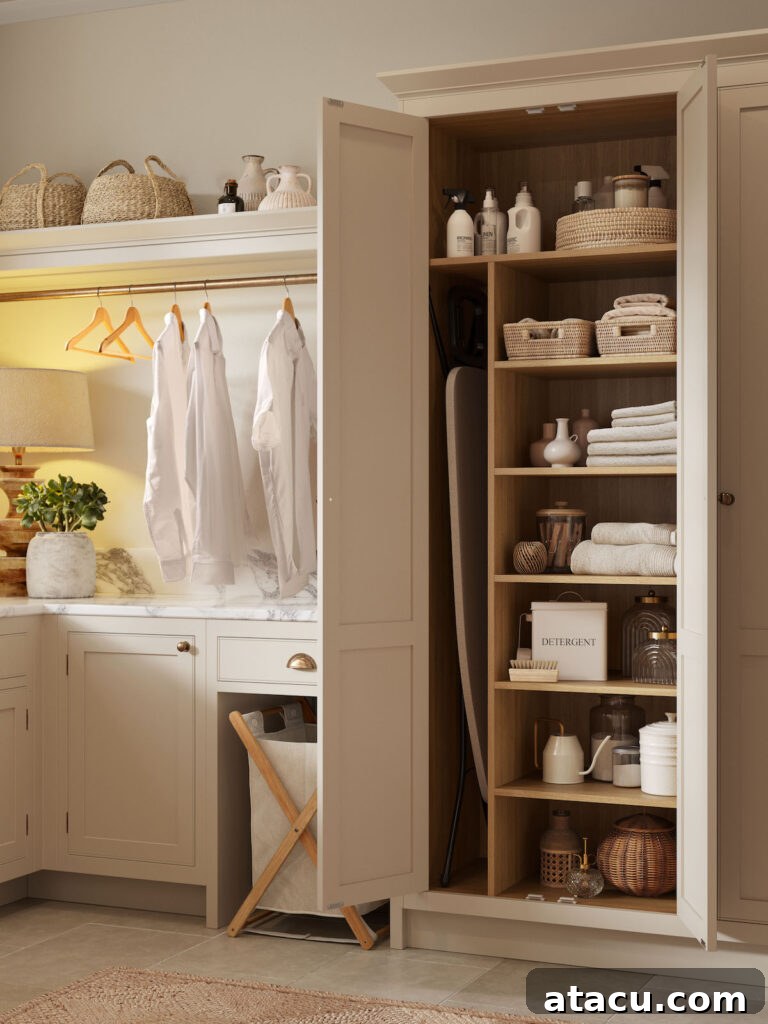
Ultimately, the rise of upstairs laundry rooms signifies a broader evolution in home design—one that intelligently prioritizes convenience, optimizes space, and enhances daily living. Whether you’re inspired to reimagine an unused en-suite into a compact laundry zone or envision a dedicated, stylish upstairs laundry room near your bedrooms, this trend offers the potential to significantly improve your home’s functionality and simplify your daily routines for years to come. By carefully considering all aspects, you can determine if this smart home upgrade is the right next step for you.