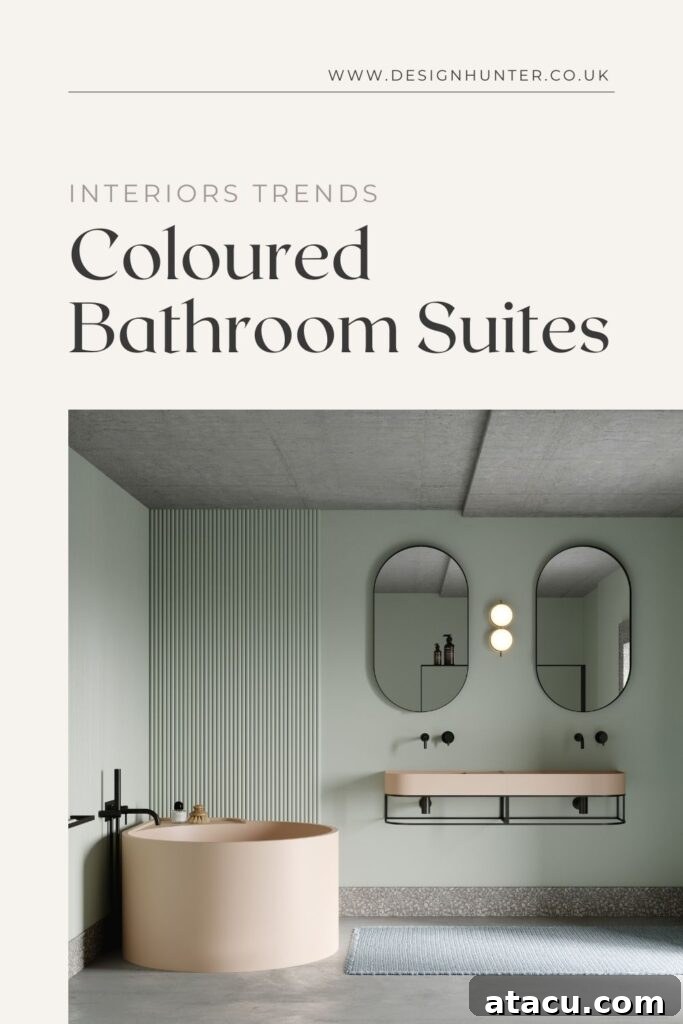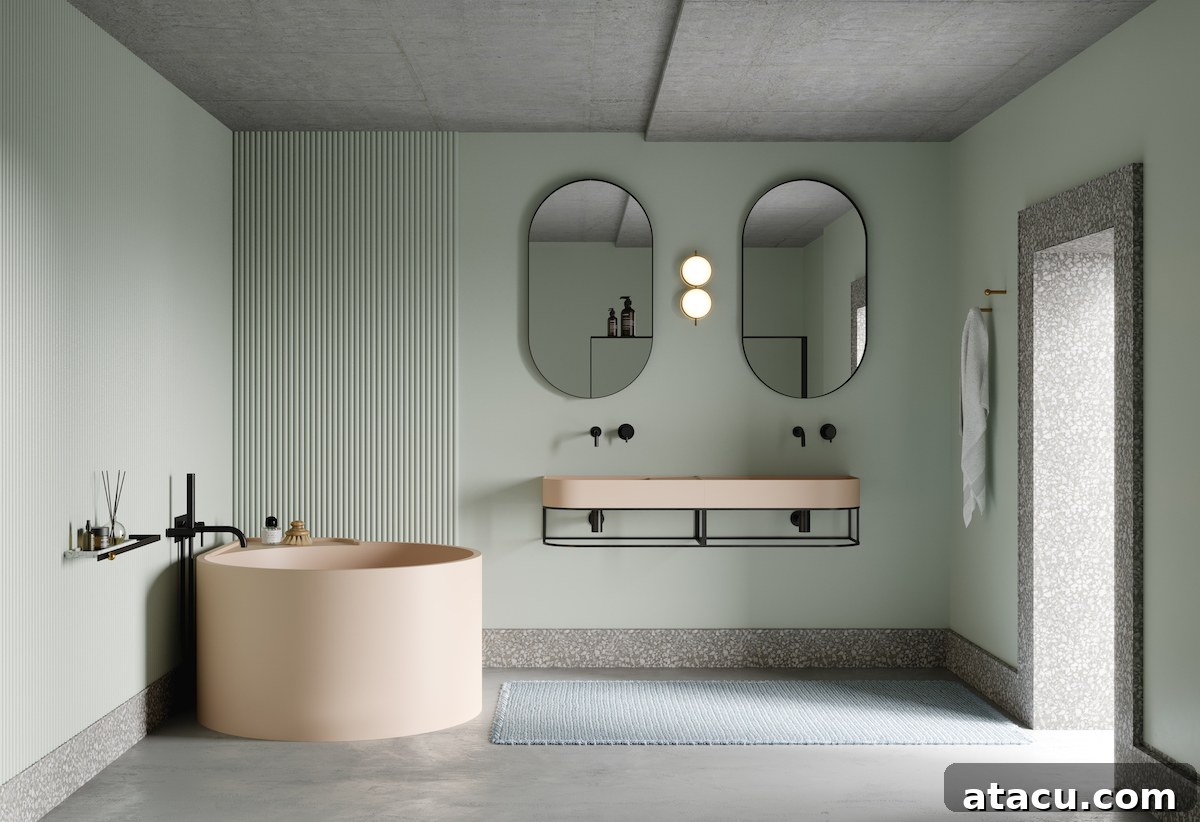
Have you been noticing a subtle yet undeniable shift in bathroom aesthetics lately? For years, the pristine, often stark white bathroom reigned supreme, championed for its timeless appeal and perceived market value. Yet, a captivating trend is quietly but confidently re-emerging: the embrace of color in bathroom design. This isn’t a mere nostalgic glance at the past; it’s a sophisticated reinterpretation, blending contemporary elegance with a renewed appreciation for individuality.
Reflecting on home renovations from years past, many of us fondly recall — or perhaps cringe at — the vibrant, sometimes audacious, colored bathroom suites that were once ubiquitous. My own experience involved gleefully dismantling a 1970s turquoise suite, deemed dated and out of sync with our modern vision. Interestingly, tradesmen at the time often remarked on the unexpected demand for these vintage fixtures on resale platforms. While our particular suite was far from a coveted historical artifact, its legacy did spark a compelling question: are we, as homeowners and designers, finally growing weary of the omnipresent white?
Indeed, colored bathroom suites were a hallmark of 20th-century design. The vibrant palettes of the 1970s and 80s brought us iconic shades like avocado, peach, and even bold mustards. Journeying further back to the Art Deco era of the 1930s, sophisticated tones such as shell pink, jade green, and luxurious buttery ivory graced elegant bathrooms, reflecting an era of glamour and craftsmanship. This colorful dominance began to recede in the 1990s, giving way to an overwhelming preference for white and other neutral tones. This shift was largely influenced by the practical advice of estate agents, who often suggested that a neutral bathroom would enhance a home’s marketability and appeal to a broader audience.
Investing in a new bathroom remains a significant financial undertaking for most homeowners. Consequently, there’s a natural inclination towards designs that are perceived as timeless and resistant to fleeting trends. However, the market is now witnessing a remarkable expansion in the availability of coloured designs, particularly within the luxury segment. Here, clients with discerning tastes and larger budgets are empowered to make a profound design statement, utilizing a diverse array of materials, finishes, and, crucially, a rich spectrum of colors to craft truly unique and personal spaces.
The Resurgence of Coloured Bathroom Suites: A Journey Through Design Eras
The narrative of colored bathroom suites offers a captivating glimpse into the evolution of interior design. Far from a mere aesthetic choice, the emergence and subsequent decline, and now resurgence, of colorful fixtures reflect broader societal shifts, economic climates, and evolving tastes in luxury and personal expression.
Following the austerity of World War II, the 1950s ushered in an era of optimism and prosperity, and with it, a demand for innovation and comfort in the home. Colored bathroom fixtures quickly became symbols of modern luxury and forward-thinking design. The period spanning the 1950s through the late 1970s was characterized by a vibrant explosion of color across all aspects of interior design. Bathrooms, once purely utilitarian, transformed into canvases for personal style. Iconic shades like avocado green, baby blue, sunny yellow, and even daring pinks and purples became fixtures, imbuing these spaces with personality and reflecting the cultural zeitgeist of an era that embraced experimentation and bold statements.
However, this vibrant trend began to wane as the 1980s transitioned into the 1990s. A return to more conservative and minimalist design philosophies took hold, favoring universal appeal over individual expression. The bold and often playful colors of the past gradually gave way to the understated elegance of whites, creams, and various neutral palettes. This shift was driven by a desire for timelessness, simplicity, and marketability, establishing the neutral bathroom as the default choice for decades. It was seen as a safe investment, easily adaptable to changing decorative preferences and attractive to potential buyers.
The Modern Twist: A Reimagined Palette for Contemporary Living
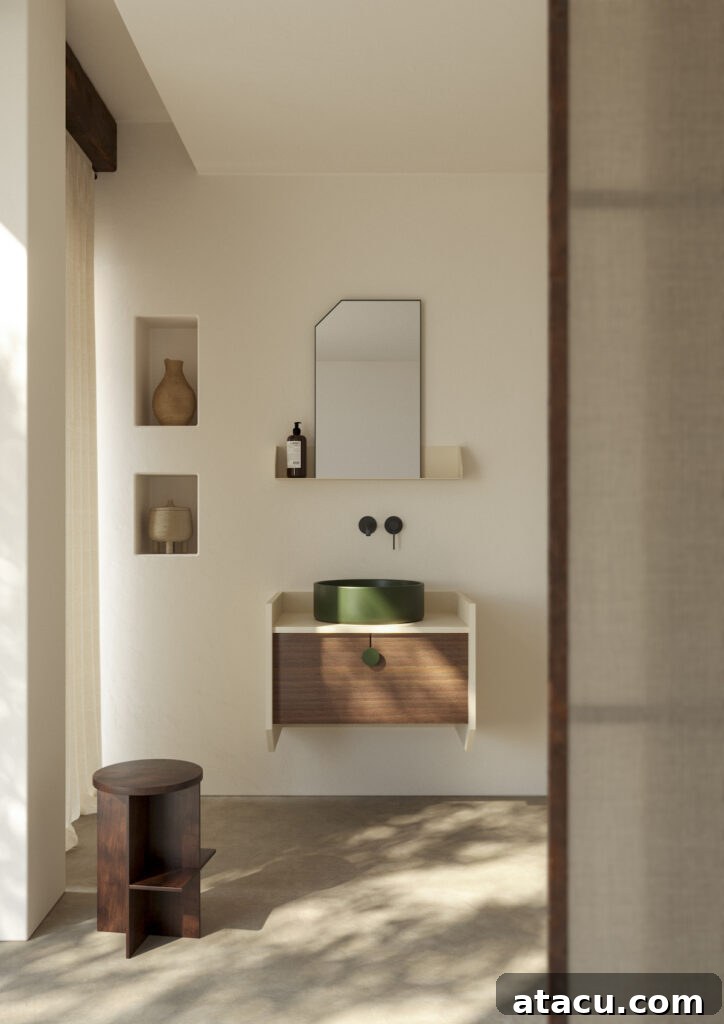
Today, colored bathroom suites are undeniably enjoying a compelling renaissance, but with a distinctly modern twist. This isn’t merely a nostalgic rehash of past trends; rather, it’s a refined and sophisticated reinterpretation tailored for contemporary tastes. The current palette leans towards subdued, elegant, and often earthy tones, promising a sense of enduring style and timeless appeal rather than fleeting fashion.
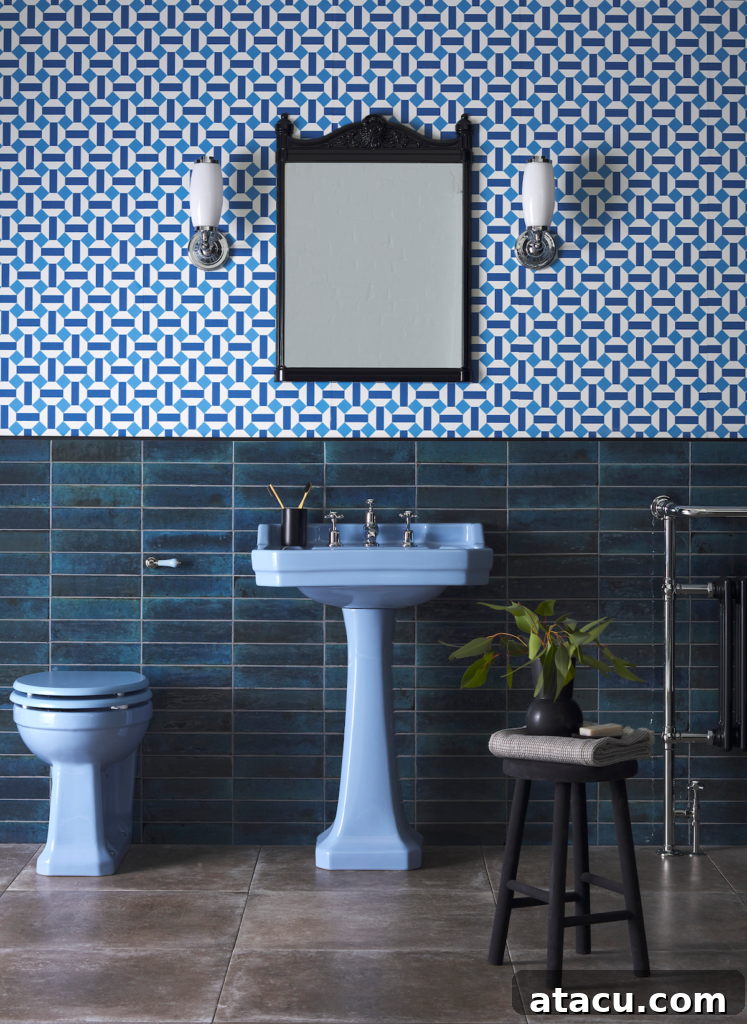
Think beyond the bold, saturated hues of yesteryear. The modern trend embraces a spectrum of sophisticated shades: warm earthy taupes, serene olive greens, soft clay tones, sophisticated greys, and even deep, muted blues. These colors are chosen not just for their aesthetic appeal but also for their ability to evoke tranquility and a connection to nature. Coupled with this refined color choice is a strong emphasis on texture and materiality. The use of luxurious matte finishes, alongside high-quality natural materials like stone, polished concrete, and advanced composite materials, elevates these fixtures, adding a touch of understated luxury and unparalleled sophistication that distinguishes them from their predecessors.
A key characteristic of today’s approach is the strategic application of color. Instead of overwhelming the entire space with a uniform hue, modern designs often feature a single, impactful statement piece. This could be a striking freestanding bath in a rich, unexpected color, a boldly designed basin that acts as an artistic focal point, or even a toilet in a complementary shade, all set against a more neutral and calming backdrop. This thoughtful approach offers tremendous flexibility in design, allowing homeowners to introduce personality and warmth without committing to a complete overhaul, making it easier to adapt and refresh the bathroom’s aesthetic as tastes evolve.
Coloured Baths: The Ultimate Centrepiece of Luxury and Personal Style
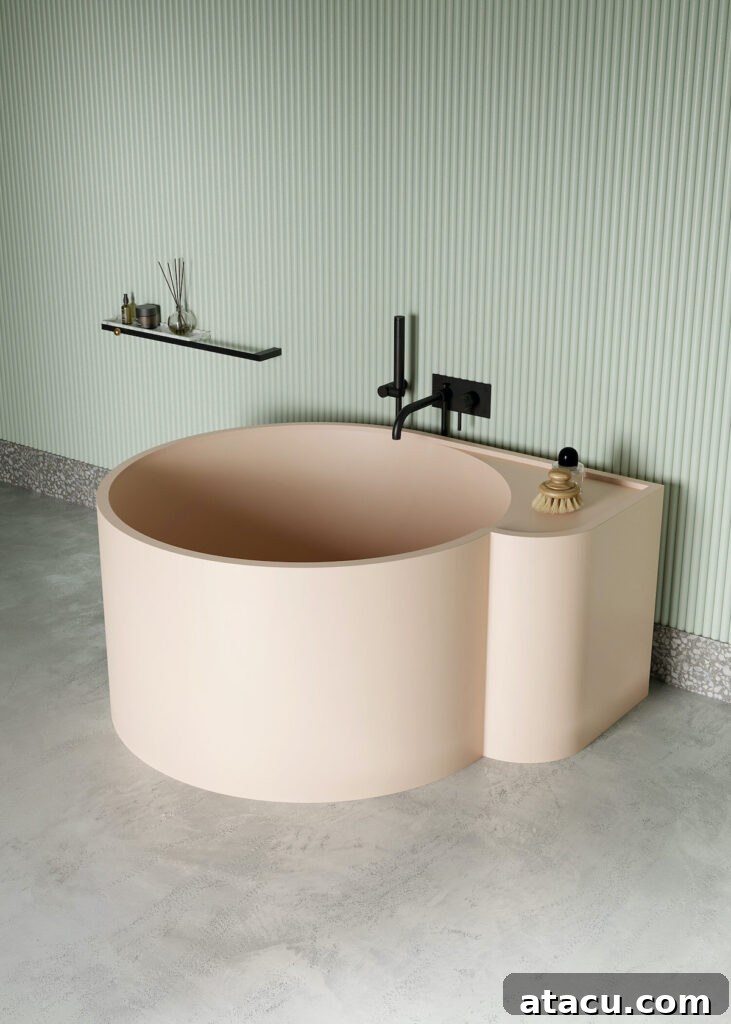
The freestanding bath stands as the quintessential embodiment of modern bathroom luxury. More than just a functional fixture for bathing, it transforms into a sculptural work of art, a focal point that dictates the ambiance and style of the entire room. Incorporating a colored freestanding bath elevates this experience further, turning a daily routine into an indulgent and elegant ritual that speaks volumes about personal taste and a commitment to sophisticated living.
Colored freestanding baths represent a beautiful synthesis of tradition and contemporary flair. While the very concept of a freestanding tub harkens back to the classical elegance of claw-foot designs and lavish historical bathrooms, the introduction of color injects a distinctly modern edge. This fusion makes them incredibly relevant and appealing in today’s diverse design landscape, bridging the gap between historical charm and cutting-edge aesthetics. They offer the weighty presence of classic design with the vibrant personality of modern trends.
Beyond aesthetics, considering the practicalities of a colored bath is important. Modern materials and finishes are designed for durability and ease of maintenance, ensuring that the vibrant hue retains its richness over time. When selecting a colored bath, investigate the material’s resistance to stains, scratches, and fading, particularly if it’s exposed to direct sunlight or harsh cleaning agents. High-quality acrylic, stone resin, and cast iron with specialized enamels are excellent choices for their longevity and vibrant color retention.
Design Tips for Integrating a Coloured Freestanding Bath
Should you be contemplating the magnificent addition of a colored freestanding bath to your bathroom, here are some expertly curated tips to help you achieve a cohesive and stunning design:
- Balance with Neutrals for Impact: If your chosen bath boasts a bold or deeply saturated color, temper its intensity by pairing it with neutral tones throughout the remainder of the room. Think soft greys, warm beiges, pristine whites, or understated creams for walls, flooring, and other fixtures. This intelligent contrast ensures your bath truly stands out as the focal point without overwhelming the entire space, creating a sophisticated equilibrium.
- Cultivate Consistent Colour Themes: Alternatively, extend the chosen hue of your bath by subtly weaving it into other elements within the room. This could involve selecting plush towels, elegant bath mats, carefully chosen accessories, or striking wall art that feature complementary or subtly echoing shades. This method creates a sense of visual cohesion and intentional design, making the entire bathroom feel thoughtfully curated.
- Engage with Textural Play: Introducing a variety of materials and textures can significantly enhance the depth and richness of your bathroom design. For instance, a beautifully smooth, matte-finished colored bath can be exquisitely complemented by the tactile contrast of glossy ceramic or porcelain tiles, the rustic charm of natural wood elements, or the cool sophistication of polished stone countertops. These textural layers add an engaging sensory dimension.
- Strategic Positioning as a Focal Point: The placement of your freestanding bath is paramount. Position it deliberately in a spot where it naturally draws the eye and becomes the undeniable centerpiece of the room. Ideal locations might include beneath a magnificent skylight, allowing natural light to highlight its form and color, or facing a window that offers a captivating view, transforming bathing into an immersive experience.
- Leverage Lighting for Ambiance: The role of lighting cannot be overstated in accentuating the presence and beauty of your colored bath. Employ soft, ambient lighting – perhaps dimmer switches, recessed lighting, or elegant wall sconces – to highlight the bath’s unique color and sculptural form. Strategic lighting can create a serene, spa-like atmosphere, enhancing the overall mood and making the bath feel even more inviting and luxurious.
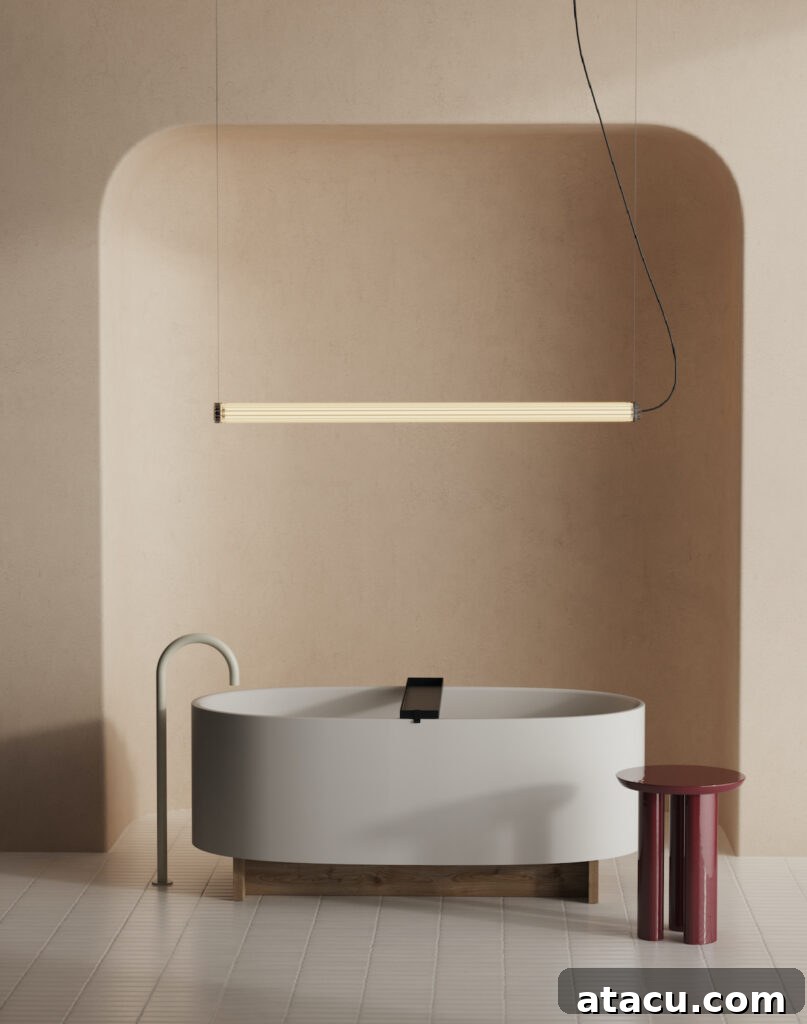
Popular Colours and Materials Shaping Modern Bathroom Trends
This exciting new bathroom design trend brings with it an unparalleled array of colours and materials, allowing for endless possibilities in personalization and style. The choices reflect a desire for both aesthetic impact and lasting elegance. Some of the most popular and impactful choices include:
- Deep, Rich Colours: Shades like opulent burgundy, lush forest green, sophisticated indigo, and charcoal grey are making a grand return. These deep hues instantly infuse a sense of luxury, drama, and profound depth into the bathroom, creating a cocoon-like, indulgent atmosphere. They are particularly effective in larger bathrooms or as a contrasting statement piece.
- Understated Neutral Tones with a Twist: Moving beyond stark white, this category includes subtle shades of warm grey, comforting taupe, versatile beige, and refined off-white. These provide a gentle, sophisticated touch of color without overpowering the space. They are perfect for those who seek a calm, minimalist aesthetic but desire more warmth and character than pure white can offer.
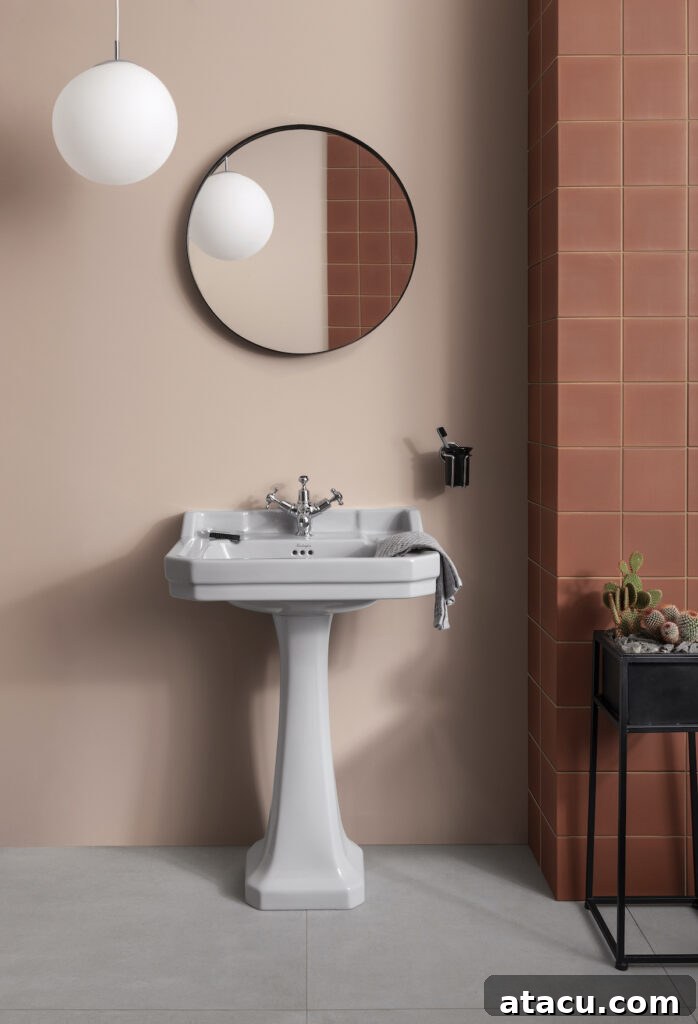
- Earthy Tones for Natural Serenity: Inspired by the natural world, colors like terracotta, muted olive green, and sandy browns bring an organic warmth and grounding feel to the bathroom. These tones create a tranquil, spa-like sanctuary, connecting the indoor space with the calming essence of nature, fostering relaxation and well-being.
- Soft Pastels for Lightness and Calm: Gentle hues such as blush pink, serene sky blue, fresh mint green, and soothing sage green offer a light, airy, and incredibly calming ambiance. These delicate pastels are ideal for smaller bathrooms, where they can make the space feel more expansive, or for creating a soft, ethereal, and truly spa-like retreat.
- Bold Black or Dark Grey for Dramatic Sophistication: For those aiming for a high-impact, contemporary, and incredibly sophisticated look, a matte black or very dark grey bath or sink can be astonishingly striking. These colors create a powerful visual anchor, adding a modern edge and an undeniable sense of drama and elegance to the bathroom.
- Diverse Materials for Enhanced Aesthetics and Durability: Beyond color, the material of the bath or sink plays an equally crucial role in defining its character and ensuring its longevity.
- Acrylic and Fibreglass: These materials offer a sleek, modern aesthetic and are valued for being lightweight, making installation easier. They are also warm to the touch and offer good heat retention.
- Cast Iron: A timeless classic, cast iron baths with an enamel finish add a luxurious, traditional, and incredibly durable feel. They retain heat exceptionally well.
- Stone Resin: A popular choice for luxury modern baths and sinks, stone resin combines the feel of natural stone with superior durability, heat retention, and the flexibility to be molded into various contemporary shapes and finished in a wide spectrum of colors.
- Concrete: For an industrial-chic, minimalist, and highly tactile look, concrete basins and baths are gaining popularity. They offer unique textural qualities and can be pigmented in various shades.
- Ceramic and Porcelain: While traditional for sinks and toilets, advanced glazing techniques now allow for a broader range of consistent, vibrant colors and durable finishes for these classic materials.
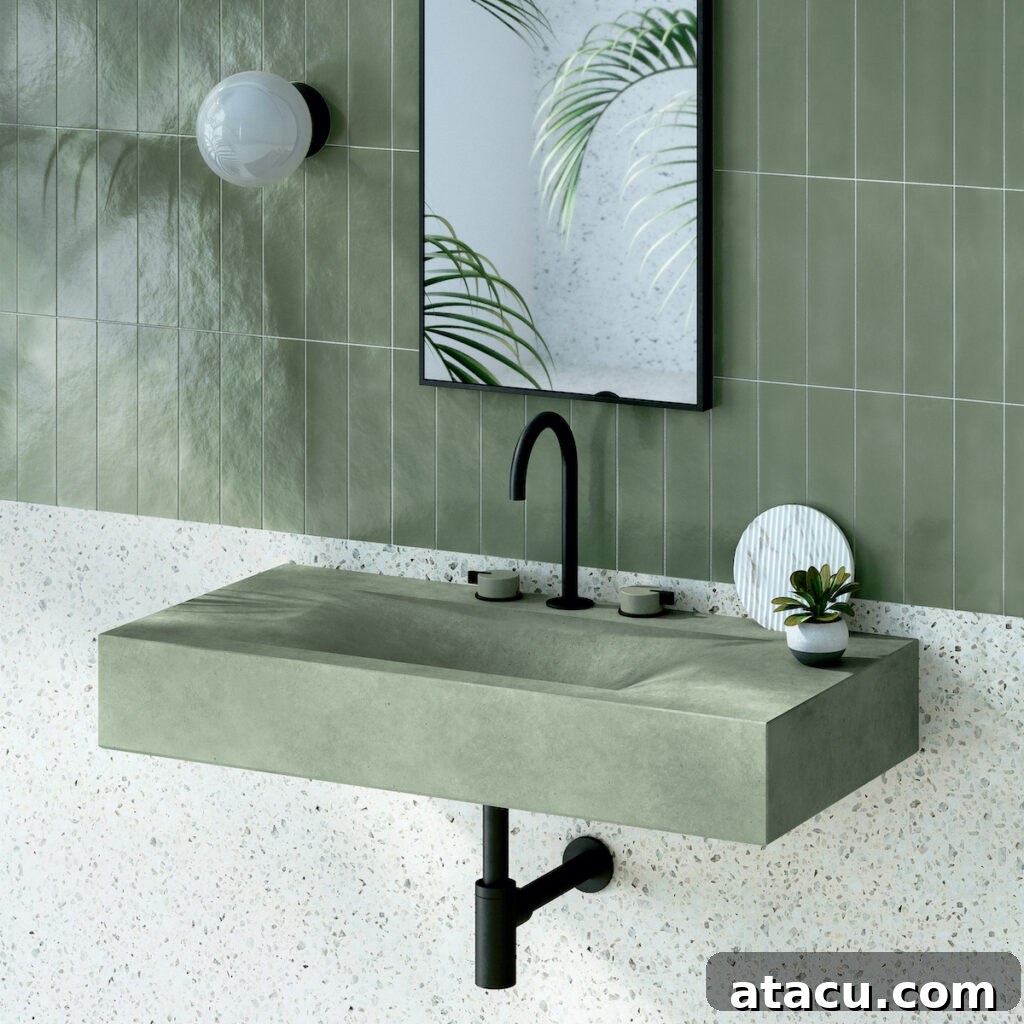
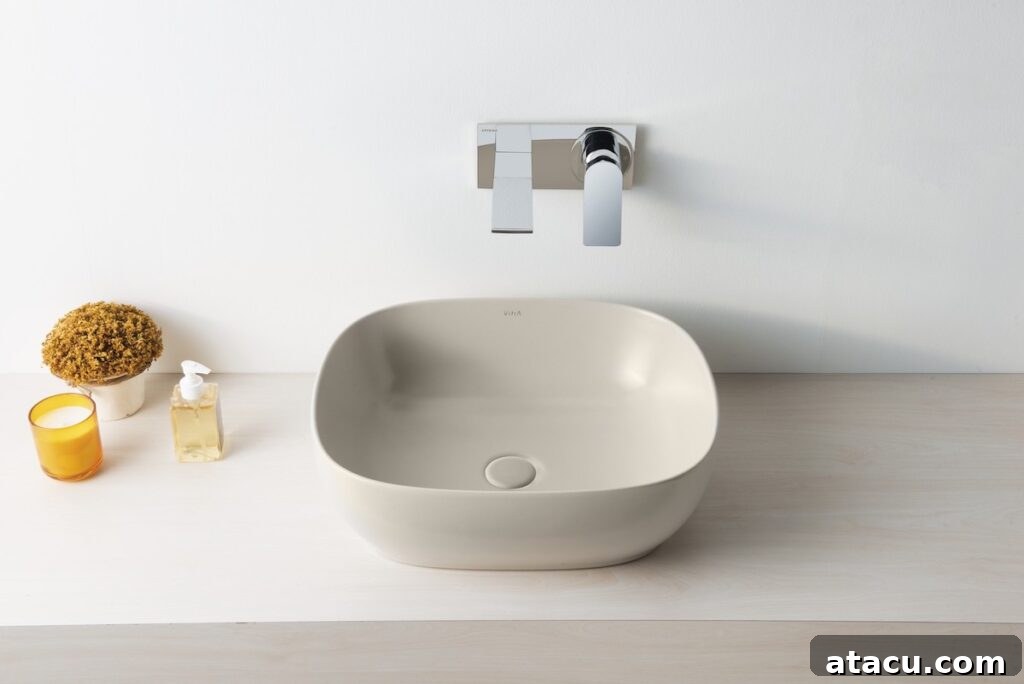
Coloured Bathroom Sinks: A Subtle Yet Impactful Statement of Style
In the intricate tapestry of bathroom design, the sink is often perceived as a secondary element, often overshadowed by the more dominant presence of the bath or shower. However, the strategic selection of a colored sink can transform this understated fixture into a powerful statement piece, significantly elevating the room’s overall aesthetic and infusing it with character and personality. It’s a testament to how even seemingly small choices can create a profound design impact.
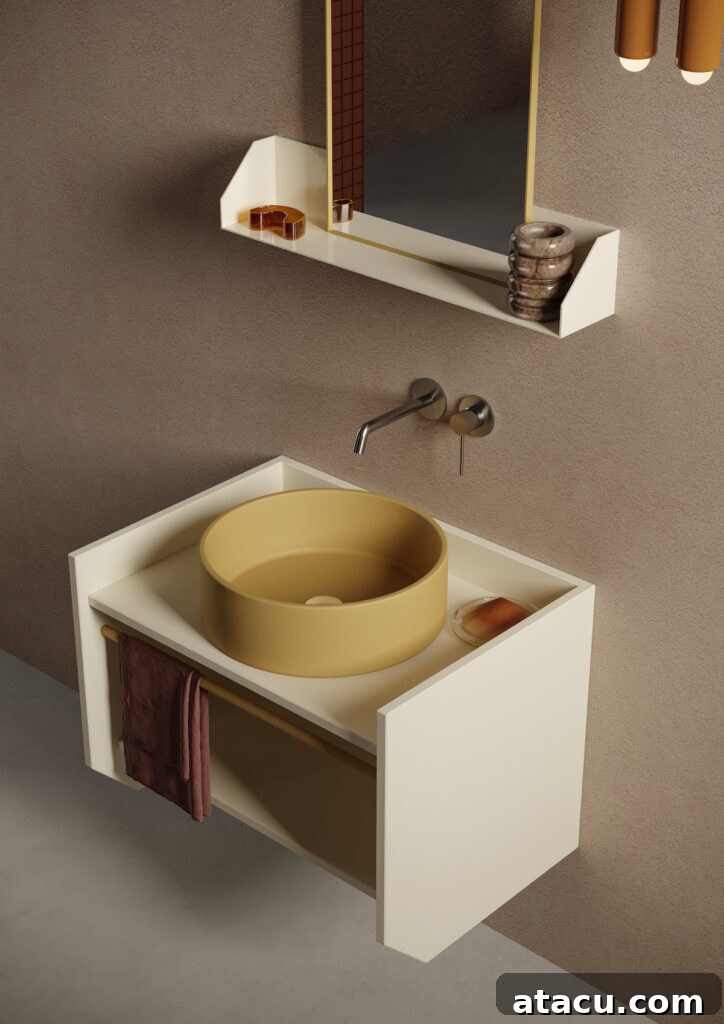
Colored sinks provide a unique and accessible avenue for homeowners to introduce personality and sophisticated style into their bathrooms without the significant commitment or expense associated with larger, more permanent fixtures like baths or extensive tiling. They offer incredible versatility: they can serve as a subtle, elegant nod to a broader design theme, or, depending on the chosen hue and style, they can become a bold, artistic focal point that immediately captures attention. From delicate pastel vessel sinks to vibrant, integrated basin designs, the possibilities are vast. They allow for an expression of creativity that can instantly refresh and modernize a bathroom, often becoming the highlight of the space.
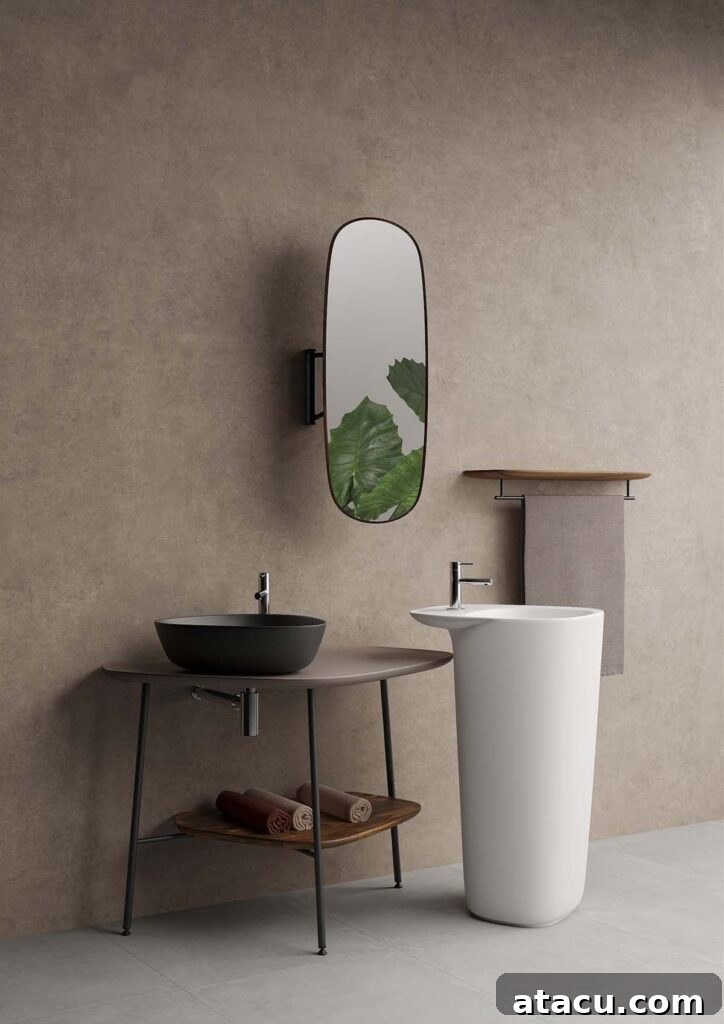
Thoughtful Pairing: Coloured Sinks with Countertops and Fittings
Achieving a truly harmonious and polished look with a colored sink necessitates careful coordination with both the surrounding countertops and the selected fittings and fixtures. This thoughtful interplay of elements is crucial for creating a bathroom that feels both cohesive and luxuriously designed. Here are some key considerations to guide your choices:
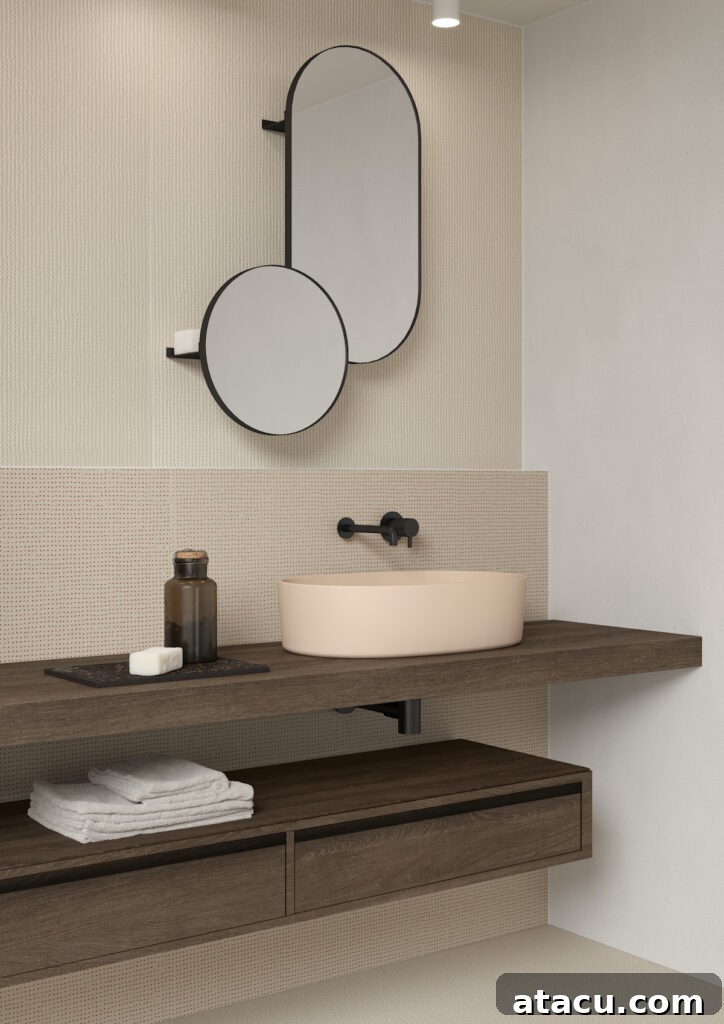
- Strategic Complementary or Contrasting Colours: The choice of sink color should either beautifully complement or create an impactful contrast with your countertop material and shade. For example, a deep navy or emerald green vessel sink, set against a pristine white marble or light quartz countertop, generates a striking and sophisticated contrast. Conversely, a soft pastel-toned sink, such as blush pink or mint green, would harmonise exquisitely with the natural warmth of light wooden countertops, or a subtly veined, creamy quartz surface.
- Maintain a Consistent Design Language: Ensure that the inherent style and form of your chosen sink align seamlessly with the overarching design theme of your bathroom. A sleek, minimalist, and geometrically precise sink will perfectly suit a modern, minimalist, or industrial-inspired space. In contrast, a sink with more ornate detailing, a classic pedestal design, or a gracefully curved silhouette would beautifully complement more traditional, transitional, or even Art Deco-inspired decor.
- Harmonious Fittings and Fixtures: The taps, faucets, and other fittings you select must complement both the sink’s color and its style. Brushed metal finishes, such as brushed brass, matte black, or brushed nickel, tend to work exceptionally well with understated or earthy sink colors, adding a touch of contemporary elegance. Highly polished finishes, like chrome or polished gold, can effectively accentuate bolder sink choices, adding a touch of glamour and reflective sparkle.
- Embrace Texture Play for Depth: Introducing a variety of textures can significantly add depth, interest, and a luxurious feel to your bathroom design. Consider the captivating contrast achieved by pairing a smooth, velvety matte-finished sink with a rough-hewn, natural stone countertop, or a sleek, polished concrete sink with a warm, textured wood vanity. These textural juxtapositions create an engaging sensory experience and elevate the visual complexity of the space.
Modern Coloured Bathroom Suites: Seamlessly Blending Functionality with Unrivalled Style
In today’s sophisticated design landscape, the bathroom has transcended its traditional role as a mere utilitarian space. It is now widely recognized as an integral component of a home’s overall character, a personal sanctuary that must seamlessly merge aesthetic appeal with uncompromising functional practicality. The modern colored bathroom suite epitomizes this evolution, offering spaces that are not only visually stunning but also incredibly efficient and comfortable.
Central to achieving this delicate yet powerful blend is the thoughtful and strategic selection of colors and materials. These choices must be made with an acute awareness of the specific rigors inherent in bathroom environments – including persistent humidity, frequent water exposure, and regular use. The chosen materials must not only exude style but also boast exceptional durability to ensure that the beauty and integrity of colored fixtures remain uncompromished over time. High-quality ceramics, resilient stone resins, and specially treated composite materials with durable, chip-resistant finishes are paramount. Furthermore, innovative design features, such as ergonomic shapes, integrated storage solutions, and water-efficient technologies, are crucial in enhancing usability, comfort, and sustainability, proving that beauty can indeed coexist with advanced practicality.
Crafting a Cohesive Colour Scheme for Ultimate Harmony
The creation of a cohesive and well-thought-out colour scheme is the cornerstone of a bathroom that feels genuinely harmonious, inviting, and exquisitely designed. It ensures that all elements work in concert, creating a unified and pleasing visual experience. Here are some essential tips to guide you through this creative process:
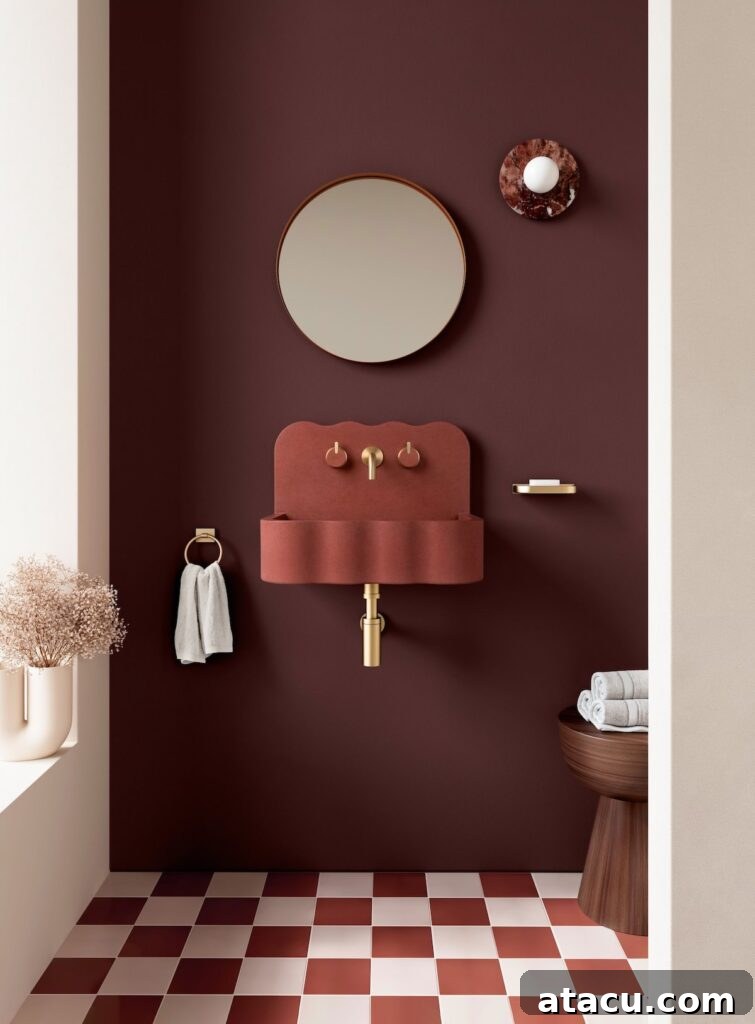
- Establish a Core Base Colour: Begin by selecting a primary colour that profoundly resonates with your personal style and the overall desired mood of the bathroom. This foundational colour will effectively set the tone for the entire suite and should ideally be incorporated into significant fixtures, such as your stunning coloured bath, elegant sink, or feature tiling. This provides an anchor for the rest of your palette.
- Introduce Complementary and Accent Shades: Once your base color is established, introduce secondary colours that either beautifully complement it or offer a subtle, intriguing contrast. These accent shades can be woven into various elements, including sophisticated wall paint, carefully selected tiles, luxurious linens, or decorative accessories. Consider using an analogous colour scheme (colours next to each other on the color wheel) for a calming effect, or a complementary scheme (colors opposite each other) for more dynamism.
- Consciously Consider the Desired Mood and Ambiance: Different colours inherently evoke distinct moods and feelings. Cool tones, such as serene blues and tranquil greens, are exceptional at creating a calming, refreshing, and spa-like effect, perfect for unwinding. Conversely, warmer shades like soft terracotta, muted yellows, or subtle peach can inject a sense of coziness, vibrancy, and welcoming energy into the space. Choose colours that align with the emotional atmosphere you wish to cultivate.
- Maintain Impeccable Visual Balance: It is crucial to ensure that colours are distributed evenly and thoughtfully throughout the entire space. An overabundance of a single colour can quickly overwhelm the senses and make the room feel oppressive. Instead, aim for a well-distributed and balanced palette that allows each hue to breathe and contribute to a harmonious visual flow, preventing any single element from dominating excessively.
Balancing Colour with Other Essential Design Elements for a Complete Look
Integrating color successfully into a bathroom extends far beyond merely choosing coloured fixtures and fittings. It’s about meticulously crafting a cohesive, multi-layered look that skillfully ties all the diverse elements of the room together, ensuring a complete and immersive sensory experience. This holistic approach creates a space that feels deeply considered and truly luxurious.
- The Transformative Role of Lighting: Lighting is an incredibly powerful, yet often underestimated, tool that fundamentally influences how colours are perceived within a space. Natural light sources are invaluable for revealing the true, vibrant hues of your chosen colors. Complementing this, artificial lighting can be expertly manipulated to enhance, soften, or even dramatically alter your colour scheme. Warm LED lights can intensify cozy tones, while cooler lights might make blues and greens appear crisper. Layered lighting—ambient, task, and accent—allows for versatile mood creation.
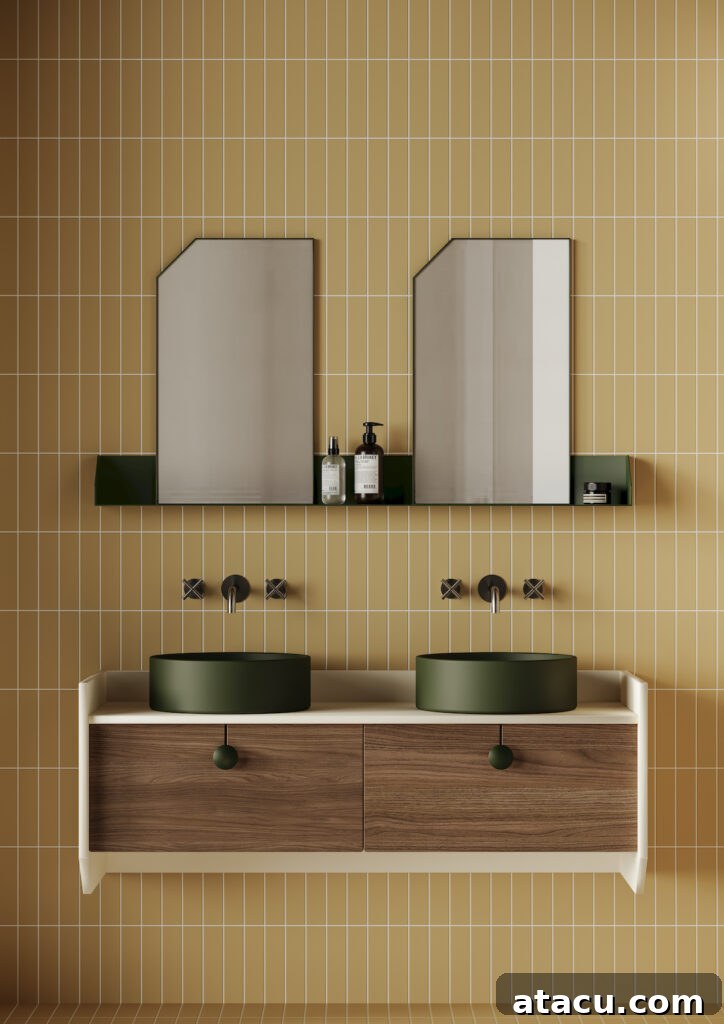
- Strategic Tile and Wall Finishes Selection: The choice of tiles and wall finishes must harmonise seamlessly with the suite’s chosen colors. Beyond color, carefully consider the texture and pattern of these surfaces. A matte subway tile can offer a sophisticated backdrop to a glossy colored sink, while a large-format, subtly textured tile can add depth without competing with a bold bath. Patterns, whether geometric or organic, can introduce dynamic interest and visual rhythm to the space, tying in accent colors.
- The Impact of Accessories and Accents: Towels, bath mats, carefully chosen artwork, decorative objects, and even lush green plants are invaluable for introducing splashes of accent color. These easily changeable elements offer a fantastic, low-commitment way to refresh the bathroom’s look seasonally or as your tastes evolve, without necessitating major renovations. They allow for playful experimentation and the introduction of seasonal trends.
- Achieving Harmonious Integration: The ultimate goal is to ensure that every single element of the bathroom – from the primary fixtures to the smallest fittings, and every accessory – works together in perfect synergy. This creates a space that is not only profoundly aesthetically pleasing and a joy to inhabit, but also remains supremely functional and practical for daily use. A truly harmonized bathroom fosters a sense of calm, order, and bespoke luxury.
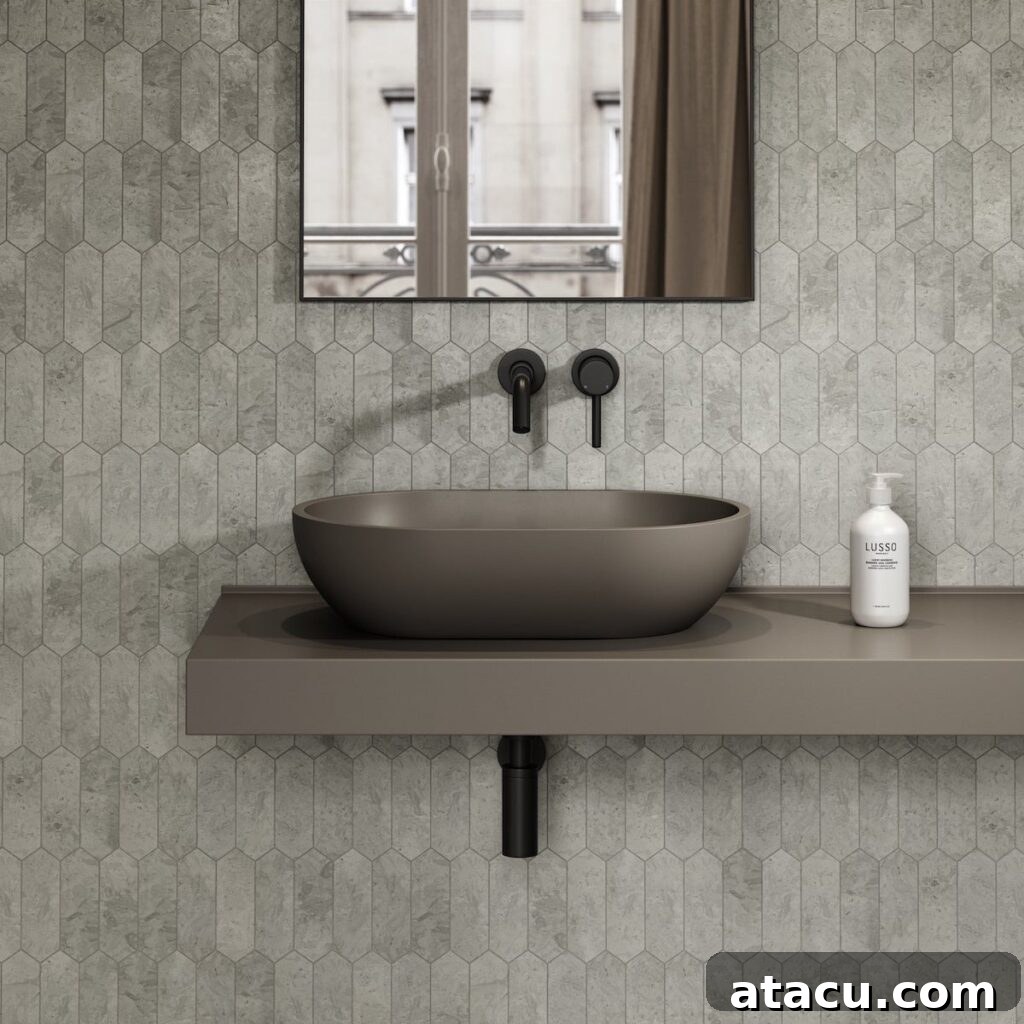
As we navigate the currents of 2024 and beyond, it’s increasingly evident that bathroom design is experiencing a subtle yet profound evolution. The era of uncompromising, stark white dominance is gracefully receding, making way for a return to softer, more nuanced, and deeply personal shades. Whether expressed through the tranquil allure of gentle pastels, the grounding presence of earthy neutrals, or the sophisticated drama of deeper jewel tones, this embrace of color is much more than a fleeting trend. It’s a purposeful infusion of warmth, enriching texture, and an understated, quiet elegance into the modern bathroom, transforming it into a truly inviting and personalized sanctuary.
Save to Pinterest