
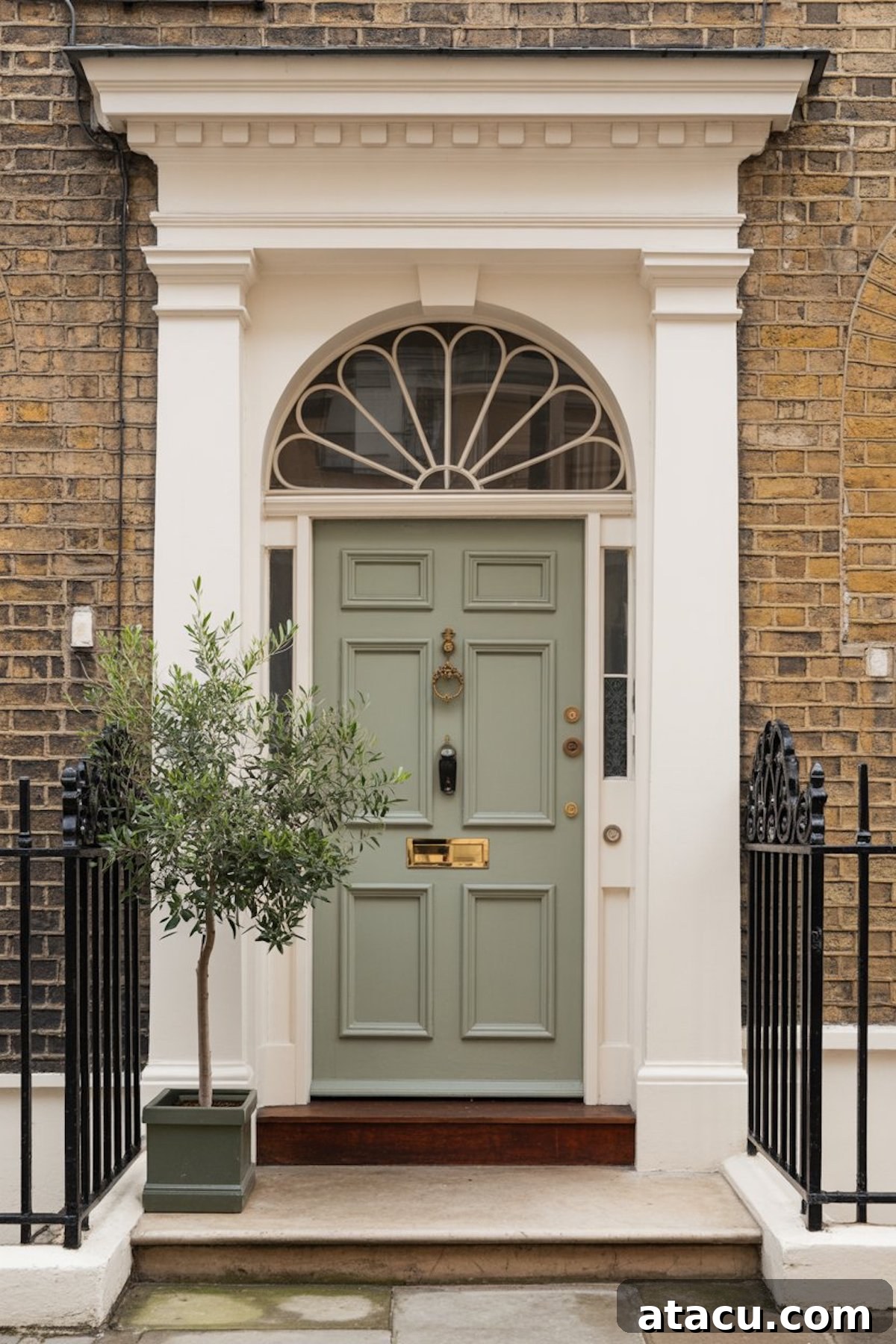
Period homes stand as magnificent testaments to architectural history, each bearing a unique story told through its distinctive character, intricate details, and enduring heritage. For owners of these cherished properties, the entrance is far more than just a point of access; it’s the very soul of the home, setting the tone for what lies within and offering a crucial first impression. The challenge often lies in harmonizing the desire to preserve this irreplaceable charm with the need for modern comfort, security, and efficiency. A thoughtfully designed entrance should effortlessly blend historical authenticity with contemporary performance, creating a welcoming gateway that feels both true to its past and ready for the future.
Harmonizing Heritage with Contemporary Living: The Perfect Entrance
The front door of a period property is a powerful statement. An overly modern approach risks clashing with the home’s inherent style, appearing out of place and detracting from its curb appeal. Conversely, clinging strictly to original, yet often outdated, designs can compromise essential aspects of modern living, such as comfort, functionality, and safety. In this delicate balancing act, many homeowners are discovering that composite doors offer an intelligent, versatile, and highly effective solution.
Composite doors are ingeniously engineered to replicate the exquisite aesthetics of traditional timber doors, complete with authentic wood grain textures and period-appropriate panel configurations. However, beneath this historically accurate exterior lies a core of advanced materials designed to overcome the common shortcomings of old wooden doors. Unlike timber, composite front doors are impervious to problems such as swelling, warping, rotting, cracking, and draughts, ensuring a consistent appearance and dependable performance year-round, regardless of weather fluctuations. This innovative construction provides unparalleled advantages in security, thermal insulation, and long-term durability, offering a balanced and dependable option for families who demand both timeless elegance and modern practicality.
The Anatomy of a Composite Door: Blending Strength and Style
What makes composite doors so ideally suited for period properties? Their multi-layered construction is key. Typically, they feature a solid insulating core, often made from high-density foam or reinforced timber, enveloped by a durable GRP (Glass Reinforced Plastic) skin. This robust combination creates a door that is significantly stronger, more stable, and more energy-efficient than traditional timber. The GRP skin can be molded and finished to mimic a wide array of wood grains and textures, making it virtually indistinguishable from real wood, yet without the associated maintenance headaches. With an extensive palette of finishes and colours available, homeowners can effortlessly choose a design that perfectly mirrors their property’s unique architectural style while seamlessly integrating modern functionality.
Elevating Period Property Entrances: Merging Authenticity with Advanced Engineering
Maintaining the cherished character of a period home demands a sensitive approach to every detail, from proportions and lines to the choice of materials. Many original doors, while charming, unfortunately fall short in areas critical for contemporary living, such as adequate insulation, robust weatherproofing, and reliable locking systems. The fundamental challenge lies in upgrading these crucial elements without undermining the historic integrity and unique design that makes the property special.
Addressing the Deficiencies of Original Doors
It’s a common lament among period homeowners: beautiful, but draughty doors. Old timber doors are often single-glazed or even unglazed in parts, with poor seals and weak frames, leading to significant heat loss and unwelcome cold currents. Furthermore, the security offered by aged doors with simple mortice locks is often inadequate by today’s standards. They are also prone to the ravages of time and weather, requiring constant painting, varnishing, and repair to combat rot, warp, and damp, which can become a costly and time-consuming burden.
The Composite Solution: A Masterclass in Design and Function
A high-quality composite door represents the perfect compromise between honouring tradition and embracing innovation. Property owners can select from an extensive range of designs featuring period-style panels, such as the classic Georgian six-panel or the ornate Victorian four-panel, coupled with decorative glazing options that reflect specific historical influences like Georgian fanlights, Victorian stained glass, or Edwardian etched patterns. The beauty of composite doors is that these authentic exterior details are backed by modern, multi-layered construction designed to resist extreme weather, significantly improve energy efficiency through superior insulation, and support advanced, multi-point locking systems for enhanced security.
Navigating Conservation Area Requirements
For homes situated within conservation areas or those listed for their architectural significance, any external modifications, including door replacements, often require careful consideration and guidance from local planning officers. Fortunately, many manufacturers offer composite front door designs specifically tailored to meet these stringent standards. These doors are meticulously crafted to blend discreetly and harmoniously with existing architectural elements, replicating historical styles and finishes so precisely that they often gain approval while still delivering the substantial modern benefits of durability, efficiency, and security.
Meticulous Replication: Safeguarding the Soul of Your Period Entrance
The distinctive character of a period entrance is defined by a collection of intricate architectural details. Elements such as elegant fanlights above the door, decorative side panels, bespoke ironmongery (door knockers, letter plates, and handles), and intricate stone or timber door surrounds all contribute significantly to the home’s historical identity. Preserving these features, wherever possible, is paramount to ensuring design continuity and maintaining the authentic charm of the property.
Beyond the Door Itself: Complementary Elements
When undertaking the replacement of an old entrance, homeowners have the opportunity to select a composite door that not only boasts original proportions and symmetry but also complements these existing elements. Many composite door designs meticulously replicate historical panel layouts, ensuring that the new addition feels inherently part of the home’s heritage, rather than a jarring modern imposition. The subtle, yet impactful, use of historically accurate colours and period-appropriate hardware further enhances this effect, seamlessly tying the new installation into the rich architectural narrative of the house. Customization options extend to choice of glass for fanlights and sidelights, allowing for continuation of leaded, stained, or etched patterns that perfectly match the era and style.
Tailored Aesthetics: Capturing Era-Specific Charm with Modern Prowess
Understanding the nuances of different architectural eras is crucial for selecting a front door that truly resonates with a period home’s identity. Composite doors offer an unparalleled ability to reproduce these era-specific features with remarkable accuracy, while simultaneously delivering performance advantages that traditional timber simply cannot match.
Georgian Grandeur and Simplicity (1714-1837)
Georgian properties are renowned for their symmetrical designs and understated elegance. Their front doors typically feature a six-panel configuration, often accompanied by a graceful fanlight above. These doors usually boast clean lines and sophisticated, often darker, colour palettes such as deep greens, blues, or black, reflecting the era’s classical influences. Composite doors can recreate this dignified simplicity, complete with perfect panel alignment and options for traditional Georgian bar glazing in fanlights.
Victorian Vibrancy and Detail (1837-1901)
Victorian architecture, in contrast, embraced ornamentation and a more dramatic aesthetic. Front doors from this era commonly display ornate four-panel designs, frequently adorned with intricate stained or etched glass panels that often depict floral motifs, geometric patterns, or symbols of prosperity. Rich, bold colours like burgundy, deep navy, or forest green were popular choices. Modern composite doors meticulously reproduce these decorative elements, offering a wide array of glass designs and panel styles that capture the opulent spirit of the Victorian age.
Edwardian Refinement (1901-1910)
Edwardian entrances often act as a bridge between the Victorian era’s opulence and the simpler styles that followed. They frequently combine elements from both, sometimes featuring large glazed panels or smaller leaded/stained glass sections, often in more restrained patterns. Lighter, more natural colour schemes, including creams, soft greens, and natural wood finishes, were characteristic. Composite doors excel at capturing this refined aesthetic, providing the perfect balance between light and privacy, and a selection of colours that reflect the optimism of the Edwardian period.
Unwavering Performance: The Core Advantages
Beyond their stunning visual accuracy, today’s composite doors bring a suite of contemporary benefits that directly address the inherent weaknesses of old timber doors. Their superior moisture resistance means no more warping, swelling, or rotting, ensuring the door maintains its pristine condition and structural integrity for decades. Enhanced structural stability prevents twisting or bowing, guaranteeing smooth operation and a consistent fit. Furthermore, integrated secure locking mechanisms provide unparalleled protection, offering peace of mind to homeowners. The benefit extends to significantly reduced maintenance, freeing homeowners from the cycle of constant painting and repair, and improved usability without ever compromising the historical character that makes period homes so appealing. This reliability also ensures a consistent, beautiful appearance year-round, unaffected by seasonal shifts in temperature or humidity, truly balancing tradition with everyday practicality.
The Art of Colour: Reflecting Historical Narratives
Colour holds profound significance in the authenticity of a period entrance. The right hue can reinforce the property’s architectural story and dramatically enhance its curb appeal, while an ill-chosen shade can instantly detract from its historical value.
Era-Specific Colour Palettes
Historically, Georgian houses traditionally favoured deep, sophisticated greens, blues, or classic blacks, conveying an air of reserved elegance. Victorian properties, in line with their more ornate nature, leaned towards bold, dramatic tones such as rich burgundy, regal navy blue, or profound forest green. Edwardian homes, marking a shift towards lighter aesthetics, often utilised softer shades including creams, pale blues, and gentle greens. The beauty of modern composite doors lies in their ability to be finished in any of these extensive palettes, often with a durable, low-maintenance coating. This allows homeowners to meticulously select a tone that not only perfectly reflects the correct historical era but also complements the property’s brickwork or masonry, ensuring a cohesive and historically accurate facade.
Fortifying Your Home: Unseen Security for Uncompromised Charm
For homeowners of period properties, security is a paramount concern, yet there’s a strong desire to avoid unsightly modern fittings that might spoil the heritage look. Fortunately, contemporary composite front door designs masterfully integrate advanced security features discreetly, ensuring robust protection without any aesthetic compromise.
Integrated Security Features
Composite doors come equipped with sophisticated multi-point locking systems as standard, engaging multiple bolts and hooks into the frame when locked, providing formidable resistance against forced entry. These systems are often paired with high-security, anti-snap, anti-drill, and anti-pick cylinders, further enhancing protection. The reinforced cores and robust frames of composite doors act as inherent deterrents, making them incredibly difficult to breach. Crucially, all these advanced security mechanisms are cleverly integrated within the door’s structure, remaining invisible from the exterior. Traditional-style knockers, handles, and escutcheons can then be chosen to perfectly match the period, concealing the high-tech security features beneath their authentic facade. Even smart access systems, offering keyless entry and remote monitoring, can be fitted internally, preserving the external appearance while bringing the home into the modern age of connectivity. This remarkable balance between cutting-edge safety and timeless style makes composite doors exceptionally well-suited for period homes.
A Warmer Home: Boosting Thermal Performance with Elegance
A persistent challenge for many older homes is inefficient thermal performance, often leading to significant heat loss through draughty and poorly insulated entrances. A modern composite door provides a definitive solution to this common issue, dramatically enhancing a home’s energy efficiency.
The Science of Warmth
At the heart of a composite door’s superior thermal performance is its insulated core, typically comprising high-density foam or timber layers, which acts as a formidable barrier against heat transfer. This is complemented by robust weather seals (often EPDM gaskets) around the frame that effectively prevent draughts and moisture ingress, sealing warmth within the home. Composite doors achieve excellent U-values (a measure of heat loss), often significantly lower than traditional timber doors, translating directly into reduced heating bills and a more comfortable indoor environment. Furthermore, improved glazing units for composite doors can meticulously replicate historic designs, from leaded patterns to stained glass, while incorporating double or even triple glazing for optimal thermal efficiency. While simple additions like draught excluders and heavy curtains can offer supplementary insulation, the fundamental improvement in energy performance stems from choosing a well-constructed, thermally efficient composite front door. This upgrade allows homeowners to enjoy unparalleled comfort and warmth throughout the year, all while staying true to their property’s irreplaceable character and contributing to a more sustainable lifestyle.
Embarking on Your Period Door Transformation Journey
Upgrading the entrance to a period property should never equate to compromising its invaluable heritage. Instead, homeowners are empowered to achieve the best of both worlds by carefully selecting expertly designed products that seamlessly combine the benefits of modern technology with exquisite historical detail. The strategic choice of a composite door ensures authentic finishes, sympathetic proportions, and reliable, low-maintenance materials. This thoughtful investment guarantees a door that not only enhances the functional aspects of your home but also profoundly enriches its inherent charm and architectural legacy.
Crafting an Enduring Legacy: The Definitive Period Door Choice
A meticulously chosen entrance makes a profoundly lasting statement for any period property. Composite doors stand out as the premier choice, delivering the exceptional durability, superior energy efficiency, and uncompromising security that modern living demands, all while deeply respecting the timeless character and unique aesthetic of traditional homes. For those dedicated to preserving their property’s rich heritage while simultaneously elevating daily comfort and operational practicality, now is the ideal moment to explore the vast array of options that masterfully combine elegance, advanced performance, and lasting peace of mind.