
by Graham Powell
The Reimagined Design Museum: A New Era for Creativity in Kensington
After years of eager anticipation and meticulous planning, the Design Museum has finally reopened its doors in its magnificent new home in Kensington. Our team had the distinct privilege of attending the exclusive preview, offering us a first look at whether the grand vision truly lived up to the immense hype. Beyond the immediate awe inspired by its striking new form, this momentous relocation prompts a crucial question for our contemporary digital age: in an era of unprecedented, instant access to information, do we still genuinely need a physical design museum?
From Shad Thames to Albertopolis: A Transformative Relocation
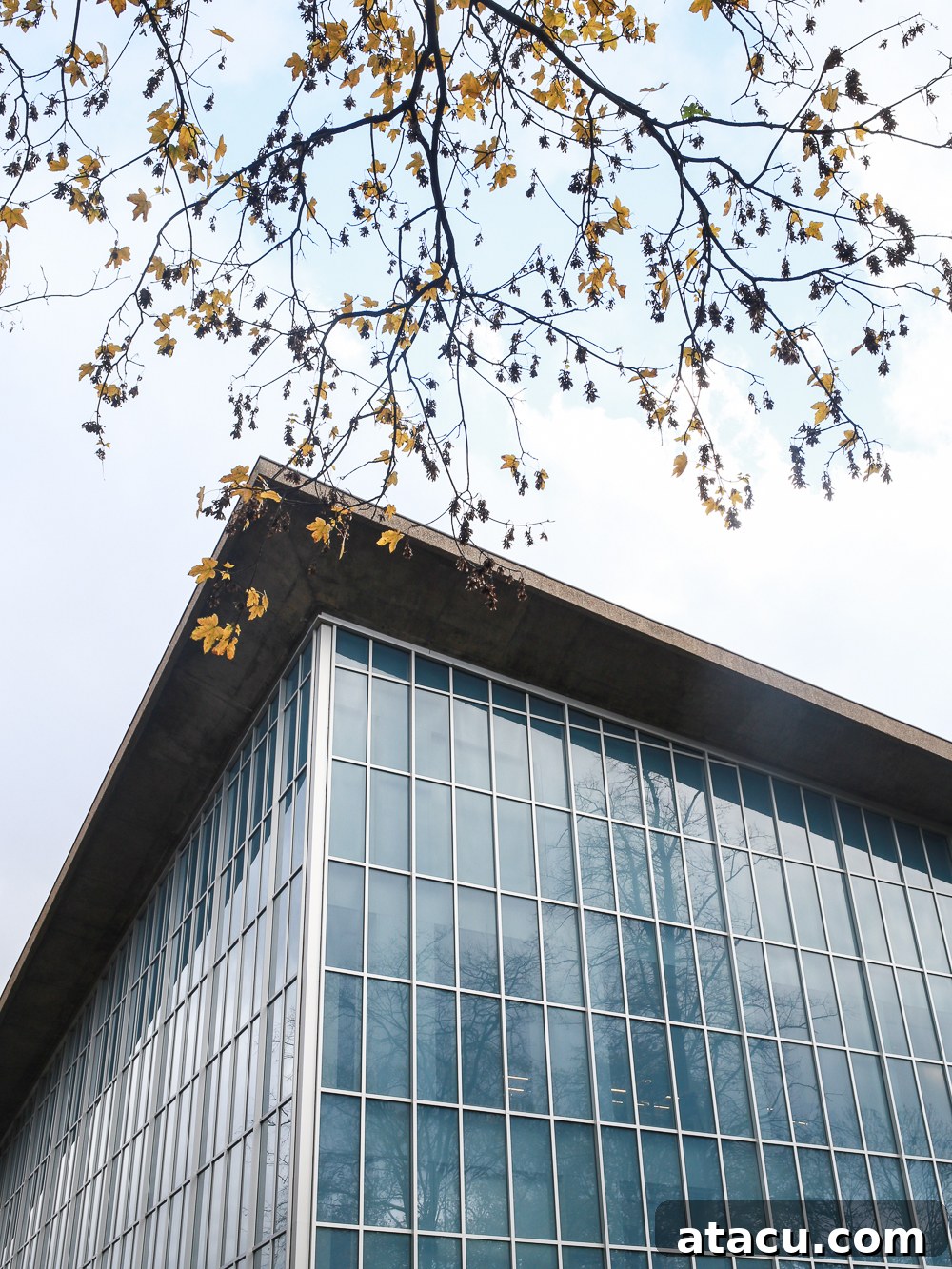
The iconic former Commonwealth Institute building, nestled at the western end of Kensington High Street, has undergone a profound architectural transformation over the past few years. This historic mid-century landmark was chosen as the new, ambitious abode for the Design Museum, signaling a significant upgrade and expansion from its previous, more compact premises in Shad Thames, near London’s historic Tower Bridge. The strategic decision for this pivotal move was driven by a clear and expansive mandate from legendary designer Sir Terence Conran, who tasked Deyan Sudjic (Director of the Design Museum since 2006) with the monumental challenge of finding a considerably larger and more prominent home.
The overarching objective was both ambitious and vital: to elevate the museum from its respected status as a significant niche player into an influential and indispensable international voice within the global spheres of design and architecture. After an exhaustive and rigorous search across London, the Kensington site emerged as the ideal candidate. Its appeal was multifaceted: not only does it offer an impressive three times the exhibition and operational space of its predecessor, but its location is also strategically perfect. It serves as a natural extension, an ideal annexe, to the distinguished cluster of world-class cultural and educational institutions collectively known as ‘Albertopolis’. This prestigious enclave includes revered establishments such as the Victoria and Albert Museum, the Science Museum, the Royal College of Art, and the Serpentine Gallery. The Design Museum’s presence here firmly solidifies Kensington’s reputation as a paramount cultural district, fostering a vibrant ecosystem for learning, innovation, and artistic appreciation that is unparalleled anywhere else in London, creating an intellectual hub where design can truly thrive.
John Pawson’s Architectural Masterpiece: A Minimalist Transformation
The monumental task of sensitively restoring and imaginatively converting the listed 1960s landmark fell to John Pawson, an architect whose profound work has long been a source of deep admiration for many, including ourselves. His distinctive minimalist philosophy, characterized by a refined sense of order, serenity, and quietude, has even subtly influenced design details within our own home. Pawson was unanimously selected by an expert panel for his exceptional ability to respect and rejuvenate the historical essence of a building, honoring its legacy while simultaneously imbuing it with a cutting-edge contemporary sensibility. The original structure, a classic and bold example of post-war modernist architecture, boasted an iconic, tent-like hyperbolic paraboloid roofline, reminiscent of many churches built across the country during the same transformative era. However, after decades of intensive use and the inevitable march of time, the building had understandably grown somewhat weary and was in dire need of a renewed purpose and a fresh lease of life.
Pawson is globally renowned for elevating the timeless “less is more” mantra to sophisticated new heights, transforming it into a guiding principle for creating truly transformative spaces. His architectural approach meticulously aims to cultivate an enhanced sense of inner calm and profound contemplation, directly derived from a thoughtfully considered and elegantly simple exterior and interior design. This philosophy transcends mere aesthetic minimalism; it’s fundamentally about crafting environments that soothe the mind, focus the spirit, and encourage deep engagement. Key to his distinctive and widely recognized style are an unwavering attention to minute, almost imperceptible details, the discerning selection of only the highest quality, tactile materials, and a carefully curated, exquisitely muted colour palette. These finely tuned principles are unequivocally evident throughout his practice’s masterful redesign of the new Design Museum, where every single element contributes harmoniously to an overarching sense of understated elegance, profound tranquility, and enduring architectural beauty.
A House of Contemplation: The Museum’s Enduring Purpose
Stepping into the building’s vast, soaring atrium space, visitors are immediately enveloped in an atmosphere of profound serenity and architectural grandeur. The eye is naturally, almost instinctively, drawn upwards, captivated by the breathtaking and magnificent concrete hyperbolic paraboloid roof. This engineering and aesthetic marvel is gracefully supported by an intricate array of undulating beams that fan out in a mesmerizing, rhythmic pattern, effortlessly enchanting all who gaze upon its impressive scale and intricate geometry. The immediate effect upon entering is a palpable sense of awe and an instant state of calmness that washes over the visitor, allowing the typical hustle, bustle, and incessant stresses of daily urban life to swiftly recede into a distant memory. This carefully crafted environment is far more than just an entrance; it is a meticulously designed gateway to a unique, contemplative, and deeply engaging cultural experience.
Indeed, a minimalist interior, a hallmark often experienced in the most esteemed modern art galleries and museums worldwide, serves as the quintessential preparation for achieving a preferred higher state of consciousness within such a ‘house of contemplation’. This concept lies at the very core of a museum’s enduring and invaluable purpose: it is a sacred space where both we, the observers, and the objects on display are deliberately removed from their ordinary, everyday contexts. This intentional act of separation allows for a deeper, more focused reflection on their inherent functionality, their profound historical significance, their multifaceted semantic meaning, and ultimately, their true purpose in the grand, evolving tapestry of human innovation and creativity. In this profound sense, the architectural agenda of the new Design Museum bears a striking resemblance to that of a spiritual sanctuary, such as a church. However, instead of traditional deities, it is design itself – in all its myriad forms and functions – that is revered and celebrated here, with the timeless adage, “God is in the details,” serving as its fundamental and unwavering guiding principle.
The Palette of Peace: Pawson’s Humane Minimalism in Detail
John Pawson’s distinctive approach to design masterfully evolves Le Corbusier’s famously stark modernist mantra of ‘a liberal coat of whitewash to cleanse the soul’ into a more nuanced, tactile, and profoundly humane manifestation that we now recognize as contemporary minimalism. This form of minimalism is far from dogmatic or austere; it eschews the rigid, almost clinical dictate of ‘any colour you like as long as it’s white’ that can often result in spaces perceived as cold or sterile. Instead, Pawson embraces a sophisticated interplay of thoughtfully selected, high-quality materials, each chosen not for ostentation but to celebrate the understated, the unobtrusive, and the authentically tactile. This approach offers a powerful counterpoint to the more flamboyant, ‘look at me’ design movements that prioritize showmanship and fleeting trends over lasting quality and calm. It’s a design language that speaks volumes through whispers, not shouts, inviting quiet appreciation rather than demanding attention.
Within the museum’s serene and expansive spaces, pristine white walls serve as a crisp, luminous canvas, beautifully complemented by vast stretches of meticulously polished Italian terrazzo flooring on the lower levels. This durable and aesthetically pleasing material grounds the space with a sense of classical elegance. As one ascends through the various floors to the mid and higher levels, the material palette subtly and harmoniously shifts, introducing the inherent warmth of pale marble cladding alongside rich, light oak paneling and flooring. This careful orchestration of natural materials, each with its unique texture and tonal quality, infuses the vast, open spaces with a naturalness, an inherent warmth, and an inviting tactility, creating an environment that feels both sophisticated and welcoming. For more intimate social gatherings, such as those within the museum’s restaurant, darker, richer tones are judiciously employed in the furniture and finishes, offering a sophisticated contrast that adds depth and character while maintaining the overall sense of refined elegance.
Throughout the entire building, key design elements like subtle, integrated lighting solutions and Pawson’s signature ‘hidden’ doors are omnipresent yet remarkably unobtrusive. These meticulously crafted concealed elements, which ingeniously disguise essential services and access points, are quintessentially Pawsonesque in their execution and contribute significantly to the pervasive feeling of calmness, order, and seamless flow. Even functional elements, such as utilitarian service lifts, are cleverly hidden behind precisely engineered bi-folding panel doors, ensuring that visual clutter is meticulously minimized and the architectural purity of the space is preserved. This profound attention to every single detail extends thoughtfully to the exterior as well; rather than directing attention towards the bustling, often chaotic Kensington High Street, the design deliberately encourages and frames serene, expansive views of the tranquil Holland Park. This focus on natural beauty further enhances the overall sense of peace, mental quietude, and a connection to the natural world for all who visit, offering a restorative pause from urban life.
Engaging Exhibitions and Fostering Future Talent
The Design Museum’s expanded footprint boasts a wealth of dynamic and flexible exhibition spaces designed to captivate, educate, and inspire. Visitors can explore two generously proportioned temporary galleries, providing ample room for rotating, large-scale exhibitions, complemented by numerous smaller, strategically placed spaces throughout the museum. These more intimate areas are perfect for creating opportunities for delightful surprise encounters with design objects, hosting innovative pop-up events, and showcasing focused installations, ensuring there’s always something new, unexpected, and thought-provoking to discover around every corner. The museum’s inaugural opening exhibitions set an exceptionally high bar, presenting a thoughtfully curated mix that truly celebrates the breadth, depth, and multifaceted nature of contemporary design thinking.
Among these compelling initial exhibitions are “Fear and Love: Reactions to a Complex World,” which offers diverse individual design perspectives on pressing contemporary global issues, inviting visitors to ponder design’s role in addressing them; “Designer, Maker, User,” an insightful curation drawn from the museum’s extensive permanent collection that meticulously explores the fundamental and symbiotic relationship between creation, production, and consumption; and the esteemed “Beazely Designs of the Year,” an annual accreditation showcase of groundbreaking design innovations from around the world that are shaping our present and future. Furthermore, the museum actively champions and nurtures emerging talent through its highly regarded “Designers in Residence” programme, providing invaluable opportunities for new voices to exhibit their innovative work, gain vital exposure, and engage with a wider audience. With a space now three times the size of its predecessor, the sheer volume and incredible variety of exhibits are immense, making it a delightful challenge to select just a few highlights to report on here, as each visitor will undoubtedly find their own particular design preferences and agendas resonating with different displays.
Therefore, a personal visit is not just recommended, but highly encouraged to fully experience this rich tapestry of design for yourself, rather than relying on any attempt to cherry-pick “the best bits.” We were particularly pleased to note the prominent and respectful inclusion of less traditionally “sexy” design categories, such as transport and technology. These fields, often the result of complex collaborative teams, rigorous engineering, and iterative processes that might lack the immediate visual allure of a fashion garment or a designer chair, were featured just as extensively and meaningfully as those from the more commonly celebrated individual “star” designers. This inclusive approach underscores the museum’s profound commitment to presenting a holistic, comprehensive, and truly democratic view of design in all its forms and functions, acknowledging the collective ingenuity that shapes our modern world.
The Enduring Relevance of the Design Museum in a Digital World
Ultimately, the new Design Museum in Kensington offers an incredibly enriching and broadly accessible experience for everyone—or, at the very least, for anyone with an inquisitive mind and a keen interest in understanding the ‘why’ behind the myriad things that shape our built and lived world. It is meticulously designed to serve as a pivotal gathering point, a dynamic nexus for both innovative design ideas and the diverse array of people who create, appreciate, and are inspired by it. This includes budding enthusiasts and established professionals alike, spanning all ages, backgrounds, and specific areas of interest within the vast field of design. On a broader, more societal level, the museum possesses all the essential ingredients to function as a powerful and indispensable focal point, providing crucial, unwavering support to the creative industries.
Through its steadfast commitment to fostering cutting-edge education, nurturing intrinsic creativity, driving relentless innovation, building strong community bonds, generating vital employment opportunities, and contributing significantly to the nation’s Gross Domestic Product (GDP), it inherently works towards the ‘greater good’ of society. This multifaceted role is particularly critical in our current cultural and political climate, where design education and the creative industries as a whole often face increasing scrutiny and pressure to justify their intrinsic existence and profound, often intangible, purpose. By acting as such a robust, visible, and engaging focal point in this crucial manner, the new Design Museum is perfectly poised to fulfill its ambitious remit. We firmly believe it will transcend its former role as a valued, but somewhat niche player, truly transforming into an indispensable and highly influential international voice in the ongoing, global discourse of design and architecture, shaping both current understanding and future innovation for generations to come.
A Design Pilgrimage Worth Making
So, in resounding and unequivocal answer to our initial, probing question: YES, we absolutely need a new Design Museum, and arguably, its necessity is more profound and pressing than ever in this contemporary ‘post-truth’ world, so frequently characterized by digital overload, relentless information saturation, and a pervasive sense of fleeting trends. Through John Pawson’s masterful and sensitive creation of minimalist interiors, the new museum successfully cultivates an unparalleled atmosphere of calmness, quiet contemplation, and intellectual clarity. This thoughtfully designed environment is perfectly suited for deep reflection, where authentic learning can genuinely unfold, where critical thinking is encouraged, and where high-quality, curated information is thoughtfully presented and absorbed in a meaningful way.
We emphatically believe this is not merely a museum visit, but a truly transformative destination—a design pilgrimage that every enthusiast, every student, and every curious mind should undertake. It stands as a testament to the power of design, not just as an aesthetic pursuit, but as a vital force for societal good and intellectual enrichment.
Words by Graham Powell & photography by Helen Powell.