
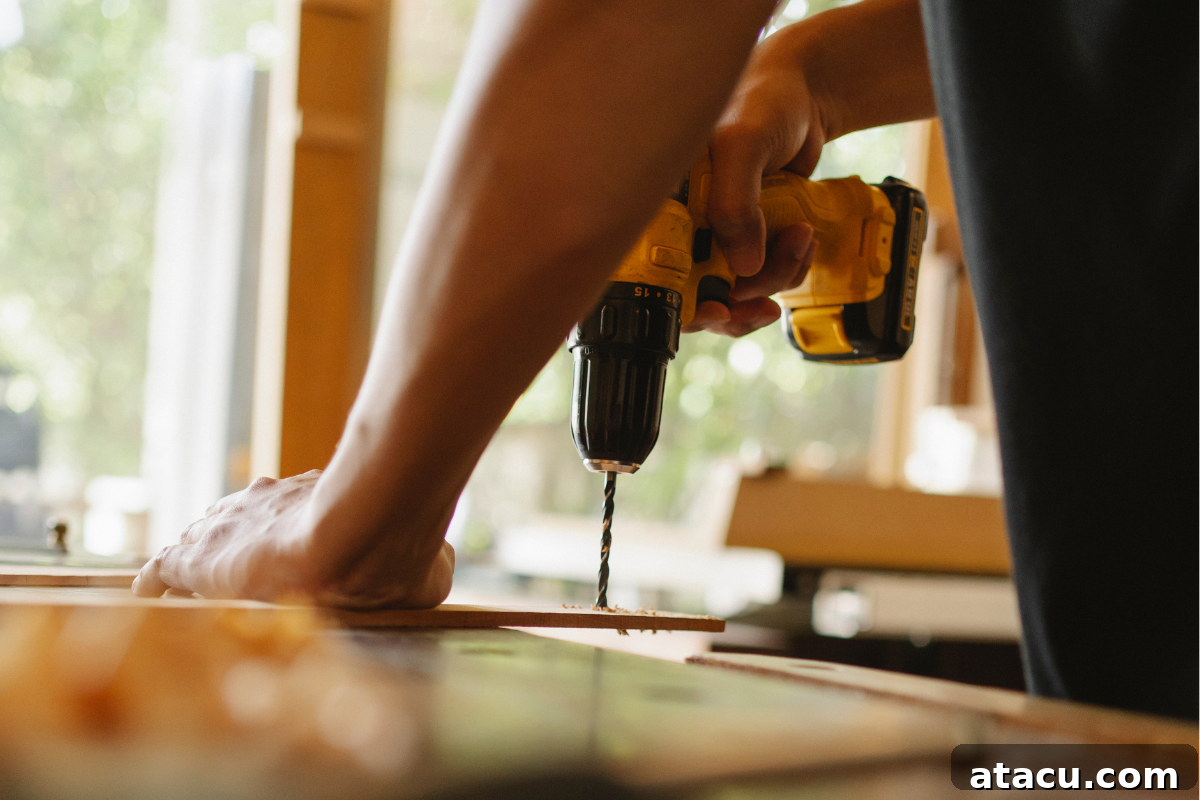
Transform Your Home: Creative Ways to Repurpose Renovation Waste into Stylish and Sustainable Accents
Renovating your home is an exciting journey, promising a fresh aesthetic and enhanced functionality. However, the aftermath often leaves behind a significant amount of discarded materials – from wooden planks and old doors to tile scraps and glass offcuts. While many see these as mere rubbish, with a dash of creativity and an eye for design, they can be transformed into stunning, functional, and deeply personal home accents. Repurposing renovation waste not only minimizes your environmental footprint by diverting materials from landfills but also offers a cost-effective way to infuse your space with unique character that store-bought items simply can’t match.
This comprehensive guide explores innovative and chic ways to breathe new life into your construction remnants, helping you maintain a clutter-free, stylish, and eco-conscious home. Beyond the aesthetics, we’ll also delve into crucial considerations for safety and practicality, ensuring you know when to repurpose with confidence and when to responsibly let go.
Top 5 Chic Ways to Repurpose Your Renovation Waste
1. Elegant Floating Shelves from Wooden Offcuts
Leftover wooden planks, beams, or even sturdy pieces of plywood from framing or cabinetry can find a magnificent second life as elegant floating shelves. These versatile additions introduce a rustic charm to contemporary spaces or complement existing traditional décor, providing practical storage and display solutions. The beauty lies in their simplicity and the warmth natural wood brings to any room.
How to Transform: Begin by carefully selecting pieces that are structurally sound and free from significant damage. Cut them to your desired length and width. Sand all edges and surfaces thoroughly to achieve a smooth finish, removing any splinters or rough patches. For added durability and to enhance the wood’s natural grain, apply a clear varnish, wood stain, or even a fresh coat of paint to match your interior palette. Installation typically involves hidden brackets, giving the illusion that the shelves are floating directly from the wall. They are perfect for showcasing curated décor pieces, displaying a collection of beloved books, holding potted plants, or even serving as minimalist bedside tables.
Design Potential: Consider arranging multiple shelves in an asymmetrical pattern for a modern touch, or stack them uniformly for a more classic look. Different wood types, from reclaimed barn wood to sleek MDF, offer varied textures and aesthetic appeals.
When to Let Go: While wood is highly versatile, not all offcuts are suitable for repurposing. If the wood pieces are excessively damaged by rot, severe splintering, or insect infestation, they may compromise the structural integrity of your finished product or pose health risks. In such cases, it’s safer to consider hiring a responsible rubbish removal company that prioritizes eco-friendly disposal and recycling to maintain a safe and clean space.
2. Statement Headboards from Old Doors
An old door, often discarded during a renovation, holds incredible potential to become a truly unique and conversation-starting headboard. Vintage doors, with their intricate paneling, detailed carvings, or weathered textures, can add significant character and a bespoke design element to your bedroom that instantly elevates the room’s aesthetic.
How to Transform: The first step is to clean the door thoroughly, removing any loose paint, dirt, or hardware. Depending on your desired style, you have numerous finishing options. For a modern touch, paint the door in bold, contrasting colours, or choose a hue that complements your bedroom’s existing scheme. If you prefer a rustic or shabby-chic vibe, preserve its weathered finish, perhaps with a clear sealant to protect it, or lightly distress a fresh coat of paint. You could also upholster the panels with fabric for a softer look or even attach decorative mouldings. Ensure the door is securely mounted to the wall or a bed frame to prevent any accidents. This DIY approach not only saves money on an expensive new headboard but also offers a truly one-of-a-kind piece that reflects your personal style.
Design Potential: Consider using bi-fold doors for wider beds, or even a pair of narrow doors side-by-side. Add hooks for decorative items or small shelves for books. The possibilities are vast.
When to Let Go: Safety and health are paramount. If an old door is significantly affected by mold, mildew, or pests (like termites or woodworm), repurposing it indoors could compromise indoor air quality or lead to further infestation. In these scenarios, proper and safe disposal is the best course of action to protect your home environment and your family’s health.
3. Stunning Mosaic Creations with Tile Scraps
Don’t let those leftover tile scraps from your bathroom or kitchen renovation go to waste! These small pieces of ceramic, porcelain, glass, or natural stone are perfect for crafting stunning, vibrant mosaics that infuse your space with a personal and artistic touch. Mosaics are a fantastic way to utilize odd-shaped or broken pieces, turning imperfections into unique design elements.
How to Transform: Gather your tile scraps and decide on your project. Popular choices include creating captivating mosaic tabletops for indoor or outdoor use, enhancing kitchen backsplashes with custom designs, crafting charming garden stepping stones, or even decorating picture frames, planters, and wall art. You’ll need tile nippers to shape larger pieces, strong adhesive, and grout to fill the spaces between the tiles. Mixing various colours, shapes, and textures allows you to create intricate and unique designs. Experiment with patterns – geometric, abstract, or even representational scenes – to bring your vision to life. This creative outlet transforms what would be discarded into enduring works of art.
Design Potential: Consider a single color palette for a cohesive look, or embrace a riot of colors for a playful feel. Mosaics can also be created on mesh backing for easier application to larger surfaces.
When to Let Go: While mosaics are beautiful, handling sharp objects requires caution. If the tile scraps are too small to handle safely, too sharp, or extensively chipped in a way that makes them hazardous even after nipping, safely disposing of them is the better option. Preventing potential injuries, especially from glass or ceramic shards, should always be the priority.
4. Rustic Garden Pathways from Leftover Bricks
Excess bricks from a new patio, an extension, or any construction project are ideal candidates for enhancing your outdoor spaces. Repurposing them as garden pathways, edging for flower beds, or even as elements in raised garden beds can add a timeless, rustic elegance to your landscape design. Their natural, earthy tones blend beautifully with the greenery, creating a harmonious and inviting outdoor environment.
How to Transform: Before laying, ensure the bricks are clean and relatively intact. Plan your pathway or edging design – popular patterns include herringbone, basketweave, or a simple running bond. Prepare the area by clearing debris, leveling the ground, and adding a layer of sand for drainage and stability. Lay the bricks firmly, tapping them into place with a rubber mallet, and then fill the gaps with sand or polymeric sand to lock them in. This not only adds aesthetic appeal but also provides functional advantages by defining spaces and reducing soil erosion. Beyond pathways, consider using bricks to build small, decorative retaining walls, borders around trees, or even a compact fire pit for cozy evenings.
Design Potential: Mix and match brick colors for an aged, natural look. Incorporate different sizes or shapes if available to create visual interest. Consider curved pathways for a softer landscape design.
When to Let Go: If you find yourself with an overwhelming amount of bricks that you cannot reasonably repurpose, or if a significant portion of them are severely damaged, crumbling, or contaminated, exploring responsible disposal or recycling options is crucial. Many municipal recycling centers accept clean, broken concrete and brick, turning them into aggregates for new construction. Always prioritize environmental responsibility over simply tossing them in general waste.
5. Artistic Wall Decor from Glass Panels
Glass offcuts, whether from window replacements, shower enclosures, or tabletop remnants, can be transformed into strikingly modern and minimalist wall art. This approach adds a sleek, sophisticated element to your interiors while creatively reusing a material that often ends up in landfills. With careful handling, glass can become a stunning focal point.
How to Transform: The key to working with glass is safety. Always wear thick gloves and eye protection. Small, safely cut pieces can be etched with intricate designs using etching cream or a Dremel tool. You can also back them with vibrant fabrics, patterned papers, or metallic foils for a pop of color and texture. Alternatively, paint directly onto the reverse side of the glass for a unique glossy finish. Consider framing the glass pieces individually or arranging multiple panels in a mosaic-like pattern for a larger art installation. Layering different colored or textured glass pieces can also create a compelling three-dimensional effect. This method not only adds visual interest but also captures light beautifully, making your space feel brighter and more open.
Design Potential: Experiment with abstract geometric patterns or more organic, free-form shapes. Combine different finishes, such as frosted and clear glass, for contrast. Integrate LED backlighting for a truly contemporary look.
When to Let Go: Handling glass requires extreme caution. Cracked, chipped, or irregularly shaped glass panels can pose significant risks of cuts and injuries. In such cases, it is unequivocally best to dispose of them safely and responsibly. Do not attempt to repurpose glass that is not in a manageable, safe condition, and always ensure proper disposal methods are followed for broken glass to protect waste handlers.
Knowing When to Repurpose and When to Let Go
While the allure of repurposing renovation waste is strong, driven by sustainability, creativity, and cost savings, it’s essential to exercise good judgment. Not all materials are safe, practical, or even aesthetically pleasing to reuse. Prioritizing safety and practicality is crucial to prevent accidents, maintain structural integrity in your repurposed items, and ensure a healthy living environment.
Consider factors like the material’s condition (mold, rot, rust, sharp edges), the time and skill required for transformation, and whether the repurposed item will truly enhance your home or simply add to clutter. If a material poses a health hazard, lacks structural integrity, or requires specialized tools/skills beyond your capability, it’s often more prudent to opt for professional and safe disposal methods. Maintaining a clean and hazard-free home environment should always be your top priority.
The Broader Benefits of Repurposing Renovation Waste
Beyond the individual projects, embracing the philosophy of repurposing renovation waste yields a multitude of benefits:
- Environmental Impact: Significantly reduces the amount of waste sent to landfills, conserving natural resources and decreasing the carbon footprint associated with manufacturing new products.
- Economic Savings: Transforms discarded materials into valuable home items, saving you money on purchasing new decor or furniture.
- Unique Aesthetics: Creates truly one-of-a-kind pieces that reflect your personal style and tell a story, making your home feel more curated and less generic.
- Personal Satisfaction: The sense of accomplishment from creating something beautiful and functional from scratch is incredibly rewarding.
- Promotes Creativity: Challenges you to think outside the box and find innovative solutions for everyday problems.
Choosing the Right Rubbish Removal Company for Remaining Waste
Even with the most creative repurposing efforts, some renovation waste will inevitably need to be disposed of. When selecting a rubbish removal service, it’s vital to choose a company that prioritizes eco-friendly practices and responsible waste management. This step is just as important as your repurposing efforts in ensuring a sustainable outcome for your renovation project.
Key Considerations:
- Eco-Friendly Practices: Inquire about their recycling policies and how much of the collected waste they manage to divert from landfills. Look for companies with a strong commitment to sorting, recycling, and reusing materials whenever possible.
- Licensing and Insurance: Ensure they are fully licensed to handle construction and renovation waste in your area. This protects you from legal liabilities and guarantees they operate within environmental regulations.
- Transparency: A reputable company will be transparent about its disposal methods and provide documentation if requested.
- Reputation and Reviews: Check online reviews and testimonials to gauge their reliability, efficiency, and customer service.
- Cost-Effectiveness: While not the only factor, compare quotes from several companies to find a service that offers fair pricing for their environmentally responsible practices.
- Hazardous Waste Handling: Confirm if they are equipped and licensed to handle any potentially hazardous materials (e.g., old paint, asbestos-containing materials if applicable, though these often require specialized contractors) that might arise from your renovation.
Choosing a responsible company not only helps the environment but also saves you the hassle of navigating complex disposal regulations and ensures your waste is handled ethically from start to finish.
Final Thoughts: Embrace Creativity and Responsibility
Repurposing renovation waste is a truly rewarding endeavor that blends environmental consciousness with interior design prowess. It’s a fantastic way to add unique, personalized touches to your living space while significantly reducing your environmental impact and saving money. By balancing creativity with practicality and safety, you can maintain a beautifully styled home that tells a story of ingenuity and sustainability.
Whether you’re ready to roll up your sleeves and get creative with wooden offcuts and old doors, or you need to clear the clutter responsibly with the help of a reputable waste management service, the choice is yours. Every small effort contributes to a larger goal of a more sustainable future, starting right in your own beautifully transformed home.