
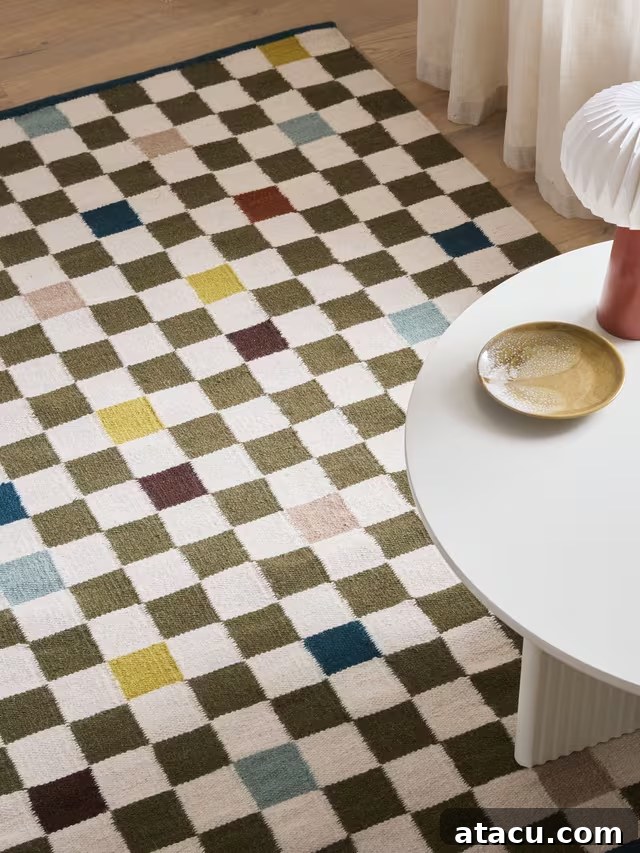
If you’ve been observing the evolving landscape of interior design, you’ve likely noticed a prominent resurgence: the captivating world of geometric shapes. Far from being a fleeting trend, geometry has solidified its position as a cornerstone of modern aesthetics, weaving its intricate patterns and clean lines into almost every facet of home décor. From the sharp precision of triangles and squares to the soft, endless flow of circles and ovals, these fundamental forms bring a unique blend of structure and dynamism to any space. This versatility ensures that geometric design offers something truly compelling for every taste, effortlessly infusing contemporary flair and a sophisticated edge into your living environment.
The profound allure of geometric design lies in its remarkable ability to achieve a perfect equilibrium between artistic creativity and underlying order. It presents homeowners with an exciting, stylish, and deeply personal avenue for self-expression, allowing them to craft spaces that are both visually stimulating and inherently harmonious. Join us as we delve into a comprehensive exploration of tips, tricks, and innovative ideas to help you transform your rooms into stunning geometric sanctuaries, reflecting a modern sensibility and an impeccable sense of style.
Transform Your Home with Geometric Design: A Comprehensive Guide to Modern Aesthetics
The Timeless Appeal of Geometric Shapes in Interior Design
It might surprise you to learn just how fundamental geometric shapes are to the underlying structure of countless design styles, both historical and contemporary. Their enduring power stems from a unique dual quality: they are inherently visually striking while simultaneously instilling a profound sense of order and balance. Each shape possesses its own distinct symbolism, psychological impact, and aesthetic appeal, contributing significantly to the overall mood and perception of a space. Consider the unwavering stability and symmetry of a square, the fluid grace and inclusivity of a circle, the dynamic energy and forward momentum of a triangle, or the intricate balance of a hexagon.
Understanding the Psychology of Shapes
Geometric forms fundamentally influence how we perceive, navigate, and feel within a given space. For instance, the gentle curves of circles and ovals naturally soften a room’s atmosphere, promoting a sense of flow, comfort, and openness. They invite relaxation and conversation, breaking the rigidity often associated with architectural lines. Conversely, the strong, defined edges of squares and rectangles introduce a sense of structure, organization, and stability. These shapes can ground a room, providing a feeling of security and intentional design. By strategically employing various geometric shapes, you gain a powerful tool to balance proportions, guide the eye, influence mood, and cultivate a deep sense of harmony throughout your home. Understanding these intrinsic properties allows you to manipulate space and emotion with remarkable precision.
The Versatility of Geometric Patterns
Beyond individual shapes, geometric patterns unlock an even broader spectrum of design possibilities. Repeating motifs like chevrons, stripes, herringbone, tessellations, and interlocking forms add layers of visual interest and complexity. A chevron pattern, for example, can create a sense of movement and direction, drawing the eye down a hallway or across a floor. Herringbone introduces a classic, sophisticated texture, while tessellated patterns can evoke a mosaic-like artistry, creating a continuous, captivating surface. The choice of pattern, along with its scale and color, dictates whether a space feels energetic and bold or subtly sophisticated and serene. This incredible versatility ensures that geometric design can be adapted to almost any personal style or desired aesthetic, from minimalist chic to maximalist exuberance.
Incorporating Geometry into Your Home: Actionable Tips
Now that we’ve explored the intrinsic power of geometric shapes, let’s dive into practical ways to weave them into your interior design, creating spaces that are both modern and deeply personal.
Statement Furniture: Bold Designs with Purpose
When the concept of geometry in design comes to mind, furniture is often the most immediate and impactful avenue. Tables, chairs, shelving units, ottomans, and even sofas can be reimagined with bold geometric elements, transforming them from mere functional items into commanding statement pieces. Imagine a coffee table featuring a striking hexagonal or octagonal top, its angular facets catching the light and becoming an instant focal point. Picture a dining chair with an innovative triangular backrest or a sofa adorned with clean, rectilinear lines and modular sections that create a sense of architectural interest. These pieces aren’t just furniture; they’re sculptural forms that anchor a room and define its character.
When selecting such pieces, the key lies in balance. While sharp angles and clean lines are characteristic of geometric design, you don’t want your space to feel overly rigid, cold, or uninviting. The antidote is to introduce softer, more organic elements and tactile textures. For instance, pair a visually strong, angular console table with plush velvet cushions on a nearby armchair, or soften a metal-framed geometric bookshelf with a warm, chunky knit throw draped over a cozy sofa. Incorporating round decorative objects, curved lamps, or even flowing drapery can beautifully juxtapose the geometric rigidity, creating a sophisticated and comfortable environment. Remember, the goal is a dynamic interplay, not an overwhelming uniformity of sharp edges.
Walls and Floors: The Canvas for Geometric Expression
Walls and floors offer expansive canvases where geometric design can truly shine, transforming the foundational elements of a room into works of art. This is one of the most impactful yet surprisingly simple ways to introduce geometric flair.
Start by experimenting with geometric patterns through wallpapers, wall decals, and captivating wall art. Think large, abstract geometric prints that command attention above a sofa or define a feature wall, instantly drawing the eye and making a powerful statement. These might include bold intersecting lines, overlapping shapes, or a dynamic tessellation. For those who prefer a more understated elegance, smaller, repeating geometric patterns can add subtle texture and sophisticated interest without overwhelming the space. Consider tone-on-tone patterns for a refined look or opt for a pop of color for added vibrancy.
To further enhance the geometric theme on your walls, consider combining patterned wallpaper or decals with carefully selected square photo frames. Arranging these frames in a grid, a staggered pattern, or even an abstract formation can reinforce the geometric language, creating a curated gallery wall that feels cohesive and intentional. Explore frames in various sizes and materials to add depth and visual interest.
On the flooring front, geometric tiles are an unparalleled way to infuse playfulness, sophistication, and undeniable character into your home. Patterns like chevron, herringbone, and hexagonal tiles are bold choices that are guaranteed to make a memorable impression from the moment someone steps into your home. These patterns provide immediate visual texture and can create the illusion of movement or expansion. Imagine a bathroom floor with graphic black and white hexagonal tiles, a kitchen backsplash with intricate Moroccan zellige patterns, or a entryway adorned with classic black and white checkerboard tiles. When opting for such impactful flooring, the general rule is to keep the rest of the decor relatively simple and neutral to avoid visual clutter, allowing the floor to truly be the star of the show.
A crucial design principle when working with geometric patterns on walls and floors is strategic placement. Choose one or two key areas to feature geometric patterns prominently – perhaps an accent wall in the living room, a patterned rug in the dining area, or a striking geometric tile design in the kitchen or bathroom. Overdoing it can lead to a chaotic and overwhelming aesthetic. The remaining decor in the room should complement these focal points, typically by maintaining a neutral palette and simpler forms, allowing the chosen geometric elements to truly pop.
Illuminating Spaces with Geometric Lighting Ideas
For those who favor a more artistic or sculptural approach to incorporating geometry, look no further than your lighting fixtures. Pendant lights, chandeliers, wall sconces, and even floor lamps offer a phenomenal opportunity to introduce striking geometric shapes into your interior, instantly imbuing a room with a modern, design-forward vibe. In this context, lighting transcends mere functionality; it becomes a powerful statement piece, a work of art that sculpts light and shadow.
Imagine a cluster of spherical pendant lights hanging at varying heights above a dining table, creating an airy, celestial arrangement. Or consider a chandelier constructed from an intricate tessellation of metal frames, casting fascinating shadows across the ceiling. A minimalist floor lamp with a cubic or pyramidal base can add an architectural touch to a reading nook. The beauty of geometric lighting lies in its ability to be both visually compelling when off and dramatically transformative when illuminated.
Furthermore, geometric lighting can serve as an exceptional focal point, strategically drawing attention to key areas of a room. A bold, angular light fixture suspended above a kitchen island can become the heart of the space, guiding the eye and highlighting the surrounding cabinetry and countertop materials. Similarly, a series of geometric wall sconces flanking a piece of art or lining a hallway can not only provide ambient light but also act as directional accents, enhancing the perception of depth and guiding movement through the space. This interplay of light and form creates an atmosphere that is both functional and aesthetically rich.
Subtle Touches: Geometric Accessories and Textiles
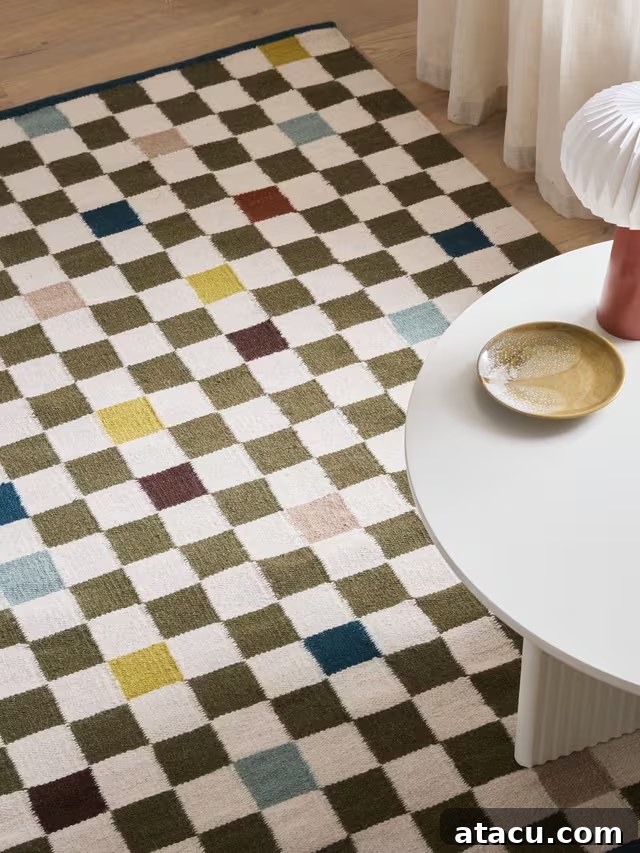
If the idea of bold geometric furniture or patterned walls feels too overwhelming, geometric shapes can be introduced with finesse through smaller, more accessible accessories and textiles. These elements provide a fantastic, subtle way to modernize your home and infuse it with just the right amount of geometric charm without committing to larger structural changes. Shapes exist naturally and abundantly in items such as rugs, cushions, throws, lamps, vases, sculptures, and mirrors.
A well-chosen rug with a geometric pattern – perhaps a chevron, a diamond motif, or an abstract linear design – can effectively anchor a room, defining zones and adding warmth underfoot. Cushions and throws featuring angular designs, tessellated patterns, or simple stripes can add depth, texture, and a touch of modern sophistication to sofas and armchairs. Look for lamps with bases or shades that feature clean lines or faceted surfaces. Mirrors with unique geometric frames, such as hexagonal, octagonal, or sunburst designs, can become striking wall features that also reflect light and expand the sense of space.
Pro Tip: To create a truly balanced and inviting interior, mix these structured geometric accessories with organic shapes and natural materials. Pair an angular vase with soft, flowing botanicals. Place a geometric patterned cushion on a linen sofa. Combine a metal geometric sculpture with wooden elements or woven baskets. This interplay of structure and order with softness and warmth creates a dynamic contrast that feels both sophisticated and inherently comfortable, preventing the space from feeling too stark or rigid.
The Power of Color in Geometric Schemes
Color is an incredibly potent tool that can dramatically enhance or soften the impact of geometric shapes and patterns. The careful selection of a color palette allows you to manipulate the energy and mood evoked by your geometric design choices.
For instance, pairing striking, high-contrast colors like vibrant yellows, fiery reds, or deep oranges with sharp triangular or linear designs creates an undeniably dynamic and energizing effect in a space. This approach can inject a sense of excitement and contemporary flair, perfect for areas where you want to stimulate activity or conversation. Think of a bold accent wall with intersecting lines in complementary bright hues, or a rug featuring a stark geometric pattern in two contrasting colors.
In contrast, embracing a palette of naturals, muted tones, and pastels will soften and refine the geometric patterns you’ve chosen while still allowing them to be highlighted. Soft greys, serene blues, gentle beiges, sage greens, and blush pinks can transform a potentially bold geometric pattern into one that exudes understated elegance and tranquility. This approach is ideal for creating spaces that feel sophisticated, calming, and effortlessly chic, such as bedrooms or serene living areas. A repeating hexagonal pattern in soft grey and white, for example, offers subtle visual interest without overwhelming the senses.
Don’t be afraid to experiment with different color combinations and intensities. The most successful designs often come from exploring what truly resonates with you. As you consider various color schemes, ask yourself: How does this combination make me feel? Does it energize and uplift me, or does it soothe and calm my mind? What specific atmosphere do I want to evoke in the chosen room? These introspective questions will serve as invaluable guides, leading you to the perfect color choices that enhance your geometric design and reflect your personal style.
Harmonizing Geometry with Other Design Elements
The true mastery of geometric design lies not in its isolation, but in its ability to harmoniously integrate with other design elements and styles. Creating a cohesive and inviting space means understanding how to balance these varied components.
Balancing Act: Mixing Geometric with Organic Forms
Leading designers consistently advocate for the thoughtful integration of geometric shapes with organic forms and natural textures. This contrast is fundamental to creating a balanced room that feels both structured and welcoming. The sharp, defined lines of geometric pieces naturally contrast with the soft, irregular, and flowing forms found in nature. Pair an angular, modernist piece of furniture with soft, curved sculptural elements, or juxtapose sleek geometric patterns with the irregular grains of natural wood or the tactile roughness of stone. For example, a crisp, rectilinear sofa can be softened by an arrangement of houseplants with flowing foliage, a round coffee table, or cushions made from textured linen or wool. This interplay prevents the space from feeling too stark or rigid, adding warmth, depth, and a sense of dynamic visual interest. Materials like unfinished wood, natural stone, woven rattan, soft wool, and delicate linen provide the perfect counterpoint to the precision of geometric designs, grounding the space and adding an inviting tactile dimension.
Seamless Integration: Geometry Across Design Styles
One of the most appealing aspects of geometric design is its incredible adaptability across a wide spectrum of interior styles. Whether your preference leans towards the minimalist, boho-chic, vintage, industrial, or even classical aesthetic, geometric elements can be introduced to elevate and modernize the space, adding an eclectic yet relaxed vibe without clashing. In a minimalist setting, subtle geometric patterns or clean-lined furniture reinforce the uncluttered aesthetic. For a bohemian space, geometric patterns can be introduced through Moroccan-inspired rugs, tapestries, or throws, adding a global, textural layer. In a vintage-inspired room, mid-century modern geometric prints or furniture can provide a nostalgic yet fresh update. Even in more traditional settings, a geometric patterned rug or a statement light fixture can provide a contemporary twist, preventing the decor from feeling dated. Geometry acts as a bridge, allowing different styles to converse and coexist beautifully, ultimately enriching the overall design narrative of your home.
Practical Tips for Implementing Geometric Design
Embracing geometric design can be an exciting journey. Here are some practical tips to ensure your transformation is successful and enjoyable:
Start Small and Experiment
If you’re new to geometric design, there’s no need to overhaul your entire home at once. Begin by incorporating a few smaller, impactful pieces. A geometric patterned throw pillow, a unique hexagonal vase, or a small piece of abstract geometric art can introduce the aesthetic without a major commitment. Observe how these elements interact with your existing decor and how they make you feel. This allows you to build confidence and refine your personal geometric style before investing in larger items.
Consider Scale and Proportion
The size of your geometric patterns and shapes is crucial. In a smaller room, large, bold patterns can be overwhelming, while too many small, intricate patterns might appear busy. Conversely, a large, expansive room can handle more dramatic geometric statements. Always consider the overall scale of the room and the proportion of the geometric elements relative to other furnishings. A good rule of thumb is to vary the scale of patterns – perhaps a large geometric rug paired with a few smaller, finely patterned cushions.
Create Focal Points
Geometric elements are excellent for creating compelling focal points within a room. Whether it’s a dramatic geometric chandelier, a striking feature wall with a bold pattern, or a unique piece of angular furniture, use these elements to draw the eye and establish a clear point of interest. A well-placed geometric focal point can unify a room and provide a powerful visual anchor, giving the space definition and purpose.
Don’t Overdo It: The Power of Restraint
While the allure of geometric patterns is strong, restraint is key to achieving a sophisticated look. Too many competing geometric patterns or an abundance of sharp lines can make a space feel chaotic, cold, or visually exhausting. As mentioned, choose one or two primary areas or elements to highlight with geometry, then balance these with simpler forms, solid colors, and natural textures elsewhere in the room. The most successful geometric designs often rely on strategic placement and a thoughtful interplay with negative space.
The Modern Power of Structure in Design
If you’re looking for an exciting new direction to inject fresh energy into your interior design, geometric aesthetics offer a compelling and highly versatile solution. It’s a powerful way to enhance what you already have, imbuing your spaces with renewed structure, dynamic energy, and undeniable visual appeal. Far from being a fleeting trend, the integration of geometric forms is a timeless approach that promises to bring a distinctly modern and dynamic edge to your home, reflecting a forward-thinking and sophisticated sensibility.
As with all aspects of design, your unique personal style should ultimately guide your choices. Embrace the journey of discovery, experiment with different shapes, patterns, colors, and textures, and observe how they interact within your environment. Geometric design offers a vast playground for creativity, ensuring that you can craft the contemporary look and feel you desire for your home. Explore its endless possibilities, have fun with the process, and witness firsthand how the strategic application of shapes can beautifully transform your space, making it more engaging, balanced, and stylish than ever before.