
Feeling overwhelmed, anxious, or perpetually frazzled by the demands of modern life?
You are certainly not alone. In our relentlessly fast-paced, digitally saturated world, the imperative to cultivate health and profound well-being through intentional design has never been more critical. The encouraging news? A transformative new era of feel-good interiors, meticulously crafted to foster tranquility, deep relaxation, and holistic wellness, is rapidly gaining momentum and becoming the new standard for spaces we inhabit.
As global awareness shifts towards prioritizing self-care, embracing mindfulness, and investing in preventative health measures, the realm of design is naturally evolving to align with these vital values. We are witnessing a clear departure from the often cold, stark minimalism that defined past decades. In its place, we embrace environments that are inherently cozy, deeply nourishing, and specifically designed to replenish us — mind, body, and soul. Looking ahead to 2025 and far beyond, our most intimate spaces—our homes, our bustling offices, and even our public communal areas—are poised to undergo a profound transformation, harnessing the innate healing powers of thoughtful, wellness-centric design.
Prepare to experience an abundance of natural light, strategically integrated greenery, soothing and harmonious color palettes, and intuitive layouts meticulously planned to calm the senses and restore internal balance. As our collective culture continues to elevate mental health to a position of paramount importance, visionary designers are stepping forward, leading the charge in crafting uplifting sanctuaries in every place we live, work, and seek solace. These spaces are not just visually appealing; they are functional ecosystems designed to support our inherent need for peace and vitality.
Simply envisioning such environments begins to instill a sense of calm and ease, doesn’t it?
What is Wellness Design?
At its core, wellness design is an empathetic and scientific approach that profoundly acknowledges the immense impact our physical surroundings exert on our emotional state, stress levels, the quality of our sleep, and even our long-term physical health. Moving far beyond mere superficial aesthetics, this philosophy elevates our health, deep relaxation, and comprehensive well-being to a non-negotiable priority. It embodies a truly holistic perspective, meticulously integrating thoughtful elements such as pristine indoor air quality, ergonomic considerations for comfort and posture, psychologically calming colors, authentic natural materials, and harmonious layouts that intrinsically connect us to the restorative power of the natural world. It’s about creating environments that don’t just look good, but actively do good for those who occupy them.
Why Is Wellness-Focused Design So Important?
The various components of our environment—from the interplay of lighting and the flow of a layout to the chosen colors, textures of materials, and the overall organization of a space—possess a remarkable capacity to significantly influence how we perceive, feel, and ultimately function. For example, harsh artificial lighting can contribute to eye strain and headaches, while a cluttered room can elevate feelings of anxiety and reduce focus. By intentionally designing for wellness, we transcend passive decoration and actively construct soothing, profoundly uplifting, and truly restorative spaces. These environments are engineered to dramatically reduce stress, ignite intrinsic productivity and creativity, and foster a pervasive sense of general health, happiness, and contentment. In a world constantly vying for our attention, these spaces become our personal havens for rejuvenation.
9 Key Elements of Wellness-Inspired Design
Wellness design strategically utilizes several cornerstone elements to meticulously craft uplifting, restorative, and highly supportive spaces that resonate deeply with our human need for peace and vitality. Incorporating these principles can transform any environment into a haven of well-being.
Natural Materials
The rich textures, organic colors, and inherent authentic qualities of natural materials, such as ethically sourced wood, robust stone, versatile bamboo, and soft wool, serve to effortlessly invite the calming, grounding aspects of the outdoors into our indoor environments. Beyond their aesthetic appeal, these materials impart a profound sense of warmth and natural coziness to rooms, creating a more inviting and tactile experience. Furthermore, their selection often promotes crucial sustainability, connecting us not just to nature’s beauty but also to responsible ecological practices. They offer durability and often improve indoor air quality by being free from harmful chemicals.
Calm, Neutral Colour Palettes
The judicious selection of cool tones, such as serene blues, tranquil greens, and sophisticated greys, subconsciously reminds us of vast open skies, lush forests, and calm waters, thereby soothing the mind and inducing a state of deep relaxation. Similarly, warmer neutrals like earthy tans, gentle light browns, and soft, creamy whites envelop rooms in an immediate sense of tranquility and comfort. These carefully chosen colors do more than just decorate; they provide a peaceful, welcoming, and unobtrusive backdrop that allows the inhabitants to feel at ease, promoting mental clarity and reducing visual overstimulation.
Adaptive Lighting
Sophisticated adaptive lighting systems are designed to intelligently modify the color temperature and brightness of indoor lights throughout the entire day, precisely mimicking the dynamic patterns of natural daylight. This crucial synchronization helps to support and regulate our natural circadian rhythms, which are vital for healthy sleep-wake cycles. For instance, in the early morning, these systems might emit a cooler, more invigorating light to gently aid in waking and boosting alertness. As the day progresses towards evening, the lighting seamlessly transitions to a warmer, softer, and more relaxing tone, effectively signaling to the body that it’s time to wind down and prepare for restorative sleep. This thoughtful control over artificial light significantly reduces eye strain and can improve overall mood and energy levels.
Curved Shapes and Forms
The prevalence of straight lines and sharp, unyielding edges often found in many contemporary spaces can inadvertently evoke feelings of coldness, rigidity, or even starkness. In stark contrast, wellness design purposefully integrates more organic and fluid elements: think gracefully curved furniture, inviting oval rugs, subtly rounded wall edges, and seating arrangements designed in gentle circular or semi-circular forms. This approach fosters a sense of natural “flow” within spaces, creating an environment that feels inherently harmonious and puts inhabitants at ease, promoting a feeling of safety, comfort, and connection rather than harshness or separation.
Connection with Nature (Biophilic Design)
A fundamental pillar of wellness design, known as Biophilic Design, emphasizes forging strong, inherent connections between humans and the natural world within our built environments. This is achieved through expansive windows offering unobstructed views of green landscapes, strategically placed indoor plants that purify air and add vibrancy, and inviting outdoor seating areas that seamlessly extend living spaces into nature. Exposure to fresh air, abundant natural sunlight, and inspiring views of the natural world are scientifically proven to significantly reduce stress, enhance mood, improve cognitive function, and even accelerate healing, reminding us of our intrinsic bond with the environment.
Layouts Promoting Relaxation and Social Connection
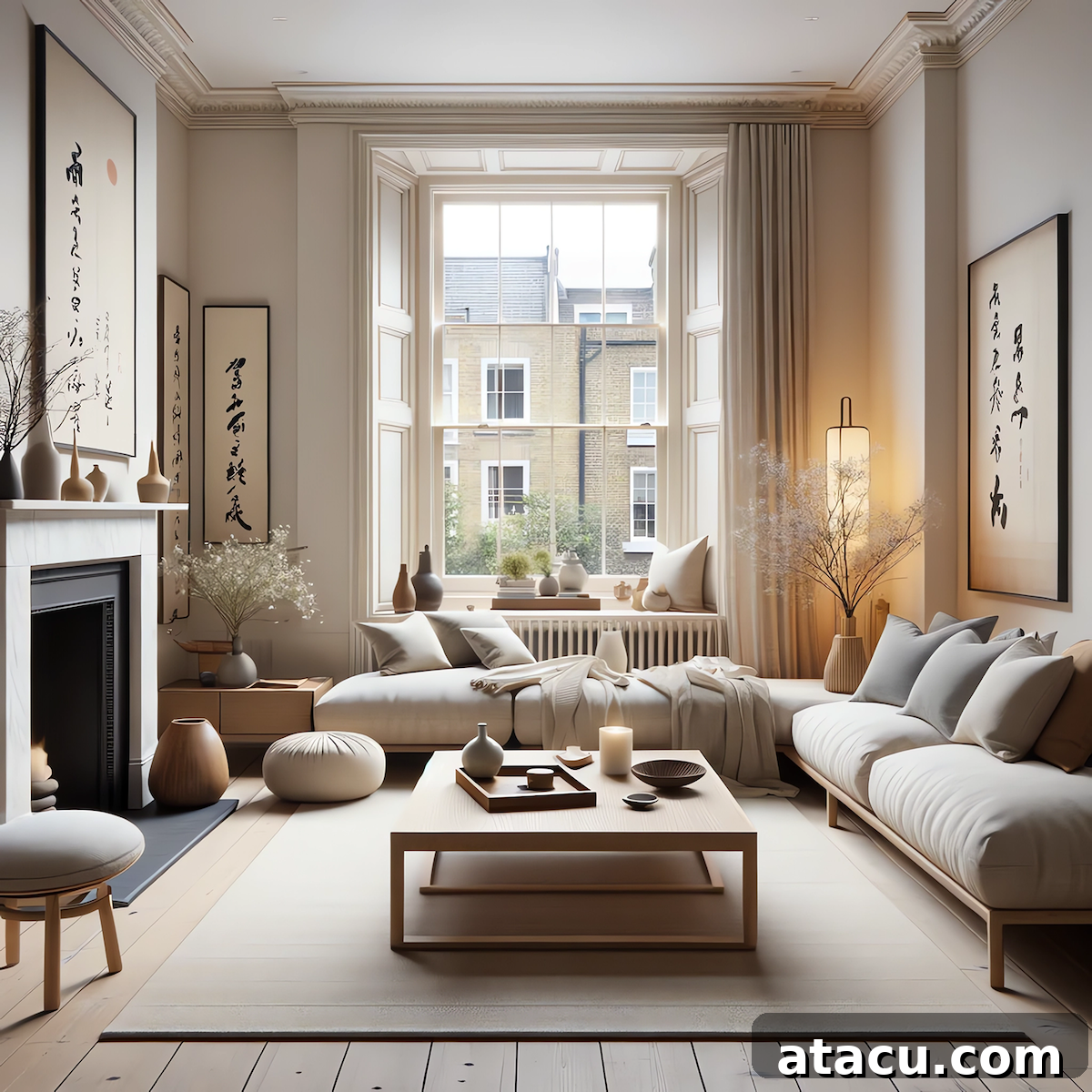
Wellness-centric layouts are expertly crafted to meticulously minimize visual and physical clutter, simultaneously maximizing a sense of openness and smooth, unimpeded flow between distinct rooms and functional zones. This design philosophy strategically places inviting window seats perfect for quiet contemplation, cozy reading nooks that offer refuge, and thoughtful indoor-outdoor connections that actively encourage both deep relaxation and meaningful social bonds. The overarching objective is to create frictionless spaces that inherently reduce stress, foster a sense of ease, and naturally bring inhabitants together, encouraging interaction and shared experiences without feeling confined or overwhelmed.
Air-Purifying Materials & Healthy Indoor Air Quality
A paramount concern in wellness design is the prioritization of superior indoor air quality, recognizing its direct impact on respiratory health, cognitive function, and overall vitality. This critical aspect is achieved through meticulous material selection: specifying non-toxic, low-VOC (Volatile Organic Compound) paints and finishes, opting for sustainable and natural building materials, and integrating antimicrobial surfaces like copper in high-touch areas. Furthermore, the strategic placement of air-purifying plants, known for their ability to naturally filter toxins from the air, serves as an additional biological purifier, contributing to a healthier and more invigorating indoor atmosphere.
Touchless/Voice-Activated Technology
Beyond the undeniable convenience they offer, integrated touchless and hands-free technologies play a significant role in enhancing cleanliness and hygiene within a wellness-focused environment. Motion-activated entryways, sensor-enabled taps and dispensers, and intuitive voice assistants like Amazon Alexa or Google Assistant are not merely modern amenities; they actively contribute to safeguarding well-being by substantially reducing direct surface contact and minimizing the transmission of germs. This seamless integration of smart home technology streamlines daily routines and contributes to a healthier, more effortless living experience, freeing up mental space.
Multifunctional Spaces
Modern living often demands adaptability, and wellness design responds with flexible spaces featuring movable furniture, intelligent partitions, or convertible elements that empower homes to seamlessly adapt to the ever-changing needs and evolving lifestyles of their occupants. Open-plan areas, for example, can effortlessly morph from a productive work-from-home office during the day to a serene yoga studio or an inspiring art corner in the evening. By intentionally designing multifunctionality into your home, you create dynamic environments that actively support the diverse and evolving lifestyle requirements of every member of your family, maximizing efficiency and utility without compromising style or comfort.
How Can I Decorate My Home for Enhanced Mental Health?
If you’re seeking a meaningful boost for your mental well-being, incorporating thoughtful, wellness-focused home decor can provide a powerful path to deep relaxation, refreshing rejuvenation, and renewed mental focus. These simple, intentional changes can profoundly transform your everyday experience within your personal sanctuary.
Embrace the power of natural light and lush plants, as they are instantaneous mood lifters. Maximize the influx of invigorating sunshine by fully opening blinds and curtains, allowing it to flood your rooms. Introduce a variety of vibrant, low-maintenance indoor plants, which not only purify the air but also connect you to nature. Complement these elements by integrating natural materials like warm wood and earthy stone into your decor, grounding the space.
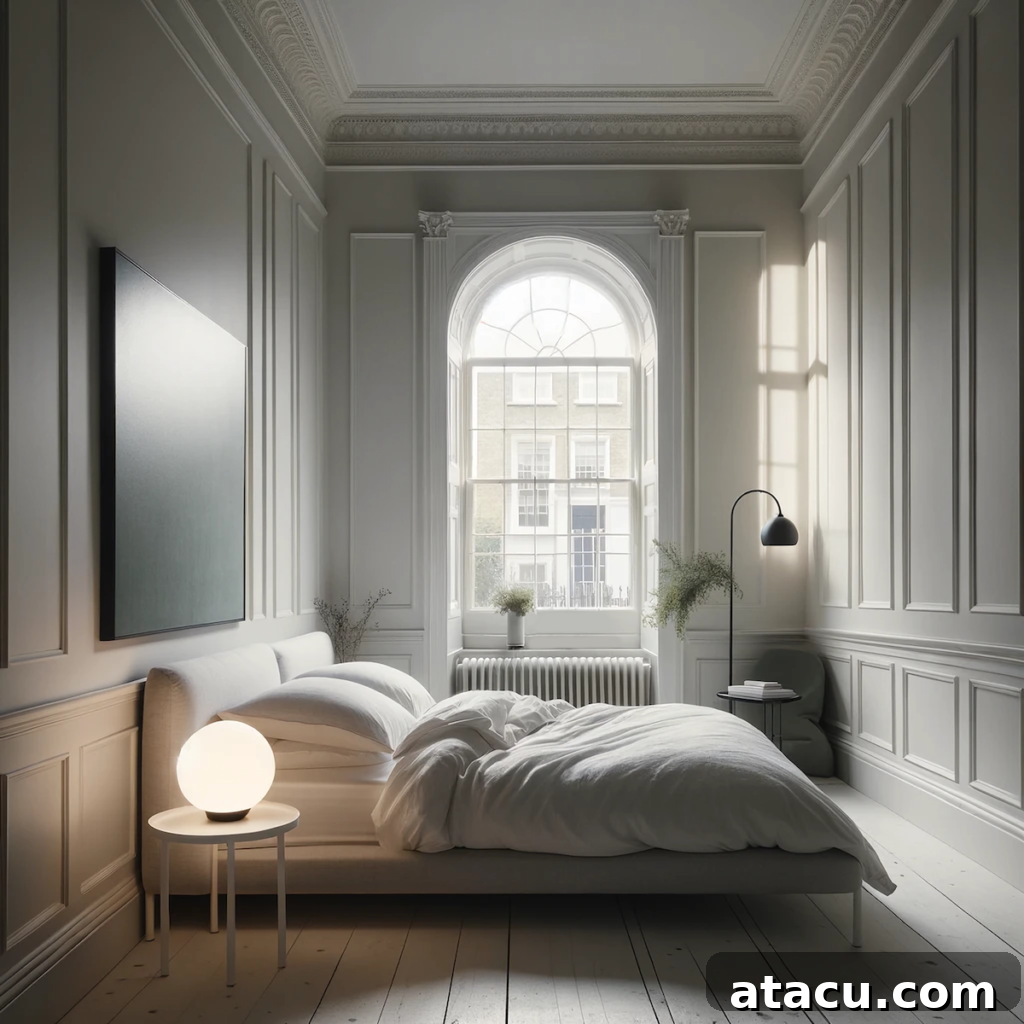
Curate your aesthetic with calming, neutral color palettes such as soft grays, muted greens, and warm creams. Enhance the sense of comfort and invitation by layering plush soft furnishings like throws and cushions, and incorporating different textures to create a truly cozy and tactile environment that promotes a sense of security and ease.
Personalize your space with cherished items that hold deep personal meaning, sparking joyful memories and a sense of nostalgia. Thoughtfully display artwork, treasured photographs, and special keepsakes that serve as gentle reminders of happy times and loving connections, adding an authentic layer of warmth and character to your home.
Proactively organize collections and diligently clear away clutter. A disorganized environment can contribute to mental chaos and stress. Minimizing visual noise through strategic decluttering creates a more serene and harmonious atmosphere, allowing your mind to feel clearer and more at peace.
Create dedicated havens of comfort by adding inviting, comfy seats and quiet, secluded nooks. These designated spots encourage moments of solitude, reflection, and deep relaxation, providing a valuable escape from daily demands and fostering a sense of personal refuge within your home.
Ultimately, tailoring your design choices to address specific mental health needs—whether your goal is to enhance focus for work, boost energy levels, or cultivate profound tranquility—will expertly optimize your home environment for peak well-being. This personalized approach ensures your space actively supports your unique emotional and cognitive requirements.
Benefits of Wellness-Inspired Design
Living and working in environments meticulously designed with wellness at their core yields a multitude of holistic benefits that profoundly impact every aspect of our lives, transforming ordinary spaces into engines of well-being:
- Reduced Stress and Anxiety: From the tactile selection of natural materials and the psychological impact of soothing colors to the thoughtful flow of a well-organized layout, adopting a wellness-focused approach to interior design actively encourages the creation of spaces that are inherently designed to lower stress hormones, calm the nervous system, and profoundly promote relaxation.
- Improved Mood and Outlook: A synergistic combination of abundant natural light, invigorating greenery, subtly diffused soothing scents (like essential oils), and the psychological relief of reduced visual clutter collectively works to significantly lift your mood, enhance emotional resilience, and cultivate a more optimistic and positive outlook on life, fostering joy within your daily environment.
- Better Sleep Quality and Duration: The intentional use of durable, non-toxic materials, the strategic reduction of sleep-disrupting electronics in bedrooms, and the overall creation of calm, serene sleeping environments are all meticulously designed to optimize both the quality and duration of your sleep, leading to deeper rest and improved cognitive function upon waking.
- Increased Focus and Productivity: Wellness design actively supports cognitive function by incorporating designated focus areas that minimize distractions, implementing thoughtful and adaptive lighting systems that reduce eye strain, and ensuring good acoustics that absorb unwanted noise. These elements work in concert to significantly boost mental clarity, enhance concentration, and improve overall productivity.
- Enhanced Physical Health: By integrating elements such as ergonomic furniture, improving indoor air quality, and promoting natural movement through thoughtful layouts, wellness design contributes directly to better physical health, reducing sedentary behavior, supporting respiratory health, and minimizing strain on the body.
10 Ways to Incorporate Wellness-Focused Interior Design into Your Home
Transforming your living space into a sanctuary of well-being doesn’t require a complete overhaul. Here are ten practical and impactful ways to infuse wellness-focused interior design into your home, one mindful step at a time:
- Maximize Natural Light: Actively flood your home with mood-boosting sunshine. Install strategically placed skylights, if possible, and opt for large, unobstructed windows to allow copious amounts of natural light to stream in. Keep window treatments minimal or easily retractable to harness this vital energy, which helps regulate circadian rhythms and enhances mood.
- Embrace Biophilia with Indoor Greenery: Bring the restorative power of the outdoors inside by cultivating an indoor garden, even if it consists of just a few low-maintenance plants. Caring for plants is a scientifically proven stress-reducer, and they naturally help improve indoor air quality by filtering toxins, contributing to a fresher and more vibrant atmosphere.
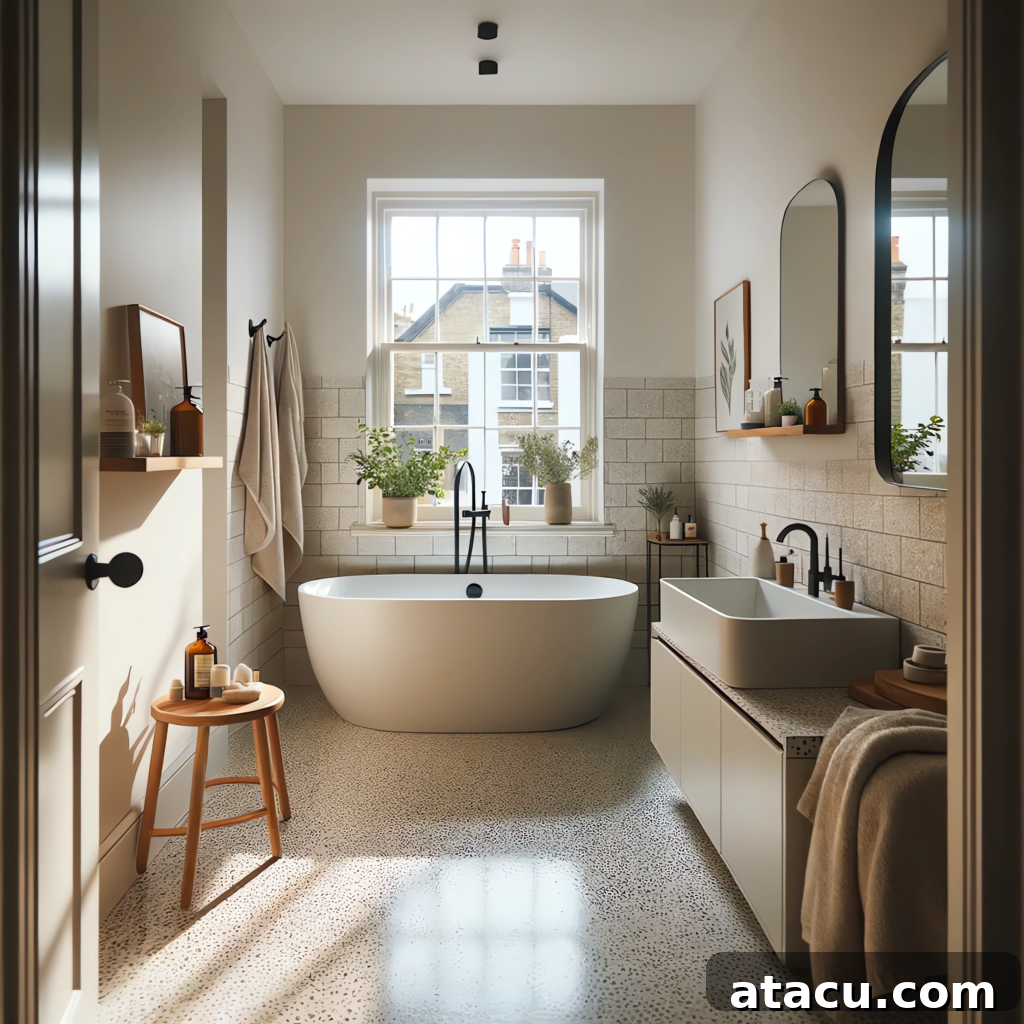
- Create a Home Spa Retreat: Transform your bathroom from a purely functional space into a truly relaxing home spa. Incorporate natural stone tiles for an earthy feel, add a roomy, luxurious freestanding bath for indulgent soaks, and install dimmable lighting to create a soothing ambiance. Consider adding a rain showerhead and aromatherapy diffusers for an elevated sensory escape.
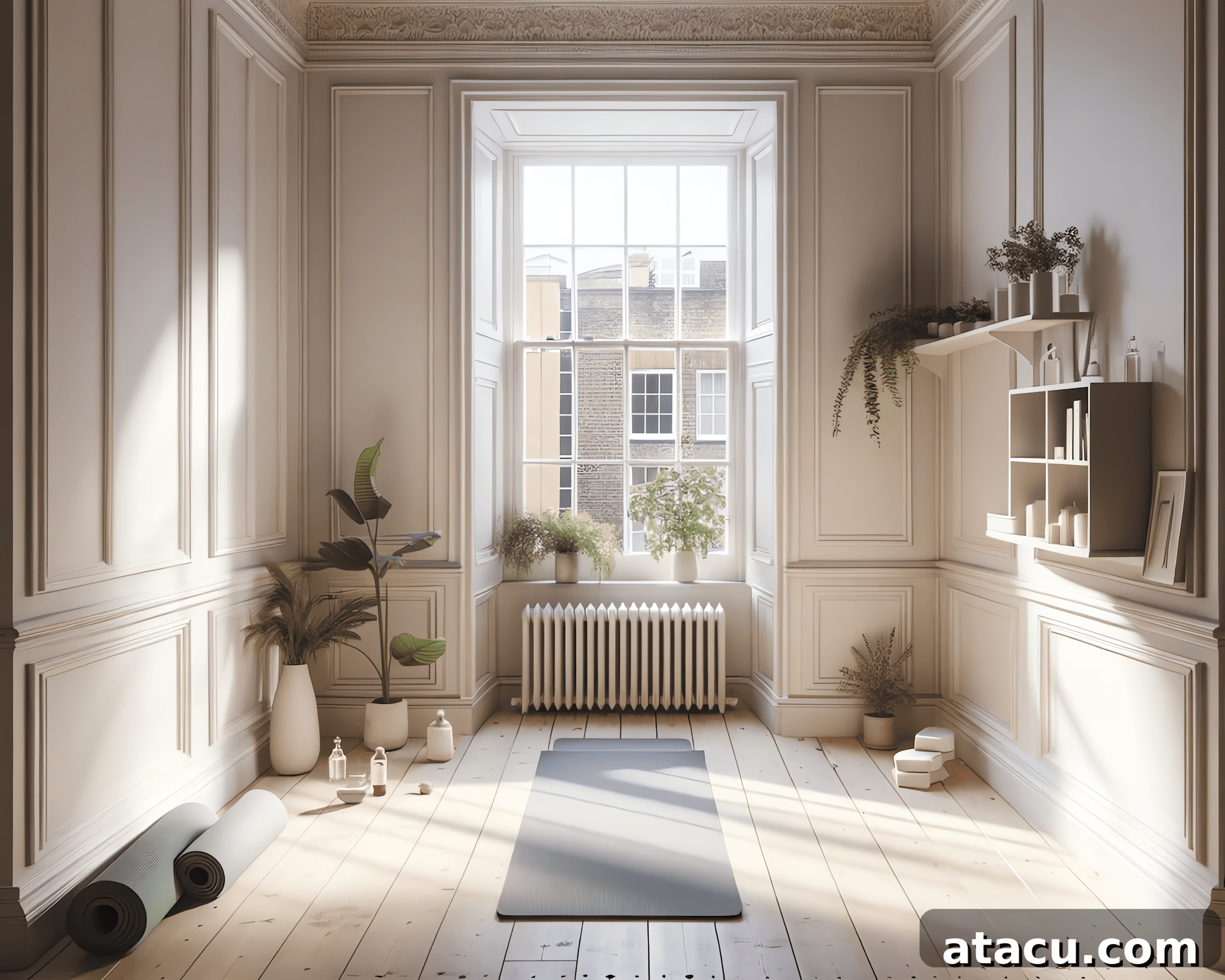
- Design a Dedicated Quiet Zone: Carve out a special, quiet spot specifically for meditating, practicing yoga, or simply engaging in mindful reflection. Keep this area intentionally minimalist, adorned with calm, neutral colors and only essential furniture to foster profound zen vibes and allow for uninterrupted focus and inner peace.
- Choose Renewable and Sustainable Materials: Opt for flooring and furnishings made from renewable and eco-friendly materials like resilient bamboo flooring or sustainable cork. These choices not only contribute to a healthier planet but also offer an earthy, natural feel underfoot, enhancing the connection to nature within your home.
- Engage Your Senses with Aromatherapy: Elevate the sensory experience of your home by diffusing your favorite essential oils. Scents like lavender can promote relaxation, peppermint can boost focus, and citrus can uplift the mood, helping to engage your sense of smell to promote calm, energy, or specific emotional states throughout your day.
- Curate Uplifting Art and Photography: Surround yourself with thoughtfully selected artwork and photography that genuinely resonates with you and evokes an optimistic, joyful mood. These visual anchors can serve as constant reminders of beauty, hope, and personal inspiration, positively influencing your emotional state.
- Prioritize Sleep with Blackout Blinds: Ensure optimal sleep quality and duration by installing high-quality blackout blinds or curtains in your bedroom. This allows for complete darkness, which is crucial for melatonin production and maintaining healthy sleep cycles, contributing significantly to overall well-being and energy levels.
- Invest in Ergonomic Home Office Furniture: For those who work from home, prioritize your physical well-being by investing in an ergonomic desk and chair in your home office. Proper posture and support are vital for staying comfortable, preventing pain, and maintaining focus and productivity throughout your workday.
- Cultivate Comfort in Your Lounge: Design your main living area, often the lounge, as a true sanctuary for unwinding. Incorporate soft, plush cushions and throws, and choose serene, muted color palettes for walls and furnishings. The goal is to create an enveloping sense of comfort and tranquility that encourages relaxation and connection.
In our increasingly busy, often chaotic, and profoundly tech-driven world, wellness-focused interiors emerge as indispensable havens. They offer us the vital opportunity to reconnect with ourselves, recharge our depleted energy reserves, and simply breathe deeply. These thoughtfully designed spaces serve as a crucial antidote, balancing out the pervasive chaos and relentless demands of modern life with a much-needed infusion of tranquility, peace, and restorative calm.
As we advance towards 2025 and extend our vision into the years beyond, I confidently predict that we will witness an intensified and widespread focus on interior designs that are meticulously crafted to truly nourish our minds, bodies, and souls, transforming our environments into active partners in our well-being journey.
The evolving future of interiors promises a profound reconnection with what truly matters most in our human experience – our enduring health, our profound happiness, and our intrinsic inner peace. This is not merely a trend; it is a fundamental shift towards more empathetic and life-affirming design.