
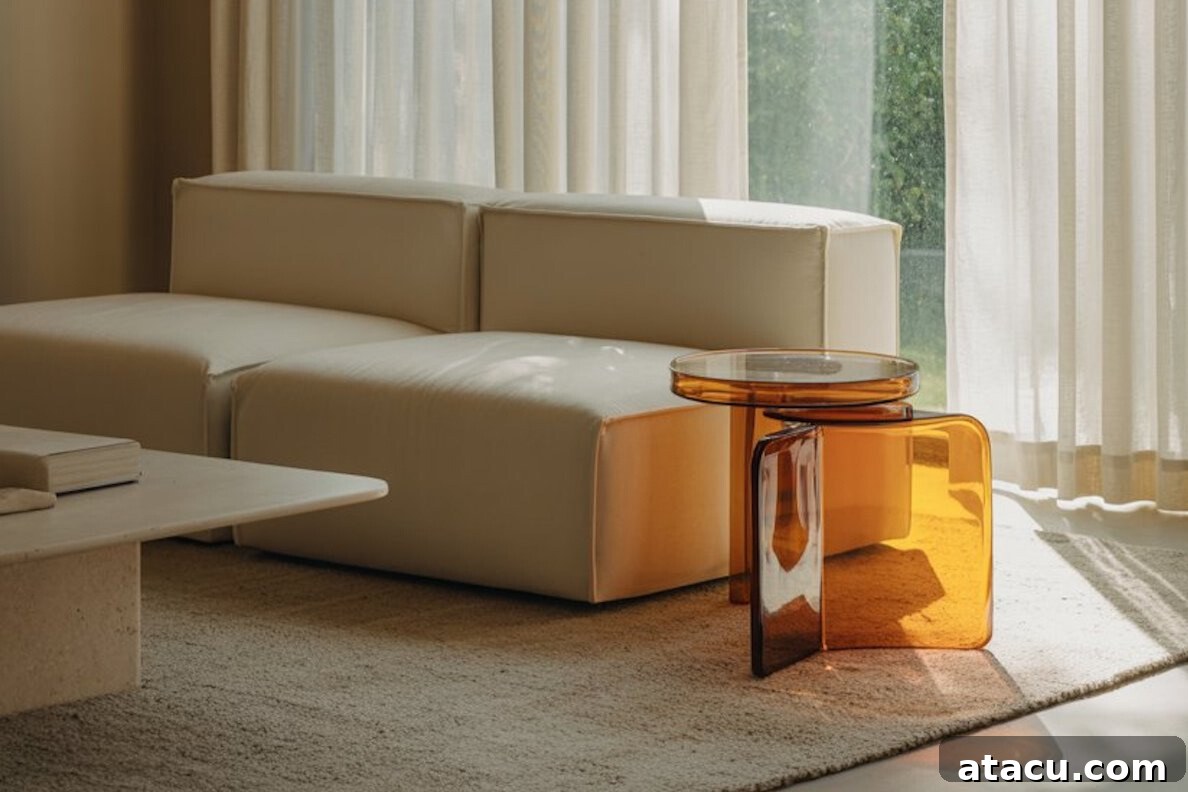
Transforming your living space with custom window treatments has never been more accessible, and ordering made-to-measure curtains online offers an unparalleled blend of convenience and bespoke style. Achieving that perfectly tailored look for any room hinges on informed choices, from the initial measurements to the final fabric selection. By prioritising accurate dimensions, superior fabric quality, and reputable suppliers, you can ensure the finished product not only meets but exceeds expectations, blending flawlessly with your existing décor. Whether you’re searching for the best made to measure curtains in the UK or seeking out custom solutions internationally, it’s crucial to delve into the vast array of fabric options and assess the calibre of customer support on offer.
Custom curtains, precisely fitted to your windows, possess the power to elevate a room’s aesthetic dramatically, simultaneously preventing common frustrations such as ill-fitting lengths, gaps that let in unwanted light, or styles that clash with your interior design vision. This meticulous approach transforms the online ordering experience into a confident and profoundly rewarding journey. Further key considerations encompass evaluating available accessories, understanding the depth of customisation features, and clarifying quality assurance policies. Proactive steps like ordering fabric samples and familiarising yourself with straightforward ordering processes can effectively prevent unnecessary mistakes, ensuring your custom curtain experience is enjoyable and successful from the initial browsing stage to the final installation.
Key Takeaways
- Take meticulous measurements and choose your fabric wisely, considering both aesthetics and functionality.
- Prioritise customisation options and select reputable, trusted suppliers with proven track records.
- Thoroughly review available quality options, accessories, and support policies before placing your order.
Key Considerations When Ordering Made to Measure Curtains Online
The journey to selecting the perfect made-to-measure curtains is a precise art, deeply reliant on the quality of fabric, the accuracy of your measurements, and a keen eye for style. To guarantee a flawless fit and a truly harmonious look that complements your home, it is imperative to dedicate close attention to each of these foundational areas. Rushing any step can compromise the final outcome, turning what should be a delightful enhancement into a source of disappointment. By approaching each stage with care, you lay the groundwork for window treatments that will serve both functionally and aesthetically for years to come.
Choosing the Right Curtain Fabric
The selection of your curtain fabric is arguably the most impactful decision, as it dictates not only the visual appeal but also the practical functionality of your custom curtains. The market offers a rich tapestry of options, from natural fibers like cotton, linen, and silk to luxurious velvets and versatile synthetic blends, each varying significantly in thickness, light-blocking capability, and ease of maintenance. For instance, plush velvet and other thicker fabrics are excellent choices for providing superior insulation and enhancing privacy, making them ideal for bedrooms or north-facing rooms. Conversely, sheer or lighter fabrics are perfect for inviting abundant natural light into a space, creating an airy and open ambiance while still offering a touch of privacy during the day.
It is paramount to choose a fabric that seamlessly aligns with both your interior décor and your practical requirements. Do you need maximum room darkening for a cinema room, or perhaps thermal efficiency to reduce energy bills? Is durability a key concern for high-traffic areas or rooms constantly exposed to direct sunlight? For allergy sufferers, certain synthetic blends might be more suitable due to their hypoallergenic properties. To truly appreciate how a fabric will look and feel in your home, ordering fabric samples is an indispensable step. These swatches allow you to assess colours and textures under your home’s unique lighting conditions before making a significant commitment. Industry experts consistently advise that choosing a fabric you genuinely love is vital, as well-made curtains, cared for properly, have the potential to adorn your windows beautifully for decades, becoming a lasting feature of your home.
Measuring Curtain Width and Length Accurately
Accurate measurements form the absolute bedrock for truly bespoke made-to-measure curtains. Any error in this stage can lead to curtains that look awkward, fail to provide adequate coverage, or simply do not hang correctly. Begin by equipping yourself with a sturdy steel tape measure, a pencil, and paper for precise recording. For the **curtain width**, first measure the exact width of your window recess. Then, decide how far you want your curtain pole or track to extend beyond the window frame on each side. A good rule of thumb is to add at least 15-30 cm (6-12 inches) to each side of the window recess. This ensures that when the curtains are open, they can be drawn back fully, allowing maximum light into the room and preventing the fabric from blocking the window itself – an effect known as ‘stack back’. To achieve a luxurious, full, and gathered look, multiply your pole or track width by two to two-and-a-half times for pleated curtain styles like pinch pleat or pencil pleat curtains. For eyelet or wave headings, a multiplier of 1.5 to 2 times is generally sufficient, ensuring elegant folds without excessive bulk.
Next, determine the **curtain length, or drop**. Decide on your desired hanging height for the pole or track, typically 10-15 cm (4-6 inches) above the window frame, or even higher to create an illusion of greater ceiling height. Measure from the top of where your pole or track will be installed down to your desired endpoint. You have several stylish options for the drop:
- Sill Length: Curtains finish approximately 1-2 cm (0.5-1 inch) above the windowsill, ideal for windows with radiators or furniture underneath.
- Below Sill: Extending 10-15 cm (4-6 inches) below the windowsill, this option offers a neat finish and good light block.
- Floor Length: The most popular choice, finishing about 1-2 cm (0.5-1 inch) above the floor, providing a sleek and tailored appearance.
- Pooling/Puddling: Add an extra 5-15 cm (2-6 inches) to the floor length measurement. This creates a dramatic, opulent effect where the fabric gently gathers on the floor, perfect for formal spaces.
It’s crucial to account for your chosen heading type, as this significantly affects the finished length. For example, eyelet curtains sit below the pole, while pinch pleats hang from hooks that attach to rings on the pole. Always measure in at least three different points across both width and length, and use the smallest measurement to ensure a perfect fit, or the largest to ensure full coverage. Following these systematic methods for window measurement helps avoid common and costly mistakes, ensuring both the fabric width and drop are precisely correct for a truly custom finish.
Selecting Curtain Styles and Headings
The chosen curtain style and heading profoundly influence both the overall appearance and the way your curtains hang and operate. This decision is crucial for creating the desired aesthetic and ensuring optimal functionality. Online retailers offer a diverse range of heading options, each imparting a distinct character to your window treatments.
- Eyelet (Grommet) Curtains: These feature metal rings integrated directly into the fabric, creating deep, uniform, and contemporary folds. Eyelet curtains are incredibly easy to slide along a pole, making them an excellent choice for modern settings where ease of use and a sleek, uncluttered look are desired.
- Pinch Pleat Curtains: Offering a more structured, formal, and traditional look, pinch pleats are permanently sewn into the fabric at the top, creating elegant, gathered pleats. These can come as double (two-finger) or triple (three-finger) pinch pleats, with triple pleats offering a fuller, more luxurious appearance. They drape beautifully and are ideal for more formal living rooms or master bedrooms.
- Pencil Pleat Curtains: A versatile and classic choice, pencil pleats are created by pulling cords in the heading tape to form tight, ‘pencil-like’ gathers. They are adaptable to both poles and tracks and can be adjusted to create varying degrees of fullness, making them suitable for a wide range of interiors from traditional to semi-modern.
- Wave (S-Fold) Curtains: For a truly minimalist and contemporary aesthetic, wave curtains offer a continuous, soft ‘S’ shaped ripple effect from top to bottom. They require a special track system to achieve this precise, uniform look and are perfect for creating a clean, architectural statement.
- Tab Top and Rod Pocket Curtains: These are more casual heading styles. Tab top curtains feature fabric loops that sit over the pole, while rod pocket curtains have a channel sewn into the top through which the pole slides. Both are great for lightweight fabrics and relaxed settings but are generally less easy to open and close than pleated or eyelet styles.
It is essential to match the chosen heading style not only to the functionality required (e.g., ease of drawing, light block) but also to your chosen curtain pole or track. Some headings, such as wave curtains, require specific hardware, while others may offer more effective coverage over the window recess. Carefully considering your style and heading choice ensures your window treatments perfectly complement the room’s overall design and perform exactly as needed. Selecting the right option creates a seamless custom look, significantly enhancing the aesthetic value and long-term satisfaction derived from your made-to-measure curtains.
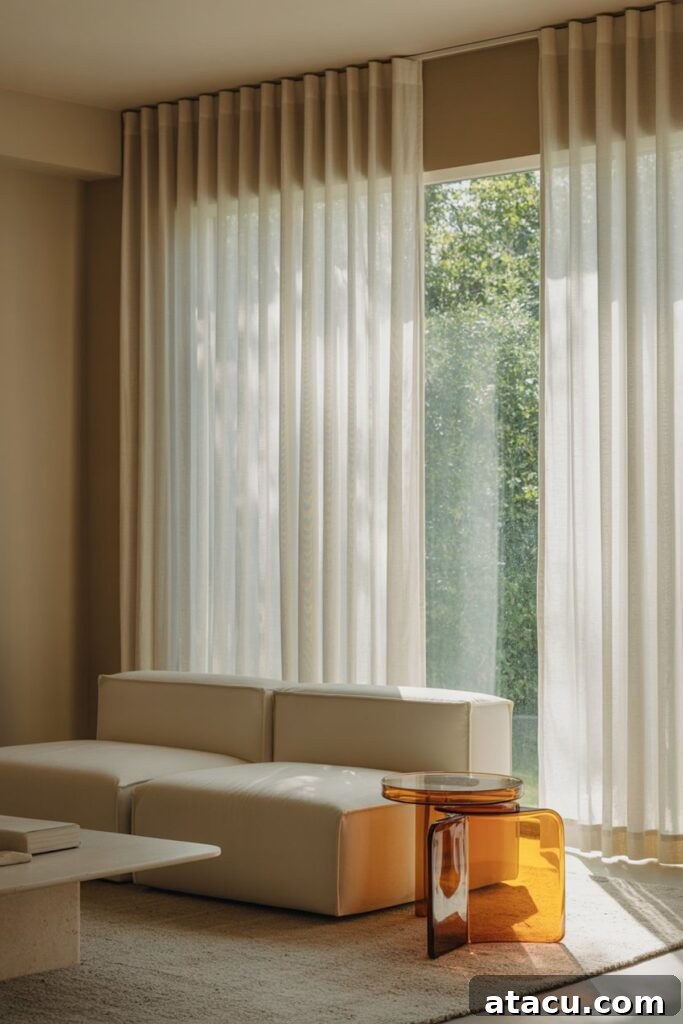
Customisation, Accessories, and Quality Assurance
One of the primary advantages of investing in made-to-measure curtains is the unparalleled level of customisation they offer, allowing you to perfectly suit unique spaces and individual preferences. Beyond the fabric and heading, the careful selection of curtain accessories, ensuring design harmony with existing décor, and a clear understanding of guarantee and support options are all pivotal in making truly informed decisions for your custom window treatments. Each element plays a vital role in both the functionality and the aesthetic success of your curtains.
Evaluating Curtain Accessories and Hardware
The right curtain accessories and hardware are not merely functional components; they are integral to enhancing both the performance and the stylistic impact of your custom curtains. Buyers should thoughtfully consider the material and finish of their curtain rods or poles—options like metal, wood, or composite materials each offer distinct aesthetic qualities. Metal poles, available in finishes such as brushed nickel, chrome, antique brass, or matte black, lend themselves well to modern or industrial interiors. Wooden poles, ranging from natural oak to painted white or dark stained, evoke warmth and tradition. The chosen finish should seamlessly complement your fabric choice, existing furniture, and other metallic elements within your interior design. Investing in reliable, high-quality hardware is paramount to ensuring durability, smooth operation, and the ability to comfortably support the weight of your custom drapes, which can often be heavier than off-the-shelf options.
Beyond the pole itself, several other important accessories demand attention. **Finials**, the decorative caps that adorn the ends of rods, offer an opportunity for significant decorative flair, with styles ranging from understated modern spheres to intricate classical designs. **Tiebacks** or **holdbacks** are essential for keeping curtains neatly drawn open during the day; they can be simple fabric bands, elegant cords with tassels, or decorative metal arms that secure the curtains away from the window. **Brackets** support the pole and come in various projections to accommodate different curtain depths or window obstructions. For pleated headings, **rings** and **hooks** are crucial for attaching the curtains to the pole or track. Many online retailers provide detailed options for these features, so it is highly recommended to thoroughly examine all available selections. Crucially, always ensure compatibility between the rod, brackets, and your chosen curtain header style (e.g., eyelet, pencil pleat, pinch pleat). Double-checking measurements for bracket placement and verifying the weight capacity of your hardware is critical, especially when dealing with heavy, interlined custom curtains.
Incorporating Interior Design Elements
For your custom curtains to truly shine, they must integrate harmoniously with your existing interior design elements. Shoppers need to critically assess the prevailing colour palette, furniture styles, and patterns already present in the room before finalising custom curtain details. The chosen fabric’s texture—be it the rich depth of velvet, the relaxed weave of linen, or the crispness of cotton—can profoundly alter the tactile and visual feel of a room. Similarly, the right hue can either unify disparate elements or provide a striking accent, injecting new life into a space. Consider whether you want the curtains to blend in and create a sense of calm or stand out as a focal point.
Sophisticated interior design often involves **layering**, where sheer curtains are paired with heavier drapes. This approach offers unparalleled versatility in light control and privacy, allowing natural light to filter in during the day while providing full block-out and insulation at night. Furthermore, features like **blackout lining** are indispensable for bedrooms or media rooms, offering near-total light exclusion and enhanced privacy. **Thermal lining** significantly improves a room’s energy efficiency by blocking drafts and retaining heat. **Interlining**, a flannel-like fabric sewn between the face fabric and the lining, adds a luxurious fullness and drape, enhances insulation, and provides excellent sound dampening. It is incredibly helpful to request fabric swatches and physically place them in the actual room, observing them at different times of day to see how the light interacts with the colour and texture. Coordinating the design of tiebacks and finials with other decorative elements such as lighting fixtures, picture frames, or furniture hardware will foster design cohesion, prevent jarring mismatches, and contribute to a polished, thoughtfully curated interior.
Ensuring Quality and Reliable Support
When investing in made-to-measure curtains online, the assurance of quality and reliable customer support is paramount. A reputable online retailer demonstrates transparency through clear product descriptions, detailed material information, and comprehensive care instructions for their fabrics. It’s highly advisable to scrutinise customer reviews on independent platforms to gain insights into the supplier’s consistency in terms of product quality, measurement accuracy, and responsiveness of service. The availability of fabric samples is a non-negotiable feature for online purchasing, allowing you to personally verify colours, textures, and how the fabric behaves under your home’s unique lighting conditions before making a substantial investment.
Furthermore, examine the retailer’s policies regarding warranties or guarantees. What assurances do they offer for manufacturing defects or if there’s a discrepancy in measurements that originated from their end? Understand the return policy for custom items, which can often be more restrictive than for standard products, due to their bespoke nature. Accessible and responsive customer service is another critical factor. The ability to easily reach out with queries about measurements, fabric suitability, or order status can significantly enhance your buying experience and provide peace of mind. Some top-tier online suppliers also provide invaluable resources like detailed measuring guides and installation instructions, empowering you to confidently manage the entire process. Ultimately, choosing a supplier committed to high-quality craftsmanship and robust after-sales support ensures that your investment in made-to-measure curtains will yield lasting satisfaction, both in terms of their performance and their enduring aesthetic appeal.
Conclusion
Successfully selecting and ordering made-to-measure curtains online is a rewarding endeavour that demands meticulous attention to precise measurements, thoughtful consideration of suitable fabric choices, and a comprehensive understanding of a room’s specific functional and aesthetic needs. Homeowners stand to benefit immensely from double-checking window dimensions, carefully considering both the width and length requirements for the optimal fit, and confirming all details before finalising their order. Reliable online guides consistently highlight the critical importance of rechecking measurements and taking ample time during the ordering process to effectively circumvent common and often costly mistakes. Beyond aesthetics, choosing fabrics that are easy to maintain and actively considering essential needs such as light control, privacy, and thermal efficiency helps ensure the custom curtains are not only beautiful but also practical for daily life.
By maintaining a consistent focus on these key factors—accuracy, fabric suitability, style compatibility, and supplier reliability—homeowners can confidently navigate the online landscape of custom window treatments. This informed approach empowers them to select and order made-to-measure curtains that not only perfectly complement their space but also provide lasting comfort, style, and functionality. The result is a truly transformed living environment, enhanced by bespoke window furnishings that reflect personal taste and meticulous planning.