
For too long, my home was filled with a collection of vases that were more ornamental than practical. Literally dozens of them sat around, collecting dust and adding unnecessary clutter, yet whenever I brought home a fresh bouquet, I’d find myself scrambling to locate a vase actually suitable for displaying them. This common dilemma—possessing many decorative items but lacking truly functional ones—sparked a significant shift in my approach to home styling.
Last week, in my ongoing quest for a more minimalist and intentional living space, I decided it was time for a ruthless declutter. My vast collection of vintage Scandinavian vases, though beautiful, rarely served its primary purpose. So, I carefully packed them up and sent them off to the local auction house, ready to find new homes where they might be truly appreciated. With a renewed focus on functionality and aesthetic harmony, and a little inspiration from The White Company, I embarked on curating a small, carefully chosen selection of replacements—vases that are actually *designed for holding flowers* and enhancing their natural beauty.
The Art of Selecting the Perfect Vase: Beyond Mere Decoration
My experience as an event florist some years ago taught me invaluable lessons about the symbiotic relationship between flowers and their vessels. It’s not just about finding something pretty to put your flowers in; it’s about selecting a vase that complements the blooms, enhances their form, and contributes to the overall aesthetic of your space. The right vase can elevate even the simplest arrangement into a breathtaking focal point, while the wrong one can diminish the impact of the most exquisite bouquet.
When choosing a vase, three fundamental aspects are paramount: the height of the vessel, its shape, and the size of its opening. These elements are key to providing proper support, showcasing the flowers effectively, and maintaining their freshness. However, a truly thoughtful selection also considers the vase’s material, color, and how it integrates with your existing home decor. By understanding these principles, you empower yourself to create stunning, impactful displays with even just a few simple blooms or graceful branches.
Key Considerations for Harmonious Floral Styling:
- Height and Proportion: A general rule of thumb suggests that your flowers should be approximately 1.5 to 2 times the height of your vase. This proportion creates visual balance and prevents the arrangement from looking either top-heavy or dwarfed by the vessel. Taller stems often demand taller vases for stability and dramatic effect.
- Vase Shape and Flower Structure: Different flower types thrive in different vase shapes. A wide, low vase is perfect for full, round blooms, while a narrow, tall vase is ideal for single stems or delicate branches. The shape dictates how flowers will naturally fall and spread.
- Opening Size: This is crucial for stem support. A wide opening can allow flowers to splay out, creating a relaxed, natural look, but it can also make arrangements look sparse if not filled correctly. A narrower opening provides excellent support for fewer stems, keeping them upright and contained.
- Material Matters: Vases come in various materials, each offering a distinct aesthetic. Clear glass allows stems and water levels to be seen, adding to the visual appeal. Opaque ceramic or porcelain vases offer texture and color, grounding the arrangement. Metal vases provide a modern, sleek touch.
- Color and Style: Consider the vase’s color and overall style in relation to your home decor. A neutral vase can serve as a versatile backdrop for any floral palette, while a colored or patterned vase can become a statement piece in itself, enhancing or contrasting with the flowers it holds.
- Stability and Weight: Especially for larger arrangements, ensuring the vase is heavy and stable enough to support the flowers without tipping over is vital. A wide base often indicates good stability.
- Water Capacity: The vase should hold enough water to keep your flowers hydrated for several days. Vases with narrower openings may require less frequent refills but monitor them closely.
If you enjoy having fresh flowers at home and aspire to create arrangements that truly captivate, understanding these key types of vases will transform your floral styling game. Let’s explore the essential vase shapes that every flower enthusiast should consider owning.
Essential Vase Types for Every Floral Occasion
1. The Bottle Neck Vase: Elegant Support for Singular Beauty
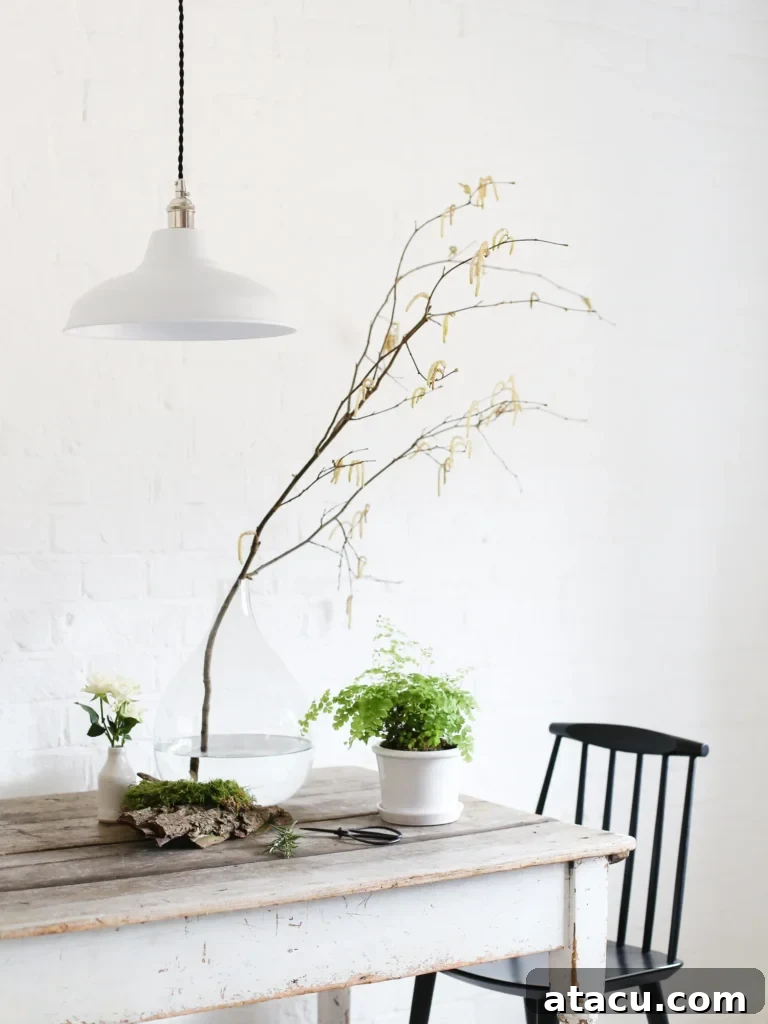
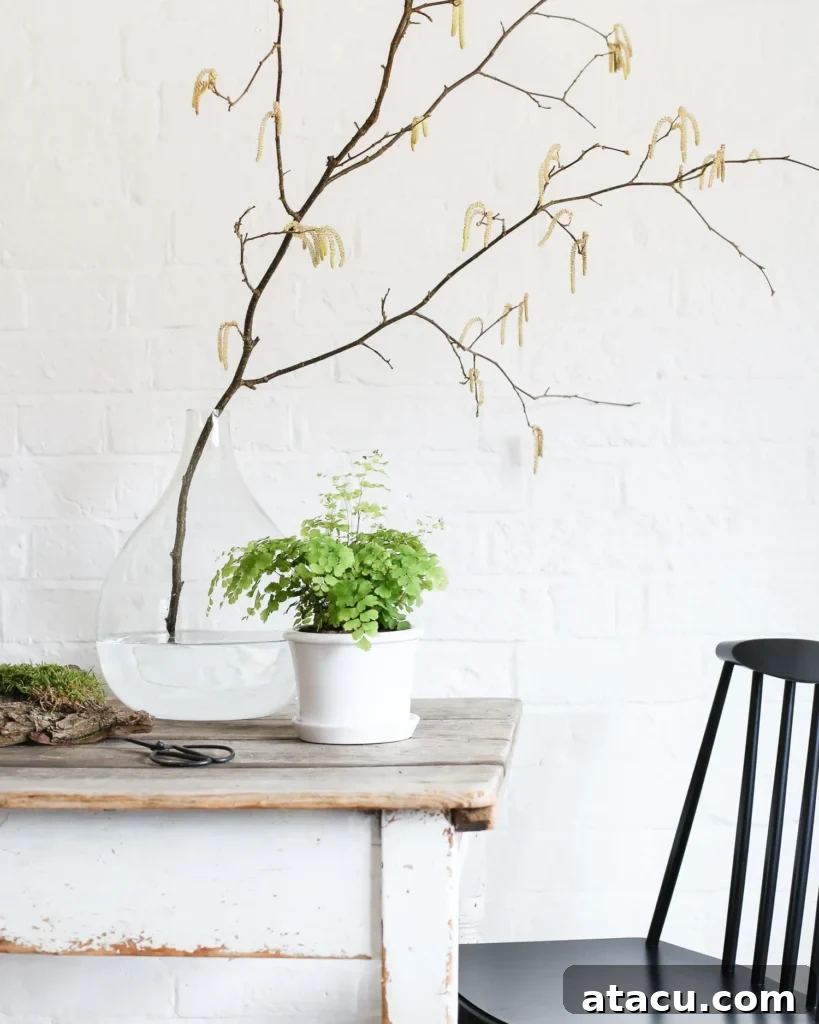
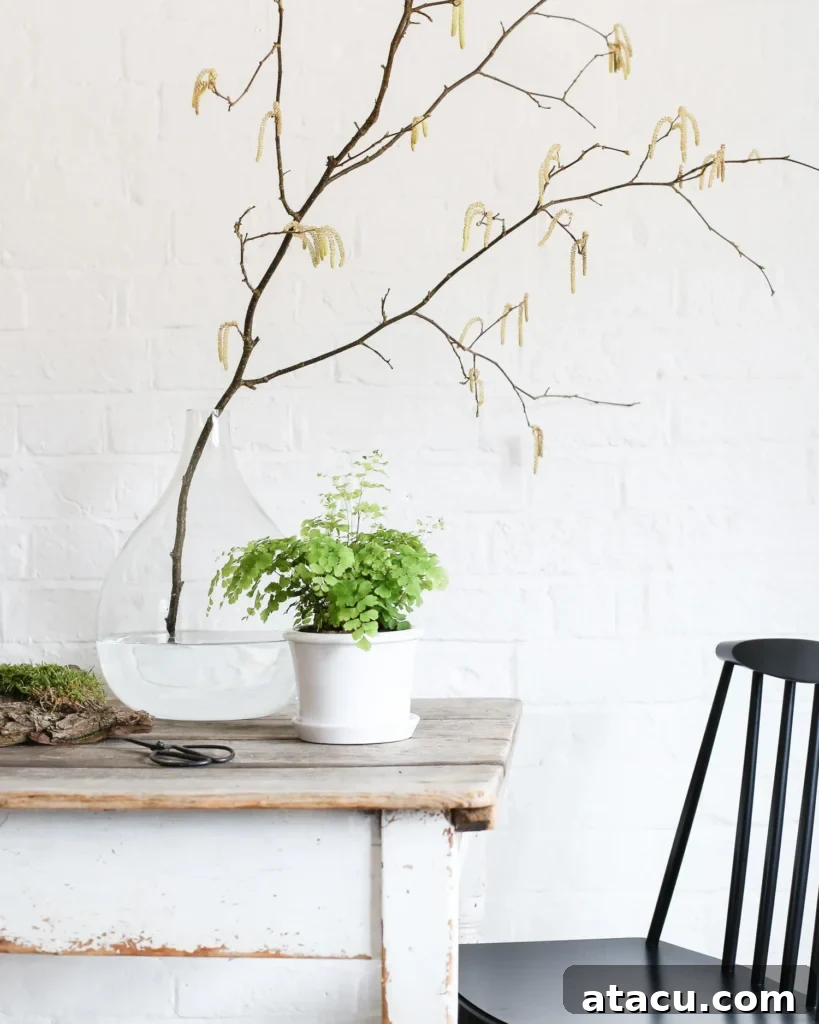
The Bottle Neck Vase, characterized by its wider base and distinctively narrow neck, is an unsung hero for showcasing delicate yet impactful displays. At this time of year, Spring branches make an incredibly beautiful statement. There is nothing quite so lovely as a branch of magnolia in full bloom, but even a simple display of cherry blossom, catkins, or pussy willow can look absolutely amazing when properly supported. This Emerson vase from The White Company, available in two sizes (the smaller one is pictured here), is perfect for showing off these natural wonders in their full glory. Its narrow neck securely cradles individual stems or slender branches, preventing them from flopping over and allowing them to stand tall and proud, creating a striking vertical line that draws the eye upwards. It’s ideal for creating a minimalist yet sophisticated focal point on a mantelpiece, a console table, or even a desk.
Best for: Magnolia branches, pussy willow, cherry blossom, almond blossom, catkins, poppy seed heads, gladiolus, delphiniums, single long-stemmed roses, or any tall, elegant stem that requires firm support to maintain its posture and visual impact.
2. The Round or Oval Vase: Embracing Lush Bouquets
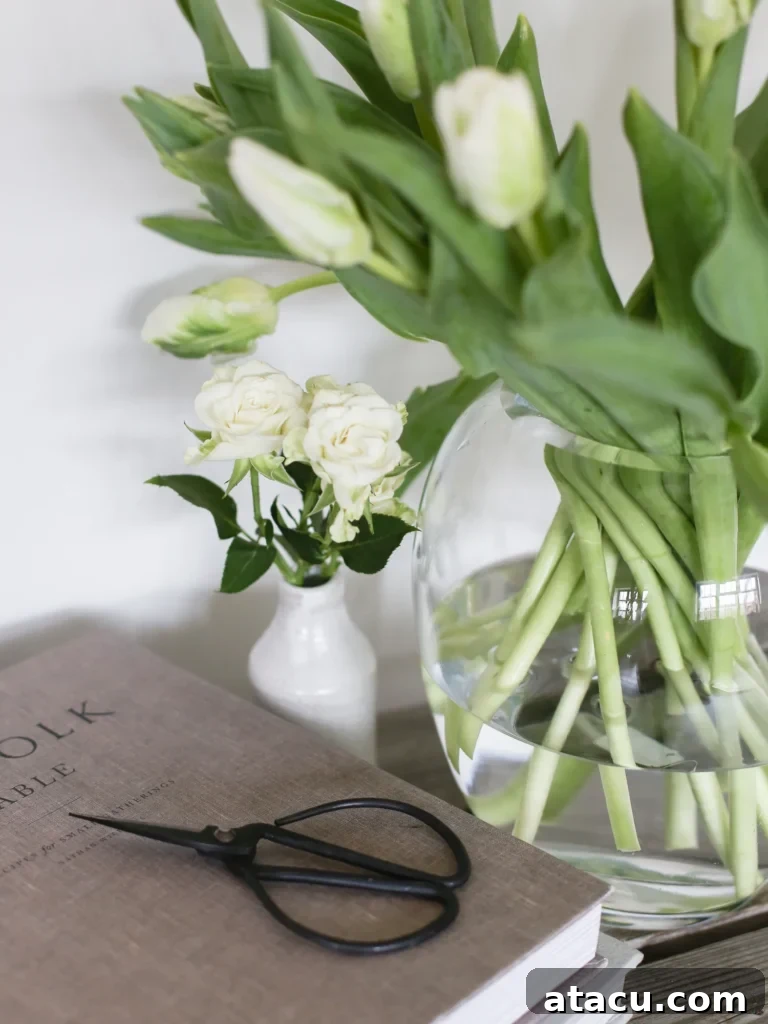
The Round or Oval Vase is a timeless classic, beloved for its versatility and its ability to accommodate a wide variety of flowers, especially those with fuller heads. The one shown here, the Bilbury vase from The White Company, isn’t perfectly spherical; it features a slightly elongated base which provides a little more depth. This subtle design choice is, in my view, preferable to a perfectly round vase. It means that the stems don’t need to be cut quite so short, allowing for more natural stem length and better water absorption. Crucially, it prevents your beautiful flowers from flopping out to the sides, which often leaves an unsightly gaping hole at the center of the arrangement—a common frustration with perfectly round, shallow vessels. Although described as ‘small’, this Bilbury vase is actually quite generously sized, easily accommodating a large, abundant bunch of tulips, peonies, or roses. Its shape encourages flowers to form a beautiful, domed arrangement, making it an excellent choice for creating an attractive focal point on a sideboard, a dining table centerpiece, or a console table.
Best for: Tulips, peonies, roses, hydrangeas, gardenias, ranunculus, or any full-headed flowers that benefit from being gathered into a lush, rounded bouquet. It’s also superb for creating mixed arrangements where flowers can be nestled together.
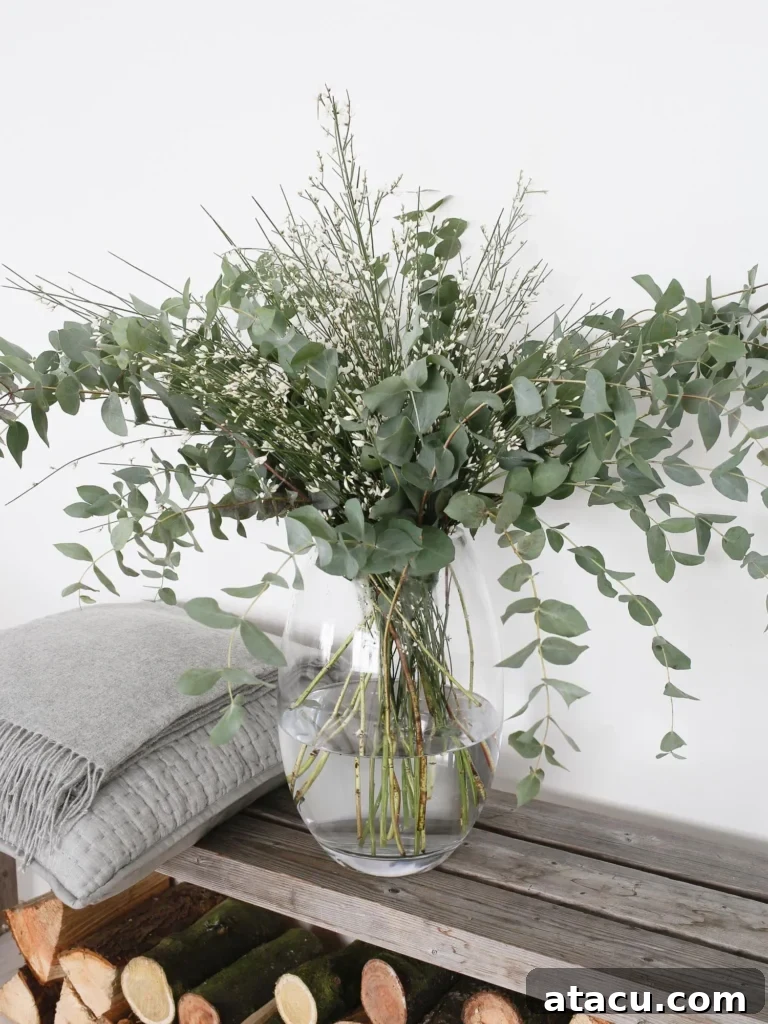
3. The Tall Rounded Vase: For Grand Statements and Dramatic Flourishes
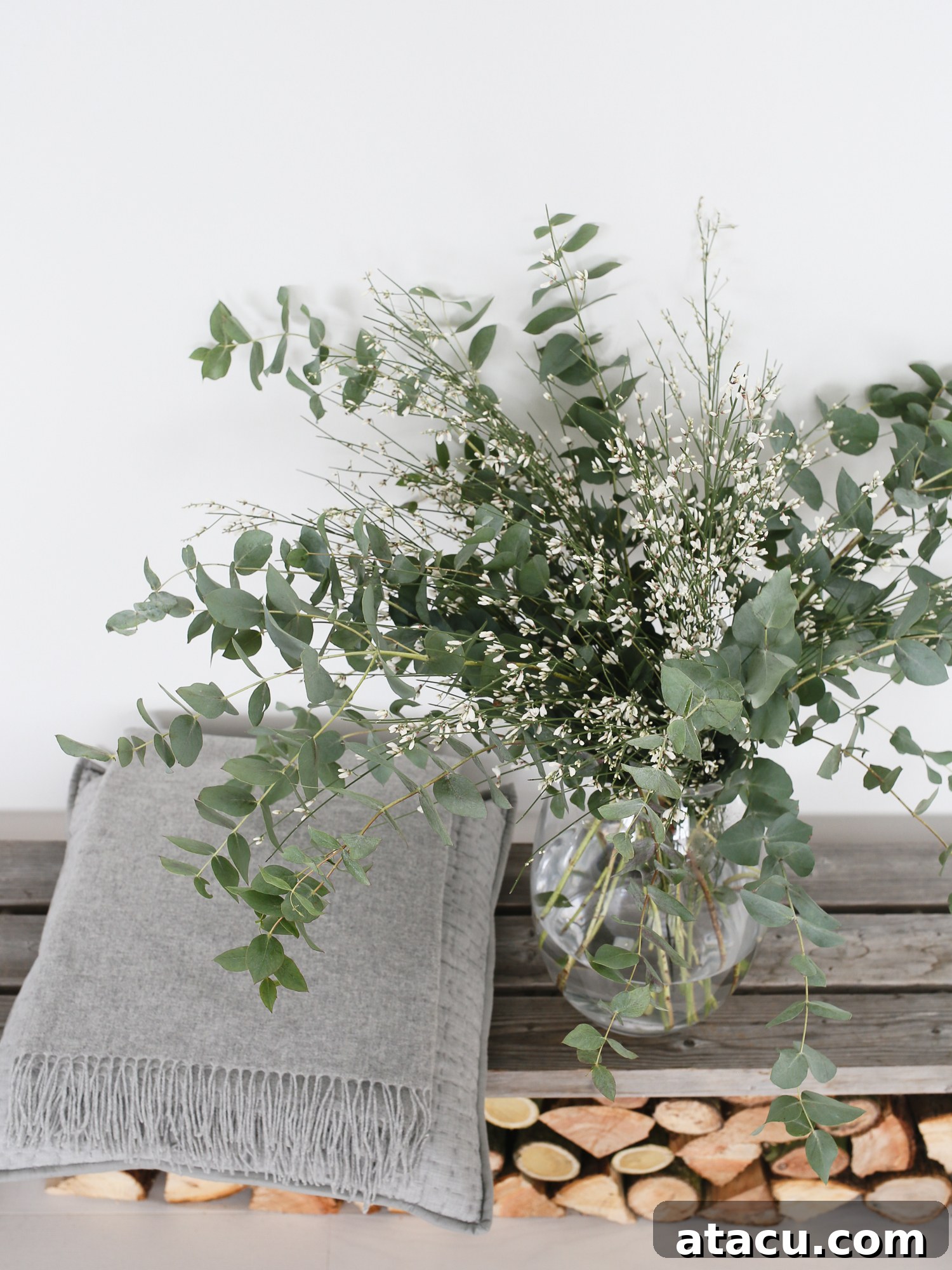
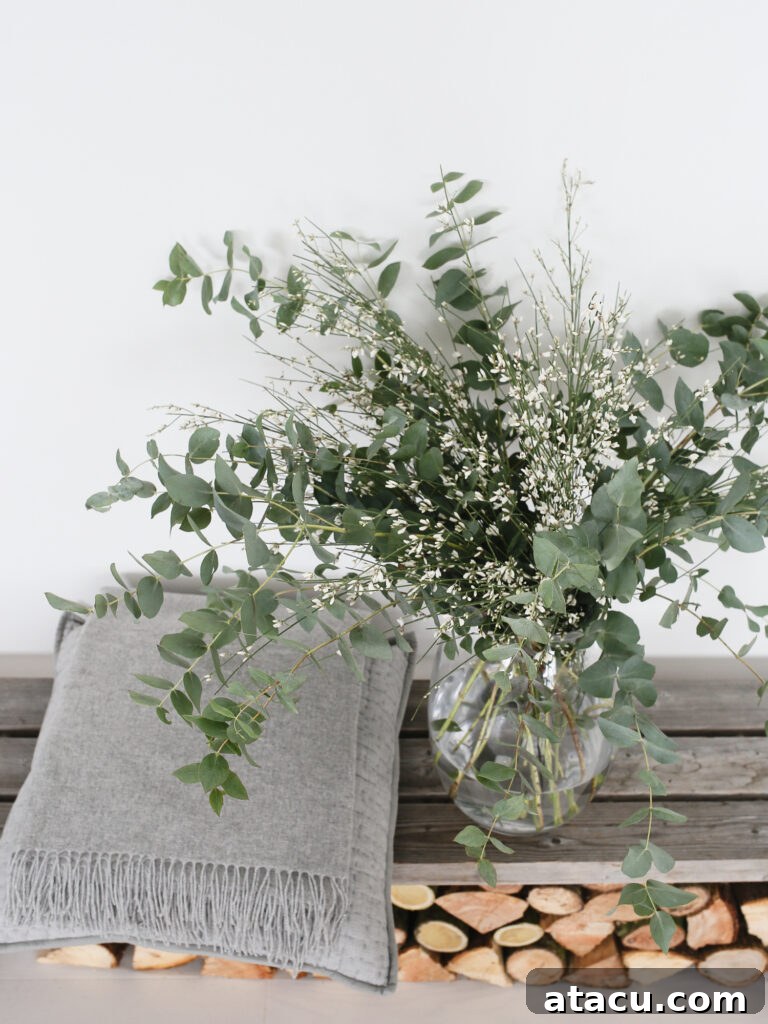
For those moments when you need to go big and make an unforgettable impression, the Tall Rounded Vase is your go-to choice. A vessel like the Hambledon vase is ideal for crafting large, show-stopping displays for parties, special events, or for making a welcoming, grand statement in a spacious hallway or living room. Its generous height and rounded form provide ample volume and stability for substantial arrangements. I’ve styled it here with a generous bunch of fragrant eucalyptus and some pretty white genista, creating an airy yet commanding presence. This vase is equally perfect for showcasing long-stemmed flowers that demand attention and space, allowing their full length and beauty to be appreciated. Its presence alone can elevate a room, creating a luxurious focal point.
Best for: Lilies (especially Oriental lilies), delphiniums, gladiolus, sunflowers, eucalyptus branches, pampas grass, or any tall, architectural blooms that require significant height and a wide mouth to flourish. It’s also excellent for multi-stemmed branches like cherry blossoms or magnolia when you want a very full, impactful look.
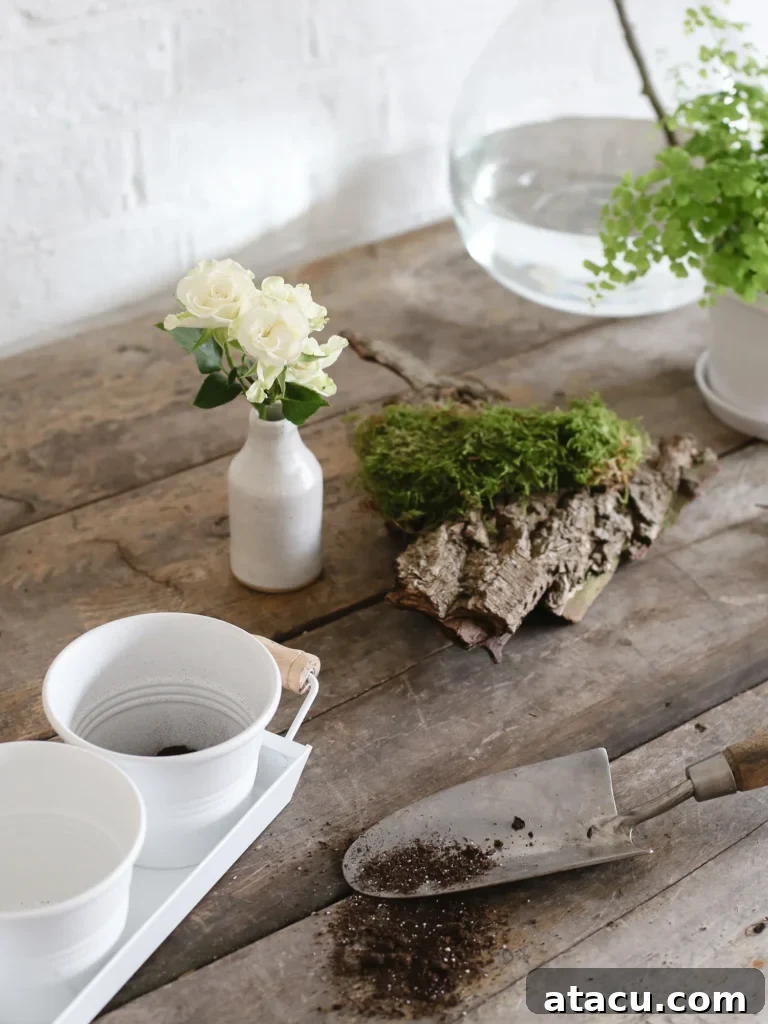
4. The Bud Vase: Celebrating Individual Beauty and Intimate Moments
At the opposite end of the scale from grand arrangements, small bud vases like this charming handmade artisan vase from The White Company are designed to hold just one single bloom, a delicate sprig, or a tiny cluster of smaller flowers. These miniature vessels are perfect for brightening up simple, everyday moments and spaces where a larger arrangement might feel overwhelming. Their understated elegance allows the singular beauty of a flower to truly shine, inviting closer appreciation. Place one on your bedside table to wake up to a touch of nature, next to the wash basin in the bathroom for a spa-like feel, on a window sill, or scattered across a dining table for an intimate dinner. They also offer a wonderful way to utilize smaller cuttings from your garden, ensuring no bloom goes to waste.
Best for: Single roses, anemones, muscari, ranunculus, sweet peas, tiny sprigs of lavender or rosemary, or any delicate individual bloom or small cluster that deserves its own spotlight. They are also fantastic for grouping together in varied heights and shapes to create a charming floral vignette.
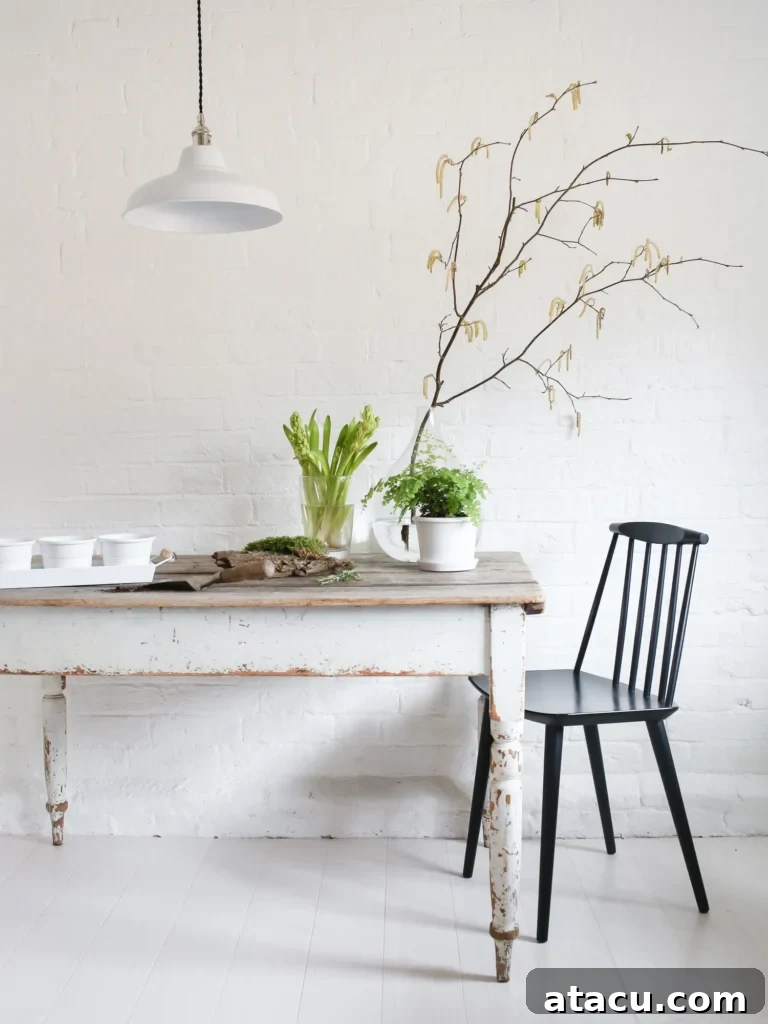
5. The Tapered Vase: Supporting Springtime Splendor
The Tapered Vase is ingeniously designed to provide crucial support for flowers with thicker, often stiffer stems, allowing their blooms to splay out gracefully at the top. Spring flowers like daffodils, hyacinths, and tulips, all of which typically have fairly robust stems, look exceptionally good in a slightly flared vase like this Luddington vase. Its design, tapering downwards, ensures that the stems are held securely in place at the base, preventing them from flopping or shifting. Meanwhile, the wider opening at the rim allows the vibrant blooms to burst outwards, creating a full and joyful display. This shape is perfect for arrangements that require both stability at the base and a natural, expansive look for the flower heads, making it a staple for seasonal blossoms.
Best for: Tulips, hyacinths, daffodils, crocus, irises, or any flower with a medium to thick stem that benefits from firm foundational support while allowing the flower heads to fan out naturally.
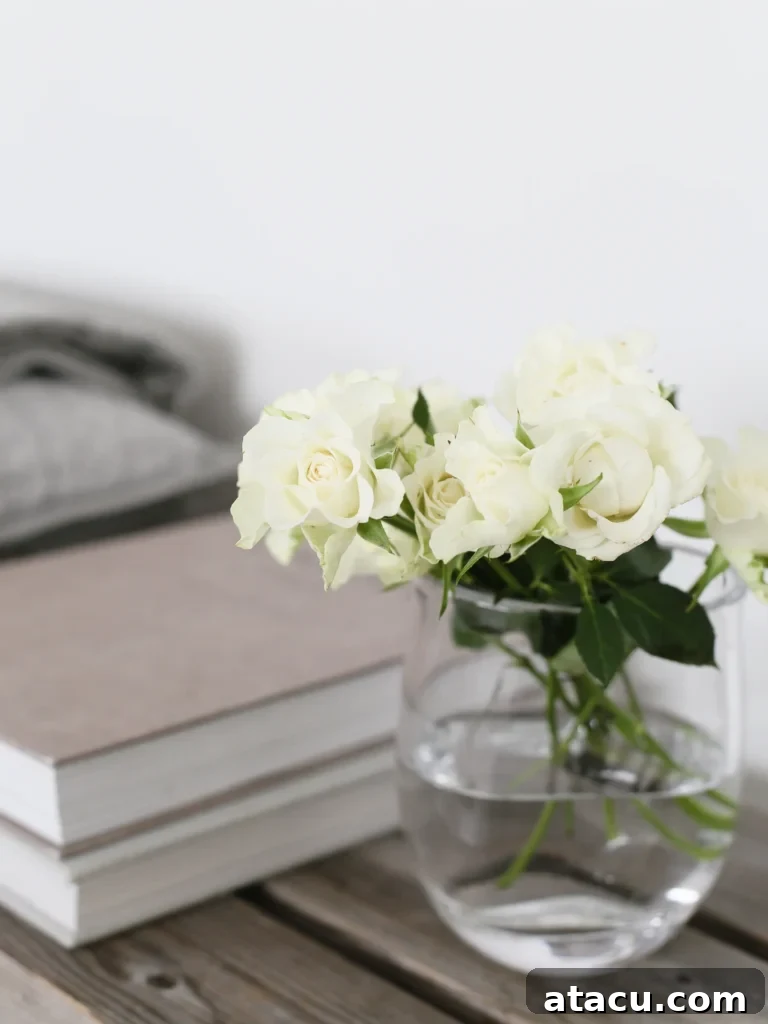
6. The Posy Vase: Low-Lying Charm for Conversation and Views
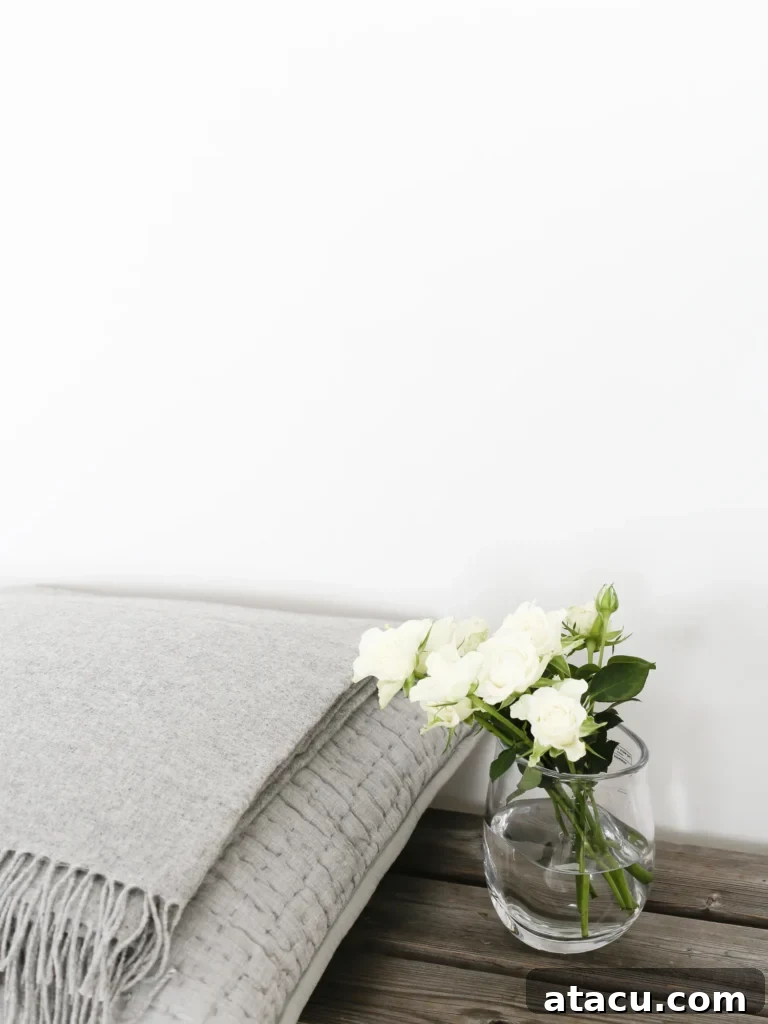
For more intimate settings, where large, towering displays might obstruct conversation or views, the Posy Vase emerges as the perfect solution. Large arrangements can often get in the way of interaction around the dinner table, making a small posy vase a much better and more considerate option. This Boston vase, with its compact and often squat design, is also an excellent choice for a coffee table, where you likely wouldn’t want anything too big that might obscure your view of the television or your companion. Posy vases are designed to hold smaller, clustered arrangements, creating a charming, low-lying burst of color and fragrance that enhances without dominating the space. They are ideal for informal settings, adding a touch of rustic beauty or understated elegance.
Best for: Spray roses, sweet peas, small garden cuttings, wild flowers, pansies, violas, or any compact, multi-headed blooms that create a dense, low arrangement. Perfect for kitchen tables, bedside tables, or powder rooms.
7. The Cylinder Vase: Modern Simplicity and Versatility
The Cylinder Vase is the epitome of modern minimalist design. With its straight, uniform sides and open top, it offers incredible versatility for various floral styles. Its simple form doesn’t distract from the flowers, making it perfect for showcasing the clean lines of long-stemmed blooms or creating structured arrangements. Cylinder vases are particularly effective when grouped in varying heights to create a dynamic display. They are also excellent for submerging flowers, layering with pebbles or decorative stones, or even as vessels for floating candles, adding an atmospheric touch to any setting.
Best for: Calla lilies, gladiolus, long-stemmed roses, tulips (when arranged for height), bamboo stalks, submerged floral arrangements, or creating monochromatic displays where the uniform height of the flowers is emphasized.
8. The Trumpet Vase: For Opulent and Formal Grandeur
When the occasion calls for unapologetic grandeur and formal elegance, the Trumpet Vase steps into the spotlight. Characterized by a narrow base that flares dramatically outwards towards the top, resembling a trumpet, this vase type is a staple for formal events, weddings, and lavish home decor. Its design naturally creates a high, expansive arrangement that commands attention and fills a large space with floral opulence. While it requires a significant amount of flowers to fill the wide opening and achieve its full effect, the resulting display is undeniably spectacular, creating a sense of luxury and celebration.
Best for: Large, showy bouquets of lilies, hydrangeas, roses, gladiolus, delphiniums, or any substantial, full flowers that can be artfully arranged to spill over the wide rim and create a majestic silhouette. Ideal for entryways, grand dining rooms, or event centerpieces.
9. The Bowl Vase (or Fishbowl Vase): Compact Lushness
The Bowl Vase, often resembling a fishbowl with its wide, spherical, or semi-spherical shape and relatively shallow depth, is perfect for creating compact, lush arrangements. Its design naturally lends itself to tightly packed, domed bouquets that look abundant and luxurious. This vase type is excellent for flowers with large heads that can be arranged closely together, creating a visual feast of color and texture. It’s also a popular choice for floating flower arrangements or even for displaying succulents and creating charming terrariums.
Best for: Hydrangeas, large roses, peonies, gardenias, gerbera daisies, or any robust, full-headed flowers that can be arranged into a dense, rounded shape. Ideal for coffee tables, side tables, or as a striking centerpiece where a lower, fuller profile is desired.
Mixing and Matching: Creating Dynamic Floral Vignettes
Finally, don’t be afraid to mix and match! While understanding individual vase types is key, combining different sized and shaped vases can create an even more impactful and visually interesting display. Grouping vases together allows you to play with varying heights, textures, and forms, turning a simple collection of flowers into a captivating floral vignette. Imagine a tiny bud vase holding a single spray rose nestled next to a generous bowl of vibrant parrot tulips, or a tall cylinder vase providing a backdrop for a cluster of shorter posy vases. This technique adds depth and dimension to your home decor, making your floral arrangements feel more curated and artistic. Experiment with odd numbers for a natural, balanced look, and ensure there’s a cohesive element, whether it’s color, material, or flower type, to tie the grouping together.
The Freedom of Faux: Expanding Your Vase Horizons
For those who adore the beauty of flowers but prefer a low-maintenance approach, faux arrangements offer unparalleled creative freedom when it comes to vase selection. As Rachel Dunn, the Head of Product at The Faux Flower Company, wisely notes, “Since faux arrangements don’t require water systems, you can use unconventional vessels and sealed vases that wouldn’t work for fresh flowers.” This opens up a world of possibilities beyond traditional glass or ceramic. Think intricate metal sculptures, decorative baskets, antique urns without liners, or even beautifully carved wooden vessels. This flexibility allows designers and homeowners considerably more creative freedom with vase selection, enabling them to choose vessels purely for their aesthetic appeal, integrating them seamlessly into any decor style without the constraints of water or drainage.
Embracing Functional Beauty
Streamlining my vase collection has made an incredible difference in my home. The transition from a multitude of purely decorative pieces to a curated selection of truly functional and beautiful vessels has transformed how I interact with flowers and my living space. Fewer vases, but each one thoughtfully chosen for its purpose, means no more frantic searches or ill-fitting arrangements. Now, whenever I bring home fresh flowers, I know exactly where they’ll go, and they always look their absolute best, enhancing my home with effortless elegance and a touch of nature’s beauty.
Styling and photography by Design Hunter.