
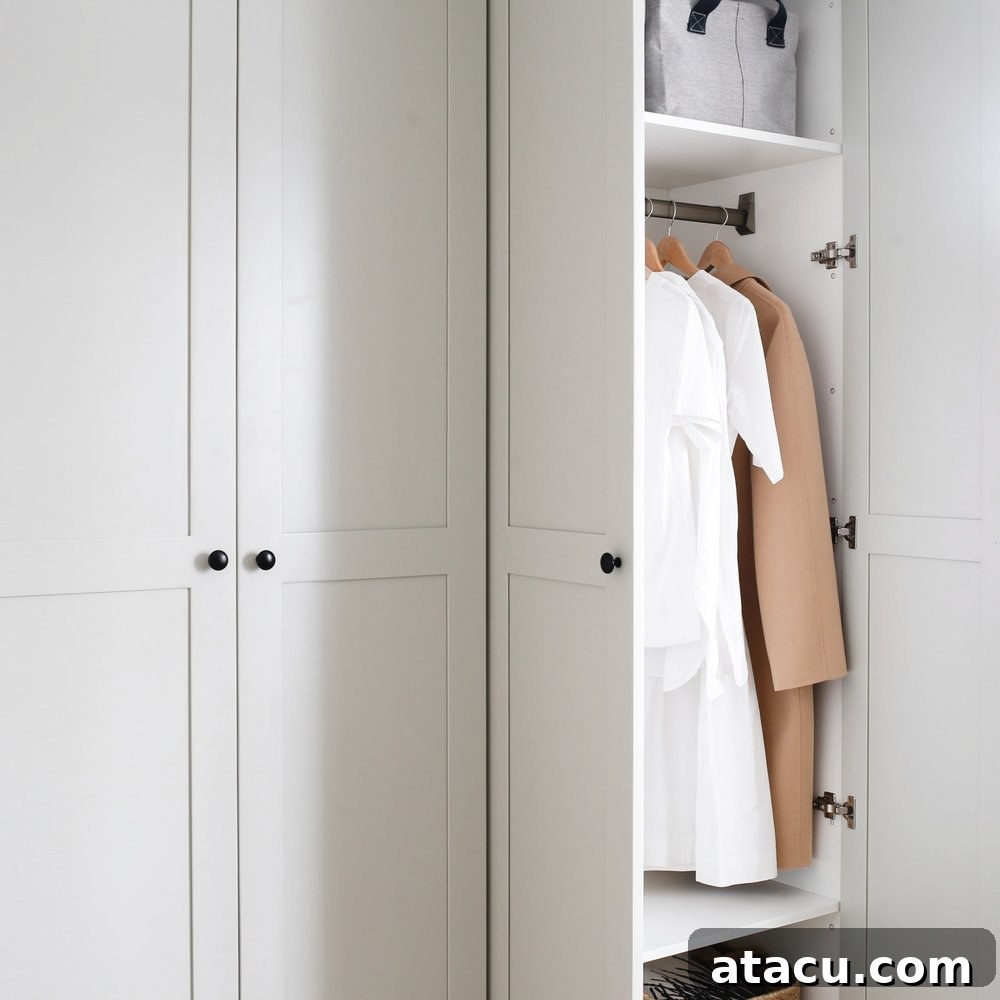
Embarking on a home improvement project, crafting bespoke furniture, or diving into DIY creations can be an incredibly rewarding experience. However, the success and longevity of your endeavors often hinge on one fundamental decision: selecting the right sheet materials. The choice of board impacts everything from the project’s durability and aesthetic appeal to its overall cost and environmental footprint. Whether your vision involves constructing elegant wardrobes, installing sturdy shelving units, panelling walls for a modern look, or designing a custom kitchen from scratch, this comprehensive guide is designed to navigate you through the diverse world of sheet materials, ensuring you pick the perfect fit for your specific needs.
Understanding Sheet Materials: The Foundation of Modern Construction and DIY
Sheet materials, often referred to as engineered wood products, are factory-made composites derived from wood fibers, particles, or thin veneers, bonded together with adhesives under heat and pressure. They are supplied in large, flat panels, offering consistency, versatility, and cost-effectiveness that solid timber cannot always match. Their widespread use spans various industries, including construction, bespoke cabinetry, furniture manufacturing, and countless decorative applications. Grasping the unique characteristics of each type is key to making an informed decision.
- MDF (Medium-Density Fibreboard): Known for its smooth surface and ease of machining.
- Plywood: Celebrated for its strength, stability, and natural wood aesthetic.
- Chipboard (Particleboard): A budget-friendly option, often used in internal applications.
- OSB (Oriented Strand Board): A robust structural panel recognized for its strength and distinctive appearance.
- Melamine-Faced Boards: Pre-finished panels offering durability and easy maintenance.
- Veneered Boards: Combining the stability of engineered wood with the beauty of real wood veneers.
Each material brings its own set of benefits and limitations to the table, meaning your ultimate choice will be critically dependent on your project’s specific demands, environmental conditions, and desired finish.
MDF: The Versatile All-Rounder for Smooth Finishes
Medium-Density Fibreboard (MDF) stands out as one of the most popular and versatile sheet materials available. Manufactured by breaking down softwood or hardwood residuals into wood fibers, combining them with wax and a resin binder, and forming panels by applying high temperature and pressure, MDF offers an exceptionally smooth, uniform surface that is perfect for painting, veneering, or laminating. Its consistent density makes it incredibly easy to cut, route, and shape without splintering, making it ideal for intricate designs and detailed finishes.
Common applications for MDF include shelving units, wall panelling, decorative mouldings, and furniture components that require a pristine, smooth finish. However, standard MDF is highly susceptible to moisture absorption, which can lead to swelling and deformation. For areas prone to humidity, such as kitchens, bathrooms, or utility rooms, it is crucial to opt for moisture-resistant (MR) MDF, often identifiable by its green tint. These specialized versions contain enhanced resins that provide better performance in damp conditions.
Pros:
- Exceptionally Smooth Surface: Ready for painting, lacquering, or applying laminates, offering a flawless finish.
- Cost-Effective and Widely Available: Generally more affordable than plywood and easily accessible from most suppliers.
- Easy to Cut and Machine: Its consistent density allows for precise cuts, routing, and drilling without splintering or grain direction issues.
- Excellent for Detailed Work: Ideal for intricate designs, curved pieces, and mouldings due to its uniform composition.
- Good Sound Insulation Properties: Can contribute to reducing noise transmission in interior applications.
Cons:
- Standard MDF is Not Moisture-Resistant: Swells and loses integrity when exposed to water or high humidity, necessitating the use of MR MDF in specific environments.
- May Sag Under Heavy Loads: Requires adequate support or thicker panels when used for long shelves or surfaces bearing significant weight.
- Heavy: Can be challenging to handle for large panels compared to some other sheet materials.
- Contains Formaldehyde: While levels are regulated, some individuals may prefer formaldehyde-free alternatives.
Plywood: Strength, Stability, and Natural Aesthetic Appeal
Plywood is an engineered wood product made by gluing together multiple thin layers, or “plies,” of wood veneer with adjacent layers having their wood grain rotated up to 90 degrees to one another. This cross-graining technique significantly enhances its strength, stability, and resistance to warping, splitting, and shrinking. Plywood’s structural integrity makes it a go-to choice for applications requiring robust and durable materials, particularly in construction and high-stress furniture components.
Plywood is commonly used for structural elements such as subflooring, wall sheathing, roof decking, and boat building (marine plywood). Its attractive natural wood grain also makes it a popular choice for furniture, cabinetry, and decorative panelling where the aesthetic of real wood is desired without the expense or dimensional instability of solid timber. Plywood comes in various types, including softwood (e.g., pine, spruce), hardwood (e.g., birch, oak), and specialized grades like marine plywood (water-resistant adhesive) or exterior plywood (weather-resistant glues).
Pros:
- Exceptional Strength and Durability: The cross-grain construction provides superior strength-to-weight ratio and resistance to impact.
- High Stability and Warp Resistance: Less prone to expansion, contraction, and warping compared to solid wood.
- Suitable for Load-Bearing Projects: Ideal for structural applications like flooring, roofing, and sturdy furniture frames.
- Versatile Finishes: Available in a wide range of hardwood and softwood veneers, offering diverse aesthetic options.
- Good Screw Holding: Holds screws and other fasteners securely due to its layered construction.
- Moisture Resistance: Exterior and marine grades offer significant resistance to moisture, making them suitable for outdoor or humid environments.
Cons:
- More Expensive than MDF or Chipboard: Generally commands a higher price point due to its manufacturing process and natural wood content.
- Exposed Edges Need Finishing: The layered edges can be unsightly and typically require sanding, sealing, or edge banding for a finished look.
- Can Be Difficult to Cut Precisely: May splinter or chip along cut edges if not handled with appropriate tools and techniques.
- Varies in Quality: The quality of plywood can differ significantly based on the number of plies, veneer grade, and adhesive type.
Chipboard (Particleboard): The Budget-Friendly Workhorse
Chipboard, also known as particleboard, is an economical engineered wood product made from wood particles (chips, shavings, sawdust) bound together with a synthetic resin, compressed under heat. It is typically the most affordable sheet material, making it a common choice for budget-conscious projects and applications where it will not be exposed to heavy wear or moisture.
Its primary use is in flat-pack furniture, internal partitions, kitchen cabinet carcasses (often with a melamine coating), and as a core material for laminate countertops. While standard chipboard is notably less dense and durable than MDF or plywood, its cost-effectiveness makes it indispensable in certain scenarios. Melamine-coated versions significantly improve its surface durability, moisture resistance, and aesthetic appeal, transforming it into a more practical option for visible furniture components, though it remains unsuitable for very wet environments or high-load applications.
Pros:
- Highly Affordable: Often the cheapest sheet material option, making it ideal for large-scale, low-cost projects.
- Good for Hidden or Temporary Structures: Suitable for internal components, sub-structures, or applications where it won’t be seen or subjected to stress.
- Melamine-Faced Chipboard Suits Furniture Frames: Offers a durable, pre-finished surface for cabinet carcasses and furniture interiors.
- Environmentally Friendly: Often made from recycled wood waste, contributing to sustainable forestry practices.
Cons:
- Least Durable: Less robust and prone to damage, chipping, and breaking compared to MDF or plywood.
- Significant Swelling with Moisture: Highly susceptible to moisture absorption, leading to irreversible swelling and structural degradation.
- Poor Screw Holding: Does not hold screws as well as MDF or plywood, especially with repeated insertion.
- Heavy and Prone to Sagging: Can be quite heavy and requires ample support to prevent sagging over time.
OSB (Oriented Strand Board): The Structural and Industrial Choice
Oriented Strand Board (OSB) is a robust and economical engineered wood panel that has gained immense popularity in structural applications. It is manufactured from rectangular wooden strands arranged in specific orientations (usually cross-oriented layers), bonded together with waterproof adhesives under high heat and pressure. This precise orientation of strands gives OSB its remarkable strength and rigidity, often comparable to or exceeding that of plywood in certain axes.
OSB is a primary material for structural sheathing in walls, floors, and roofs in residential and commercial construction. Its excellent load-bearing capabilities and resistance to deflection make it a reliable choice for these demanding roles. While its raw, textured surface, often with visible strands, is not typically considered decorative, its industrial aesthetic has found a niche in modern, rustic, or minimalist interior designs, where it’s sometimes left exposed for a unique look. It is also a preferred material for shed walls, temporary hoardings, and packaging.
Pros:
- Excellent Strength and Durability: Engineered for high performance in structural applications, offering good shear strength.
- Great for Outdoor/Structural Use: Many grades are suitable for exterior applications and can withstand significant weather exposure.
- More Cost-Effective than Plywood: Generally cheaper than plywood, offering a strong structural alternative at a lower price point.
- Environmentally Sustainable: Often made from fast-growing, smaller diameter trees and wood waste, utilizing more of the log than plywood production.
- Consistent Quality: Less prone to voids or knots often found in plywood.
Cons:
- Limited Aesthetic Appeal (for most): Its rough, textured surface with visible strands is not ideal for decorative finishes unless a specific industrial look is desired.
- Rough Surface Complicates Finishing: Painting or laminating OSB requires extensive sanding and priming to achieve a smooth finish.
- Moisture Absorption: While many grades are water-resistant, prolonged exposure to moisture can still lead to swelling at the edges if not properly sealed.
- Heavier than some alternatives: Can be cumbersome to handle large sheets.
Veneered and Melamine-Faced Boards: The Finishing Touch Specialists
When the aesthetic appeal of a project is paramount, or a durable, ready-to-use surface is needed, veneered and melamine-faced boards provide excellent solutions. These materials are engineered to combine the stability and cost-effectiveness of a core board (like MDF or chipboard) with a superior surface finish.
Veneered Boards feature a thin layer of real wood veneer (e.g., oak, walnut, maple) bonded onto a stable substrate, typically MDF or plywood. This offers the luxurious, natural appearance and texture of solid wood at a fraction of the cost and with greater dimensional stability. They are ideal for visible furniture surfaces such as tabletops, cabinet doors, and wall panelling where a high-end, natural wood aesthetic is desired without the challenges of working with solid timber.
Veneered Board Pros:
- Elegant, Real-Wood Appearance: Provides the beauty and grain of natural timber, enhancing the perceived value of any project.
- Ideal for Exposed Surfaces: Perfect for furniture, cabinetry, and decorative panels where aesthetics are key.
- High-End Aesthetic at Lower Cost: Achieves a premium look more affordably than using solid wood.
- Greater Stability: Less prone to warping, cracking, or splitting compared to solid wood panels.
- Variety of Wood Species: Available in a wide selection of hardwood and softwood veneers to match specific design preferences.
Melamine-Faced Boards consist of a core material (most commonly chipboard or MDF) laminated on both sides with a resin-impregnated paper, known as melamine. This creates a hard-wearing, scratch-resistant, and easily wipeable surface that requires no further finishing. Available in an extensive array of solid colors, woodgrain patterns, and textures, melamine boards are perfect for kitchen cabinets, wardrobe interiors, shelving, office furniture, and other applications demanding durability and ease of maintenance.
Melamine-Faced Board Pros:
- Pre-Finished and Ready to Use: Eliminates the need for painting, staining, or sealing, saving time and effort.
- Highly Resistant to Moisture and Stains: The durable melamine layer protects the core from spills and makes cleaning effortless.
- Wide Range of Styles and Colors: Available in countless finishes, from sleek modern solids to realistic wood grain reproductions.
- Durable and Scratch-Resistant: Ideal for high-traffic areas and surfaces that require frequent cleaning.
- Cost-Effective: Offers a professional, finished look without the higher cost of real wood.
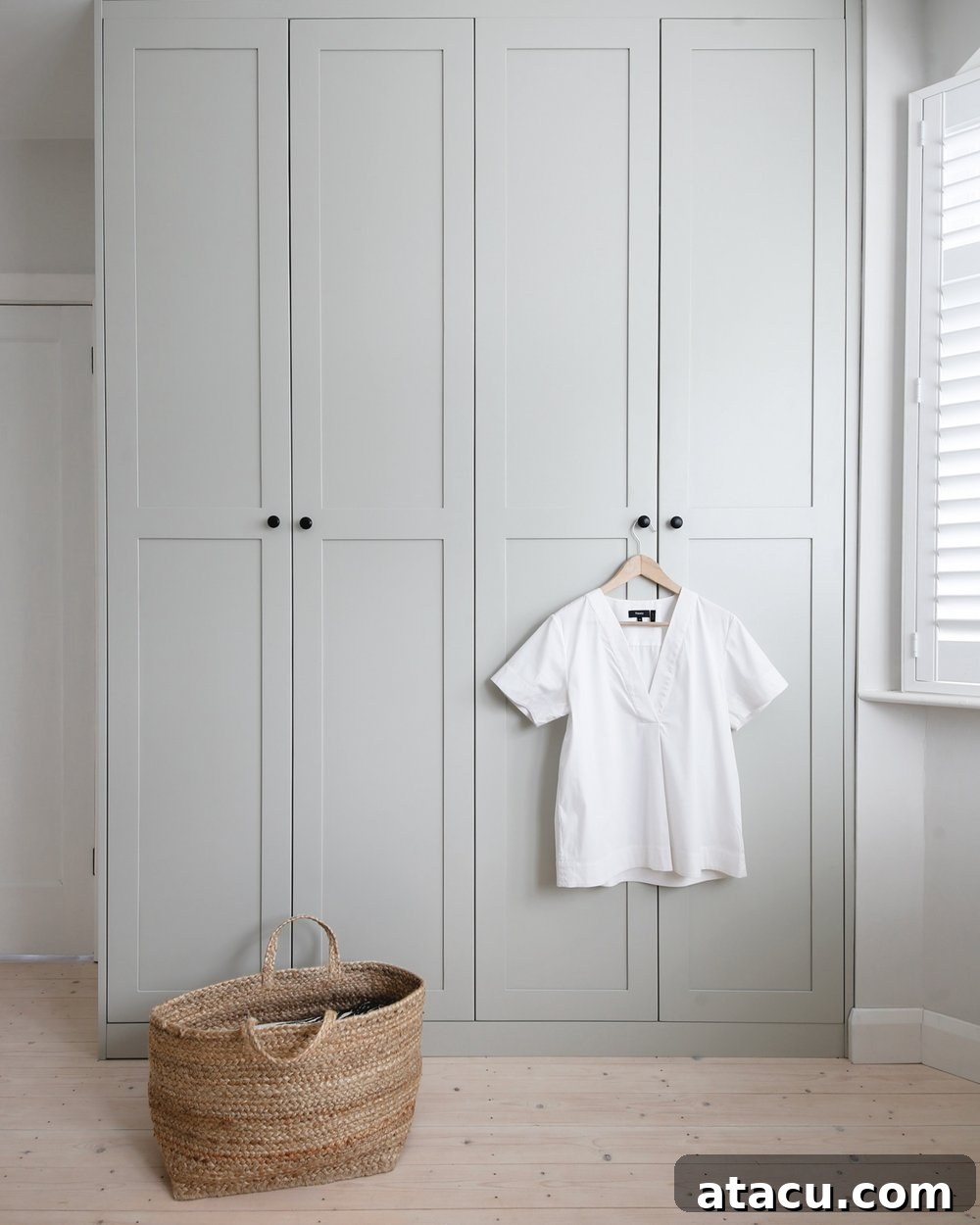
Achieving Precision: The Art and Importance of Accurate Cutting
The success of any project involving sheet materials—be it a custom wardrobe or a simple set of shelves—is intrinsically linked to the precision of your cuts. Poorly cut boards, incorrect dimensions, or rough edges can compromise the structural integrity, aesthetic appeal, and overall quality of your finished product. Even the finest materials can look amateurish if not cut with accuracy. Investing in precise cuts from the outset prevents costly mistakes, reduces material waste, and ensures a professional finish.
For many DIY enthusiasts and professionals alike, achieving consistently perfect cuts can be challenging without specialized equipment. This is where professional cutting services become invaluable. Online services like cuttosize.co.uk simplify this crucial step significantly. By allowing you to choose your desired sheet material, specify exact dimensions down to the millimeter, and even include specific edge banding requirements, these services provide a hassle-free solution. You receive pre-cut panels delivered directly to your doorstep, perfectly sized and ready for assembly. This not only saves considerable time and effort but also minimizes potential errors and ensures a clean, professional edge, empowering both novice and experienced DIYers to achieve superior results.
Matching Materials to Applications: A Room-by-Room Guide
The ideal sheet material often varies greatly depending on the specific room or purpose of your project. Considering factors like moisture exposure, load-bearing requirements, and desired aesthetic is crucial for longevity and performance.
- Kitchen Cabinets: For carcasses, moisture-resistant MDF or melamine-faced chipboard (for inner components) are excellent choices due to their stability and resistance to humidity. For doors and visible panels, veneered MDF or painted MDF offer a wide range of finishes and styles.
- Living Room Shelves: MDF is a great option for painted shelves, offering a smooth finish. For a natural wood look, veneered plywood or hardwood plywood provide superior strength and aesthetics, especially for heavier loads. Ensure adequate support to prevent sagging.
- Bathroom Vanity Units: Given the high humidity, moisture-resistant MDF or marine-grade plywood are essential. These materials are designed to withstand damp conditions without swelling or deteriorating, ensuring the longevity of your vanity.
- Wardrobes and Closet Interiors: Melamine-faced chipboard is ideal for internal shelving and partitions due to its cost-effectiveness, smooth surface, and ease of cleaning. For wardrobe doors, veneered MDF or standard MDF (for painting) offer diverse design possibilities.
- Wall Panelling: MDF is popular for painted wall panels, offering a consistent surface. Plywood, especially with attractive veneers, can be used for a more rustic or natural wood aesthetic, bringing warmth and character to a room.
- Subflooring: OSB (rated for flooring) or structural plywood are the standard choices, offering the necessary strength and stability to support floor finishes and foot traffic.
- Outdoor Furniture/Sheds: Marine-grade plywood or specially treated exterior-grade OSB are recommended for projects exposed to the elements, providing resistance against moisture and rot.
- Worktops and Countertops: Moisture-resistant MDF or chipboard can serve as an excellent core for laminate or veneered countertops, provided the surface is properly sealed and protected.
Embracing Sustainability: Eco-Friendly Material Choices
In an era of increasing environmental consciousness, the ecological impact of our material choices is more important than ever. Opting for sustainably sourced sheet materials contributes positively to responsible forestry and reduced carbon footprints. When selecting boards, look for certifications that guarantee environmental accountability.
The most widely recognized certification is from the Forest Stewardship Council (FSC). FSC-certified products ensure that the wood used comes from responsibly managed forests, promoting ecological balance, biodiversity, and ethical labor practices. Many MDF, plywood, and chipboard products are now available with FSC certification.
Furthermore, engineered wood products like MDF and chipboard often utilize wood waste and by-products from other timber processing operations, making them inherently more sustainable than solid timber as they maximize resource efficiency. Some manufacturers also offer boards with low-VOC (Volatile Organic Compound) adhesives, reducing indoor air pollution and creating healthier living environments. Prioritizing recycled content and understanding the full lifecycle of the materials you choose can significantly reduce your project’s environmental footprint, allowing you to build responsibly.
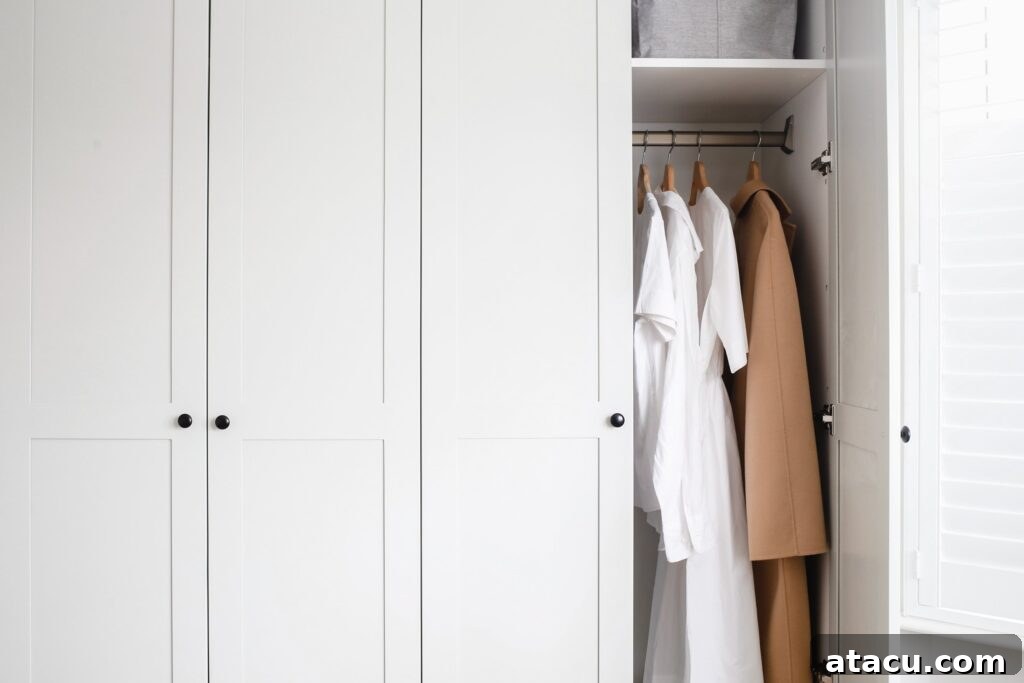
Essential Tips for Working with Sheet Materials
Beyond selecting the right material, proper handling and working techniques are crucial for a successful project:
- Storage: Always store sheet materials flat on a level surface to prevent warping. Protect them from moisture and extreme temperature fluctuations.
- Tools: Use sharp, appropriate saw blades for each material. For MDF and chipboard, fine-tooth blades minimize chipping. For plywood, a general-purpose blade can work, but a specific plywood blade will give cleaner cuts.
- Safety: Always wear appropriate personal protective equipment (PPE), including eye protection, hearing protection, and a dust mask, especially when cutting MDF and chipboard, which produce fine dust.
- Finishing: For materials like MDF, priming before painting is essential for a smooth finish. Plywood edges often benefit from sanding, sealing, or edge banding.
- Fasteners: Use screws specifically designed for engineered wood or pre-drill pilot holes to prevent splitting, particularly with chipboard.
Final Thoughts: Balancing Practicality, Preference, and Precision
The journey of selecting the perfect sheet materials for your home improvement or DIY project is a delicate balance between functionality, budget constraints, and personal aesthetic preferences. While it’s tempting to cut corners to save on costs, compromising on material quality can lead to disappointment and premature deterioration of your project. Conversely, there’s no need to overspend on high-end materials when a more economical option will suffice for the task at hand.
The key lies in making informed decisions based on the specific demands of your project, the environment it will inhabit, and the finish you envision. Rely on trusted suppliers and cutting services, such as cuttosize.co.uk, to ensure you receive quality materials with the precision cuts necessary for a professional outcome. In the intricate world of home design and construction, even seemingly small choices in materials can have a monumental impact. With the right board selected and cut with utmost precision, your DIY vision can transform from a mere idea into a stunning, durable, and lasting reality, ready to be enjoyed for years to come.