
Unveiling Tomorrow’s Kitchen: A Deep Dive into Li Edelkoort’s Vision for Caesarstone Trends
Embarking on a kitchen renovation or simply dreaming of a fresh aesthetic can be an exciting yet daunting journey. For years, I’ve chronicled the ever-evolving world of interior design, yet when it came to making definitive choices for our own home’s extension – with new flooring on the horizon and the pressing need to select kitchen units and work surfaces – I found myself surprisingly overwhelmed. The sheer volume of options, styles, and materials can turn a creative endeavor into a perplexing maze. It was at this perfect juncture that an invaluable resource arrived at my doorstep: a stunning new trends book from the visionary Li Edelkoort, crafted exclusively for Caesarstone. This timely delivery offered not just inspiration, but a clear roadmap through the contemporary landscape of kitchen design.
Li Edelkoort’s profound insights into the future of design are always captivating, and this latest forecast proved no exception. I eagerly immersed myself in the exquisite imagery and compelling narrative within the book. Edelkoort, renowned for her ability to foresee shifts in global aesthetics and consumer behavior, has meticulously explored the intricate connections between material, design, and culinary practices. Her work illuminates how these three pillars dynamically inspire and influence one another, shaping the spaces where we live, eat, and connect. The kitchen, often dubbed the heart of the home, is no longer merely a functional space but a canvas for artistic expression and a reflection of our lifestyle values.
Drawing from Caesarstone’s diverse collection of premium surface finishes, Edelkoort masterfully identifies three pivotal kitchen material trends that are set to define the modern home. These aren’t just fleeting fads; they represent deeper cultural currents and a yearning for authenticity, indulgence, or introspection in our daily lives. Prepare to explore the compelling narratives behind Conceptual Concrete, Marbling Mood, and Dark Rituals – trends that promise to transform kitchens into spaces of unparalleled style and personal meaning.
Conceptual Concrete: Embracing Raw Authenticity in Kitchen Design
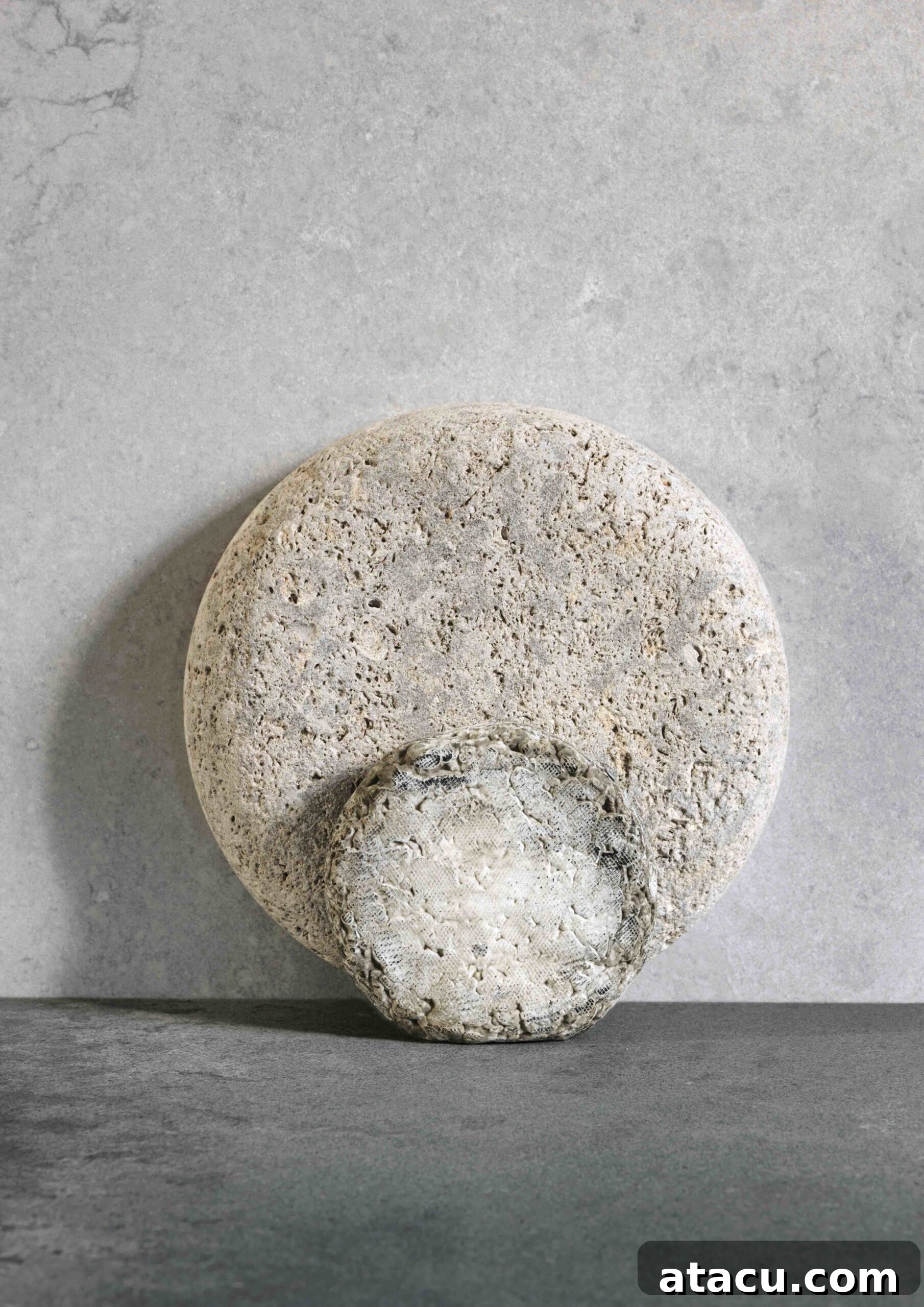
The first trend, Conceptual Concrete, celebrates the intrinsic beauty of robust, unrefined materials and the genuine textures that emerge from industrial manufacturing processes. This aesthetic draws inspiration from the raw, honest appeal of elements like rusted metals, cool cement floors, and exposed structural pipes. It’s a design philosophy that champions the unfinished, the imperfect, and the structurally expressive. Rather than concealing, this trend highlights the very bones of a space, bringing an urban, minimalist, yet surprisingly inviting character to the kitchen.
Li Edelkoort insightfully notes that these rugged, industrial materials possess a unique psychological effect: they are “comforting, appeasing, and make us feel safe.” In an increasingly digitized and transient world, there’s a primal comfort in the solidity and permanence of concrete, metal, and stone. They anchor us, providing a sense of groundedness and stability. This trend isn’t about stark, cold brutalism; it’s about a softer, more integrated industrial chic that finds warmth in cool tones and sophisticated ruggedness.
This materiality extends beyond surfaces and into the culinary world. Edelkoort cleverly draws parallels between the “cementing” of materials and the increasing craftsmanship found in food preparation. Ingredients are meticulously chiselled, artfully pummelled, delicately mashed, or expertly blended into complex pastes and textures. Think of artisanal bread with its robust crust, rustic pâtés, or innovative vegetable purees that celebrate the raw integrity of their components. This new level of intentionality and hands-on engagement in cooking serves as a powerful antidote to the alienation and fatigue we often experience from our technology-saturated daily lives. The kitchen becomes a sanctuary where tactile experiences and authentic creation take precedence, mirroring the tactile nature of its concrete and metal surfaces.
To integrate the Conceptual Concrete trend into your kitchen, consider matte grey Caesarstone worktops that mimic the look of poured concrete, perhaps paired with sleek stainless steel appliances or industrial-style pendant lighting. Exposed brick feature walls or even micro-cement finishes can add depth and character. The key is to balance these raw elements with touches of warmth – perhaps natural wood accents, soft textiles, or vibrant green plants – to ensure the space feels inviting and lived-in, rather than cold or austere. This trend appeals to those who appreciate understated elegance, durability, and a connection to honest, fundamental design principles.
Marbling Mood: The Enduring Allure of Luxurious Veins
For those who have already embraced or are contemplating the timeless elegance of marble kitchen worktops, the Marbling Mood trend brings reassuring news: marble, in all its sophisticated glory, is not only here to stay but continues to evolve as a cornerstone of refined kitchen design. Its enduring appeal lies in its inherent luxury and the unique artistry of its natural veining, making each slab a singular masterpiece.
Edelkoort eloquently explains the resurgence of this opulent aesthetic: “In difficult times, an indulgent way of life tends to entice society, helping people to forget and escape in a moment of bliss.” This statement perfectly captures the essence of the Marbling Mood. As individuals navigate complex modern lives, there’s a natural inclination to create sanctuaries of beauty and comfort within our homes. The desire for adorning, a quest for decoration, and an urge for embellishing are resonating deeply across creative industries, inspiring designers to infuse spaces with more emotion. Marble, with its classical grandeur and sophisticated organic motifs, offers a tangible escape, transforming everyday kitchens into realms of serene beauty and quiet luxury.
The trend extends beyond traditional white Carrara marble, encompassing a spectrum of hues and dramatic veining patterns available in natural stone or high-quality quartz surfaces like Caesarstone. From subtle, ethereal wisps to bold, contrasting streaks, the “marbling mood” embraces diverse expressions of this elegant pattern. These veined surfaces inspire a stylish image, evoking a sense of heritage and refined taste that transcends passing fads. The beauty lies in their natural imperfections and the narrative they tell – each swirl and line a testament to nature’s artistry.
This trend finds delightful echoes in the culinary arts as well. Imagine veined patterns in food, created using natural dyes such as tea or soy, beautifully mimicking the intricate appearance of solid marble work surfaces. The presentation becomes as important as the taste, elevating a simple meal into an aesthetic experience. The delicate, swirled beauty of marbled meringues, like those crafted by The Meringue Girls, exemplifies this connection, turning a sweet treat into a miniature work of art that resonates with the sophisticated patterns of a marble countertop. The Marbling Mood invites us to savour life’s beautiful details, appreciating both the visual and gastronomic indulgence.
Above – eggs with veined patterns created using natural dyes such as tea or soy echo the appearance of solid marble work surfaces.
Above – marbled meringues by The Meringue Girls
Dark Rituals: Crafting a Dramatic and Introspective Culinary Space
The third trend, Dark Rituals, marks a distinct shift away from the once-dominant ideal of the clinical, all-white kitchen. This captivating aesthetic draws profound inspiration from recent culinary movements that emphasize primal rituals, such as foraging for wild ingredients, embracing fermentation, and practicing a general downscaling of what appears on our plates. It aligns with a more sober, essentialist lifestyle, valuing depth, authenticity, and a return to fundamental practices.
In the Dark Rituals kitchen, the space itself transforms into a dramatic and introspective setting, fostering creativity and a heightened sense of sensory experience. This is achieved through the deliberate incorporation of darker, richer materials. Envision the sophisticated elegance of black quartz worktops from Caesarstone, the robust charm of cast iron cookware, the earthy texture of black clay pots, and deeply hued wooden elements. Matte finishes dominate, absorbing light and contributing to an intimate, enveloping atmosphere. Here, lighting plays a crucial role, often subtle and directed, highlighting textures and creating pockets of warmth within the dramatic expanse.
The culinary expression within this trend is equally compelling. Food is not just prepared but presented in blackened or charred shades, celebrating the transformative power of heat and natural processes. Ingredients might be tinted with the striking depth of squid ink, or naturally darkened through roasting, grilling, or fermentation. This isn’t about burning food, but rather about consciously exploring the rich spectrum of dark tones that emerge from traditional cooking methods and natural ingredients. Examples abound, from artisanal black bread made from vegetable carbon, offering both a distinctive color and flavor, to elegantly blackened walnuts served on minimalist art objects, such as those by Marga Kirbis, showcasing a profound respect for ingredient and presentation.
The Dark Rituals kitchen appeals to those who seek a sense of grounding and contemplation in their cooking and dining experiences. It’s a space designed for slow living, for the meditative process of preparing food, and for intimate gatherings. Integrating this trend might involve dark cabinetry, perhaps in deep charcoal or midnight blue, contrasting with natural wood floors or even a sleek black splashback. The overall effect is one of refined drama, understated luxury, and a deep connection to the elemental aspects of food and environment. It encourages us to engage with our senses, appreciate the natural world, and embrace the comforting darkness.
Above left – black bread made from vegetable carbon. Above right – blackened walnuts served on an art object by Marga Kirbis.
Your Kitchen, Your Narrative: Shaping Future Culinary Spaces
These three distinct stylistic palettes, meticulously articulated by Li Edelkoort for Caesarstone, offer more than just aesthetic guidance; they provide a profound visual representation of how food has transcended its mere nutritional purpose to become a vibrant new design discipline. This evolution, in turn, is directly influencing and enriching the design of our kitchens, transforming them from purely utilitarian areas into curated spaces that reflect our deepest values and aspirations. It’s a compelling reminder that the choices we make for our home environments are deeply intertwined with the way we live and interact with the world.
The kitchen is no longer a static backdrop but a dynamic stage for life’s most cherished moments – from daily meals to festive celebrations, from quiet contemplation to bustling creativity. Understanding these overarching trends allows us to make more informed and inspired decisions, creating spaces that are not only beautiful but also deeply functional and personally resonant. Whether you’re drawn to the grounding simplicity of raw materials, the timeless allure of luxury, or the intriguing depth of dramatic dark tones, Caesarstone provides the versatile and durable surfaces to bring these visions to life.
As you envision your next kitchen, consider the narratives these trends embody. Are you ready to embrace the sophisticated drama with dark, moody surfaces, creating an intimate and contemplative culinary haven? Do you find solace and strength in the raw, honest brutalism of concrete, preferring an authentic, industrial-inspired space? Or perhaps you lean towards the enduring, classical elegance of white marble, seeking a bright, opulent, and refined environment? Each choice speaks volumes about your personal style and how you wish to experience the heart of your home. Ultimately, the best kitchen design is one that truly reflects you, enhancing both your daily life and your long-term joy.
All images courtesy of Caesarstone.