
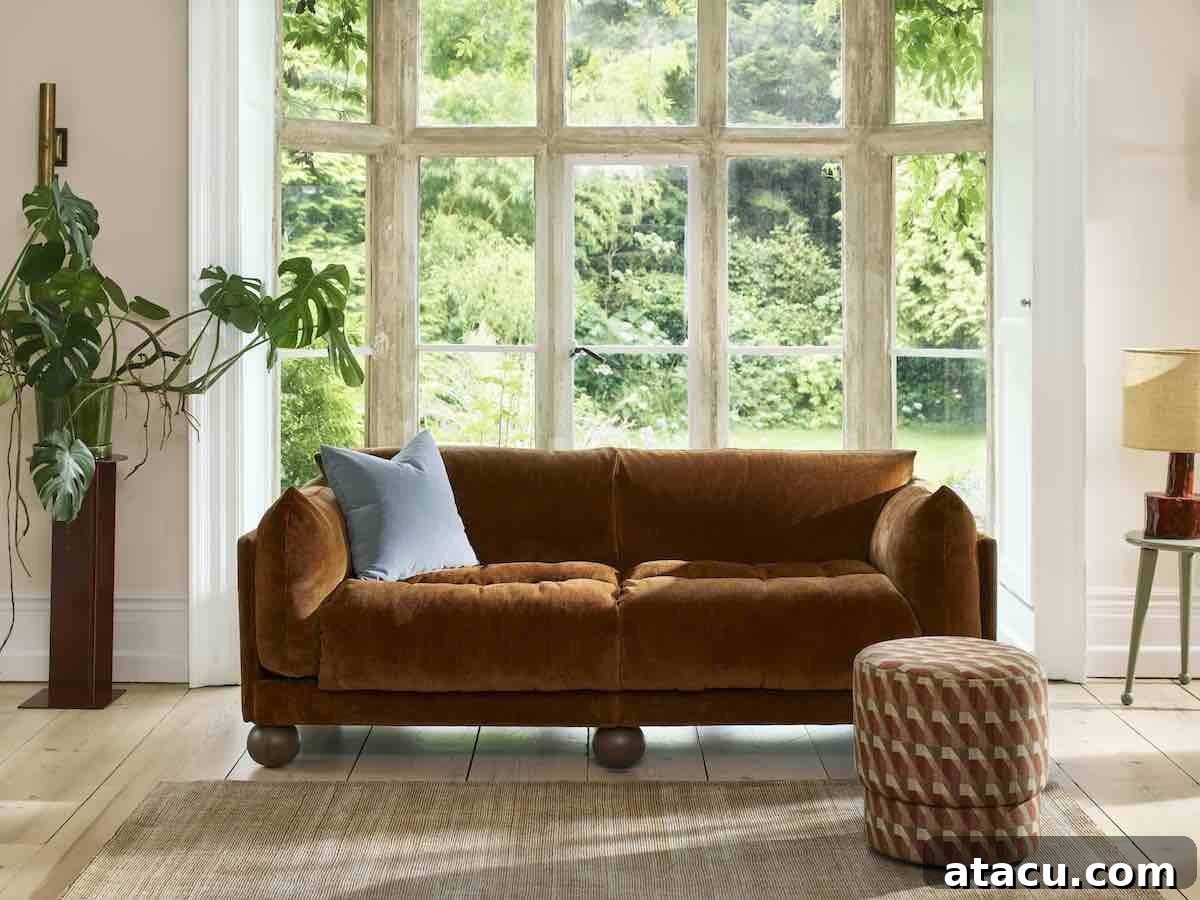
In a world relentlessly vying for our attention, where every corner seems to demand a visual input, the most profound statement in design often lies in the art of restraint. Discover the transformative power of strategic emptiness, a design philosophy that not only makes your rooms feel more expansive and luxurious but also infinitely more serene and harmonious. Because, when it comes to crafting truly exceptional interiors, what you thoughtfully choose to omit is just as impactful, if not more so, than what you decide to include.
This comprehensive guide delves into the essence of negative space in interior design, unraveling its principles, practical applications, and profound psychological benefits. Prepare to redefine your understanding of ’empty’ and unlock the secrets to creating spaces that breathe, inspire, and soothe.
Understanding Negative Space in Interior Design
Negative space, often misunderstood as mere emptiness, is in fact a highly intentional and critical element in successful interior design. It refers to the areas surrounding and between objects, furniture, and architectural features within a room. Far from being an accidental void, negative space is the purposeful ‘breathing room’ that gives definition, balance, and visual clarity to your living environment. Think of it as the silent pauses between musical notes; without these crucial intervals, the melody would dissolve into an undifferentiated noise. In the context of interior design, negative space ensures that your carefully selected pieces are not just seen, but truly appreciated.
Just as it functions in art, photography, and graphic design, negative space in interiors provides the eye with a much-needed place to rest. It acts as a visual counterpoint, allowing positive elements (furniture, artwork, decor) to stand out and communicate their aesthetic value without competition. This deliberate use of unoccupied area is fundamental to creating sophisticated, uncluttered, and aesthetically pleasing spaces that promote a sense of calm and order.
The Crucial Importance of Negative Space in Interior Design
The significance of negative space in interior design extends far beyond simple aesthetics; it plays a pivotal role in the overall functionality, perception, and emotional resonance of a room. Its importance can be understood through several key functions:
Firstly, it creates essential visual breathing room, preventing spaces from feeling overwhelmed, chaotic, or cramped. In an age where many homes are shrinking, the strategic application of negative space can make a small room feel significantly larger and more open than its actual square footage suggests. This illusion of spaciousness is achieved by allowing lines of sight to remain unobstructed and by providing visual pathways for the eye to follow.
Secondly, negative space elevates your chosen design elements. When furniture and decor are given ample room, they transform from mere objects into focal points, drawing attention to their form, texture, and color. Instead of vying for attention in a cluttered environment, each piece can shine, contributing meaningfully to the room’s narrative and aesthetic. This intentional isolation emphasizes the beauty and uniqueness of individual items, making your design choices more impactful.
Moreover, well-planned negative space promotes better flow and movement throughout your home. Clear pathways and uncluttered zones make a space feel more inviting and easier to navigate, enhancing both comfort and functionality. This sense of effortless movement contributes to a harmonious and stress-free living experience.
Beyond the visual, negative space has profound psychological benefits. It fosters a calm, uncluttered environment that actively supports mental well-being, reduces stress, and improves focus. In a world saturated with information and stimuli, a home that incorporates thoughtful negative space offers a sanctuary for the mind, allowing for relaxation, reflection, and creative thought. It provides a visual quietness that translates into mental peace, a priceless commodity in our busy lives.
Mastering Negative Space: Practical Approaches in Interior Design
Incorporating negative space into your home doesn’t require drastic renovations; it’s a mindful process of editing and intentional placement. Here are key strategies to effectively work with this powerful design principle:
1. Begin with Subtraction: The Art of Editing
The most direct route to creating negative space is through subtraction. Step into a room and consciously remove items—a piece of furniture, some wall decor, a small rug, or even a stack of magazines. Don’t be afraid to be ruthless; sometimes, you need to remove more than you initially think. After a short while, observe the room with fresh eyes. Often, what remains gains remarkable clarity, presence, and impact. This process helps you identify true essentials and eliminate visual noise, allowing your cherished items to truly stand out and the inherent beauty of your space to emerge.
2. Allow Furniture to Breathe
Resist the urge to push all furniture against the walls. Giving your key pieces, such as sofas, armchairs, or dining tables, a little breathing room on all sides instantly elevates their presence and makes the entire space feel more open and less confined. This ‘floating’ arrangement helps define each piece as a distinct entity, creating pockets of negative space around them. For instance, leaving at least 18-24 inches around a coffee table from the sofa allows for comfortable movement and visual separation. This strategic spacing also enhances flow and provides crucial visual breaks within the room’s composition.
3. Embrace the Beauty of Blank Walls
Not every wall surface needs to be adorned with art, shelving, or photographs. A bare stretch of wall is a powerful element of negative space, offering a serene visual pause that frames the room and allows the eye to rest. Rather than feeling unfinished, a strategically empty wall can act as a calm backdrop, amplifying the impact of a single statement piece on an adjacent wall, or simply contributing to an overall sense of tranquility and spaciousness. It’s about understanding that ’empty’ can be just as decorative as ‘filled’, especially when aiming for a sophisticated and serene aesthetic.
4. Leverage Contrast for Maximum Impact
Negative space doesn’t exist in a vacuum; its power is amplified through contrast. By juxtaposing a singular, bold focal point against an expanse of clean, uncluttered space, you dramatically enhance its visual weight and significance. Imagine a sculptural armchair placed in an otherwise quiet corner—it transforms from a mere seat into a piece of art. Similarly, a minimalist pendant light above an unadorned dining table becomes a dramatic centerpiece. The emptiness around these elements allows their form, texture, and light to truly resonate, drawing the viewer’s eye directly to them without distraction.
5. Prioritize Function Over Excessive Form
When designing a space, always ask yourself: “What is the primary function of this area?” The answer should guide your choices regarding furniture and decor. A reading nook, for instance, primarily requires comfort, good lighting, and quiet—not layers of decorative accessories. By focusing on the essential elements that support the intended function, you naturally eliminate unnecessary items, thereby creating more purposeful negative space. This functional approach ensures that every item in the room serves a purpose, whether aesthetic or practical, and contributes to an overall sense of considered design.
Implementing Negative Space Across Different Rooms
The application of negative space varies subtly depending on the room’s purpose and existing architecture. Here’s how to integrate it effectively in key areas of your home:
Living Room Negative Space
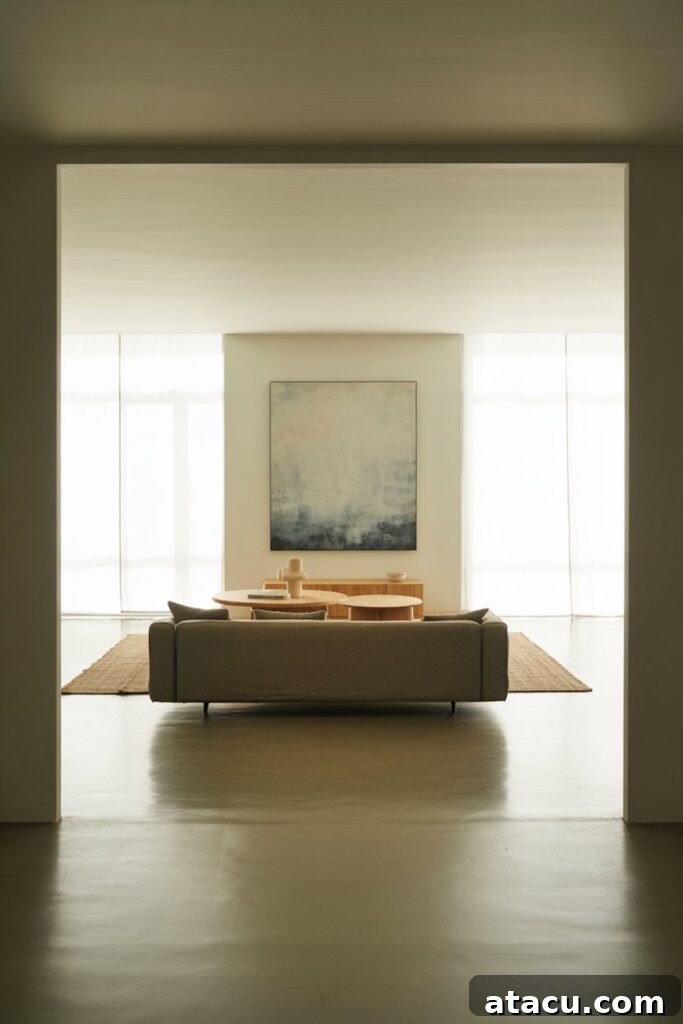
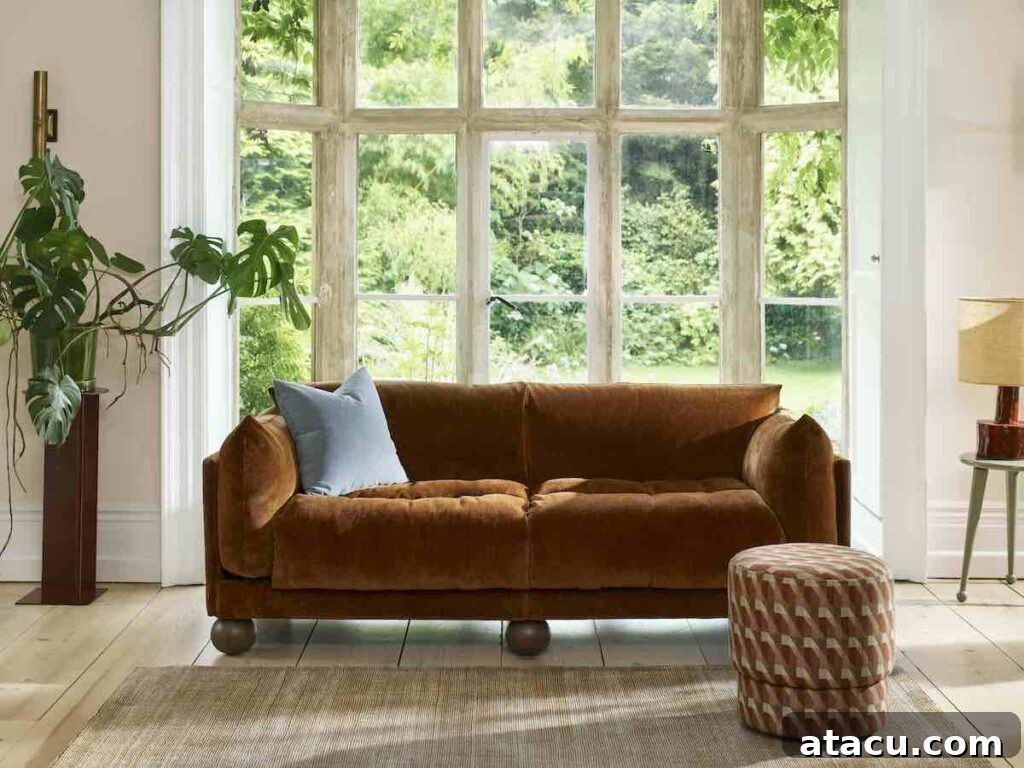
The living room, often the most used and communal space, greatly benefits from thoughtful negative space. Begin by “floating” your main seating arrangements—sofas and armchairs—away from the walls, even by just a few inches. This creates crucial breathing room around them, defining their presence and making the room feel more expansive. Ensure there’s at least 18-24 inches of clear space between your coffee table and sofa for comfortable movement and a sense of openness. Resist the urge to fill every corner with accent furniture or floor lamps; instead, allow some corners to remain visually light. For wall decor, consider a single, impactful statement piece of art on your main wall rather than a crowded gallery wall. The empty space surrounding this artwork will enhance its visual power, making it a true focal point and lending an air of sophistication to the room.
Bedroom Negative Space
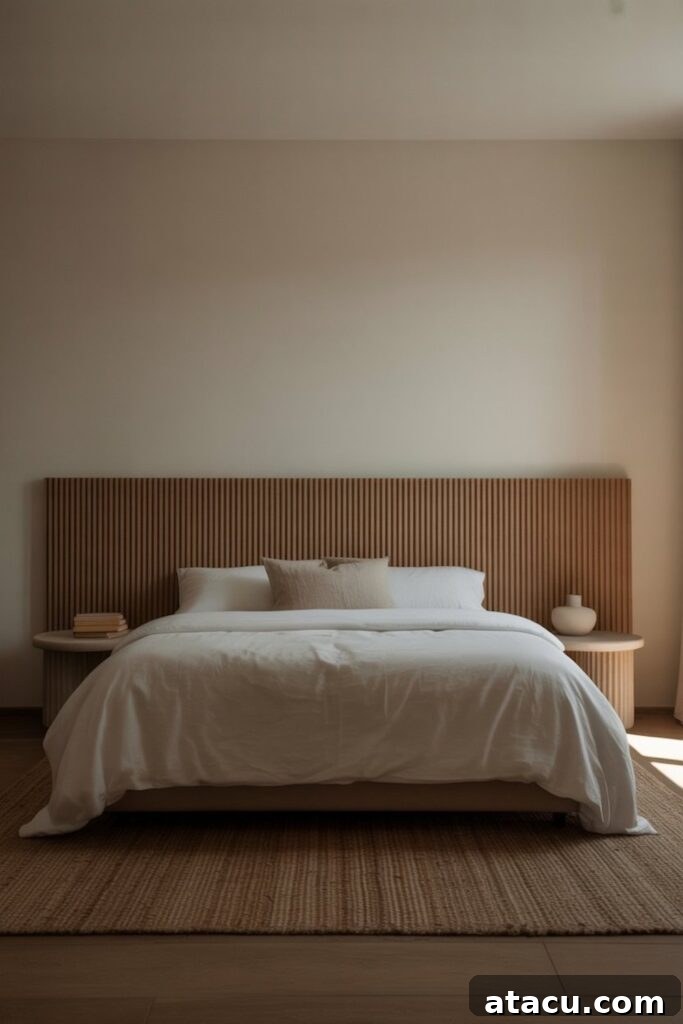
Bedrooms are sanctuaries, and negative space is essential for creating a tranquil retreat. Keep bedside tables minimal, displaying only one or two carefully chosen items like a lamp and a book. Clutter on these surfaces can quickly disrupt the serene atmosphere. Ensure generous space around your bed on at least three sides, allowing for easy movement and a sense of airiness. Avoid filling every wall with artwork or mirrors; instead, let some walls remain bare to provide visual rest. A single, dramatic headboard against an otherwise empty wall can create far more impact and a stronger focal point than multiple competing decorative elements, fostering a deeper sense of calm and understated luxury.
Kitchen and Dining Room Negative Space
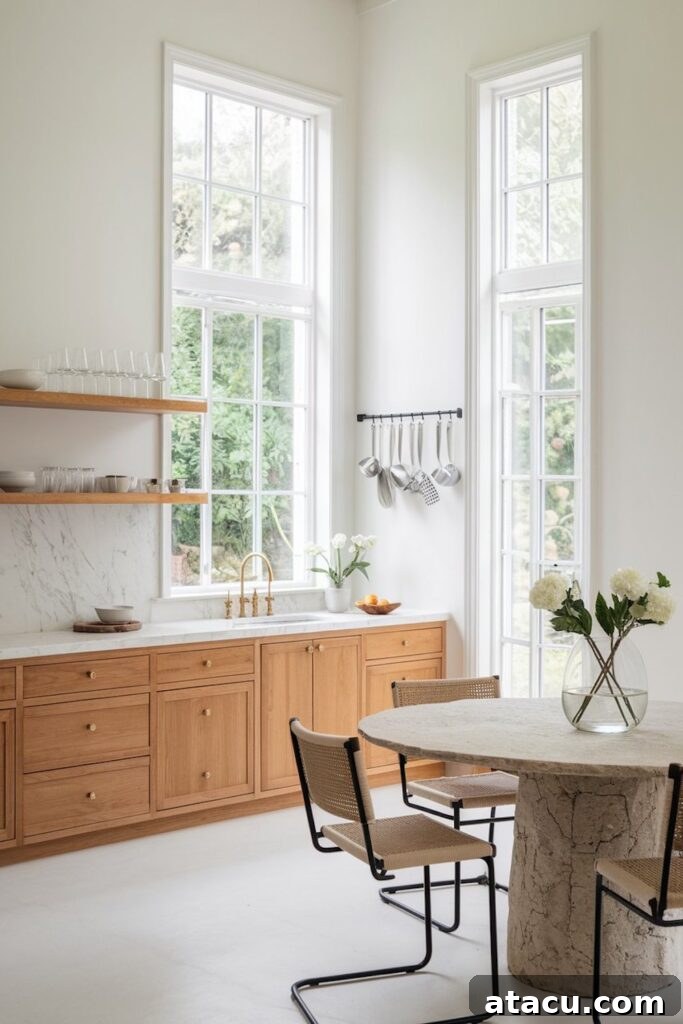
In kitchens, embracing clean countertops is paramount. Store small appliances in cupboards when not in use, allowing large expanses of empty surface to create a sense of order and cleanliness. This not only enhances visual negative space but also improves functionality and hygiene. In dining rooms, ensure your dining table has ample space around it—ideally at least 36 inches on all sides for comfortable seating and movement. This prevents a cramped feeling and allows guests to move around freely. For lighting, consider a single, striking statement light fixture above the table rather than multiple pendant lights, which can sometimes create visual clutter and detract from the dining experience.
Bathroom Negative Space
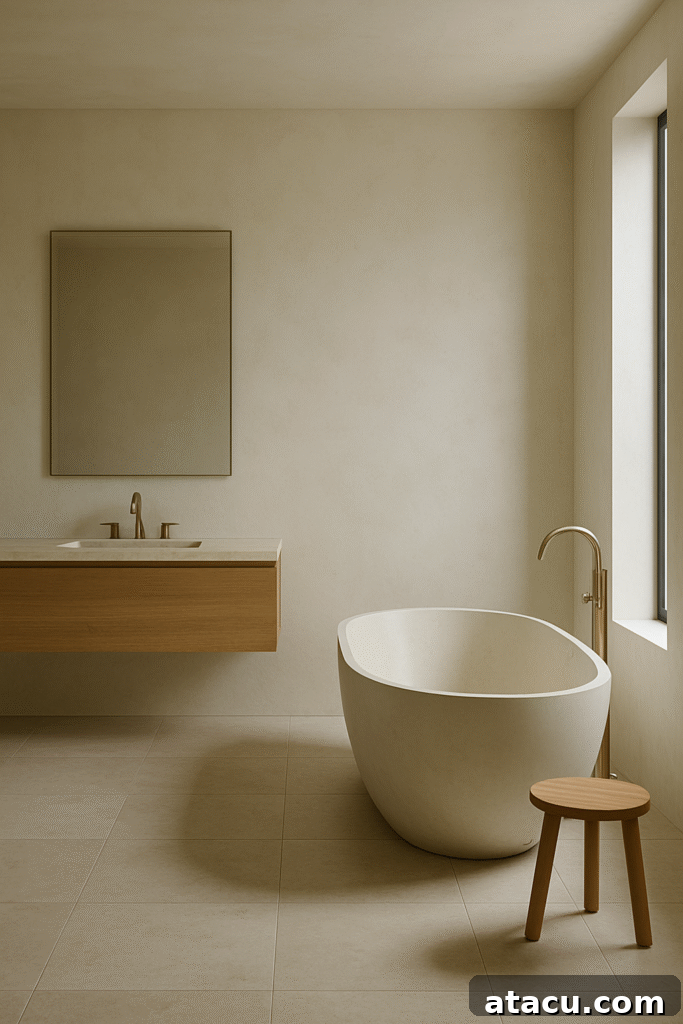
Bathrooms, often smaller spaces, benefit immensely from the strategic application of negative space. Keep vanity surfaces as minimal as possible, storing toiletries and cosmetics out of sight in drawers or cabinets. Leave generous space around your mirror rather than surrounding it with sconces, shelves, and numerous accessories. This creates a cleaner, more spa-like aesthetic. If your bathroom accommodates a freestanding bath, positioning it away from walls where possible will give it breathing room, transforming it into a luxurious focal point rather than just a fixture. The overall effect is a serene and uncluttered environment that promotes relaxation.
10 Actionable Ways to Incorporate Negative Space for a Refined Home
- Declutter Ruthlessly: Adopt a minimalist mindset by actively removing 30% more items than you initially consider necessary. This rigorous editing process allows your remaining, carefully curated pieces to have maximum impact and ensures the spacious environment you’re creating truly shines. Consider the “one in, one out” rule for new purchases.
- Choose Furniture with Legs: Opt for furniture pieces that are raised off the floor on visible legs. This design choice allows light and sight lines to flow underneath, creating an illusion of more open space and adding a visual lightness that prevents rooms from feeling heavy or cramped.
- Embrace Single Statement Pieces: Instead of scattering multiple small artworks or decorative objects, invest in one large, commanding piece that can stand alone against an expanse of empty wall. This creates a powerful focal point and avoids visual fragmentation.
- Create Clear Pathways: Design your furniture layout to ensure unobstructed circulation routes throughout your rooms. The ability to move easily and freely without navigating around obstacles is a fundamental form of negative space that enhances both comfort and functionality.
- Use Mirrors Strategically: A single, large mirror placed on a wall can effectively double your visual space by reflecting light and views, making a room feel significantly larger and brighter without adding clutter. Ensure the reflection itself is appealing, showcasing more negative space.
- Leave Some Walls Completely Bare: Intentionally designate certain walls to remain completely undecorated. These empty surfaces provide crucial visual rest, allowing the eye to relax and making any decorative elements on adjacent walls appear more deliberate and impactful.
- Minimize Surface Clutter: Practice strict editing on flat surfaces like coffee tables, side tables, bookshelves, and countertops. Display only your most treasured or functional items, giving each piece ample negative space around it to emphasize its beauty and prevent visual chaos.
- Choose Low-Profile Furniture: Incorporating furniture with a lower height creates more visual space above them, drawing the eye upwards. This clever trick can make ceilings appear higher and rooms feel more expansive and open, contributing to an airy atmosphere.
- Group Items in Odd Numbers: When you do choose to display decorative objects, arrange them in groups of three or five. This aesthetic principle creates more dynamic and visually interesting compositions, especially when combined with generous negative space between each grouped item.
- Invest in Built-in Storage: Custom-designed built-in storage solutions, such as fitted wardrobes or shelving units, are invaluable. They eliminate the need for multiple freestanding furniture pieces, freeing up precious floor space and wall real estate, thereby creating essential negative space for a sleek, uncluttered look.
The Profound Psychological Benefits of Negative Space
Beyond its aesthetic appeal, integrating negative space into your living environment offers a wealth of psychological benefits that significantly contribute to overall well-being. Living in spaces that thoughtfully utilize negative space, alongside other principles of wellness design, fosters a calmer and more grounded state of mind.
Uncluttered environments are scientifically proven to reduce cortisol levels, the body’s primary stress hormone. A visual sense of order translates to a mental sense of order, promoting relaxation and mitigating anxiety. The presence of ample visual breathing room helps improve focus and concentration, making your home a more conducive environment for work, study, or simply quiet contemplation without constant visual distractions. This reduction in sensory input allows the mind to declutter and process information more efficiently.
Furthermore, the spaciousness and openness created by negative space can significantly boost mood and creativity. When a room feels light and unrestricted, it encourages a sense of freedom and possibility. It provides a blank canvas for the mind, fostering innovative thought and a more positive outlook. People often report feeling calmer, more in control, and generally happier in environments that embrace thoughtful negative space.
This psychological breathing room allows your mind to rest, reset, and rejuvenate. In our increasingly busy and overwhelming world, a home designed with intentional negative space serves as a vital antidote, offering a sanctuary where peace and tranquility reign. It’s an investment not just in your home’s beauty, but in your mental and emotional health.
Common Misconceptions and Mistakes When Using Negative Space in Interior Design
While the concept of negative space is powerful, its effective application can be tricky, leading to several common misunderstandings and mistakes. Recognizing these pitfalls is key to mastering this design principle:
The most frequent error is confusing intentional emptiness with neglect or unfinished design. Negative space should always feel purposeful, curated, and part of a cohesive design strategy, not merely barren or sparse. A truly well-designed space with negative space feels inviting and intentional, not cold or unwelcoming. It’s about careful editing, not just removing everything.
Another common mistake is creating too much negative space without sufficient visual anchors or focal points. While decluttering is good, a room still needs enough furniture, art, and decor to feel welcoming, lived-in, and provide a sense of visual interest. The goal is a thoughtful balance between positive and negative elements, not stark minimalism that leaves a room feeling hollow or sterile. Each piece should earn its place and be given the space it deserves.
Many individuals also struggle with scale, leaving tiny, awkward gaps between furniture pieces that feel cramped rather than spacious. True negative space is generous. Small, inconsistent gaps often create visual tension and make a room feel less harmonious. Be bold and allow for larger, more impactful empty zones. A few strategic, larger areas of negative space will have a far greater effect than many small, fragmented gaps.
In our increasingly cluttered and fast-paced world, embracing negative space in interior design offers a profound pathway to calmer, more intentional, and ultimately more beautiful living. It is the secret weapon that transforms merely good rooms into truly great ones, crafting homes that not only delight the eye but also nurture the mind and soul. By understanding and strategically applying this powerful design principle, you can create environments that resonate with peace, sophistication, and a timeless elegance.
Explore more design principles to elevate your home:
- Deepen your understanding of design language with our comprehensive Interiors Glossary – your handy reference guide to the world of interior design.
- Unlock the secrets to visual balance and harmonious compositions by mastering the application of The Rule of Thirds in Interior Design.