
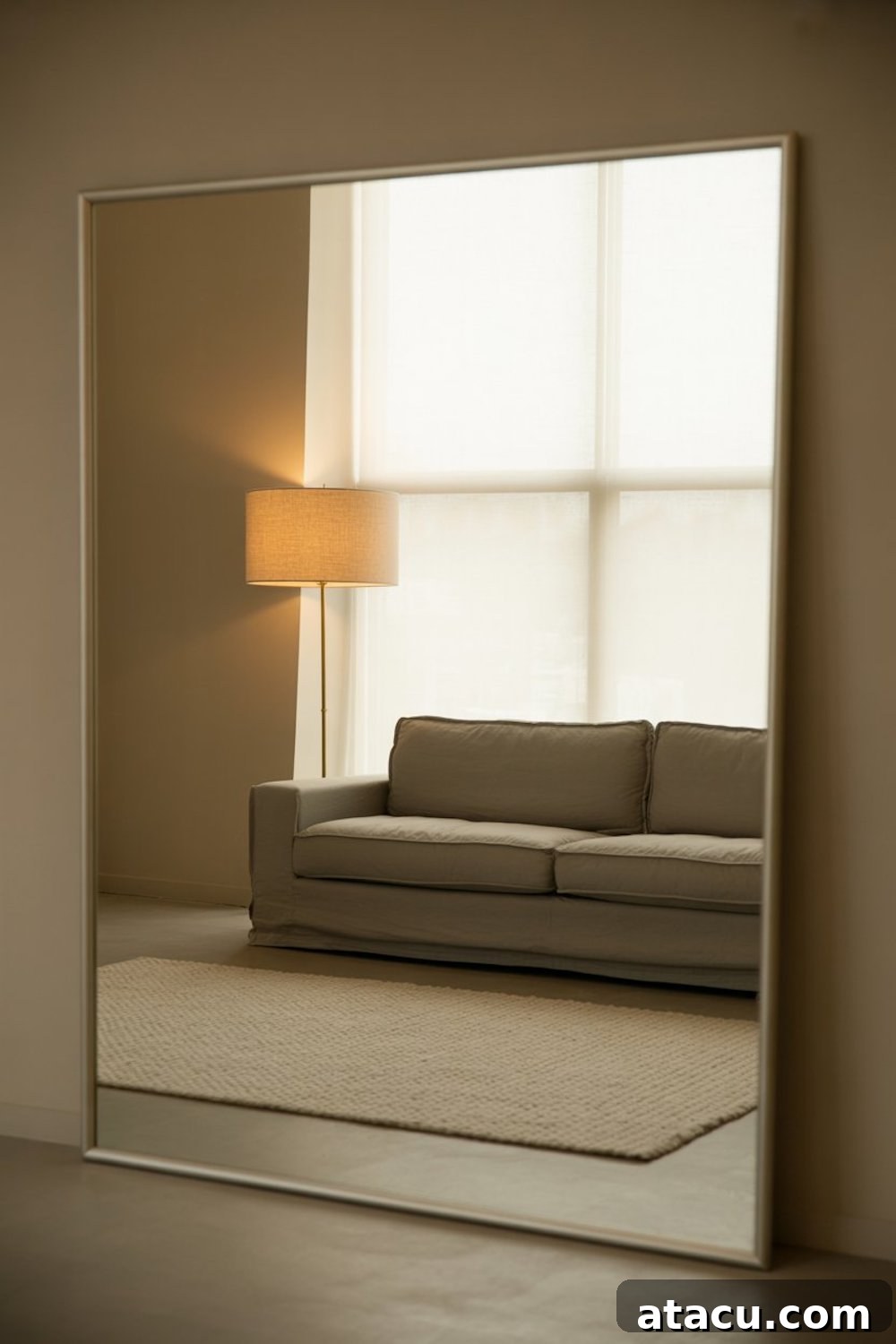
In an increasingly urbanized world where living spaces are becoming more compact and property costs continue their upward trajectory, mastering the art of effective space management within the home is no longer a luxury but a fundamental necessity. The accumulation of belongings, while often a natural part of life, can quickly transform a comfortable abode into a cluttered, overwhelming environment. However, with thoughtful planning and the implementation of clever design solutions, it’s entirely possible to create a home that is both highly functional and impeccably stylish, regardless of its square footage. This comprehensive guide will unveil ten practical, innovative, and aesthetically pleasing space-saving ideas designed to optimize your living space, ensuring every corner serves a purpose without compromising on comfort, beauty, or your personal sense of style.
1. Embrace the Power of Versatile Furniture Choices
One of the cornerstones of successful compact living is the strategic selection of multi-purpose furniture. These adaptable pieces are engineered to perform dual or even triple duty, dramatically enhancing functionality and making the absolute most of every precious square foot. Instead of single-function items, seek out sofa beds or futons that seamlessly transition from comfortable seating to a guest bed, ideal for accommodating visitors without needing an extra room. Storage ottomans are another prime example; they serve as a footrest, additional seating, or a makeshift coffee table, all while discreetly concealing blankets, magazines, or remote controls within. Extendable or drop-leaf dining tables are perfect for smaller kitchens or dining areas, allowing you to expand for family meals and then fold down for daily use, freeing up valuable floor space. Similarly, nesting tables can be pulled out for entertaining and then tucked away neatly when not needed, offering flexible surface areas. Investing in these ingenious furniture solutions means your home can dynamically adapt to various activities and needs throughout the day, ensuring maximum utility and elegant efficiency.
2. Unlock the Potential of Wall-Based Storage Solutions
Often overlooked, the vertical expanse of your walls offers an abundance of untapped storage potential, effectively transforming empty air into valuable real estate. Implementing wall-based storage is a brilliant strategy to free up floor space and maintain an uncluttered aesthetic. Floating shelves, available in a myriad of materials, styles, and finishes, can be artfully arranged to display books, decorative items, indoor plants, or even essential kitchen spices, turning utilitarian storage into a decorative feature. Wall-mounted cabinets provide concealed storage for items you prefer to keep out of sight, such as dinnerware or bathroom toiletries. For workspaces, consider foldable wall-mounted desks that elegantly tuck away when not in use, instantly reclaiming your floor area. Beyond traditional shelving, explore options like pegboards for creative craft storage or tool organization, magnetic strips for kitchen knives to declutter countertops, or even wall-mounted magazine racks. By thinking vertically, you not only maximize storage capacity but also draw the eye upwards, which can visually expand a room and make it feel more airy and spacious.
3. Maximize Under-Bed Storage Options
The space beneath your bed is often one of the most underutilized areas in a home, yet it possesses immense potential for discreet and effective storage. Transforming this hidden zone into a functional storage hub can significantly free up closet and drawer space, especially in smaller bedrooms. The most efficient solutions include beds equipped with built-in drawers or hydraulic lift mechanisms that reveal a vast storage compartment underneath the mattress. If a new bed isn’t an option, clear, sturdy rolling containers are perfect for storing off-season clothing, extra bedding, towels, or footwear, keeping items dust-free and easily accessible. Vacuum-sealed bags are excellent for compressing bulky items like winter coats or duvets before placing them under the bed. Alternatively, decorative boxes or woven baskets can add a touch of style while holding books, accessories, or sentimental keepsakes. By thoughtfully organizing this often-forgotten area, you can maintain a tidy bedroom environment, reduce visual clutter, and create a more serene sleeping sanctuary.
4. Capitalize on Maximising Vertical Space
Beyond traditional wall shelves, truly maximizing vertical space involves a strategic approach to extending storage upwards, reaching towards the ceiling. This technique is particularly impactful in smaller rooms, as it not only enhances storage capacity but also creates a compelling sense of height and openness, tricking the eye into perceiving a larger space. Invest in tall, slender shelving units or floor-to-ceiling bookcases that can accommodate a vast collection of books, media, or decorative items without consuming much floor area. In the kitchen, extend cabinets to the ceiling for lesser-used appliances or seasonal dishware. In wardrobes, utilize the space above hanging rails with stackable bins or additional shelves for folded clothing or luggage. Stackable storage bins or modular drawer units can be configured to fit various heights and needs in pantries, utility closets, or children’s rooms. Remember to use sturdy step stools or small ladders for easy access to higher storage areas. By drawing the eye upwards, you not only gain crucial storage but also contribute to a dynamic, well-proportioned aesthetic that makes any room feel grander.
5. Custom Sliding Wardrobe Doors: A Space-Saving Essential
For bedrooms and living areas with limited space, bespoke sliding wardrobe doors are an absolute game-changer. Unlike traditional hinged doors that require significant clearance to open, sliding doors move horizontally along a track, completely eliminating the need for swing-out space. This design innovation is crucial in tight rooms where every inch counts, allowing you to place furniture closer to your wardrobe without obstructing access. Tailored to fit your exact dimensions and aesthetic preferences, custom sliding doors offer a sleek, streamlined appearance that contributes to a modern and uncluttered interior. Beyond their inherent space-saving advantage, these doors can be customized with various finishes, including mirrored panels (which further enhance room size as discussed in point 8), frosted glass for a softer look, or timber veneers to match existing decor. Inside, a custom wardrobe can be fitted with intelligent storage solutions like pull-out drawers, adjustable shelves, multiple hanging rails, and specialized shoe racks, ensuring every item has its designated place. Sliding wardrobe doors are not just a practical solution; they are an elegant architectural feature that optimizes both functionality and visual appeal in compact living spaces.
6. Harness the Hidden Potential of Door-Mounted Organisers
Doors, often seen merely as entry points, represent a vastly overlooked and underutilized canvas for storage. Transforming the back of any door into a functional organizing hub is an incredibly effective way to reduce floor clutter and keep essentials readily accessible. In bedrooms, over-the-door shoe racks can neatly store multiple pairs of shoes, freeing up closet floor space. In bathrooms, door-mounted pocket organizers are perfect for toiletries, hair styling tools, and cleaning supplies. The pantry door can house spice racks, cleaning product caddies, or even a small cutting board or roll of foil. For entryways, consider installing hooks or multi-tiered racks on the back of the front door for coats, scarves, bags, or umbrellas. Even closet doors can benefit from additional hooks for belts, ties, or hanging jewelry. These discreet yet highly efficient solutions keep everyday items out of sight but within easy reach, making your daily routines smoother and your living areas remarkably tidier.
7. Smart Solutions with Corner Storage Units
Corners are notorious for being awkward and underutilized spaces in many homes, often becoming dead zones or collecting random clutter. However, with thoughtful design, these frequently overlooked areas can be transformed into valuable storage or display opportunities, ensuring that truly every inch of your home is working for you. Implementing corner shelving units, whether freestanding or wall-mounted, can provide ideal spots for books, decorative accents, small plants, or even essential kitchen items. In living rooms, a corner cabinet can house electronics or serve as a mini-bar. In kitchens, specialized corner pantry units with lazy Susans or pull-out shelves maximize accessibility for pots, pans, or food items that might otherwise get lost. Bathrooms can benefit from corner caddies for toiletries or small corner cabinets for towels and cleaning supplies. L-shaped desks are also fantastic for optimizing corner spaces in home offices. By thoughtfully integrating corner storage, you not only reclaim otherwise wasted space but also add visual interest and a sense of completeness to your room’s layout.
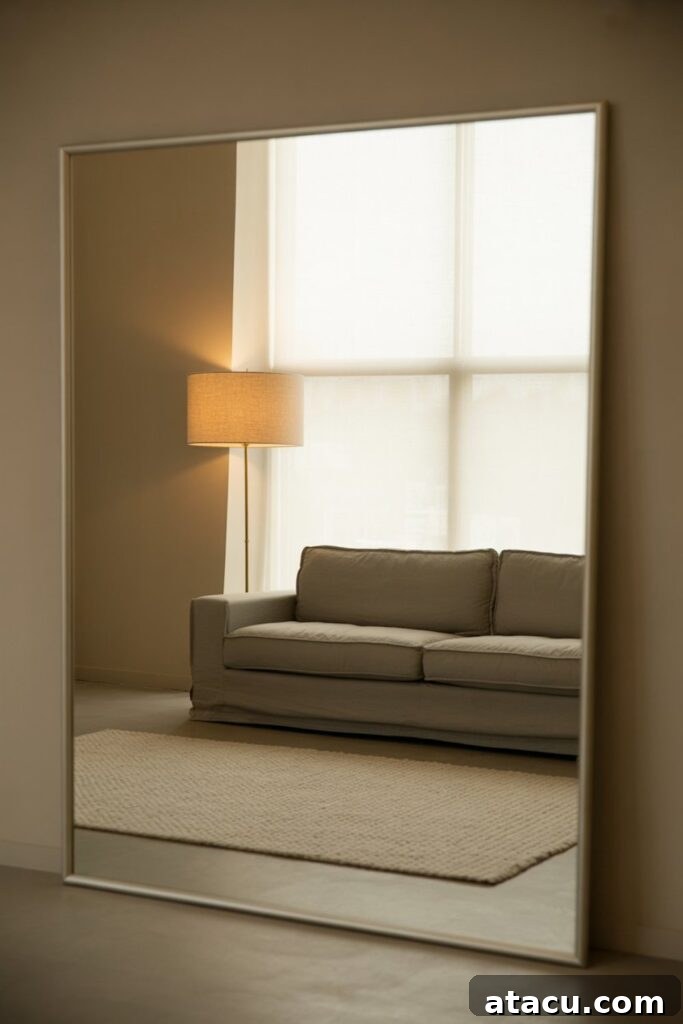
8. Strategically Placed Mirrors to Enhance Space
Mirrors are far more than mere decorative elements; they are powerful tools in interior design, capable of dramatically altering the perception of space within a room. Their primary magic lies in their ability to reflect light, which instantly brightens a room and makes it feel more expansive and airy. By strategically placing large mirrors, particularly opposite windows or light sources, you can effectively double the natural light and create an illusion of greater depth, making a small room feel significantly larger than it actually is. Beyond reflecting light, mirrors can also reflect attractive views, bringing the outdoors in or highlighting a beautiful piece of art or furniture. In narrow hallways, a well-placed full-length mirror can make the passage appear wider. Consider using mirrored furniture, such as a mirrored dresser or coffee table, to add glamour while enhancing the sense of openness. The reflective surface of mirrors helps to blur the boundaries of a room, creating an ethereal and spacious feel, making them an indispensable element in any space-saving design strategy.
9. Implement Routine Decluttering as a Lifestyle
While clever storage solutions are essential, the most effective strategy for maintaining an organized and airy home is regular, routine decluttering. No amount of storage will truly solve the problem if you continuously accumulate more than you need or use. Periodically reviewing your possessions is a critical practice that prevents clutter from accumulating and ensures your living spaces remain functional and aesthetically pleasing. Develop a habit of regularly evaluating items—whether it’s seasonal clothing, old books, kitchen gadgets, or sentimental knick-knacks. Ask yourself: “Do I truly need this? Does it serve a purpose or bring me joy? Have I used it in the last year?” Items that no longer meet these criteria can be donated to charity, recycled responsibly, sold online, or disposed of. Setting aside dedicated time each month or season for a decluttering session can be incredibly effective. Embracing a “one in, one out” philosophy can also prevent new items from causing a new build-up of clutter. This ongoing practice not only frees up valuable physical space but also contributes significantly to a clearer mind and a more peaceful living environment, making maintenance a breeze.
10. Optimize with Efficient Kitchen Storage Strategies
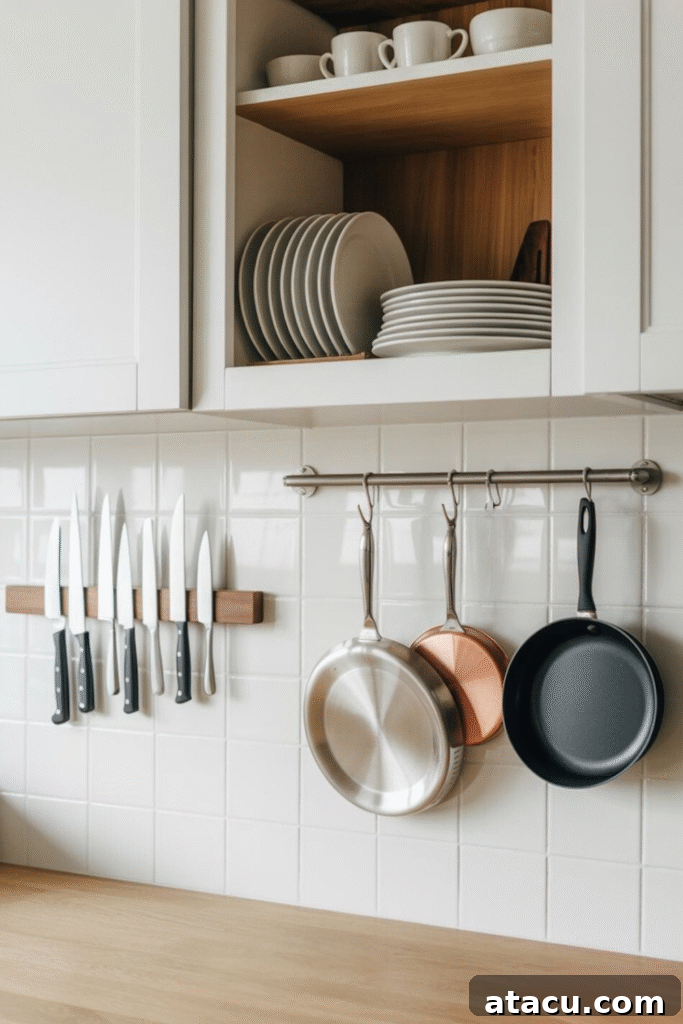
The kitchen, often considered the heart of the home, is also one of the areas most prone to clutter and lack of space, making efficient storage solutions absolutely crucial. Countertop real estate is precious, so the goal is to get as many items off surfaces as possible. Implement pull-out pantry shelves or drawers that allow you to easily access items at the back of cabinets, preventing food waste and maintaining order. Magnetic knife strips mounted on the wall free up drawer space and keep knives safely within reach. Hanging pot racks, either ceiling-mounted or wall-mounted, brilliantly utilize vertical space and free up valuable cabinet room for other essentials. Inside cabinets, tiered shelves or risers can double or triple storage capacity for plates, mugs, or spices. Vertical dividers are excellent for organizing baking sheets, cutting boards, and platters. Under-sink organizers, cabinet door racks, and stackable food storage containers also contribute significantly to a more functional and organized kitchen. By implementing these smart kitchen storage solutions, you ensure every utensil, ingredient, and appliance has its designated place, making cooking and entertaining a more enjoyable and less stressful experience.
By diligently applying these smart, innovative, and practical strategies, you can fundamentally transform and optimize your home’s layout, ensuring it remains not only highly functional and impeccably tidy but also profoundly visually appealing. Space-saving does not, and should not, equate to compromising on style or comfort. On the contrary, with careful planning, creative thinking, and the right tools, both aesthetic beauty and pragmatic efficiency can be achieved effortlessly, allowing you to create a living environment that is truly a sanctuary, perfectly tailored to your needs and preferences, regardless of its size. Embrace these ideas to craft a home that feels larger, lives smarter, and always reflects your unique style.
For more clever ways to maximize space where it matters most, particularly in culinary environments, explore our edit of small kitchen ideas, designed to inspire and guide your next home improvement project.