


Ranunculus: The Enchanting Spring Bloom You’ll Fall in Love With
As the days grow longer and a hint of warmth returns to the air, garden enthusiasts and flower lovers eagerly anticipate the arrival of spring’s most exquisite blooms. Among them, the Ranunculus stands out as a true marvel, captivating hearts with its intricate layers and vibrant hues. Often considered a favourite flower of the season, its delicate beauty and lush appearance make it an unparalleled choice for bouquets, garden beds, and celebratory arrangements. If you haven’t yet discovered the charm of Ranunculus, prepare to be enchanted by this extraordinary member of the buttercup family.
Why Ranunculus Are So Beloved: Their Unique Charm
What is it about Ranunculus that makes them so irresistibly appealing? It’s a combination of their stunning visual characteristics, incredible versatility, and a certain timeless elegance that few other flowers can match. From their tightly packed petals to their rich, diverse color palette, these blooms truly offer a feast for the senses.
The Allure of Layers: A Visual Feast
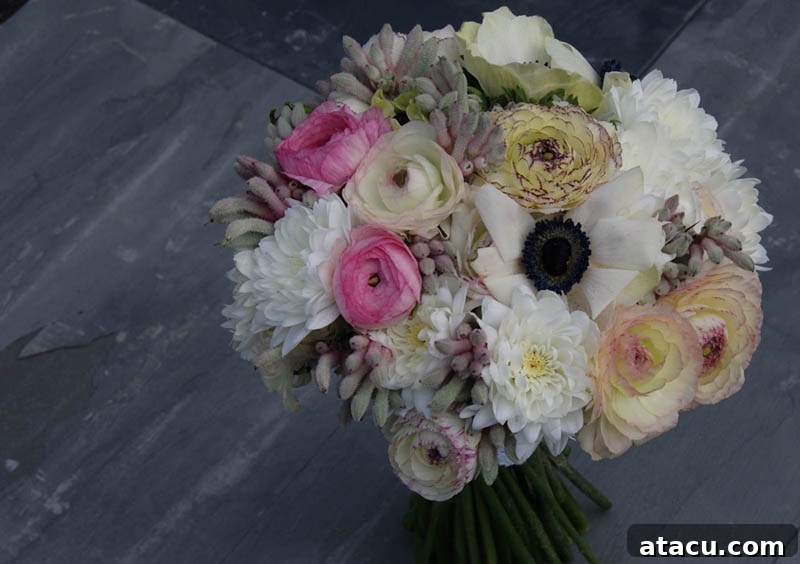
The most striking feature of a Ranunculus is undoubtedly its multitude of delicate, paper-thin petals. These petals are arranged in concentric circles, creating a lush, rose-like form that is both intricate and perfectly symmetrical. Each bloom resembles a miniature work of art, with layers upon layers unfurling gracefully. This dense petal structure gives Ranunculus a wonderfully full and luxurious look, making even a single stem a captivating focal point in any arrangement. It’s this complexity and depth that sets them apart and makes them so desirable for both professional florists and home decorators alike.
A Spectrum of Colors: From Pastels to Vibrants
Beyond their unique structure, Ranunculus boast an astonishing array of colors. You can find them in nearly every shade imaginable, from soft pastels like creamy white, blush pink, and pale yellow to bold and vibrant tones such as fiery orange, deep red, fuchsia, and rich purple. This wide spectrum ensures that Ranunculus can complement any aesthetic, whether you’re aiming for a subtle, romantic feel or a dramatic, cheerful display. Their petals often exhibit a subtle sheen, making their colors appear even more vivid and luminous, especially when bathed in natural light.
Versatility in Design: Bouquets, Gardens, and More
Another reason for their popularity is their remarkable versatility. Ranunculus are equally stunning in a formal wedding bouquet as they are in a casual vase on a kitchen counter. Their sturdy stems and long vase life make them an excellent choice for cut flower arrangements, while their relatively compact growth habit means they thrive beautifully in garden beds, borders, and containers. They add a touch of sophistication and romance wherever they are placed, effortlessly elevating the beauty of their surroundings.
A Deep Dive into Ranunculus Varieties
While there are over 600 species within the Ranunculus genus, the vast majority of the beautiful garden and cut flowers we admire fall under one main classification:
Persian Buttercup (Ranunculus asiaticus)
The most commonly cultivated and recognized type is the Persian Buttercup, or Ranunculus asiaticus. This is the species responsible for the stunning, multi-petaled blooms found in florists and garden centers. Within Ranunculus asiaticus, breeders have developed numerous cultivars, each with unique petal counts, forms, and colorations. Some popular series include:
- Tecolote® Giants: Known for their large, robust blooms and strong stems, available in a wide range of vibrant colors.
- Elegance: Offers a refined collection with excellent vase life and a beautiful, classic form.
- La Belle: Features exquisite, fully double blooms that are particularly popular for cut flower production.
These varieties ensure that gardeners and designers have a wealth of choices when selecting the perfect Ranunculus for their specific needs.
Growing Ranunculus: Tips for a Flourishing Garden
Cultivating Ranunculus can be a rewarding experience, providing a continuous supply of breathtaking blooms. While they may appear delicate, with proper care, these flowers are surprisingly resilient. Here’s what you need to know to grow your own stunning Ranunculus.
Choosing the Right Location and Soil
Ranunculus thrive in full sun, meaning they need at least 6-8 hours of direct sunlight per day. Good drainage is absolutely critical, as their corms (tuberous roots) are prone to rot in waterlogged soil. Opt for a well-draining location with rich, loamy soil. If your soil is heavy clay, amend it generously with organic matter like compost or sand to improve drainage and aeration. A slightly acidic to neutral pH (6.0-7.0) is ideal for optimal growth.
Planting Corms: Timing and Technique
The timing for planting Ranunculus corms depends on your climate. In mild winter areas (USDA Zones 8-10), plant them in the fall for late winter to early spring blooms. In colder regions (Zones 4-7), it’s best to plant them in early spring after the last frost has passed, for late spring to early summer flowering. Before planting, soak the corms in lukewarm water for 3-4 hours (no more than that) to rehydrate them. Plant the corms with their claw-like roots pointing downwards, about 1-2 inches deep and 4-6 inches apart. Lightly cover them with soil.
Watering and Fertilizing: Essential Care
After planting, water thoroughly to settle the soil. Once established, Ranunculus prefer consistently moist soil but not waterlogged conditions. Water regularly, especially during dry spells, ensuring the top inch or two of soil dries out slightly between waterings. Reduce watering as the foliage begins to yellow after flowering. For fertilizing, incorporate a balanced, slow-release granular fertilizer into the soil at planting time, or feed with a liquid fertilizer every 2-4 weeks once growth appears, especially one formulated for flowering plants.
Pest and Disease Management
Ranunculus are generally robust, but like all plants, they can be susceptible to certain issues. Aphids and spider mites might occasionally appear; these can usually be managed with a strong spray of water or an insecticidal soap. The biggest threat is corm rot, which is almost always due to overwatering or poor drainage. Ensure proper soil conditions and avoid overhead watering to minimize fungal diseases like powdery mildew. Good air circulation is also key to preventing disease.
Harvesting and Enjoying Your Blooms
For cut flowers, harvest Ranunculus when the buds feel soft, like a marshmallow, but are not yet fully open. The stems should still be firm. Cut the stems at the base of the plant with sharp pruners, preferably in the early morning. Immediately place them in a vase of fresh water with flower food. With proper care, cut Ranunculus can last 7-10 days, sometimes even longer, allowing you to enjoy their magnificent beauty indoors.
Ranunculus in Floral Design: Crafting Stunning Arrangements
The unique beauty and versatility of Ranunculus make them a star in the world of floral design. Their lush texture and wide color range offer endless possibilities for creative arrangements.
Bridal Bouquets and Wedding Decor
Ranunculus are an incredibly popular choice for weddings, and for good reason. Their romantic, multi-layered appearance makes them a perfect stand-in for roses, often at a more accessible price point. They add volume and elegance to bridal bouquets, centerpieces, boutonnieres, and floral arches. Whether used as a focal flower or as a luxurious filler, they bring a sophisticated charm to any wedding theme, from rustic to modern glam.
Home Decor and Centerpieces
Beyond formal events, Ranunculus are superb for enhancing everyday home decor. A simple bunch in a clear vase can transform a living space, adding a touch of fresh spring elegance. They are excellent for creating seasonal centerpieces, brightening up dining tables, or adding a vibrant splash of color to a bedroom. Their sculptural quality means they look equally stunning whether arranged formally or in a more relaxed, natural style.
Pairing with Other Flowers
Ranunculus pair beautifully with a variety of other spring and early summer flowers. Consider combining them with fragrant garden roses for a truly opulent look, or with delicate sweet peas and tulips for a softer, more whimsical feel. They also complement greenery like eucalyptus or dusty miller, allowing their vibrant colors to truly pop. Their ability to blend seamlessly with different textures and forms makes them a favorite among florists crafting diverse and engaging compositions.
The Symbolism and Meaning Behind Ranunculus
In the language of flowers, Ranunculus carry several beautiful meanings. They are often associated with charm, attractiveness, and radiant charm, suggesting “I am dazzled by your charms” or “You are radiant.” This makes them a perfect gift for someone you admire or want to compliment. Additionally, their vibrant colors can symbolize joy, happiness, and a celebration of life, making them suitable for cheerful occasions and expressions of positive emotions. They embody a sense of exquisite beauty and allure.
Frequently Asked Questions About Ranunculus
When is the best time to plant Ranunculus?
Planting time depends on your climate. In mild climates (USDA Zones 8-10), plant corms in fall for winter/early spring blooms. In colder climates (Zones 4-7), plant in early spring after the last frost for late spring/early summer blooms.
How long do Ranunculus flowers last?
In a vase, cut Ranunculus can last anywhere from 7 to 10 days, sometimes up to two weeks, with proper care (fresh water, flower food, cool location). In the garden, individual blooms typically last about a week, but the plant will produce multiple flowers over several weeks.
Are Ranunculus deer resistant?
Yes, Ranunculus are generally considered deer resistant. Their foliage and corms are not typically appealing to deer, making them a good choice for gardens in areas with wildlife.
Can Ranunculus be grown indoors?
While primarily an outdoor plant, Ranunculus can be grown indoors in containers with enough sunlight (a bright, south-facing window is ideal). Ensure they have good drainage and consistent moisture, and protect them from excessive heat, which can shorten their blooming period.
Embrace the Beauty of Ranunculus
Whether you’re an experienced gardener or simply someone who appreciates natural beauty, Ranunculus are a flower that demands attention and rewards effort. Their stunning appearance, diverse colors, and symbolic meanings make them a true gem of the spring season. From breathtaking bouquets to flourishing garden beds, these charming blooms promise to infuse your world with elegance, joy, and a touch of enchanting allure. Discover the magic of Ranunculus for yourself and let their radiant charm brighten your days.
Photo credits: Lilac & Lily