Thriving Indoors: Top Houseplants That Survive and Beautify Your Home This Winter
Winter brings a unique set of challenges for indoor plants. As the days shorten and natural light dwindles, combined with the dry air from indoor heating, many houseplants struggle to maintain their vibrancy. Understanding these environmental shifts is key to ensuring your green companions not only survive but truly thrive through the colder months. This comprehensive guide will explore the most resilient and beautiful indoor plants perfectly suited to navigate winter’s harsh conditions, requiring minimal fuss while still adding life and warmth to your home.
The transition from autumn to winter often means significantly reduced sunlight, which is arguably the biggest hurdle for indoor plants. Shorter days, increased cloud cover, and the lower angle of the sun drastically limit the photons available for photosynthesis. For many plants, this reduction can lead to stunted growth, pale foliage, and a general decline in health. Beyond light, temperature fluctuations from opening doors or proximity to windows, coupled with the low humidity created by central heating systems, can stress plants, making them more susceptible to pests and diseases. But don’t despair! There’s a diverse array of houseplants specifically known for their ability to withstand these challenges, offering robust beauty and air-purifying benefits even when outdoor conditions are bleak.
General Tips for Winter Houseplant Care
Even with hardy plants, a few simple adjustments can make a big difference in their winter well-being. Consider rotating your plants periodically to ensure even light exposure, especially for those near windows. Grouping plants can help create a localized microclimate with slightly higher humidity, benefiting all involved. It’s crucial to avoid placing plants directly next to heat vents or in the path of cold drafts from frequently opened doors, as sudden temperature swings can be detrimental. Reduce fertilizing significantly, as most plants enter a period of slower growth or dormancy in winter, and over-fertilizing can harm their roots. Lastly, remember to dust leaves regularly; a clean leaf surface maximizes light absorption, keeping your plants healthy and vibrant throughout the season.
Snake Plant (Sansevieria)
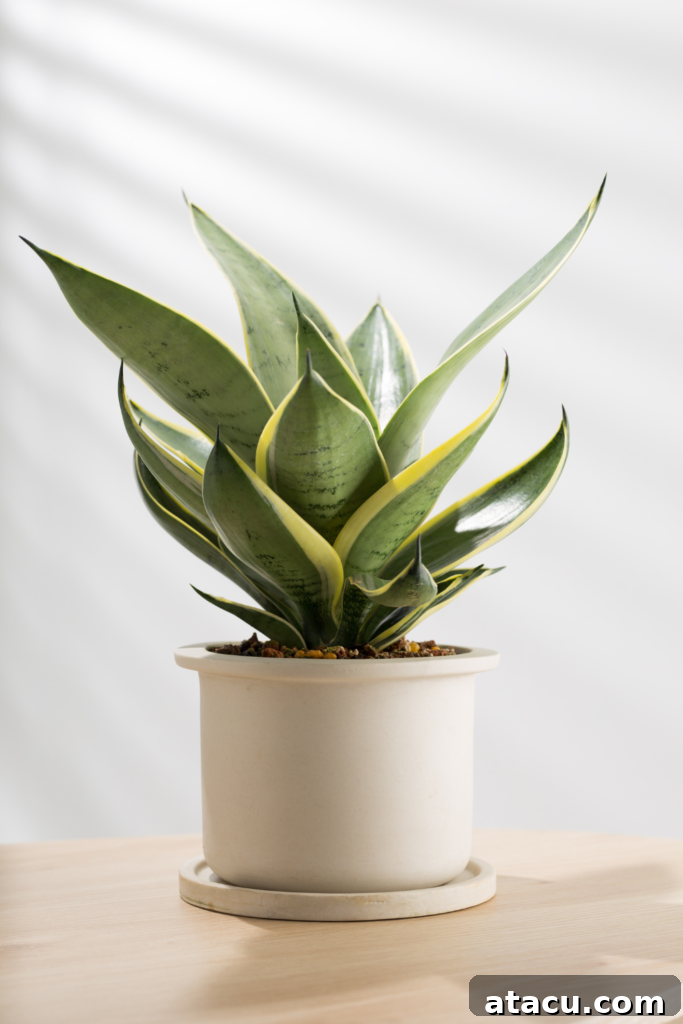
The Sansevieria, affectionately known as the Snake Plant or Mother-in-Law’s Tongue, stands out as an exceptionally resilient indoor houseplant, making it a true winter champion. Its striking upright foliage, often variegated with shades of green and yellow, adds a modern, architectural aesthetic to any interior space. What truly sets the Snake Plant apart is its remarkable adaptability across various environmental conditions. It is highly drought-tolerant, meaning it can go for extended periods without water – a significant advantage during the colder months when plants generally require less frequent watering due to reduced growth rates and cooler indoor temperatures. This characteristic makes it an ideal choice for busy individuals or those prone to occasionally forgetting their watering schedules.
Furthermore, Sansevierias are celebrated for their incredible ability to thrive in a wide spectrum of light conditions, from bright, indirect light to surprisingly low light environments. This exceptional tolerance to diminished sunlight makes it an exemplary choice for winter, when natural light sources are scarce. Unlike many plants that struggle and become leggy or lose their vibrant color in low light, the Snake Plant maintains its robust appearance with minimal fuss. Beyond its visual appeal and low-maintenance nature, the Sansevieria is also recognized for its impressive air-purifying qualities. It actively removes common household toxins such as formaldehyde, benzene, xylene, and trichloroethylene from the air, contributing to a healthier indoor environment. Its slow-growing nature and ability to withstand a broad range of indoor temperatures further solidify its status as a perfect, hardy indoor companion throughout the entire winter season.
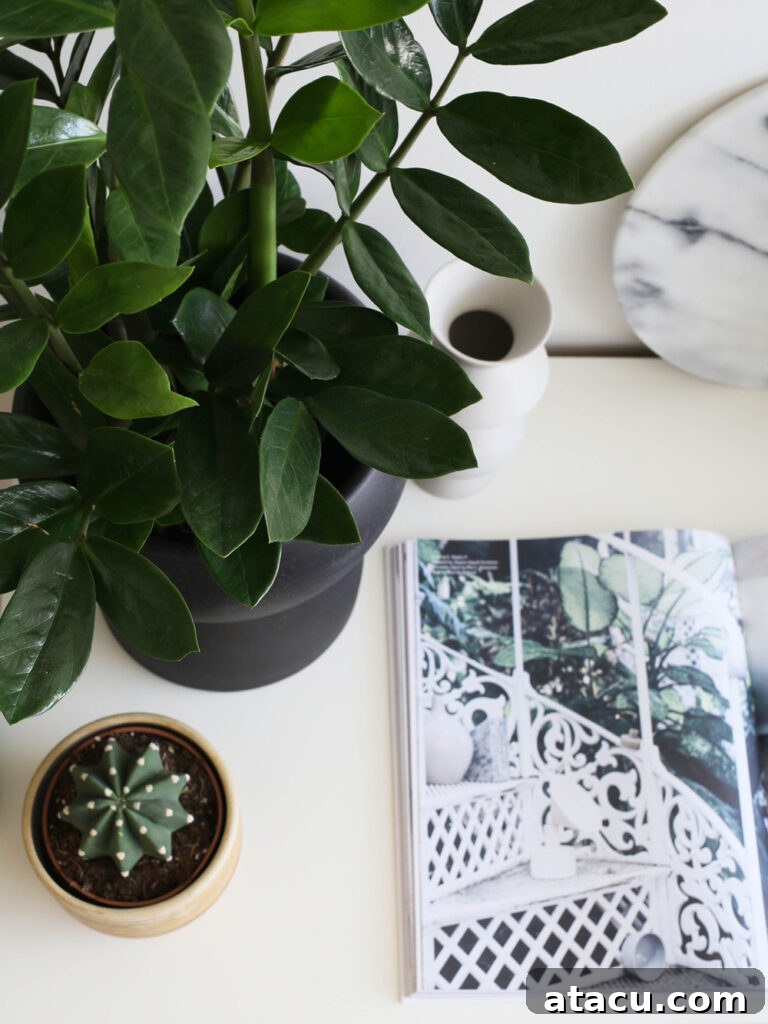
ZZ Plant (Zamioculcas Zamiifolia)
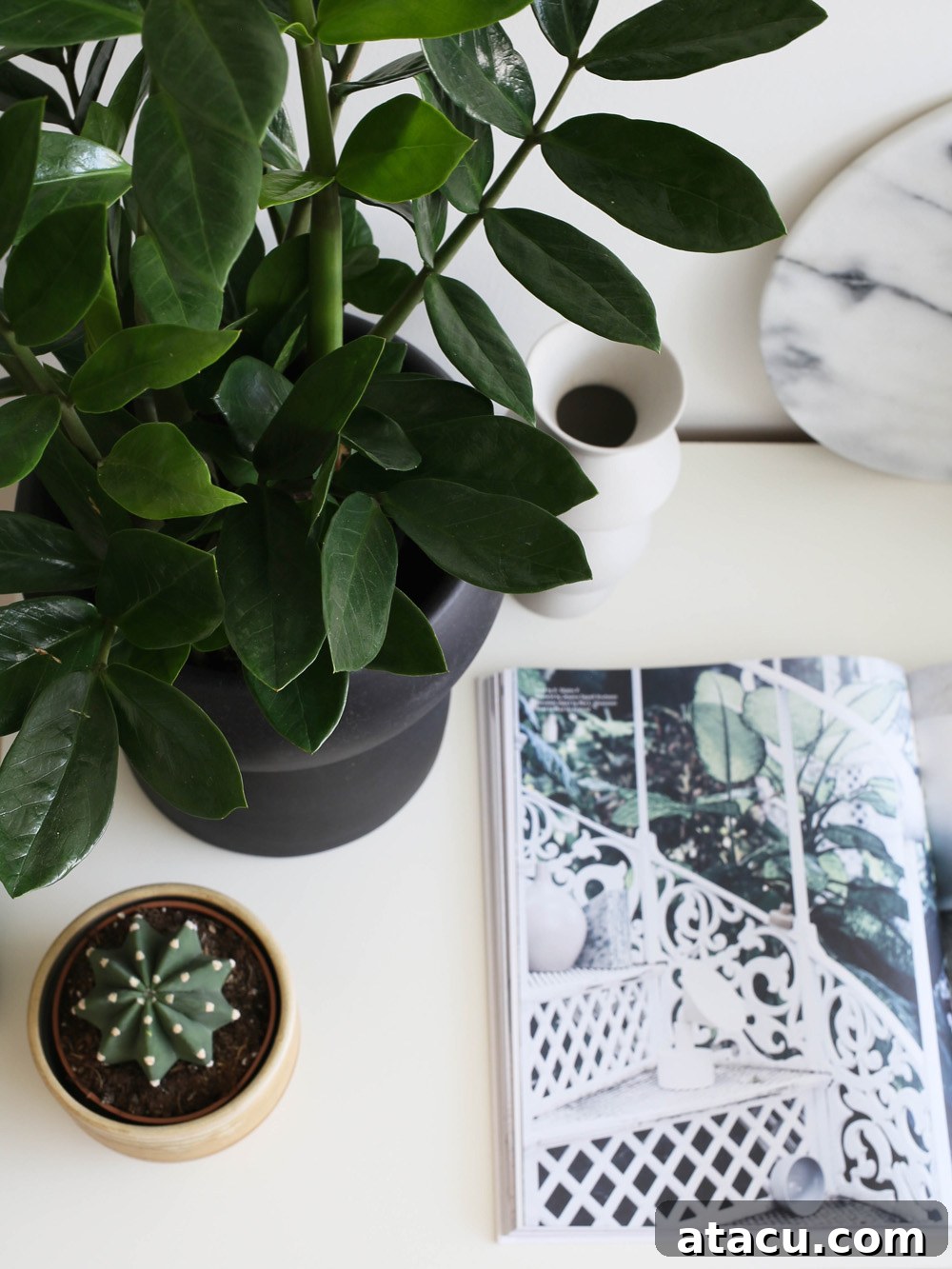
The ZZ Plant, or Zamioculcas Zamiifolia, is a true superstar when it comes to low-maintenance indoor greenery, particularly excelling in challenging winter conditions. Its distinctive, waxy, dark green leaves emerge from thick, succulent stems, creating an elegant and architectural statement in any room. What makes the ZZ Plant an unparalleled choice for winter is its extraordinary tolerance for very low light environments. This plant will not only survive but often continue to look vibrant even in dimly lit rooms, hallways, or corners far from a window, where many other houseplants would quickly decline. This makes it an invaluable addition to homes that naturally receive less sunlight during the shorter winter days.
One of the most fantastic features of the ZZ Plant is its remarkable independence from frequent watering. It possesses thick, water-storing rhizomes, which are underground stems packed with hydration, allowing the plant to sustain itself for weeks, sometimes even months, without additional watering. This exceptional drought tolerance means it’s virtually impossible to underwater for short periods and perfect for those who travel frequently or simply prefer a hands-off approach to plant care. In winter, when plant metabolism slows considerably, its watering needs decrease even further, requiring watering only when the soil is completely dry. The ZZ Plant is also famously pest-free and incredibly resilient to neglect, shrugging off common issues that plague other houseplants. Its super low-maintenance profile and enduring elegant appearance make it an undisputed champion for adding lasting greenery and sophistication to your indoor space throughout the colder months.
Spider Plant (Chlorophytum Comosum)
The Spider Plant, scientifically known as Chlorophytum Comosum, is a timeless classic among houseplants, celebrated for its arching green and white variegated foliage and impressive resilience. This hardy plant is not only aesthetically pleasing but also renowned for its air-purifying qualities, actively working to improve indoor air quality by filtering out common toxins such such as formaldehyde and xylene. Its vibrant appearance and cascading “spiderettes” (baby plants) make it a delightful addition to hanging baskets or shelves, adding a touch of natural elegance to any room, especially during the often dreary winter season.
In terms of light requirements, the Spider Plant thrives best in moderate to bright, indirect sunlight. However, its exceptional adaptability means it will tolerate lower light conditions with grace, making it a perfect candidate for winter when natural light is at a premium. While growth may slow down in dimmer environments, the plant will generally remain healthy and attractive, retaining its characteristic variegation. One of its most endearing features is its prolific production of “spiderettes.” These small plantlets can be easily propagated, allowing you to quickly repopulate your home with new plants or share them with friends, offering a continuous cycle of fresh greenery. This plant is incredibly resilient, forgiving both occasional neglect and accidental overwatering, making it an excellent choice for novice plant owners or those who might struggle with a consistent care routine. Furthermore, Spider Plants are quite happy in cooler, drier indoor air conditions, which are often prevalent during winter due to heating systems, making them an ideal, low-fuss option for maintaining indoor greenery.
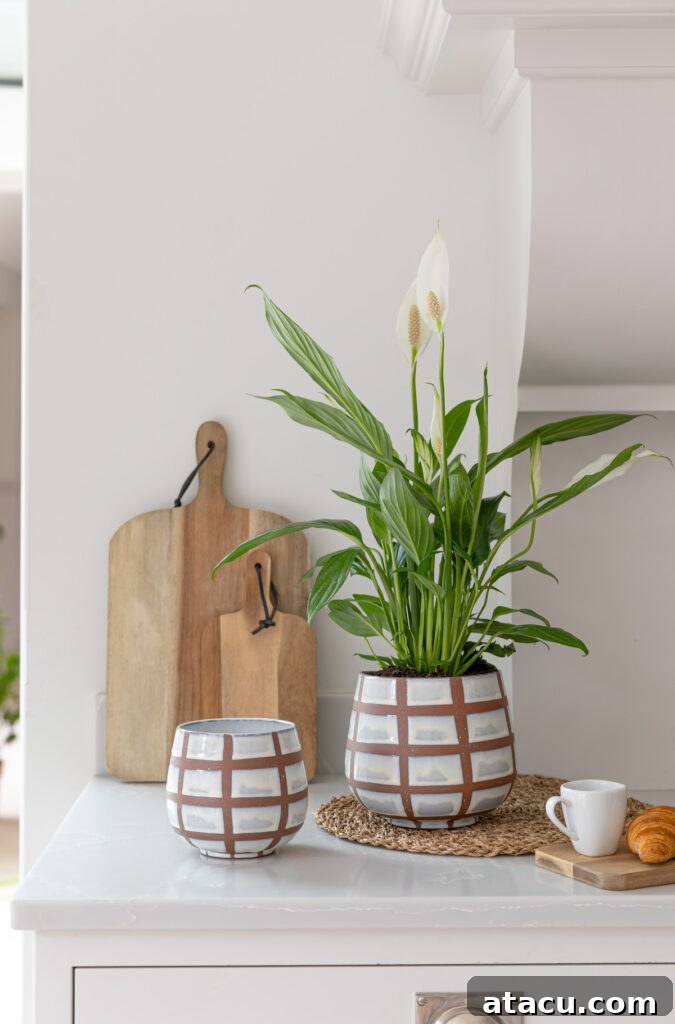
Peace Lily (Spathiphyllum)
The Peace Lily, or Spathiphyllum, is a widely admired indoor plant, cherished for its elegant white spathes (often mistaken for flowers) that beautifully contrast with its lush, deep green foliage. This plant is a symbol of tranquility and beauty, offering a sophisticated touch to any home interior. Beyond its undeniable aesthetic appeal, the Peace Lily is highly regarded for its significant air-purifying capabilities. It has been shown to effectively filter out several common indoor air pollutants, including benzene, formaldehyde, trichloroethylene, and ammonia, contributing to a cleaner and healthier living environment. This makes it not just a decorative choice but a beneficial one for your well-being, especially during months when indoor air quality can decline.
While Peace Lilies are known to grow year-round and can certainly endure the darker winter months, their performance is optimal with moderate to bright, indirect light. In lower light conditions, which are typical during winter, you might observe slower growth or a reduction in the number of its characteristic white blooms. However, the plant’s rich green leaves will still provide a vibrant splash of color and texture. Peace Lilies prefer consistent moisture but do not like to sit in standing water; allow the top inch or two of soil to dry out between waterings. They are also quite vocal, as their leaves will visibly droop dramatically when thirsty, providing a clear signal for when they need attention, which makes them relatively easy to care for, even for those new to indoor gardening. Providing a slightly humid environment, perhaps with a pebble tray or by grouping it with other plants, can also help it flourish during the dry winter heating season, ensuring it maintains its verdant beauty.
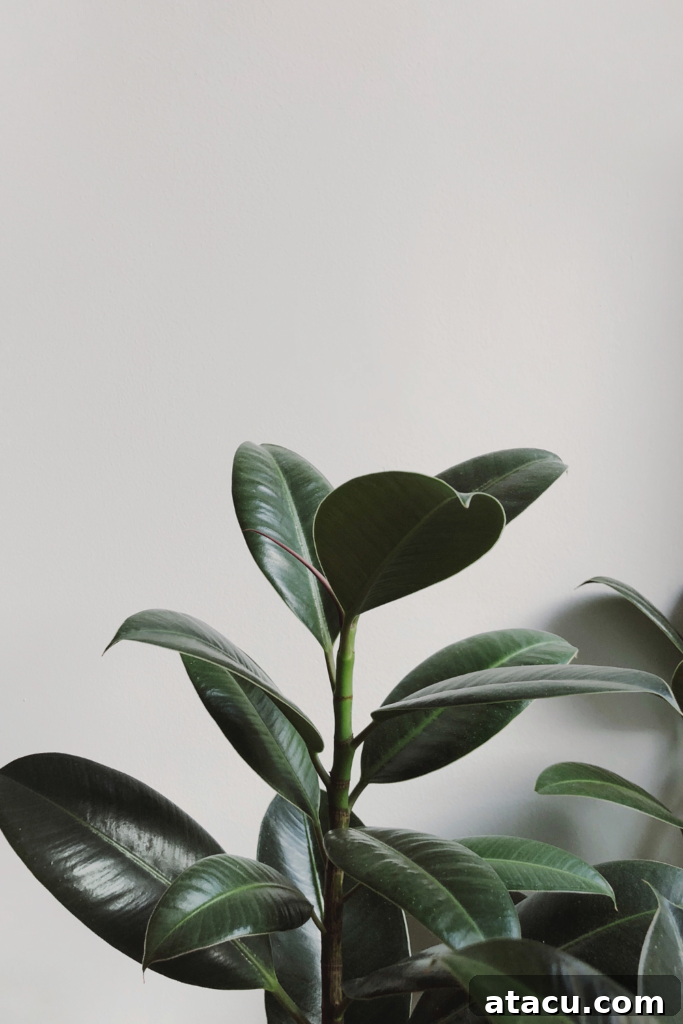
Rubber Plant (Ficus Elastica)
The Rubber Plant, or Ficus Elastica, is a statement-making indoor tree known for its impressive size and large, glossy, dark green or burgundy leaves. Its tough, leathery foliage and upright growth habit lend a bold, contemporary aesthetic to any room, making it a popular choice for those looking to add a touch of sophisticated greenery. This plant is not just stylish; it’s also remarkably resilient, making it an excellent option for navigating the challenges of indoor winter conditions. It thrives in bright, indirect light and warm temperatures, making it highly adaptable to typical indoor environments, even when external temperatures plummet and sunlight is less intense.
One of the Rubber Plant’s most valuable traits for winter care is its hardy nature and tolerance for occasional watering. While it appreciates consistent moisture during its active growing season, it can comfortably withstand less frequent watering during the colder months when its metabolic rate slows down significantly. This characteristic makes it ideal for individuals who might occasionally forget their watering duties, providing peace of mind. Beyond its ease of care, the Ficus Elastica is also an effective natural air purifier, diligently working to remove airborne pollutants and toxins such as formaldehyde from the air, thereby contributing to a cleaner and healthier home atmosphere. Its ability to maintain its striking appearance and health in cooler indoor temperatures, coupled with its air-cleansing benefits, solidifies the Rubber Plant as a strong and beautiful choice for enhancing your indoor space throughout winter.
Cast Iron Plant (Aspidistra Elatior)
Living up to its formidable name, the Cast Iron Plant (Aspidistra Elatior) is arguably one of the toughest and most forgiving houseplants available, making it an absolute gem for winter survival. This plant boasts deep green, sword-like leaves that emerge directly from the soil, creating a dense, architectural presence. Its unparalleled hardiness means it can thrive in conditions that would cause most other plants to wither, earning it a reputation as nearly indestructible. This makes it an ideal choice for challenging spots in your home, such as dimly lit corners, or for plant owners who desire beauty without the constant demands of high-maintenance flora.
The Cast Iron Plant’s exceptional tolerance for low light is a significant advantage during the short, dark days of winter. It will not only survive but maintain its lush appearance even in dimly lit corners, hallways, or rooms with minimal natural daylight, where most plants would struggle to even exist. Furthermore, it is remarkably resilient to irregular watering; it prefers its soil to dry out completely between waterings and can comfortably withstand extended periods of drought, simplifying its care routine during colder months when plant water needs naturally decrease. It also tolerates a wide range of temperatures, from cool to moderate warmth, and impressively thrives in the dry air often created by indoor heating systems. Highly resistant to pests and diseases, the Cast Iron Plant requires minimal care to flourish, making it the perfect low-maintenance greenery solution for enduring even the harshest winter conditions with grace and tenacity.
Aloe Vera
Aloe Vera is a truly remarkable plant, cherished not only for its striking succulent appearance but primarily for the incredible soothing gel contained within its thick, fleshy leaves. This versatile gel is widely recognized for its medicinal properties, offering natural relief for burns, skin irritations, and minor cuts, making Aloe Vera a practical and decorative addition to any home. Its distinctive rosette of green, often spotted, leaves brings a touch of desert-inspired elegance, providing a refreshing contrast to the often drab winter landscape outside, bringing a vibrant, living element indoors.
In terms of care, Aloe Vera is surprisingly low-maintenance, especially during winter. It thrives best in bright, indirect daylight, ideally near a sunny window, but it can also handle slightly cooler indoor situations, adapting well to typical winter home environments. As a succulent, it is exceptionally drought-tolerant; its thick leaves are specifically designed to store water, meaning it requires minimal watering. During winter, its watering needs decrease even further, requiring water only when the soil is completely dry to the touch, often every few weeks or even longer. Overwatering is the most common killer of Aloe Vera, so it’s always better to err on the side of caution. Beyond its practical uses and ease of care, Aloe Vera also contributes to improved indoor air quality by purifying the air, making it a truly beneficial and beautiful addition to your indoor space throughout the colder months.
English Ivy (Hedera Helix)
English Ivy, or Hedera Helix, is a classic and versatile plant known for its cascading vines and lobed leaves, which come in various shades of green, sometimes with white or yellow variegation. It’s a hardy and tolerant plant that effortlessly adapts to indoor winter conditions, making it an excellent choice for adding graceful, trailing greenery to your home. Beyond its decorative appeal, English Ivy is particularly renowned for its potent air-purifying properties. Studies have shown its effectiveness in reducing airborne mold spores and other common indoor pollutants like formaldehyde and benzene, thereby significantly contributing to excellent indoor air quality, which is especially beneficial during seasons when homes are often sealed up tight.
One of English Ivy’s key advantages for winter is its remarkable ability to thrive in indirect light and even full shade. This makes it a superb option for homes with limited natural daylight during the shorter winter days, allowing you to brighten up darker corners or rooms that receive minimal sun. It can be grown in hanging baskets, allowed to gracefully trail from shelves, or even trained to climb a small trellis, offering diverse styling opportunities to suit your decor. English Ivy is also a relatively low-maintenance option. While it prefers consistent moisture, it can tolerate occasional neglect, though it appreciates a bit of humidity to keep its foliage vibrant. Regular misting or placing it on a pebble tray can help it flourish. If you’re searching for beautiful, adaptable, and health-boosting winter greenery with minimal fuss, English Ivy is an outstanding choice that brings a touch of classic charm and freshness to your indoor sanctuary.
Philodendron
Philodendrons are among the most popular and adaptable houseplants, celebrated for their diverse forms and lush foliage. From the classic heart-leaf philodendron with its elegant trailing vines to the majestic upright varieties with larger leaves, there’s a Philodendron to suit almost any aesthetic preference and space. Their versatility extends to their care requirements, making them an incredibly resilient choice for the challenging winter months. They are remarkably tolerant, thriving in both low-light conditions and indirect sunlight, which means they can adapt seamlessly to varying light levels often experienced during winter’s shorter, dimmer days, maintaining their vibrant appearance.
Beyond their ease of adaptability, Philodendrons are also recognized for their air purification capabilities, diligently working to filter out toxins like formaldehyde and benzene, helping to keep the air in your home purified and clean. This makes them not only a beautiful addition but a beneficial one for your indoor environment, contributing to overall well-being. These plants are typically low-maintenance, requiring minimal watering compared to many other houseplants, especially during their slower winter growth phase. They prefer the soil to dry out partially between waterings, reducing the risk of overwatering, which is a common winter pitfall. Furthermore, Philodendrons tolerate dry indoor air remarkably well, a crucial advantage in homes with heating systems that drastically reduce indoor humidity during colder weather. Their forgiving nature, combined with their air-cleansing benefits and adaptability, makes Philodendrons an ideal and beautiful choice for maintaining vibrant greenery throughout the entire winter season.
Keeping indoor plants growing and thriving during winter doesn’t have to be complicated. By selecting hardy, low-maintenance, and resilient species, you can ensure your home remains vibrant and full of life, even when the weather outside is dreary and cold. These top nine plants offer beauty, air-purifying benefits, and remarkable endurance, proving that a green thumb isn’t always necessary for a thriving indoor garden. However, if you prefer an even simpler touch of nature, you could always invest in some botanical wall art to give your space a splash of greenery without the commitment of live plants. Either way, embracing nature’s beauty indoors is a wonderful way to brighten your home and uplift your spirits this winter.