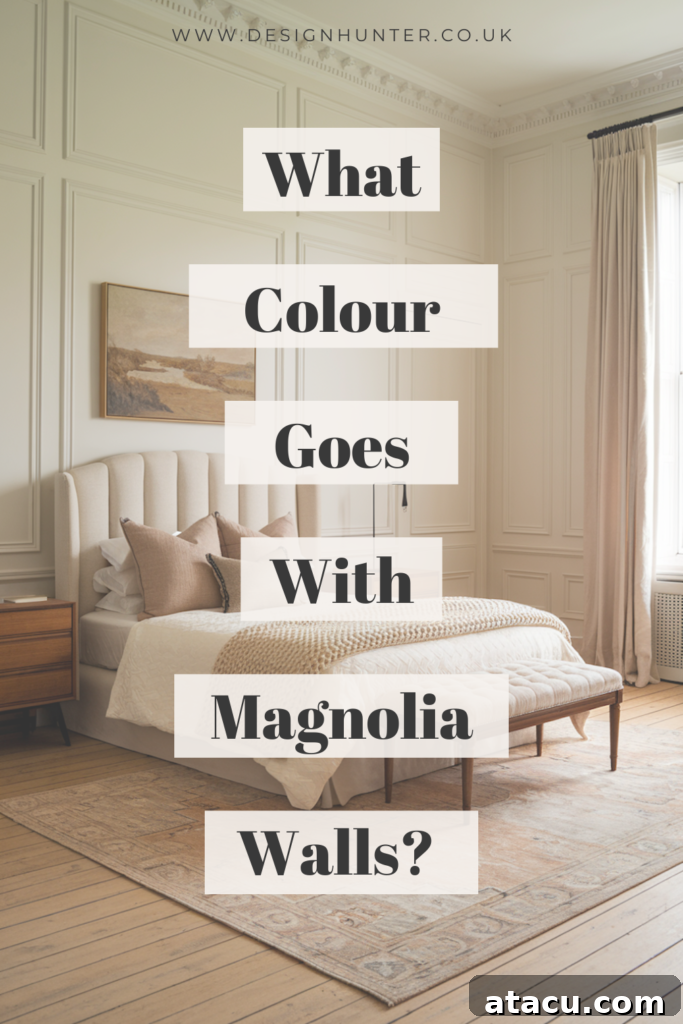
Magnolia walls have long held a complex reputation in interior design. For some, this classic shade evokes a sense of comfort, warmth, and timeless neutrality, making it a reliable backdrop for any home. Yet, others associate it with the overused aesthetics of 90s decor, fearing it might leave their spaces feeling dated or uninspired. However, the true beauty of magnolia paint lies in its incredible versatility. Far from being a relic of the past, magnolia can be the cornerstone of a sophisticated and contemporary design scheme when paired with the right colours and design elements. Whether you’re refreshing a rental property, updating a beloved family home, or simply aiming to give magnolia a fresh, modern twist, understanding the power of complementary colour combinations will transform your space from drab to fab.
What Colour Is Magnolia? Understanding Its Unique Tone and Qualities
To truly appreciate the potential of magnolia, it’s essential to understand its core characteristics. Magnolia is best described as a creamy, off-white hue, distinguished by its subtle, warm yellow undertone. It occupies a harmonious space on the colour spectrum, nestling comfortably between a soft ivory and a pale beige. This distinctive balance has solidified its status as a classic neutral, gracing homes for generations.
Unlike stark, brilliant whites, which can sometimes feel cold, clinical, or even sterile, magnolia offers a gentle, inviting warmth. This inherent cosiness makes rooms feel more welcoming, comfortable, and lived-in, providing a soft embrace rather than a crisp blank canvas. Its nuanced depth prevents it from feeling flat, allowing it to adapt beautifully to various lighting conditions and design aesthetics.
Key Qualities That Define Magnolia:
- Warm and Soft: The defining feature of magnolia is its delicate yellow or buttery undertone. This subtle warmth imbues spaces with a comforting, gentle glow, creating a significantly cozier ambiance compared to the cooler notes of pure white or modern greys. It’s a colour that wraps a room in a soft hug.
- Neutral and Exceptionally Versatile: One of magnolia’s greatest strengths is its remarkable versatility. Its balanced neutrality allows it to act as a sophisticated foundation for an incredibly diverse range of accent colours. It harmonizes effortlessly with everything from rich, earthy tones and vibrant jewel hues to cool, contrasting shades like slate grey and deep navy, opening up a world of design possibilities.
- Reflective and Light-Enhancing: The pale, luminous quality of magnolia walls excels at reflecting natural light throughout a room. This property is invaluable for brightening spaces, making them feel significantly more open, airy, and spacious. It’s precisely why it remains a favoured choice for landlords and developers seeking to create universally appealing and well-lit interiors.
- Traditional Yet Adaptable: While magnolia has historical roots and is often associated with traditional or classic interiors, its adaptability should not be underestimated. With thoughtful colour pairings and contemporary furnishings, magnolia can shed any outdated perceptions and emerge as a stylish, modern, and highly relevant choice for today’s homes.
Due to its understated warmth, magnolia thrives in rooms bathed in ample natural light, where it enhances a soft, sunlit glow, creating an ethereal and inviting atmosphere. However, it’s crucial to consider the impact of artificial lighting. In spaces predominantly lit by cool-toned bulbs, magnolia’s yellow undertones may become more prominent, potentially leaning towards a yellower cast. Careful consideration of lighting is key when planning your decor. Being mindful of these common colour mistakes will help you craft a space that feels intentional, perfectly balanced, and effortlessly stylish, celebrating magnolia’s enduring appeal.
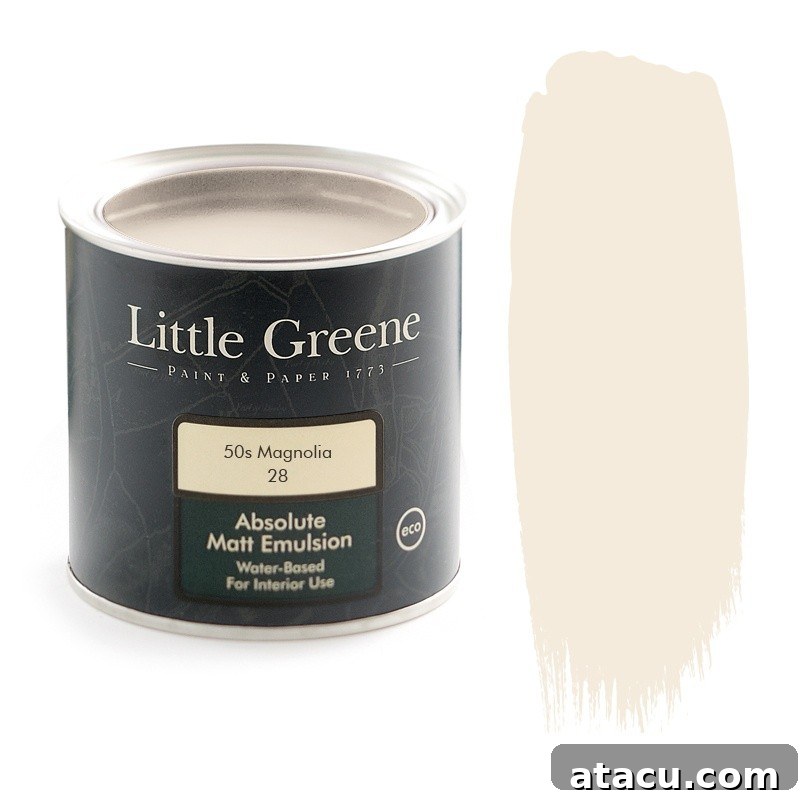
Little Greene 50s Magnolia Absolute Matt Emulsion
The Best Colour Combinations for Magnolia Walls: Elevating Your Space
The question of “what colour goes with magnolia walls?” opens up a world of exciting possibilities. The ideal pairing largely depends on the specific mood, style, and atmosphere you wish to cultivate in your home. Magnolia, with its inherent warmth and adaptability, serves as a remarkable canvas. Here are some of the most effective and stylish colour combinations to truly elevate your magnolia-painted rooms, transforming them into inviting and aesthetically pleasing environments.
1. Grey and Magnolia Walls: A Sophisticated Modern Contrast
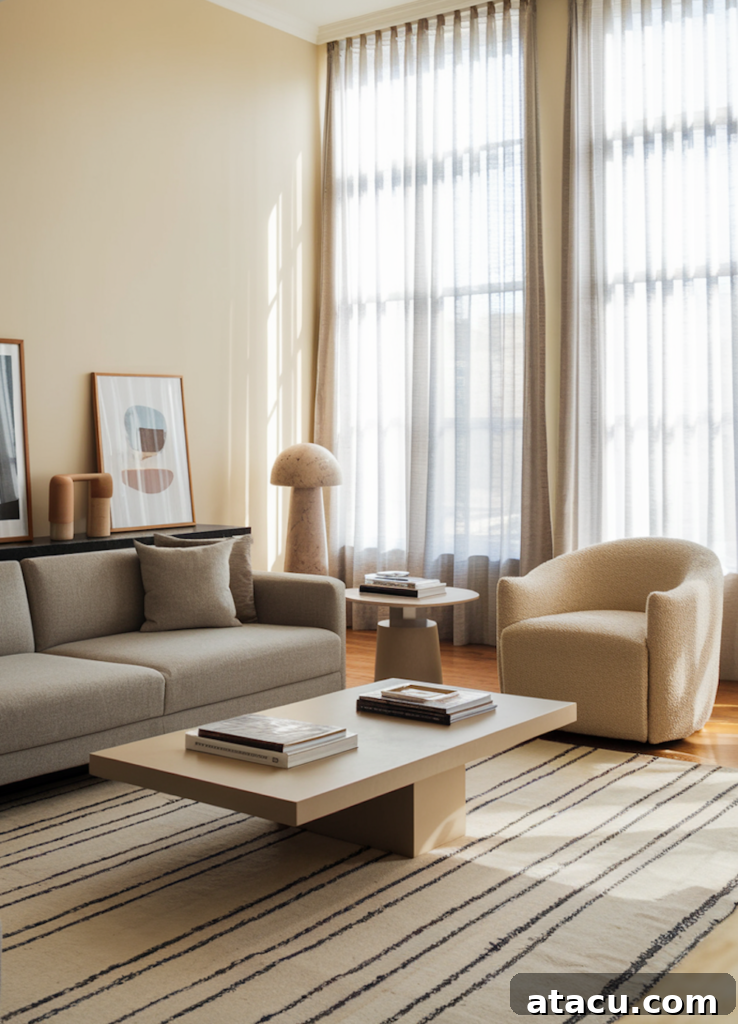
One of the most effective and effortlessly chic ways to imbue magnolia with a contemporary feel is by pairing it with various shades of grey. This combination offers a sophisticated contrast that revitalizes magnolia without introducing any harshness. Soft, warm greys, such as inviting taupe, versatile greige (a blend of grey and beige), or a delicate pebble grey, beautifully complement magnolia’s creamy, yellow undertones. These harmonious shades work together to create a balanced and serene palette, avoiding any potential clashes.
For those desiring a more impactful and dramatic aesthetic, consider deeper greys like charcoal or slate. These richer tones provide significant depth and an undeniable sense of modern sophistication, creating a striking yet perfectly balanced visual statement against the gentle warmth of magnolia. This pairing is especially potent in contemporary or minimalist settings.
Best for: Modernizing magnolia with an elegant touch, preventing the space from feeling cold, and creating a balanced, refined atmosphere suitable for living rooms, bedrooms, or hallways.
Style tip: Introduce grey through substantial furniture pieces like a sleek sofa or armchairs, plush textiles such as throws and cushions, or by creating an accent wall in a deeper grey shade. Incorporate metallic accents like brushed chrome or matte black light fixtures to enhance the modern edge and add a touch of industrial chic. Consider graphic artwork featuring grey tones to tie the scheme together seamlessly.
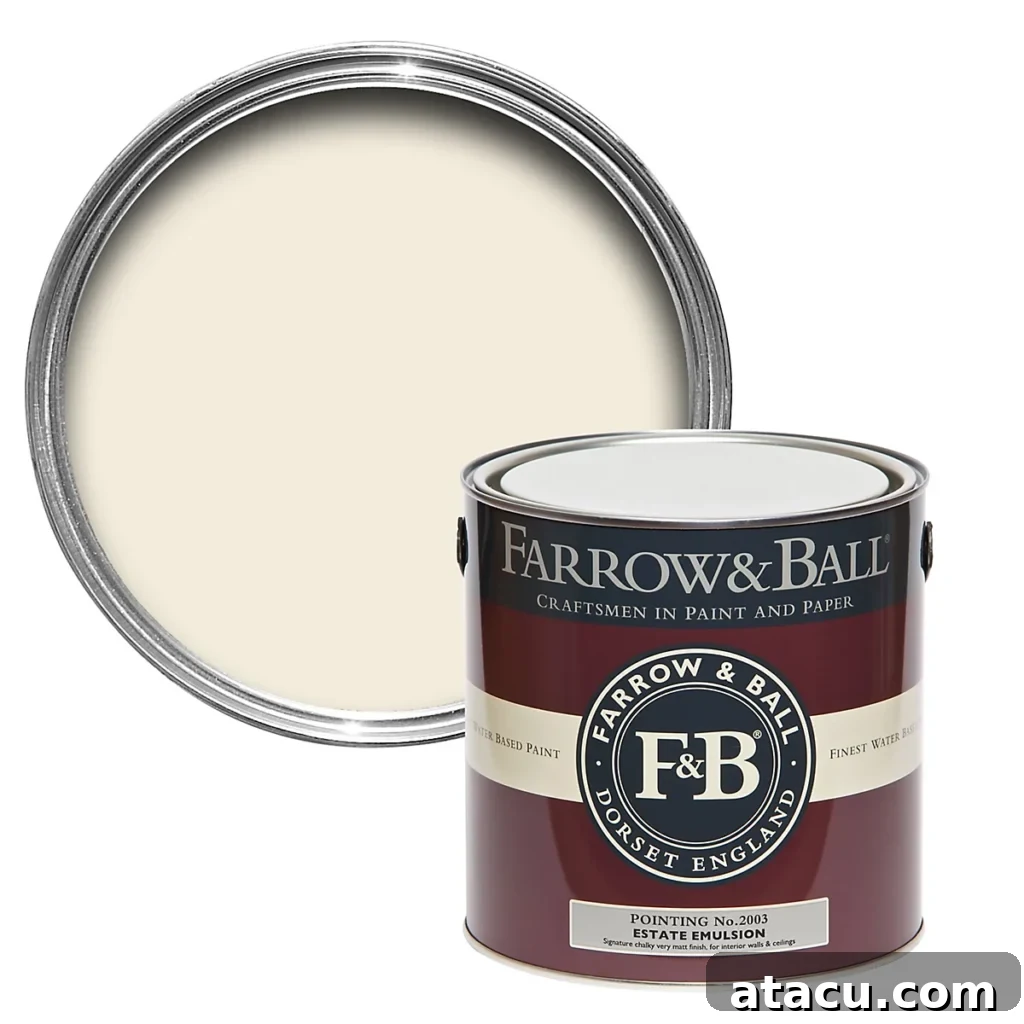
Farrow and Ball Pointing Estate Emulsion, 2.5L
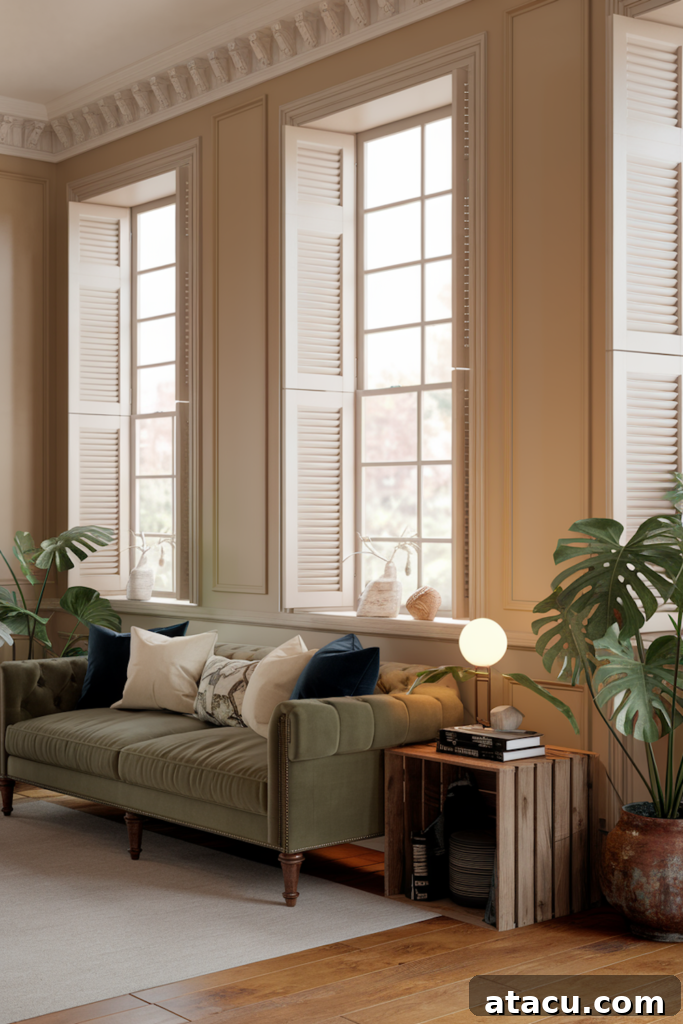
2. Magnolia and Green: A Rich, Earthy, and Serene Sanctuary
Embracing a nature-inspired palette is effortlessly achieved by pairing magnolia with various shades of green. This combination is inherently soothing and grounding, bringing the tranquility of the outdoors into your home. Deep, sophisticated greens such as olive, sage, emerald, or forest green work exceptionally well with magnolia, drawing out its inherent warmth while simultaneously adding significant richness and depth to the space. The contrast between magnolia’s creamy softness and green’s organic vibrancy creates a harmonious and visually appealing environment.
Lighter, more muted greens like mint or soft moss can create a delicate, airy feel, perfect for bedrooms or bathrooms, while bolder greens can anchor a living room or dining area with a sense of natural grandeur. This pairing feels both classic and fresh, offering a timeless appeal.
Best for: Cultivating a cozy, inviting, and tranquil atmosphere, ideal for bedrooms, living rooms, studies, or any space where relaxation and a connection to nature are desired. It suits styles ranging from rustic to contemporary botanical.
Style tip: Enhance the organic, lived-in feel by pairing this palette with abundant natural materials. Think warm woods (oak, walnut), soft linens, tactile wools, and rattan or jute accents. Introduce lush indoor plants to further blur the lines between indoors and out. Gold or brass hardware can add a touch of refined elegance against the earthy backdrop, providing a subtle sparkle.
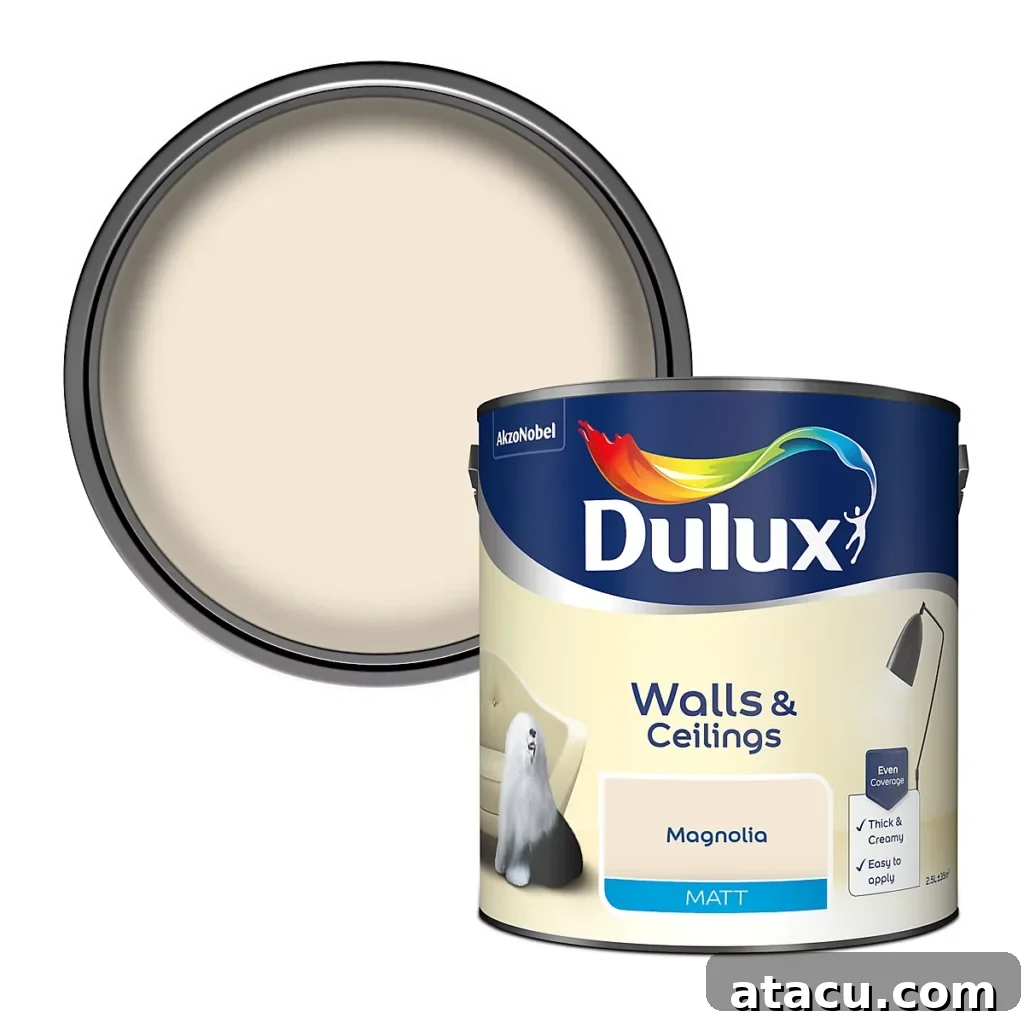
Dulux Magnolia Matt Emulsion, 2.5L
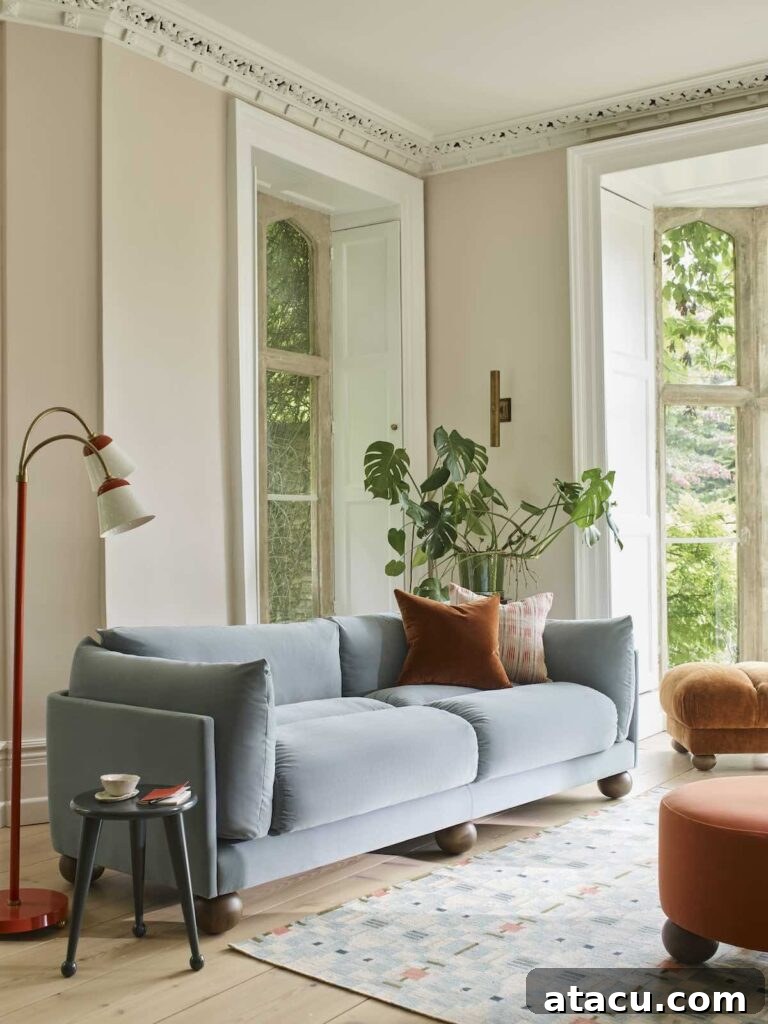
3. Blue and Magnolia Colour Scheme: Classic Elegance and Sophistication
The combination of magnolia and blue is a truly timeless pairing, celebrated for its ability to create spaces that are both elegant and profoundly welcoming. The cool, crispness of blue acts as a perfect counterpoint to magnolia’s gentle warmth, resulting in a balanced and harmonious aesthetic that never goes out of style. This scheme feels fresh yet grounded, classic yet inviting.
For a striking and sophisticated contrast, consider utilizing deeper blues like navy, indigo, or sapphire for accent walls, cabinetry, or upholstered furniture. These rich, jewel-toned blues provide a luxurious depth that enhances magnolia’s soft glow without overpowering it. Alternatively, for a softer, more serene and airy look, opt for lighter, muted blues such as sky blue, duck egg, or a pale azure, as seen with the exquisite pale blue sofa from Arlo & Jacob. These gentler shades evoke a sense of calm and openness, making them ideal for creating tranquil retreats.
Best for: Achieving traditional, coastal, Hamptons-style, or classic contemporary interiors. This pairing is particularly effective in living rooms, dining areas, and bedrooms where a refined and calming atmosphere is desired.
Style tip: Elevate the sophistication of this classic pairing by incorporating thoughtful accents. Brass or gold metallic elements, such as decorative mirrors, elegant light fixtures, or hardware, introduce a touch of luxurious warmth. White trim and natural wood furniture can further enhance the clean, timeless appeal. Consider striped patterns or botanical prints in blue and white to reinforce a classic or coastal theme, adding visual interest without disrupting the serene balance.
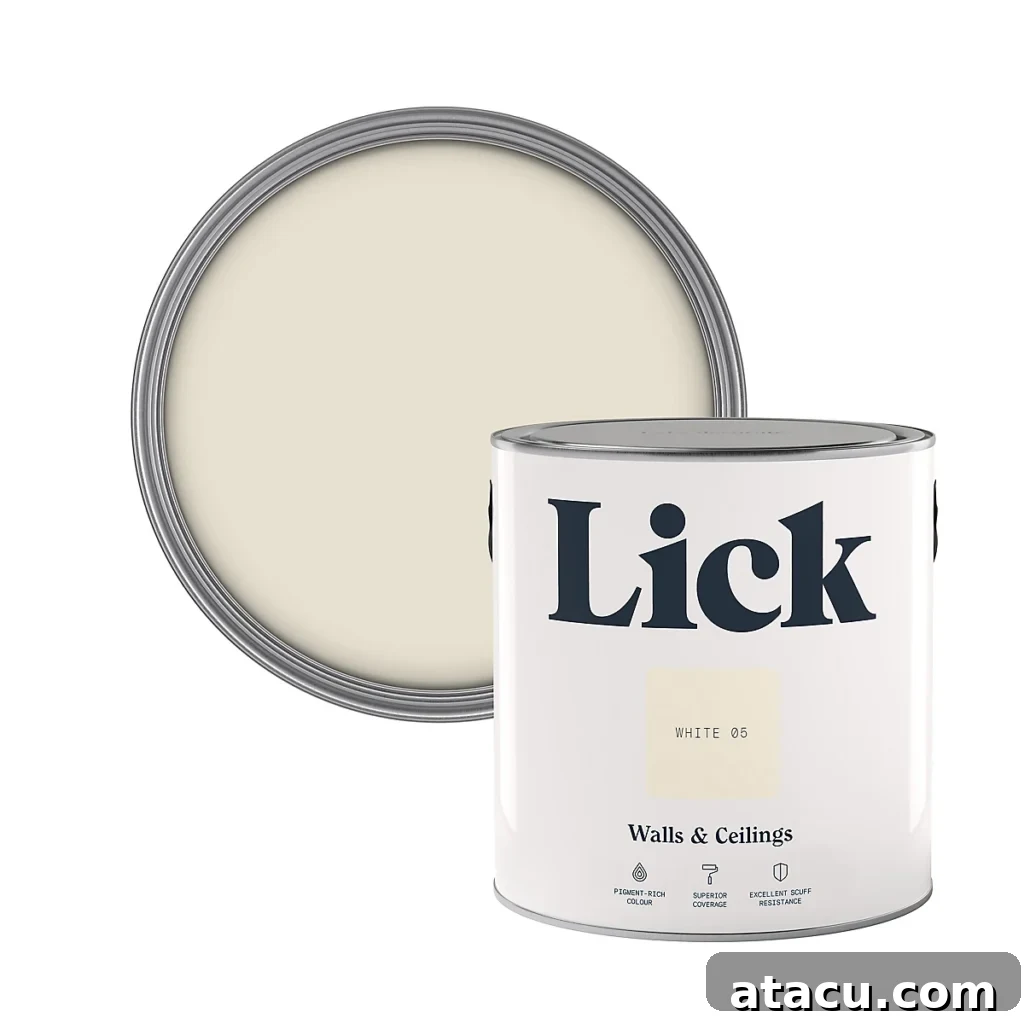
Lick White 05 Matt Paint, 2.5L
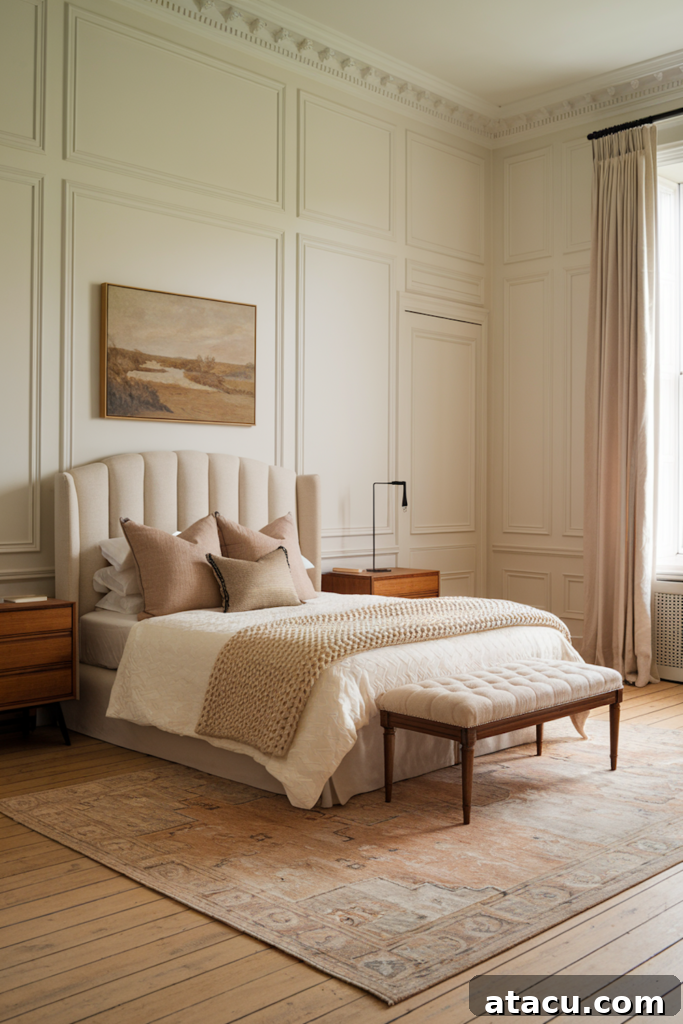
4. Magnolia and Warm Neutrals: Subtle Harmony and Seamless Serenity
For those who prefer an understated and highly cohesive aesthetic, pairing magnolia with other warm neutrals creates a profoundly calm and inviting space. Shades such as soft beige, gentle taupe, creamy oatmeal, or warm sand tones blend effortlessly with magnolia, building a harmonious palette that feels both sophisticated and inherently relaxing. This approach celebrates the subtle nuances of similar hues, resulting in a serene and enveloping environment.
If your aim is to achieve a sophisticated monochromatic effect, select a neutral palette that incorporates subtle variations in tone. This involves layering slightly lighter and darker shades of beige, cream, and taupe with your magnolia walls. The key is to introduce these variations through different elements within the room, ensuring depth and visual interest without relying on stark contrasts. The result is a refined, tranquil sanctuary that feels cohesive and beautifully composed.
Best for: Creating a relaxed, minimalist, or Scandinavian-inspired aesthetic, perfect for bedrooms, living rooms, or any space where a sense of tranquility and understated elegance is paramount. This palette encourages relaxation and feels incredibly comforting.
Style tip: To prevent a neutral scheme from feeling flat, strategically layer different textures. Think chunky knit wool throws, plush linen cushions, soft cotton rugs, and furniture crafted from natural materials like light woods, rattan, wicker, or boucle fabrics. These tactile elements add significant depth and visual interest, creating a rich sensory experience. Incorporate subtle patterns or natural motifs through artwork or decorative objects to further enhance the curated, yet relaxed, feel of the space.
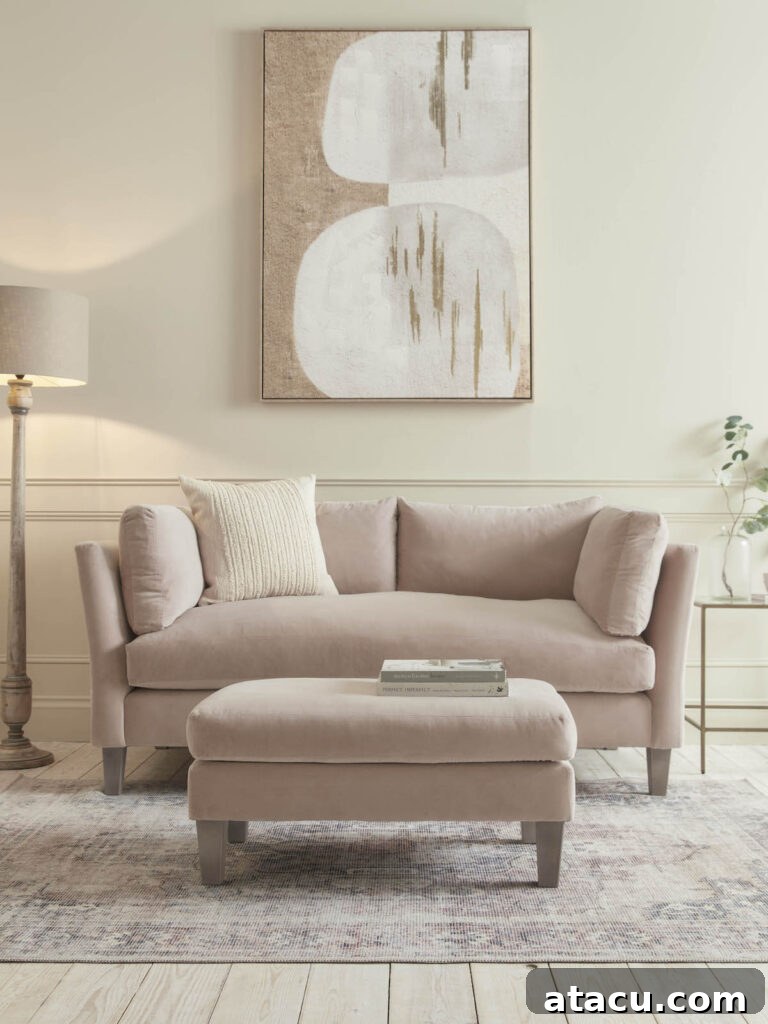
5. Magnolia and Pink: A Dreamy, Soft, and Elegant Embrace
The pairing of blush pink with magnolia creates a truly enchanting and romantic palette that feels both exquisitely fresh and enduringly timeless. Magnolia’s inherent warm yellow undertones provide a perfect foundation for soft pinks, allowing shades like delicate rose, dusty blush, or a subtle peachy pink to harmonize beautifully. This combination avoids any overly saccharine or childish connotations, instead yielding a sophisticated and ethereal ambiance that is wonderfully inviting.
The warmth in magnolia complements the rosy glow of pink, creating a cohesive and gentle scheme that feels nurturing and soft. It’s a versatile pairing that can lean into vintage charm or be styled for contemporary elegance, depending on the specific tones and accompanying decor.
Best for: Crafting feminine, vintage-inspired, or modern romantic interiors. This combination is particularly well-suited for bedrooms, nurseries, or living rooms where a soft, inviting, and graceful atmosphere is desired.
Style tip: Enhance the sophisticated charm of this pairing with carefully chosen metallic accents. Soft metallics like burnished brass, rose gold, or warm copper can introduce a touch of understated glamour and warmth. Incorporate luxurious textures such as velvet, silk, or faux fur through cushions, throws, or upholstery to add depth and an opulent feel. Fresh flowers, particularly in white or complementary pinks, can further elevate the dreamy aesthetic, bringing life and natural beauty to the space.
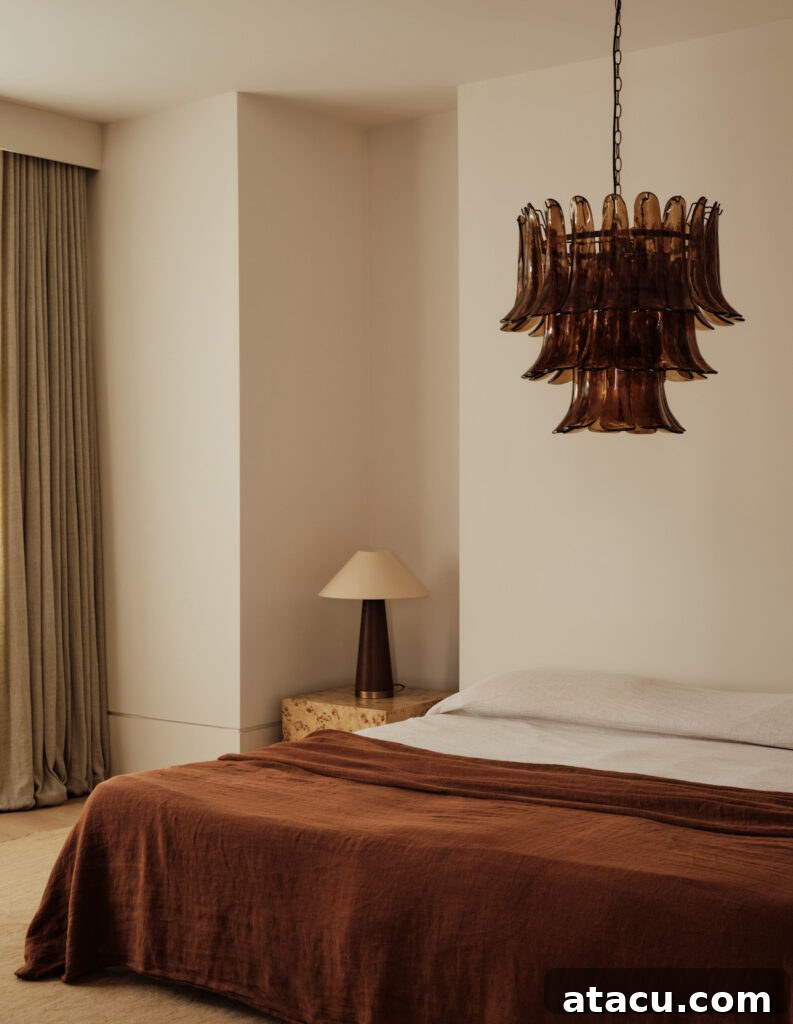
6. Magnolia and Earthy Tones (Rust, Terracotta, Burnt Orange): Rich, Warm, and Inviting
To truly amplify and celebrate the inherent warmth of magnolia, introduce a palette of rich, earthy tones like rust, terracotta, and burnt orange. These vibrant yet grounded colours create an incredibly cosy, inviting, and character-filled atmosphere. The deep, baked-earth hues provide a striking, natural contrast to magnolia’s creamy softness, making the space feel deeply comfortable and visually captivating.
These colours are reminiscent of sun-drenched landscapes and ancient pottery, lending a bohemian or artisanal feel to any room. They resonate with magnolia’s yellow undertones, resulting in a cohesive and harmonious warmth that envelops the senses. Whether used in textiles, ceramics, or even a bold accent wall, these shades bring a spirited energy to your magnolia backdrop.
Best for: Creating cosy, eclectic, bohemian, or mid-century modern interiors that exude character, warmth, and a touch of global inspiration. Ideal for living rooms, dining rooms, or spaces designed for creative expression and relaxation.
Style tip: Embrace a layered, textural approach to enhance this rich aesthetic. Incorporate woven textiles such as kilim rugs, macrame hangings, and chunky knit throws. Seek out vintage-inspired furniture pieces made from dark, warm woods or aged leather. Ceramic pots, amber glass, and artisanal decor items will further amplify the earthy, lived-in charm. Don’t shy away from mixing patterns and textures to create a truly unique and inviting space that tells a story.
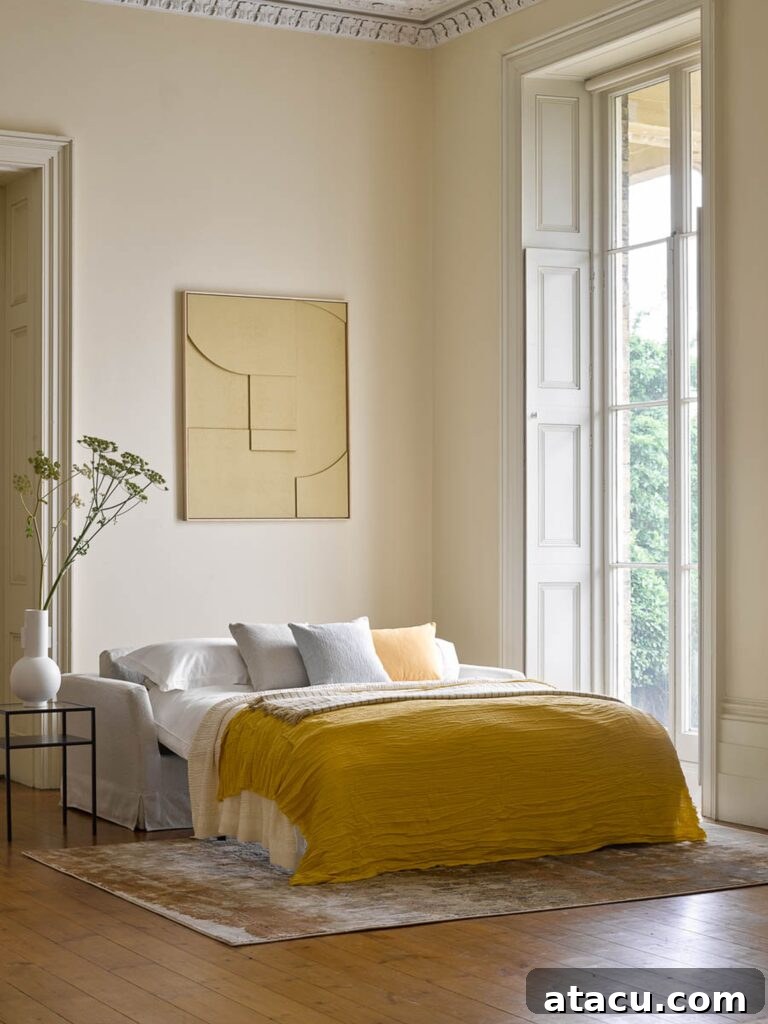
7. Magnolia and Mustard: Bold, Golden, and Timeless Energy
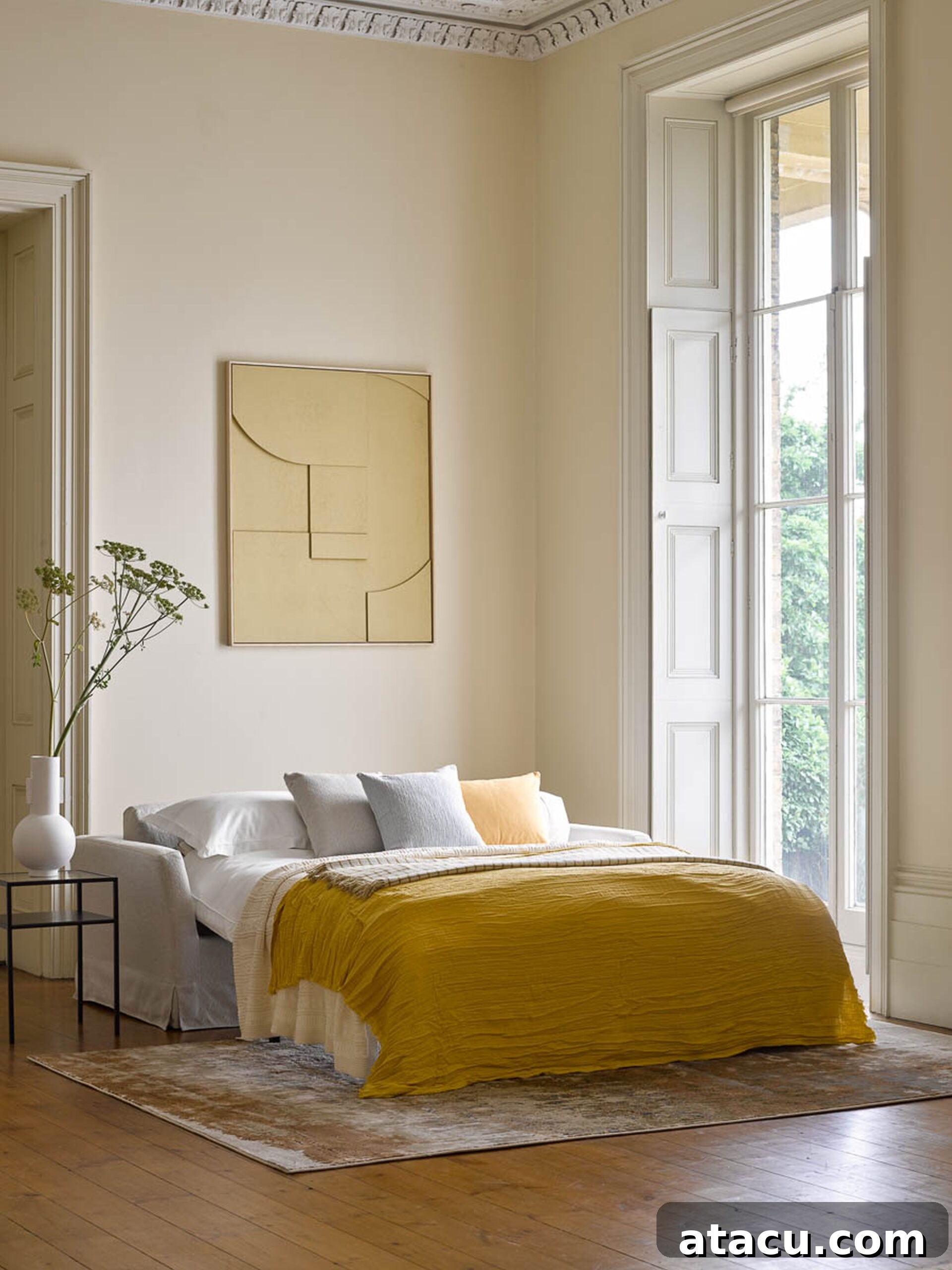
For those seeking a vibrant yet undeniably sophisticated pairing, the combination of magnolia with mustard yellow or rich ochre is a winning choice. These golden hues expertly bring out the creamy warmth of magnolia, while simultaneously injecting a lively depth and dynamic energy into the space. This pairing creates a rich, inviting atmosphere that feels both bold and remarkably timeless, steering clear of any dated connotations.
Mustard and ochre, with their deep yellow and brown undertones, resonate beautifully with magnolia’s inherent warmth. They evoke a sense of vintage charm and artistic flair, making them perfect for creating spaces with personality and character. Whether used in a statement sofa, cushions, or a piece of abstract art, these colours demand attention in the best way possible.
Best for: Retro, bohemian, mid-century modern, or eclectic interiors. This combination shines in living rooms, dining areas, or creative spaces where a warm, intellectual, and inviting energy is desired.
Style tip: Elevate this rich colour scheme with strategic accents. Pair mustard and magnolia with dark wood furniture, such as teak or walnut, to enhance the mid-century modern feel and add a touch of gravitas. Introduce brass accents – in light fixtures, picture frames, or decorative objects – for a luxe, polished finish that complements the golden tones. Incorporate geometric patterns or abstract art in complementary colours to create visual interest and reinforce a sophisticated, curated aesthetic.
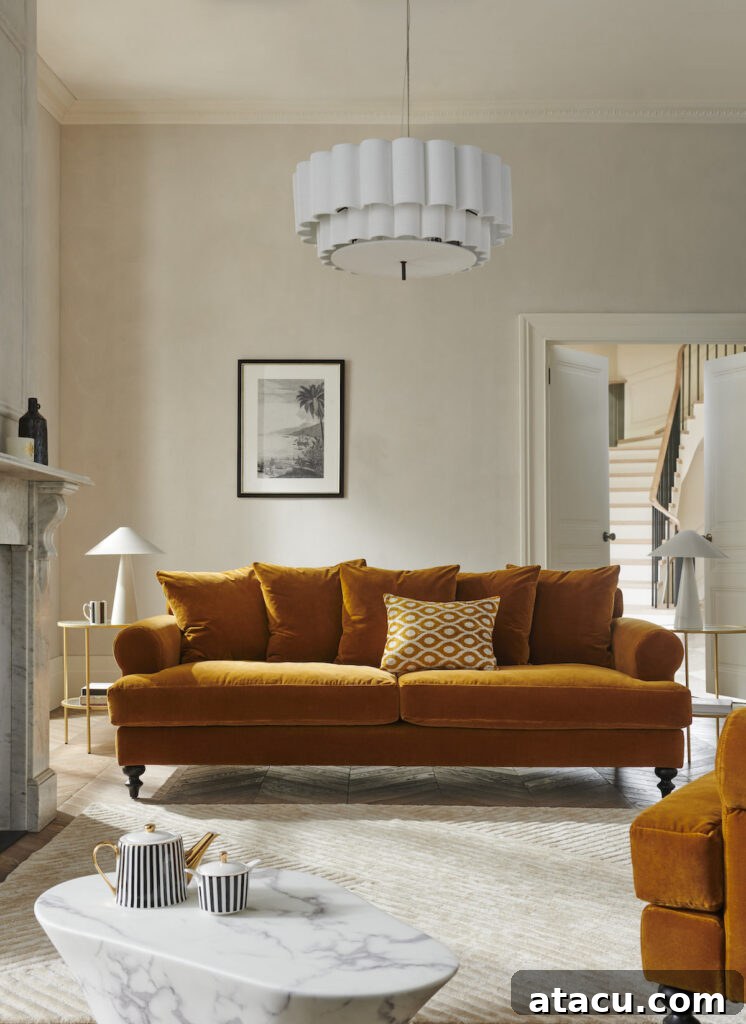
What Colour Sofa Goes with Magnolia Walls? Your Ultimate Guide
Choosing the perfect sofa colour to complement magnolia walls is a crucial decision that can anchor your entire living space. The versatility of magnolia means you have a wide array of options, each capable of creating a distinct mood and style. Here’s a detailed guide to help you find your ideal match:
- For a Modern & Balanced Look: A soft grey or a deeper charcoal sofa will instantly modernize your magnolia-painted room. Soft greys maintain a light and airy feel, while charcoal introduces a sophisticated depth. These shades provide a contemporary contrast that is both elegant and understated, perfect for minimalist or urban chic interiors. Consider a sleek, structured sofa design in a fabric like linen or wool for a polished look.
- For Richness & Dramatic Contrast: If you desire a bold statement and a luxurious feel, opt for a sofa in deep green (like emerald or forest green) or a classic navy blue. These jewel-toned colours add significant richness and create a striking, yet harmonious, contrast against the creamy backdrop of magnolia. Velvet or chenille fabrics in these shades will amplify the sense of opulence and comfort, making your sofa a true focal point.
- For Warmth & Seamless Harmony: To enhance magnolia’s natural warmth and create a cohesive, enveloping atmosphere, consider sofas in beige, blush pink, or terracotta.
- Beige: A beige sofa blends seamlessly with magnolia, fostering a calm, monochromatic, and supremely inviting space. Look for sofas with subtle textural variations to add interest.
- Blush Pink: A sofa in blush pink introduces a soft, romantic, and elegant touch, perfect for creating a dreamy and nurturing environment. This works beautifully with more traditional or vintage-inspired decor.
- Terracotta: A terracotta sofa provides a vibrant, earthy warmth that deeply resonates with magnolia, creating a cozy and characterful space, ideal for bohemian or rustic aesthetics.
- For a Pop of Energy & Vintage Charm: A mustard yellow or ochre sofa can bring a vibrant, sophisticated energy to your magnolia room. This pairing is perfect for injecting personality and a touch of retro charm, creating a welcoming and stylish focal point that feels both bold and inviting.
Ultimately, the best sofa colour will depend on the overall aesthetic you want to achieve and how you plan to layer in other elements like rugs, cushions, and artwork. With magnolia walls, you have the freedom to experiment and create a living space that truly reflects your personal style.
Farrow and Ball Magnolia Alternatives: Refined Hues for a Modern Home
If you appreciate the inherent warmth and inviting feel of traditional magnolia paint but are seeking a more refined, subtly updated, and contemporary take, Farrow & Ball offers several exquisite alternatives. These carefully crafted yellow-based whites and off-whites capture the beloved charm of magnolia while feeling notably fresher and more adaptable to modern design sensibilities. They provide depth and character without any hint of being dated.
- ✔ Wimborne White: This is a beautifully clean and soft white with just a whisper of yellow in its undertone. It creates an incredibly bright and airy effect, making rooms feel expansive and luminous, yet retains a gentle warmth that pure white lacks. It’s perfect for spaces where you want maximum light reflection with a welcoming glow.
- ✔ White Tie: A truly warm off-white, White Tie is characterized by its subtle golden undertones. This shade is ideal for cultivating a cosy yet unmistakably classic look. It’s softer and richer than Wimborne White, bringing a comforting radiance that works beautifully in both traditional and transitional homes, creating an elegant backdrop.
- ✔ New White: As its name suggests, New White is a creamy, buttery shade that offers remarkable depth and richness without veering into overtly yellow territory. It provides a more substantial feel than typical off-whites, imbuing rooms with a soft, inviting glow that feels established and luxurious. It’s a wonderful choice for adding subtle warmth.
- ✔ Tallow: A gentle and decidedly warm white, Tallow possesses a soft, luminous glow. Its slightly stronger yellow pigment makes it an excellent choice for brightening rooms with limited natural light, as it has an uplifting quality that can banish gloom. It creates an instant feeling of cosiness and historic charm, reminiscent of candlelight.
These Farrow & Ball magnolia alternatives successfully bridge the gap between classic warmth and contemporary elegance, allowing you to infuse your space with comforting nostalgia while maintaining a light, modern, and sophisticated aesthetic.
Little Greene 50s Magnolia: A Classic with Timeless Vintage Charm
For those who specifically seek a true heritage interpretation of the magnolia colour, Little Greene’s 50s Magnolia stands out as an exceptional choice. This particular shade remains faithfully true to the warm, creamy, and slightly buttery tones of traditional magnolia, but with an added richness and depth that elevates its character. This makes it an incredibly versatile option, perfectly suited for enhancing the period charm of older homes while also seamlessly integrating into more modern interiors that desire a touch of classic warmth.
Compared to many other contemporary off-whites that lean cooler or greyer, Little Greene 50s Magnolia distinctively features a subtle yet perceptible yellow undertone. This characteristic is precisely what enhances its warmth, giving it a comforting, inviting presence without ever feeling overpowering or excessively yellow. It’s a colour that breathes life and softness into a room.
This shade performs beautifully in spaces that receive ample natural light, where its warm quality is gently illuminated and diffused. It also pairs remarkably well with a range of complementary colours: deep, earthy greens can highlight its natural warmth, soft greys can introduce a subtle, sophisticated contrast, and muted blues can create a serene and balanced atmosphere for a more contemporary feel.
Consider pairing Little Greene 50s Magnolia with French Grey for a timeless and exquisitely balanced palette that evokes calm elegance. Alternatively, combine it with Rolling Fog to create a deeper, more atmospheric and complex neutral scheme, perfect for a sophisticated, layered look.
Decorating with Magnolia: Embrace Its Enduring Appeal
Magnolia walls are far from being outdated or uninspired; they possess an enduring appeal that, when approached with thoughtful design, can create truly exceptional spaces. By strategically choosing the right colours that complement magnolia – whether it’s the sleek modernity of soft greys, the calming depth of deep greens, the classic sophistication of navy blues, or the inviting richness of warm earthy tones – you unlock its full potential. You can craft a home that feels not only fresh and stylish but also uniquely reflective of your personal taste.
The secret to successful magnolia decor lies in understanding its warm undertones and building a cohesive palette that enhances its inherent charm rather than clashing with it. With the right combinations of furniture, textiles, and decorative accents, magnolia transforms into a versatile backdrop for virtually any aesthetic, from minimalist chic to bohemian eclectic.
So, shed any preconceived notions about magnolia paint. It’s time to re-evaluate this classic hue and discover how it can bring a sense of warmth, light, and timeless elegance to your modern home. Embrace its adaptability, experiment with the recommended pairings, and create a space that feels inviting, sophisticated, and utterly your own.
Love these ideas and want to save them for later? Click the Pinterest share buttons on this page to easily pin any image to your mood board! It’s the perfect way to gather inspiration and plan your next décor project.
More colour inspiration: Explore additional paint ideas with The Best Duck Egg Blue Paint Colours from Leading Brands for another timeless and versatile shade.
Save to Pinterest