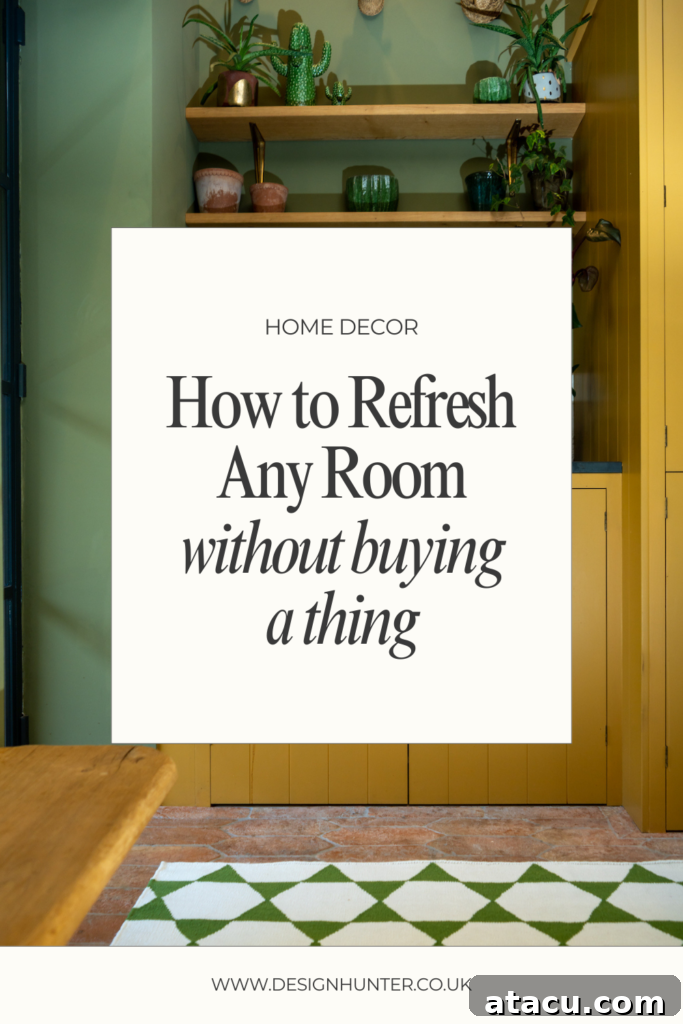
Transform Your Home: How to Refresh Any Room Without Buying a Single Thing
There comes a time in every home’s life when a space just stops feeling right. Perhaps the furniture arrangement feels clunky, the energy seems off, or no matter how much you tidy, a lingering sense of disarray persists. We’ve all been there – that moment when a room, once a source of comfort and joy, suddenly feels tired or misaligned with our current lifestyle. My initial impulse, much like many others, used to be to open a new tab and start shopping for a quick fix – a new rug, a stylish lamp, or perhaps a decorative trinket to “solve” the problem. However, years of experience have taught me a profound truth: the real solution rarely lies in acquiring more. Instead, it’s found in a deeper look at what you already possess, seen through a fresh, imaginative lens. This article explores powerful, budget-friendly strategies to revitalize any room in your home, proving that the most impactful transformations often come from creativity, not consumption.
1. Start by Emptying the Space (at Least Mentally)
When a room feels stagnant or uninspiring, the most effective first step is to create a blank canvas. This doesn’t always require heavy lifting or emptying the entire room, though that can be incredibly therapeutic if feasible. More often, it begins with a mental reset. Imagine yourself stepping into this room for the very first time, as if you’ve just moved in. What would your immediate impressions be? How would you arrange it if you had no preconceived notions or existing habits? This psychological exercise allows you to detach from previous arrangements and see the space with complete objectivity.
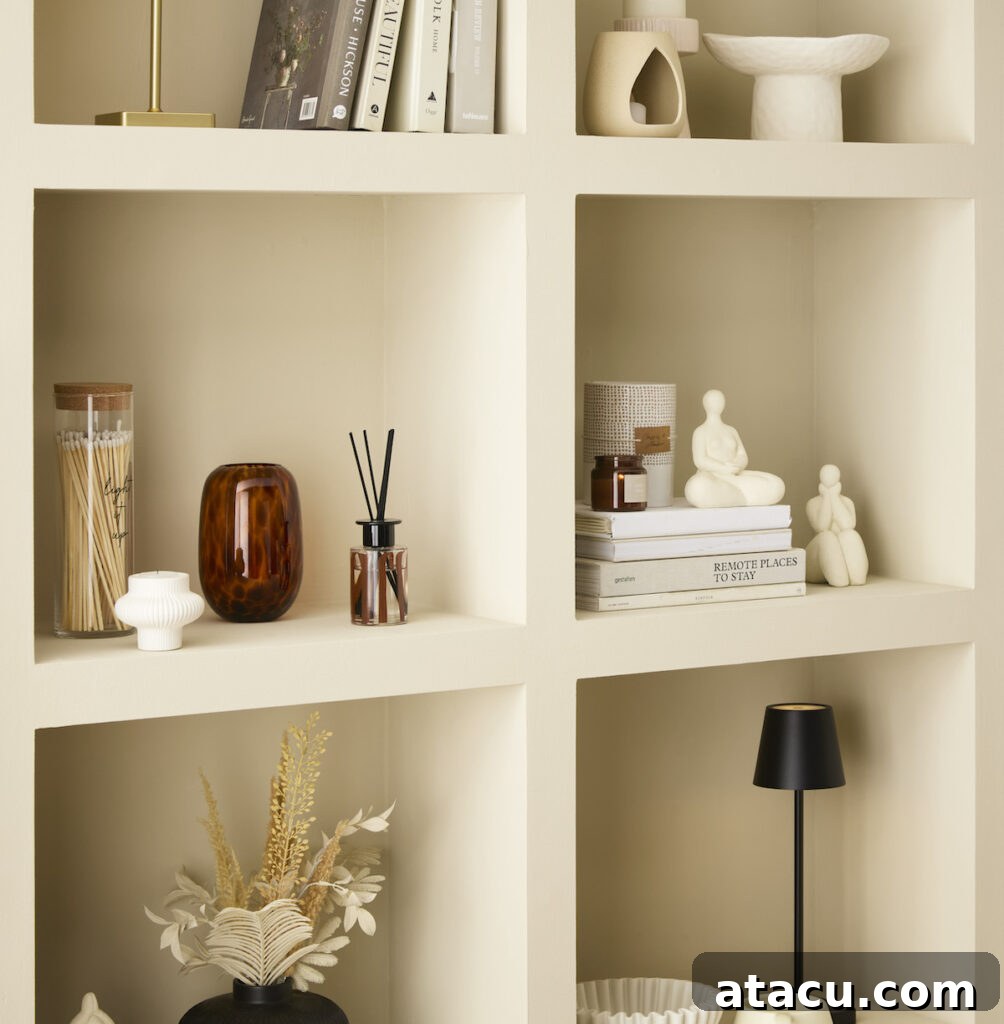
For a more tangible impact, begin by physically clearing smaller items. Remove everything from shelves, take artwork off the walls, and store away decorative objects. If you have the energy and capacity, temporarily shifting smaller furniture pieces out of the room can further enhance this “blank slate” feeling. This process isn’t about getting rid of things permanently; it’s about breaking routines and allowing yourself to observe the room’s inherent architecture, light, and flow without the distraction of its contents. By stripping the room back to its bare essentials, even just in your mind, you can clearly identify what truly serves a purpose and what is merely occupying space out of habit. This fresh perspective is invaluable for making intentional design choices going forward.
2. Experiment With Layout: The Power of Furniture Rearrangement
Once you’ve achieved that “blank slate” perspective, the next exciting step is to play with the existing furniture layout. It’s truly astonishing how a simple shift in placement can completely transform the functionality, perception, and energy of a room. Before you even consider buying a new item, commit to trying at least three different furniture arrangements. This hands-on approach forces you to think creatively and discover hidden potential.
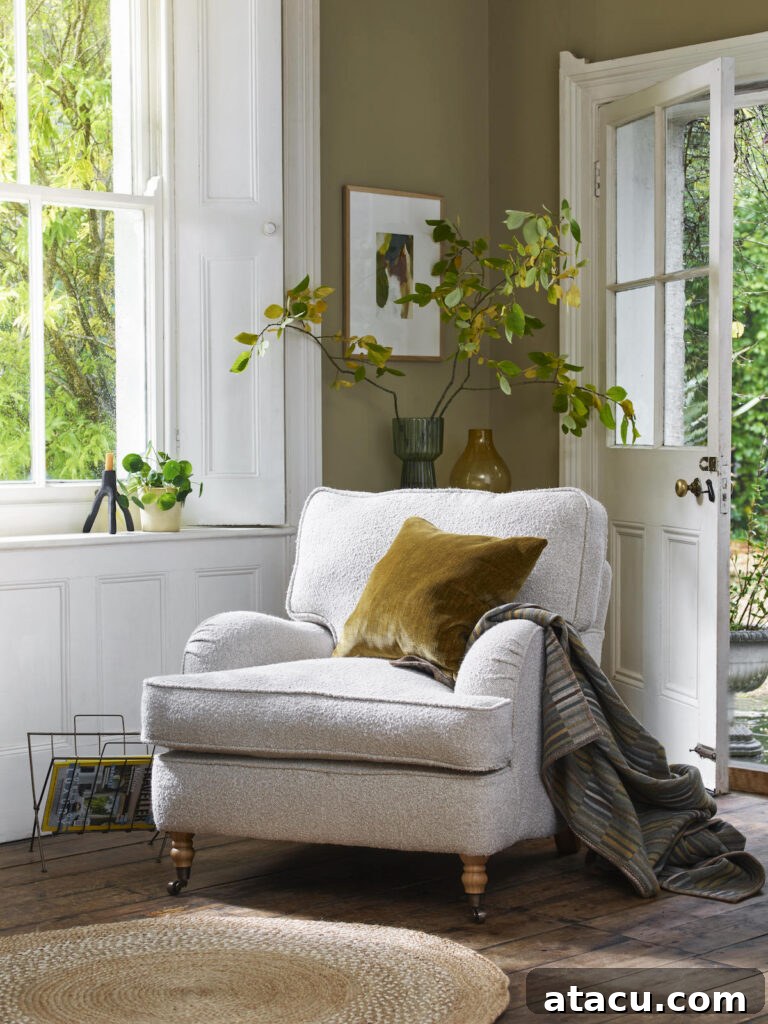
Consider pulling larger pieces, like sofas and armchairs, away from the walls. This common design trick immediately creates a more inviting and intimate atmosphere, defining conversation areas and improving flow. Experiment with angling your sofa or chairs to face a different focal point – perhaps a window with a beautiful view, a fireplace, or a piece of art you love. Don’t be afraid to swap chairs between different rooms; a dining chair might make a charming accent in a bedroom, or an office chair could bring unexpected character to a living room corner. Think about how light enters the room and how different layouts might optimize or minimize its effect at various times of the day.
Even smaller items like side tables, lamps, and rugs can significantly impact the overall layout. Try moving a rug to define a new zone within a larger open-plan space, or shift a floor lamp to illuminate a previously dim corner, instantly making it more inviting. The goal here is to challenge your assumptions about how your furniture “should” be arranged. Sometimes, the core issue isn’t the furniture itself, but simply its current placement, hindering the room’s true potential and disrupting its energy. Embrace the process of trial and error; you might stumble upon a configuration that feels entirely new and perfectly suited to your evolving needs.
3. Shop Your Own Home: Repurpose and Reimagine
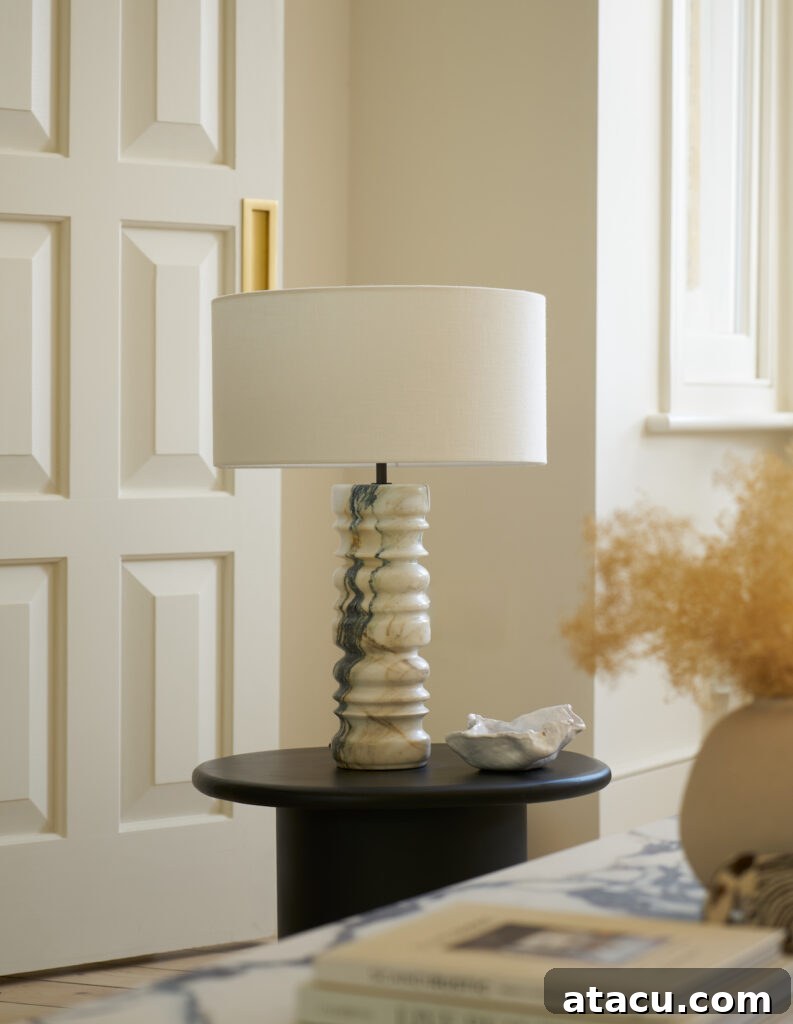
One of the most rewarding and sustainable ways to refresh a space without spending a penny is to “shop” your own home. This involves looking at every item you own as a potential candidate for a new role or location. The throw blanket from your bedroom, for instance, might be the perfect texture and color accent for your living room sofa. That lamp from your home office could cast a much-needed cozy glow in a hallway, transforming a transitional space into something more inviting. It’s remarkable how many pieces we deem “done with” or overlook in one context can feel brand new and exciting when placed in a different environment.
Beyond moving furniture and decorative accents, consider the broader aesthetic impact of your existing items. Rethinking the color balance of a room can dramatically alter its mood. The 60-30-10 rule is an excellent guideline for achieving visual harmony: 60% dominant color (walls, large furniture), 30% secondary color (curtains, accent furniture), and 10% accent color (decorative items, artwork). You can apply this rule using what you already own. Maybe a vibrant cushion from the guest room becomes the 10% accent in your living room, or a collection of books with similar spine colors can serve as a secondary color element on a shelf. A small, thoughtful shift in how and where you use existing colors can create a more cohesive and visually pleasing space, making it feel intentionally designed rather than haphazardly assembled. This approach encourages creativity and deepens your appreciation for the items you already cherish.
4. Edit What No Longer Feels Right: Curating Your Space
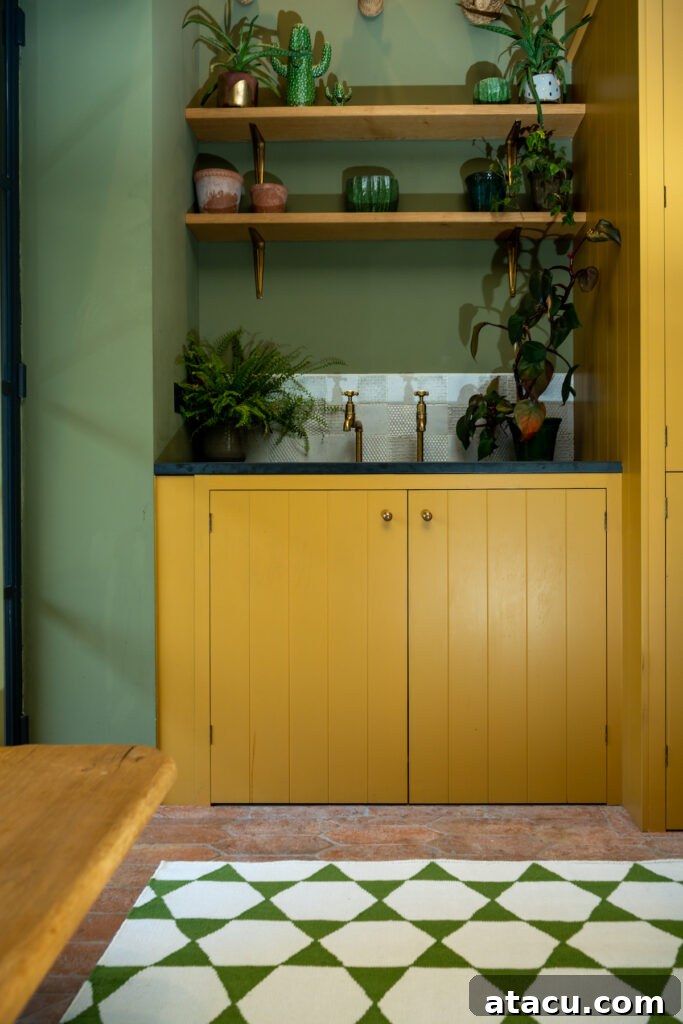
A room often feels “off” not because it lacks something, but because it contains items that no longer resonate or serve a purpose. This step is about intentional editing – a more thoughtful process than mere decluttering. It requires you to critically evaluate each object in the space and ask whether it contributes positively to the room’s aesthetic, functionality, or your emotional well-being. That decorative object that once seemed meaningful might now feel like visual clutter, creating unnecessary noise. A piece of furniture that was useful years ago may now simply be taking up valuable space without fulfilling its original function, or any function at all.
To guide this process, trust your gut feeling. If you were designing this space from scratch today, with your current taste and needs, would you still choose to include this particular item? If the answer is no, it’s a strong indication that it might be time to let it go. “Letting go” doesn’t necessarily mean discarding; it could mean moving it to another room where it finds a new purpose, storing it if it holds sentimental value but doesn’t fit the current decor, or even donating or selling it to someone who will appreciate it more. This editing process allows you to curate a space that truly reflects who you are now, freeing up visual and physical space for items that genuinely bring you joy and serve a purpose. By consciously removing elements that no longer belong, you create room for clarity, intentionality, and a more harmonious atmosphere.
5. Bring in Life (Literally): Nature and Sensory Elements
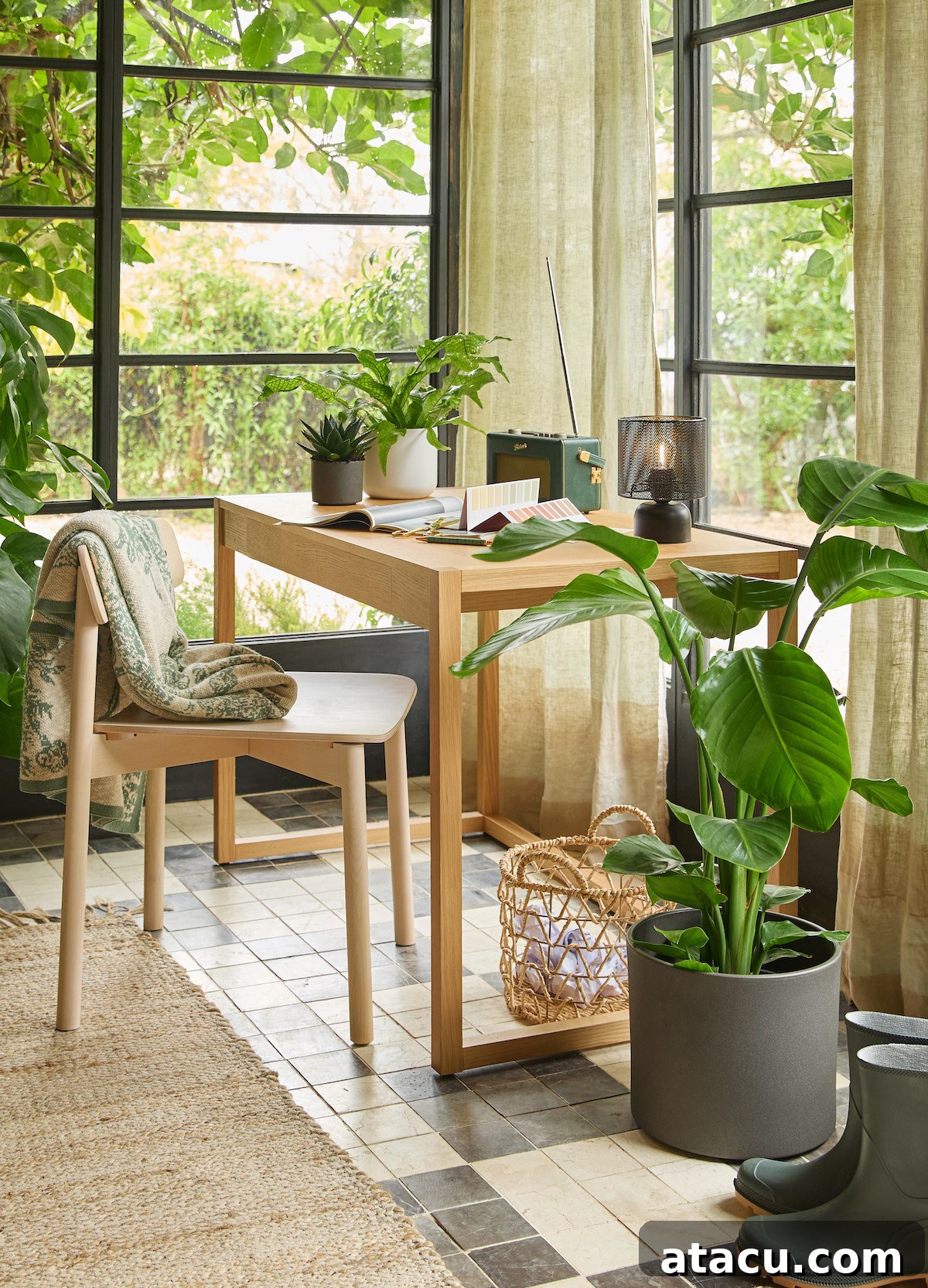
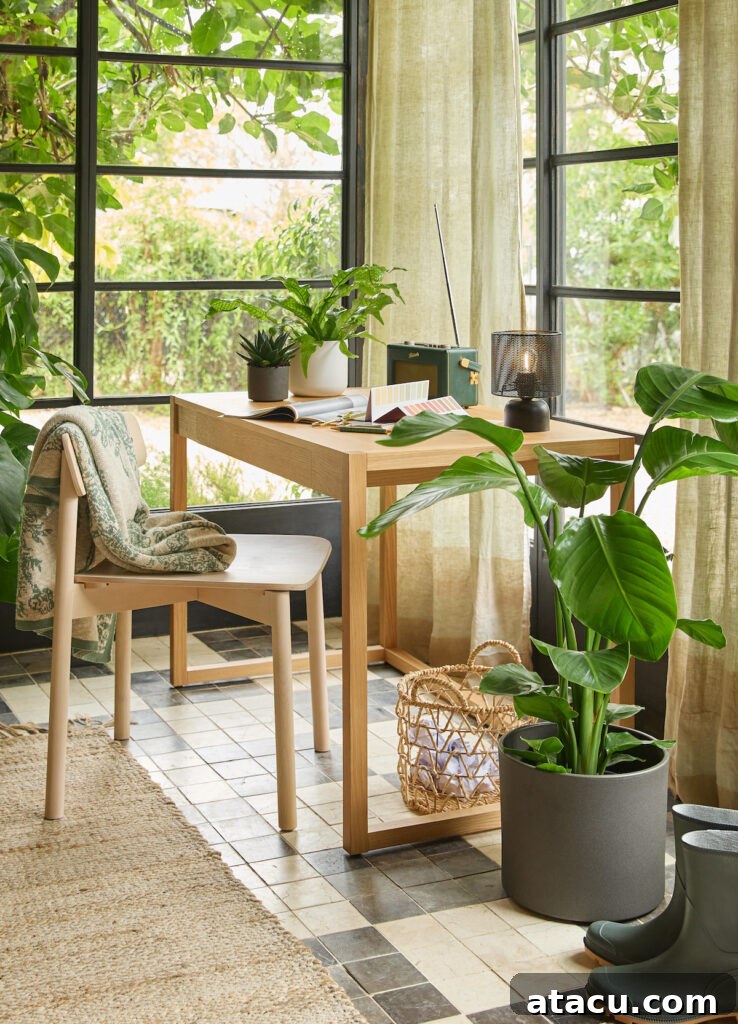
One of the simplest yet most impactful ways to instantly refresh any space is to infuse it with life – quite literally. Bringing natural elements indoors can profoundly alter the mood and energy of a room, making it feel more vibrant, serene, and connected to the outside world. Whether it’s a thriving houseplant, a vase of fresh flowers (even a single bloom can make a difference), or a simple bowl of colorful citrus fruits on a table, these small touches introduce organic textures, natural hues, and a sense of vitality that artificial decor often lacks.
Beyond tangible plants and flowers, consider activating other sensory elements that contribute to a room’s atmosphere. Natural light is a powerful mood enhancer. Ensure windows are clean and free of obstructions. Open curtains and blinds wide during the day to maximize sunlight, instantly making a room feel larger, brighter, and more energetic. If direct sunlight is scarce, strategically placed mirrors can help bounce light around the room. In the evenings, layer your artificial lighting – combine overhead lights with table lamps and floor lamps to create warmth and depth, avoiding harsh, single-source illumination.
Finally, engage the sense of smell. A stale room can feel heavy and unwelcoming. Open windows regularly to circulate fresh air. Introduce pleasant aromas through natural sources: light a scented candle, use an essential oil diffuser with calming or uplifting scents, or even simmer citrus peels and spices on the stovetop for a natural fragrance. These subtle yet powerful changes work in harmony to transform a static space into a dynamic, sensory-rich environment that nurtures well-being and feels truly alive.
6. Reconnect With How You Actually Use the Space
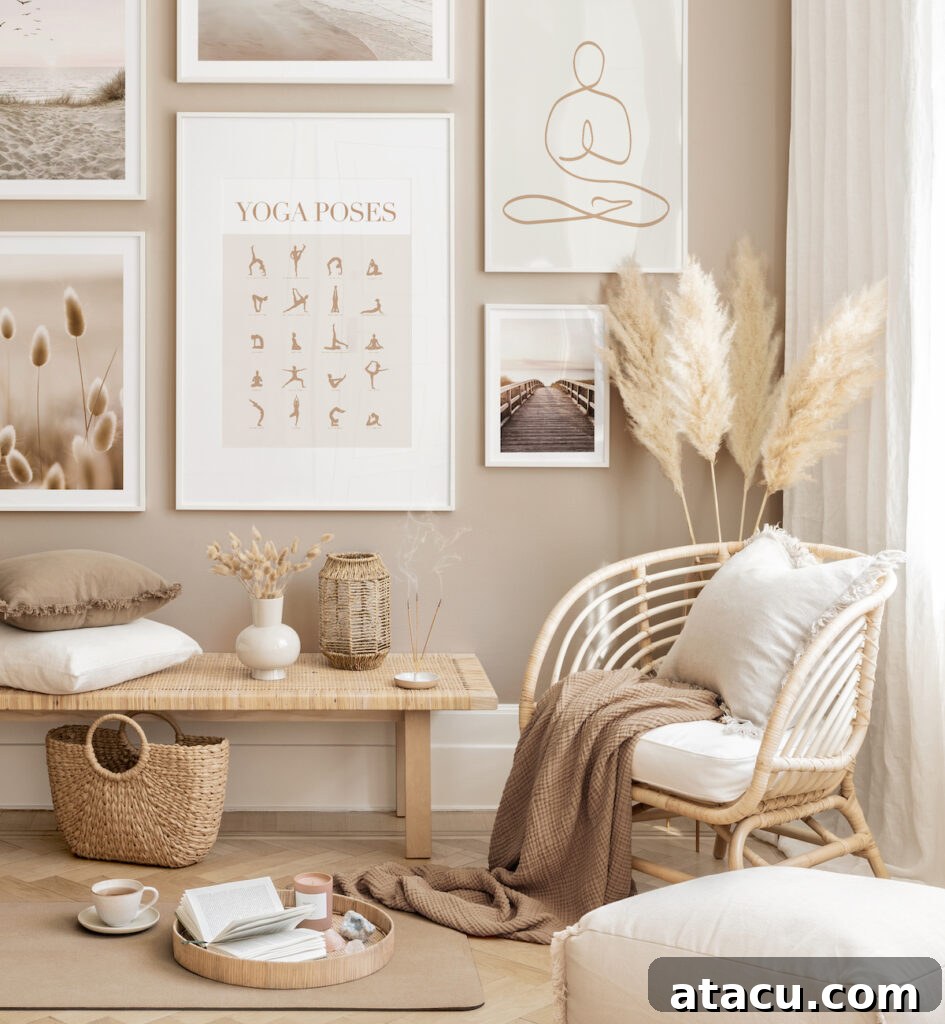
One of the most common reasons a room begins to feel “off” is a disconnect between its intended purpose and how you actually use it in your daily life. Our lives are constantly evolving, but our spaces don’t always keep up. Perhaps the formal dining table has gradually become an impromptu home office, littered with paperwork and laptops, yet you’re resisting this reality. Or maybe the guest room, once frequently used, now mostly serves as a storage area or a rarely visited space, when it could better support a hobby like yoga, painting, or reading.
When frustration sets in, it’s crucial to pause and honestly ask yourself: “What activities do I actually perform in this space most often?” If the answer has changed significantly from the room’s original design, then the space itself needs to adapt. This doesn’t necessarily mean a complete overhaul; often, it’s about acknowledging and embracing the room’s organic evolution. If your dining table is now a workstation, can you integrate smart storage solutions for office supplies, making it both functional and aesthetically pleasing? If the guest room is largely unused, can you reconfigure it into a dual-purpose space – a cozy reading nook or a dedicated exercise area that also accommodates occasional guests?
By aligning your space with your true lifestyle, you eliminate friction and enhance daily efficiency. A home should serve its inhabitants, not the other way around. This step encourages flexibility and an empathetic understanding of your own routines and needs. When a room genuinely supports the life you’re living, it naturally feels more harmonious, inviting, and ultimately, more “right.” This functional reassessment is key to creating a home that feels effortlessly aligned with your present self.
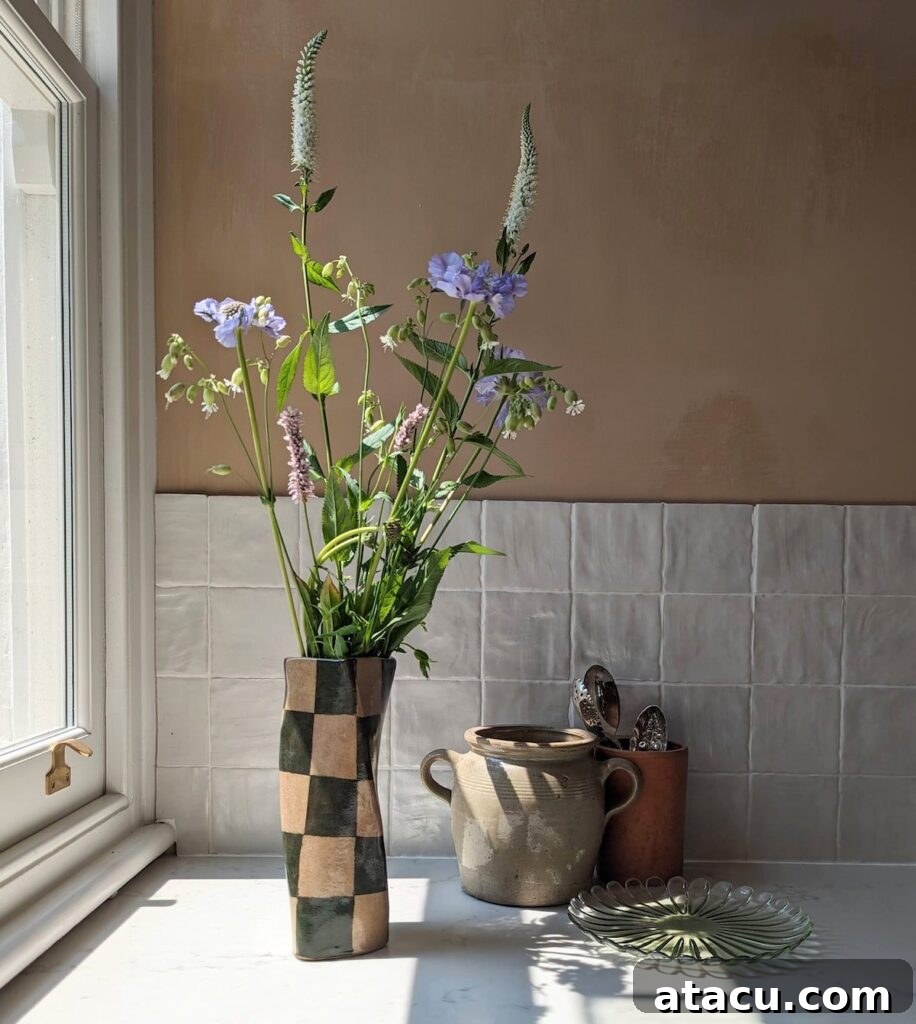
Embrace Creativity: The Ultimate Home Refresh
The true beauty of reworking a room without buying anything new lies in its ability to ignite your creativity and foster a deeper connection with your living environment. It challenges you to see familiar objects and spaces with fresh eyes, moving beyond habitual arrangements and perceived limitations. This process is not just about aesthetics; it’s a mindful practice that reminds us a home is more than the sum of its possessions. It’s about how a space supports the life you’re actively living, adapting to your evolving needs and enhancing your daily well-being.
So, the next time a room in your home isn’t quite working, resist the instant gratification of shopping for a solution. Instead, take a step back. Clear your mind, reimagine the possibilities, and embrace the joy of experimentation. You might be genuinely surprised by the hidden potential, fresh perspectives, and newfound appreciation you discover within the walls of your own home, all without spending a single penny. Your most impactful home transformation awaits, fueled by ingenuity and the resources you already possess.
Love this post? Save it for later! 📌 Pin this to your Home Decor or DIY Makeover board for easy reference when your room needs a reset!
Save to Pinterest